The Heisei era has been a period that saw the 50th, 60th and 70th anniversaries of the end of World War II, while the era has also been through various natural disasters, such as the 2011 Great East Japan Earthquake.
The Emperor and Empress have visited areas where there were fierce battles during the war both in and outside the country and areas devastated by disasters. In those areas, the Imperial couple stayed close to those who suffered. Such activities by the couple are called "Heisei-style" interactions.
In 1995, the 50th anniversary of the end of the war, the Emperor and Empress began taking trips to console the spirits of those who died in the war. The couple visited the cities of Nagasaki and Hiroshima as well as Okinawa Prefecture in addition to Tokyo's traditional neighborhoods, which were struck by major air raids, to pray for the souls of the war dead.
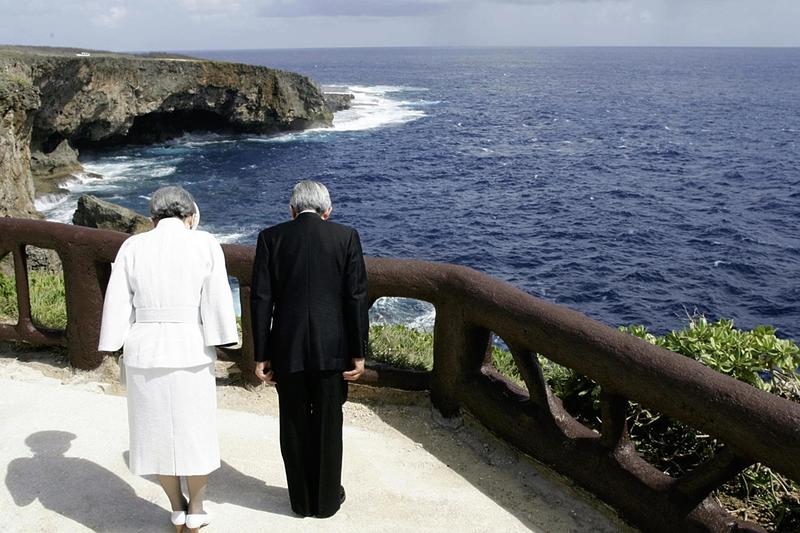
On the war's 60th anniversary year, the Emperor made an overseas trip aimed at mourning the war dead for the first time as an emperor. The couple visited Saipan and offered a silent prayer at a cliff from which a large number of Japanese jumped into the sea to their deaths. In the 70th anniversary year, the couple visited Palau's Peleliu Island.
The Emperor was also the first emperor to visit Okinawa Prefecture after his enthronement. He visited the prefecture 11 times in total, including visits while he was crown prince.
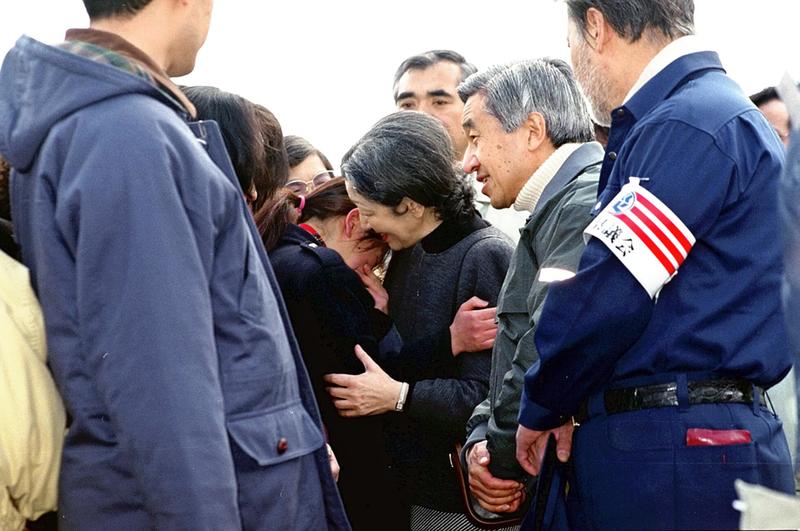
The Emperor established his own style of visiting areas hit by natural disasters shortly after they occured in order to meet the evacuees. In January 1995, the Imperial couple visited areas hit by the Great Hanshin Earthquake two weeks after the disaster. The couple encouraged evacuees by talking to them while they were down on their knees. When the Great East Japan Earthquake occurred in March 2011, the couple visited evacuation shelters in the three prefectures in the Tohoku region and other places for seven consecutive weeks. Their final visit to meet evacuees was in Atsuma, Hokkaido, in November last year. They were both 84 years old when they made the trip.
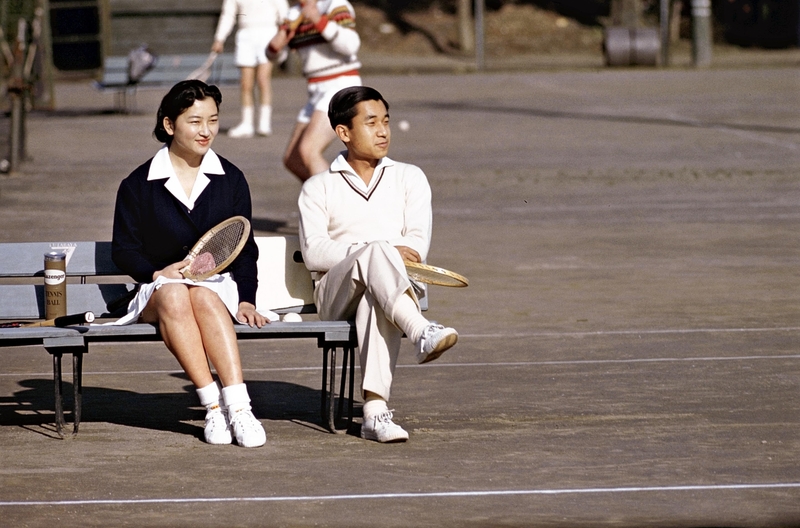
Hands-on child rearing
On Feb. 23, 1960, the year following their marriage, their first son Crown Prince Naruhito was born. The Emperor and Empress ended the wet nurse system that had been traditional at court, and the Empress breastfed her child.
They also changed the court tradition of royal children being raised away from their parents, and the crown prince was educated close at hand.
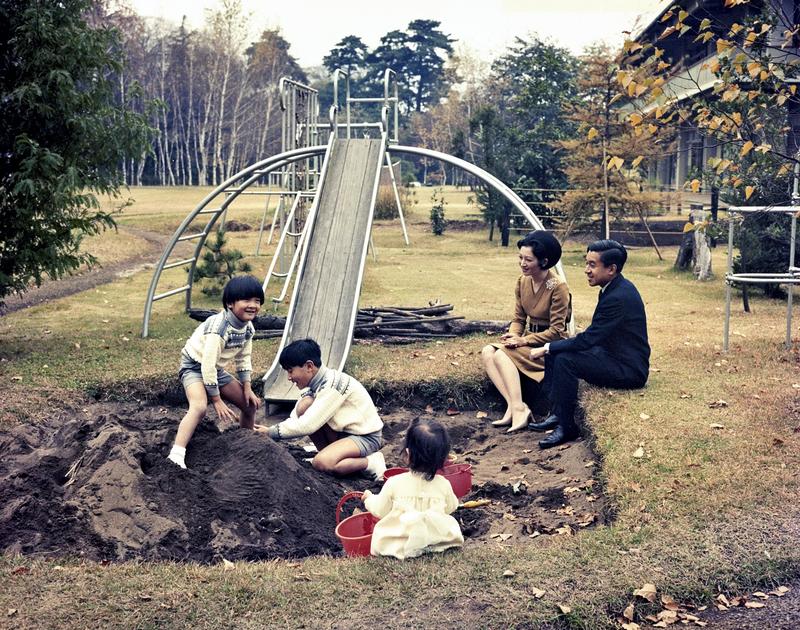
In June of that year, they took up residence in the newly built Togu Palace in the Akasaka Estate in Tokyo. The palace included children's rooms and a kitchen for the Empress to use.
In September 1960, the couple traveled to the United States, leaving the then 7-month-old crown prince in Japan. The Empress left notes for the staff and others containing important points regarding her son's care while she was away. These later became known as the "Naru-chan constitution."
The Empress also recorded lullabies on tape and instructed the staff to play them to the crown prince.
On Nov. 30, 1965, their second son Prince Akishino was born, followed by their daughter Sayako, whose married name is now Kuroda, on April 18, 1969. The Emperor participated actively in school activities, and the Empress made her children's bento lunches every morning.
Regarding childrearing, the Empress said at a September 1960 press conference, "The most important thing is for both parents to closely observe their children's individuality and manner of development, and carefully nurture their children's hearts with deep love and patience."
Read more from The Japan News at https://japannews.yomiuri.co.jp/
.png?w=600)