The initial impact of the Iran war on Australia's economy is set to be laid out when pivotal inflation data is released.
The first set of inflation numbers since US and Israeli strikes on Iran led to the closure of the Strait of Hormuz and skyrocketing oil prices will be unveiled on Wednesday.
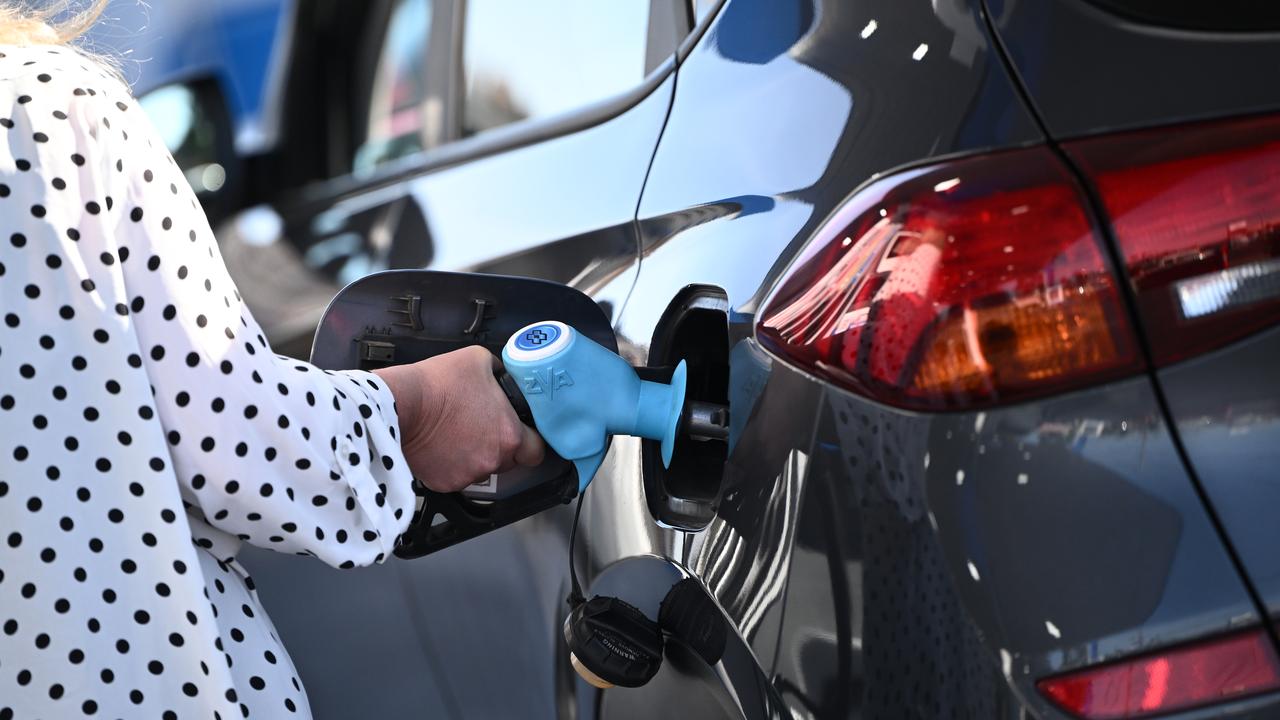
A large inflation spike in March is expected by economists, off the back of sharp increases to petrol and diesel prices which have filtered through to other sectors of the economy.
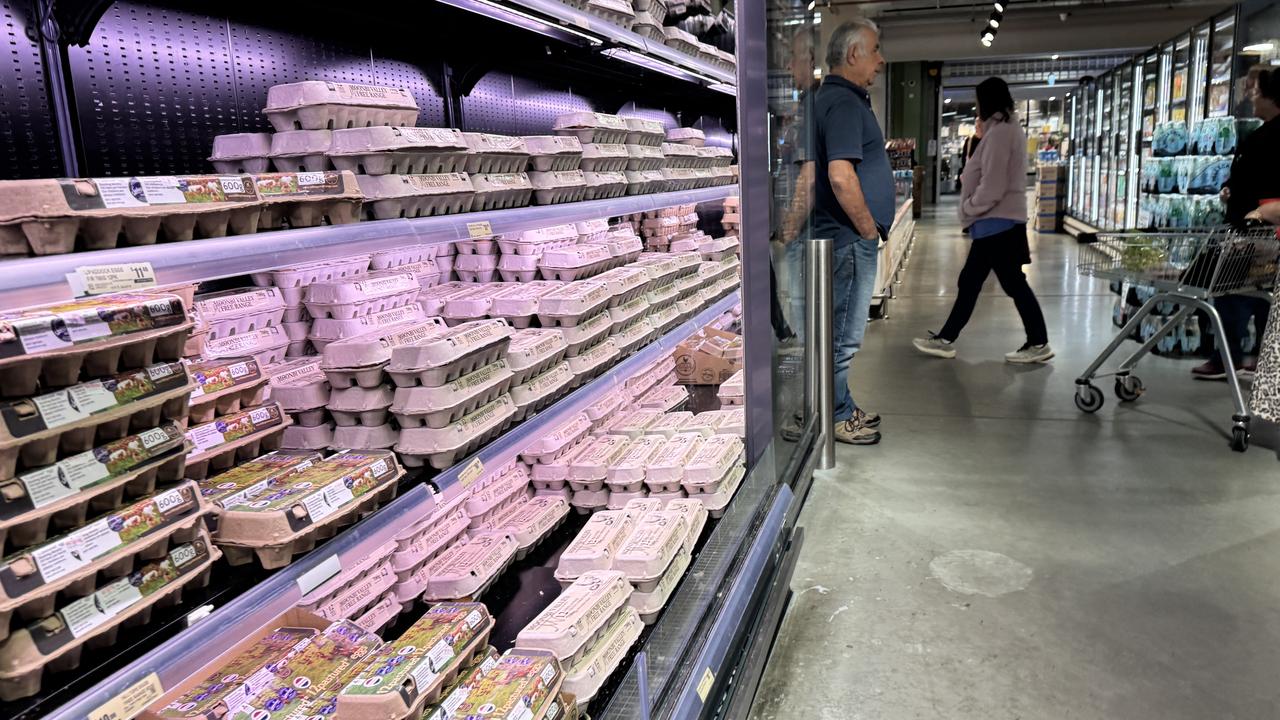
Commonwealth Bank economists have tipped inflation to rise almost a full percentage point for the month, from 3.7 per cent to 4.6 per cent.
The trimmed mean inflation, which removes the more volatile price increases such as petrol costs, will nudge up from 3.3 per cent to 3.5 per cent, they forecast.
The Reserve Bank favours the trimmed mean as a true measure of inflation, with the figures already well above the bank's target band of between two per cent and three per cent.
The release of the fresh inflation numbers will take place less than a week before the central bank's board meets in May, when a third successive interest rate rise is on the cards.
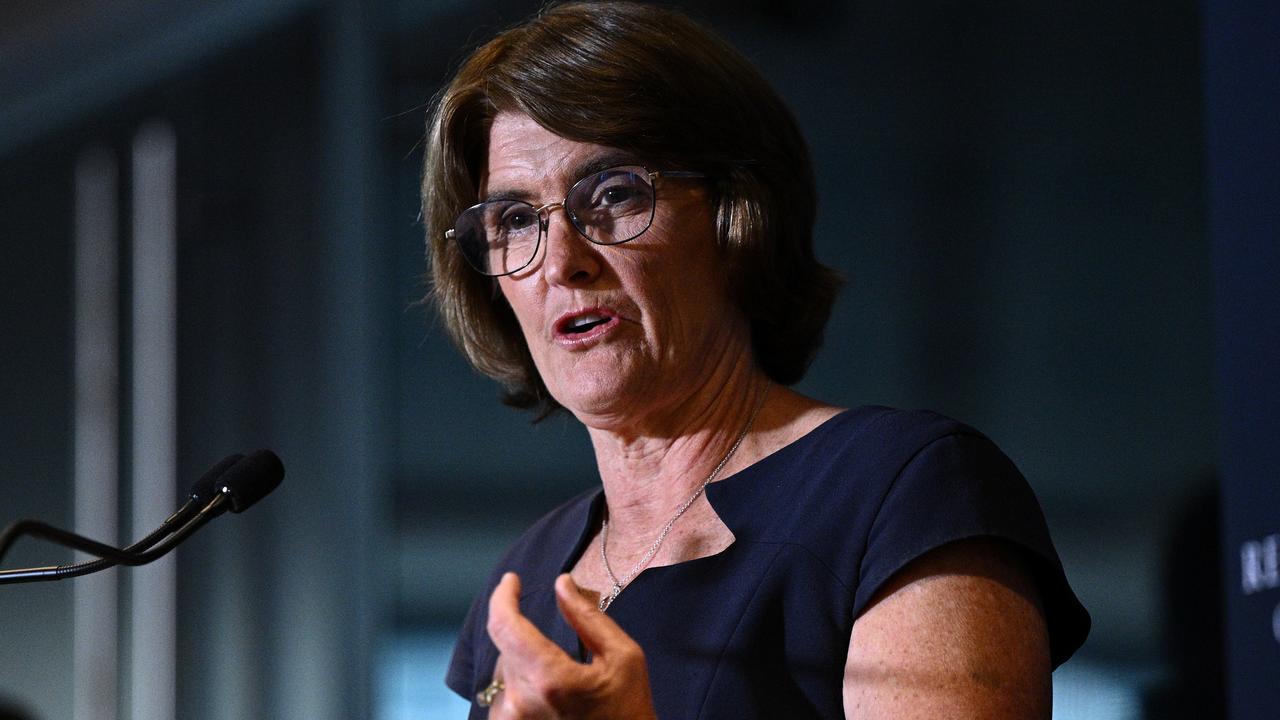
Even before the war against Iran started, RBA governor Michele Bullock expressed concerns about high inflation levels.
The Commonwealth Bank said the RBA was more likely than not to hike rates again off the back of the forthcoming inflation data.
"The data will be keenly watched given the RBA is due to hand down its decision on interest rates on May 5, with money markets suggesting a 72 per cent chance of a 25 basis point rate hike," the bank said in a statement.
While other pieces of economic data have been released since the start of the Middle East conflict, the inflation figures will provide some of the first indications of the war's wider economic impact.
Inflation is tipped to rise even further in the months following March's figures, NAB's head of Australian economics Gareth Spence said.
"We expect inflation to peak in quarter two with trimmed mean at 3.9 per cent year-on-year and headline at 4.9 per cent," he said in a research note.
"We expect trimmed mean inflation to be cumulatively 0.5 percentage points higher over the course of 2026 due to the cost shock emanating from the Middle East."
Meanwhile, Wall Street investors are seemingly optimistic about possible negotiations between the United States and Iran to end their war, or at least about the prospects of a ceasefire between the nations holding, with both the S&P 500 and Nasdaq closing at record highs.
The former gained 56.68 points, or 0.80 per cent, to finish Friday at 7,165.08 and the latter picked up 398.09 points, or 1.63 per cent, to 24,836.60.
A surge in Intel shares extended a rally in semiconductor stocks.
The Dow Jones Industrial Average fell 79.61 points, or 0.16 per cent, to 49,230.71.
Australian share futures slipped three points, or 0.03 per cent, to 16,666.
The S&P/ASX200 slipped 6.9 points on Friday, down 0.08 per cent to 8,786.5, as the broader All Ordinaries lost 17.8 points, or 0.08 per cent, to 9,006.4.