Impact of deforestation on wildlife in the greater Mekong - in pictures
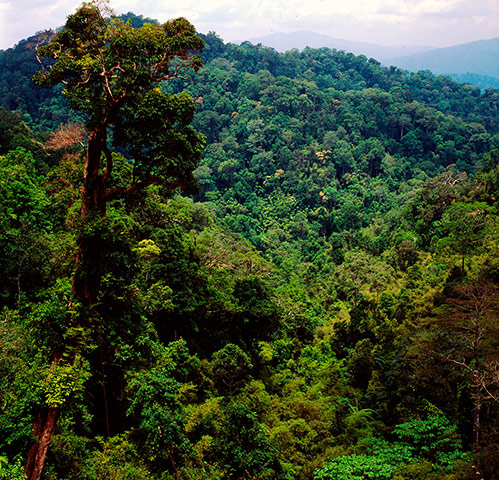
Montane broadleaved rain forest in Kaeng Krachan national park, Thailand. Using satellite data, the WWF researchers calculated that since 1980, Cambodia has lost 22% of its 1973 forest cover, Laos and Burma 24%, and Thailand and Vietnam 43%Photograph: Gerald S. Cubitt/WWF-CanonTrees form small peninsulas within a large river system. The report on ecosystems in the greater Mekong area warns that these countries risk losing more than one-third of their remaining forest cover within the next two decades if they fail to increase protectionPhotograph: Adam Oswell/WWF-CanonMangrove forests have been cleared for several alternative land uses including rice production and shrimp farms throughout the region. Large expanses of mangroves were destroyed with defoliants in the Mekong delta in the 1960s and 1970s during the war. Between 1980 and 2005, lower Mekong countries (Cambodia, Myanmar, Thailand and Vietnam) lost an estimated 222,650 hectares of mangrovesPhotograph: Adam Oswell/WWF-Canon
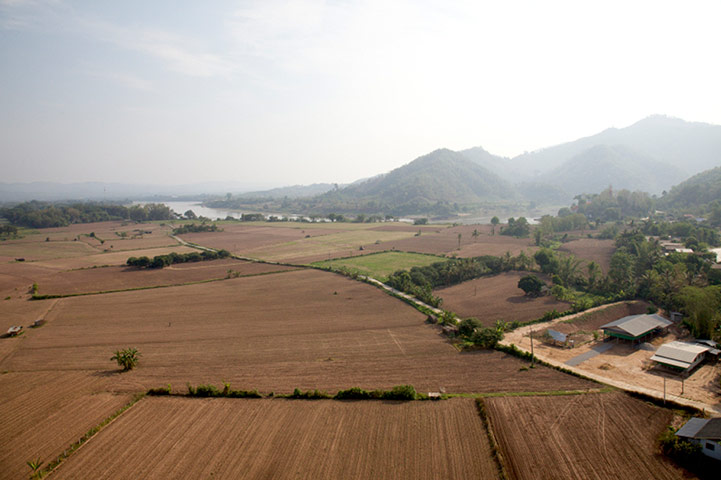
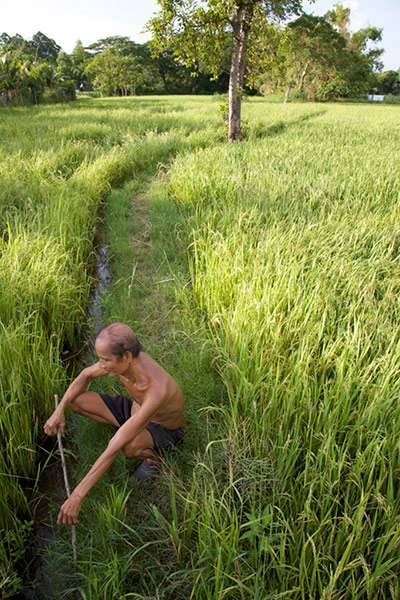
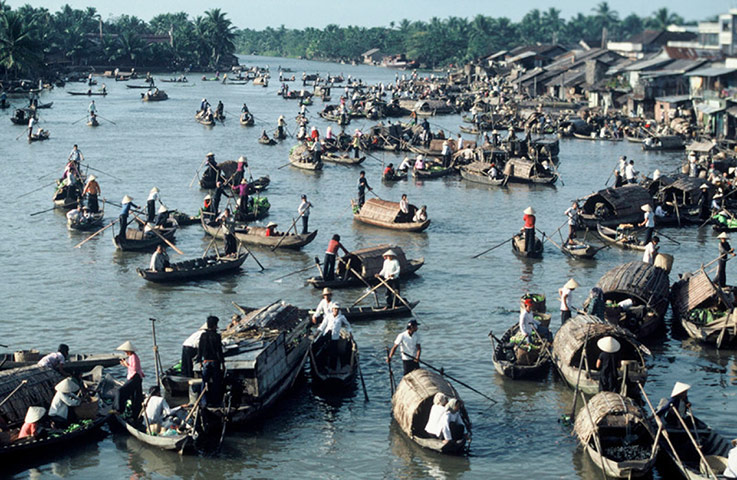
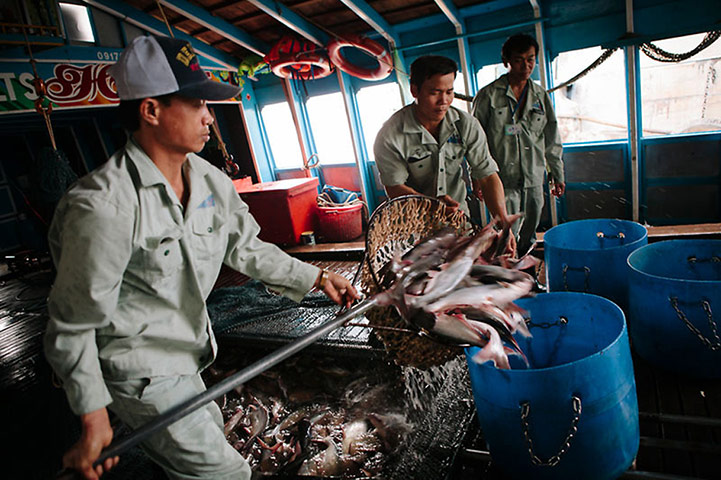
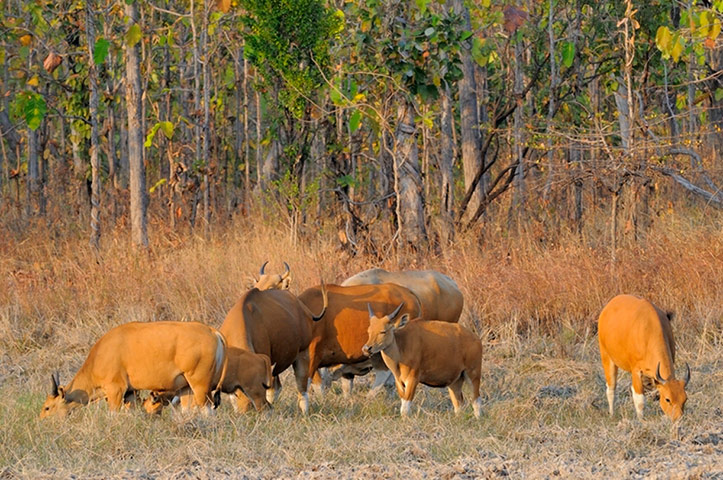
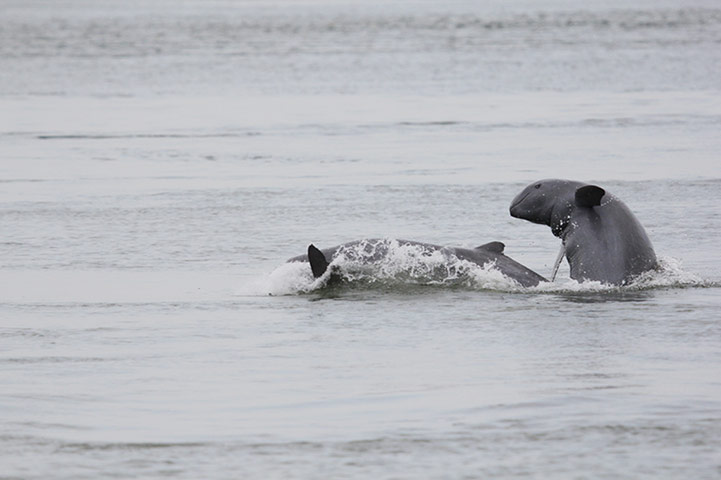
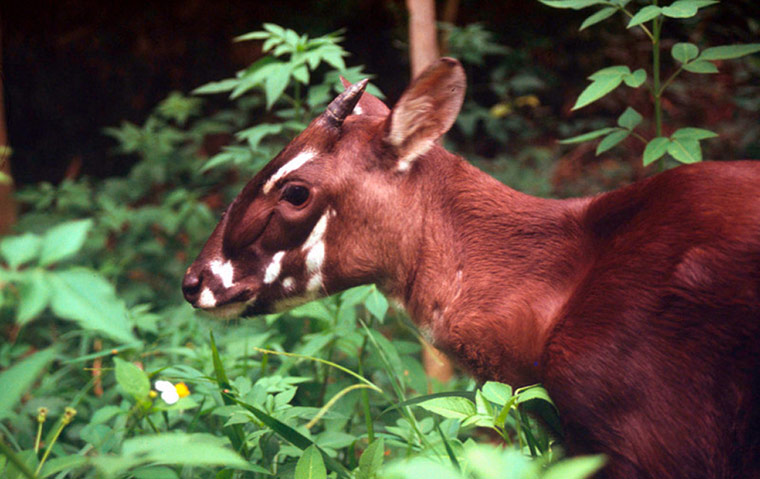
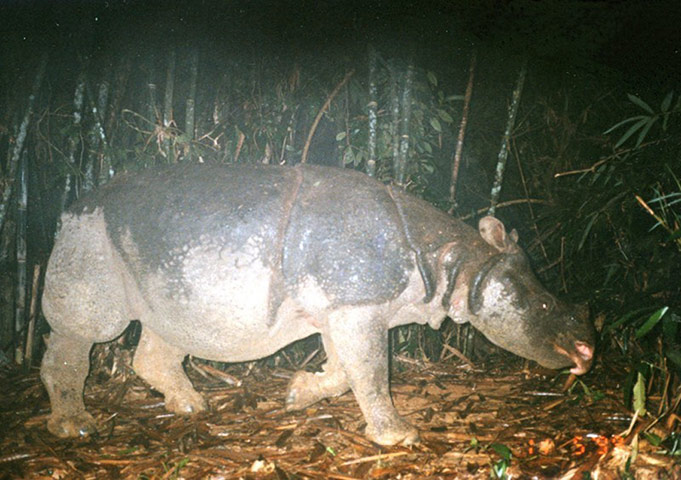
Fields in Laos. Conversion of forest to agriculture remains high, particularly in lower-income Cambodia, Laos and BurmaPhotograph: Adam Oswell/WWF-CanonMan in rice field, Vietnam. Large areas of lowland forest have been cleared, primarily for rice and other agricultural production, increasingly by industry rather than individual farmersPhotograph: Adam Oswell /WWF-CanonFishing and aquaculture in the Mekong delta employ more than 2.8 million people – 10% of Vietnam’s labour forcePhotograph: Elizabeth Kemf/WWF-CanonSampans meet at an early morning market in the Mekong delta where rivers converge, VietnamPhotograph: Elizabeth Kemf/WWF-CanonA crowd of children with Pra or river catfish (Pangasianodon hypophthalmus), Tonle Sap River, Cambodia. River catfish are closely related to the Mekong giant catfish, (Pangasiandon gigas), which has declined by more than 80% over the last 21 years, due primarily to overfishingPhotograph: Zeb Hogan/WWF-CanonWorkers at the Hung Vuong factory and fish farm, Vietnam, unload their live catch of pangasius, ready for the species of catfish to be processed and frozen in the factory before being distributed worldwide. More than 75% of rural households in the lower Mekong basin are involved in fisheries, both for their own consumption and for sale Photograph: Greg Funnell/WWF-CanonA banteng (Bos javanicus) herd at a waterhole in Mondulkiri forest, Cambodia. Intensive hunting and extensive deforestation together have caused virtually all larger species – including the banteng – to suffer serious declines in number and rangePhotograph: Fletcher & Baylis/WWF-CanonThe Irrawaddy dolphin (Orcaella brevirostris). Habitat degradation, gillnet entanglement, killing for oil and destructive fishing practices have driven populations near extinctionPhotograph: Gerry Ryan/WWF-CanonSpecies unique to the region, such as the saola (Pseudoryx nghetinhensis), a forest-dwelling bovine, occur in only a small portion of their former rangesPhotograph: David Hulse/WWF-CanonIn 2010, poachers killed the last Javan rhino (Rhinoceros sondaicus annamiticus) in mainland south-east Asia, in Cat Tien national park, Vietnam Photograph: WWF-Greater MekongTiger skins openly on sale at a retail outlet in Mong La, Burma, June 2010. Black markets along Myanmar, Thailand and China's shared borders play a crucial role facilitating the deadly illicit trade in tigers and other endangered species, say Traffic and WWFPhotograph: Adam Oswell/TRAFFICDry farms near a dam, Thailand. The growing need for energy in the greater Mekong has led to an unprecedented rate of dam building, impacting on freshwater ecosystems, the river’s connectivity and flow, and the people that rely on thesePhotograph: Adam Oswell/WWF-CanonAerial view of the Mekong delta in southern VietnamPhotograph: Elizabeth Kemf/WWF-Canon
Sign up to read this article
Read news from 100's of titles, curated specifically for you.