Impact of climate change on Nenet tribespeople of Siberia
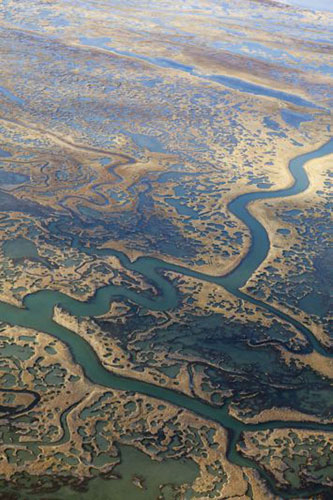
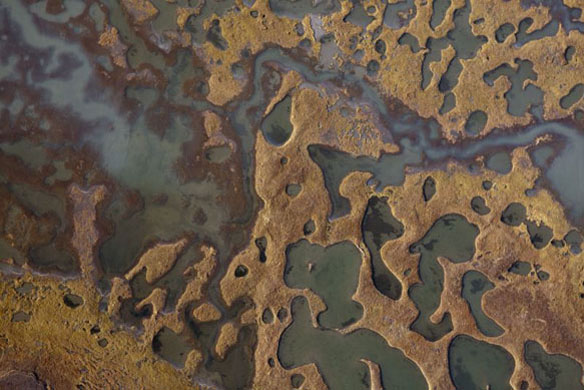
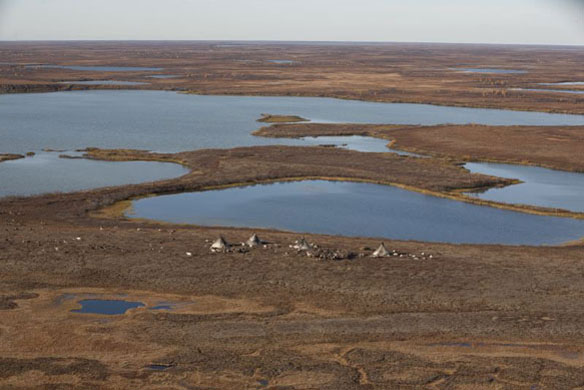
It is one of the world’s last great wildernesses, a 435-mile long peninsula of lakes and squelching tundra stretching deep into the Arctic OceanPhotograph: Steve Morgan/GreenpeaceRussia releases vast amounts of greenhouse gases, yet large regions, including the Yamal, will suffer heavily from global warmingPhotograph: Steve Morgan/GreenpeaceThis thermokarst Lake has drained out due to the melting of the permafrost and erosionPhotograph: Steve Morgan/Greenpeace
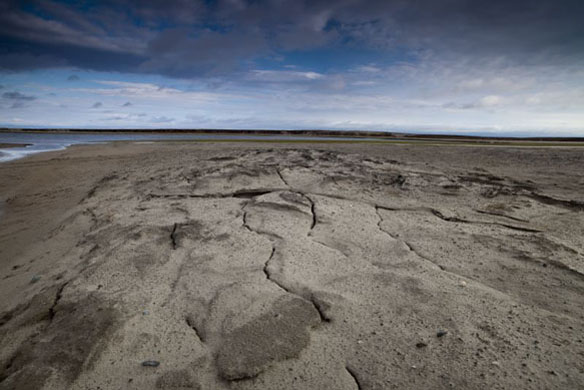
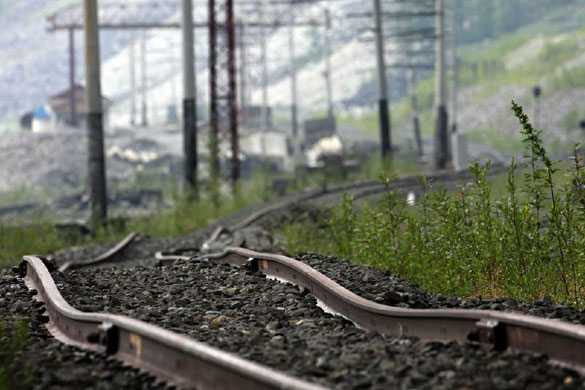
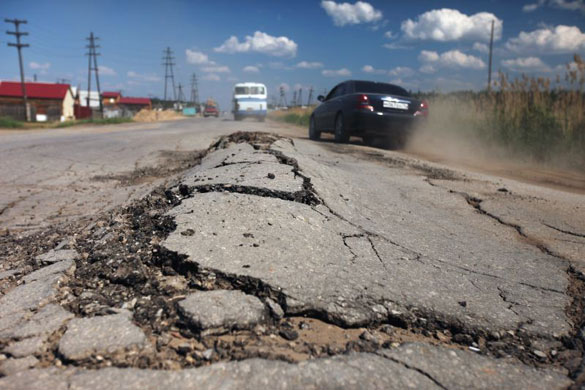
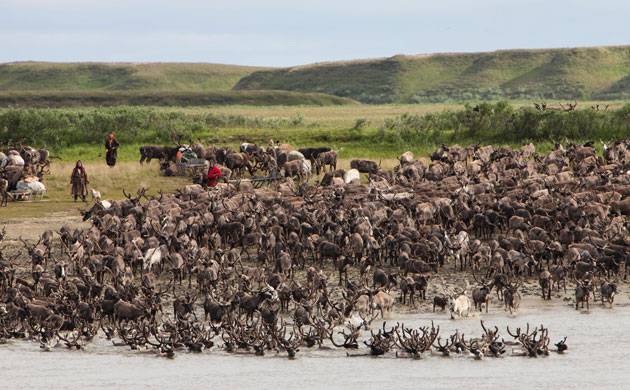
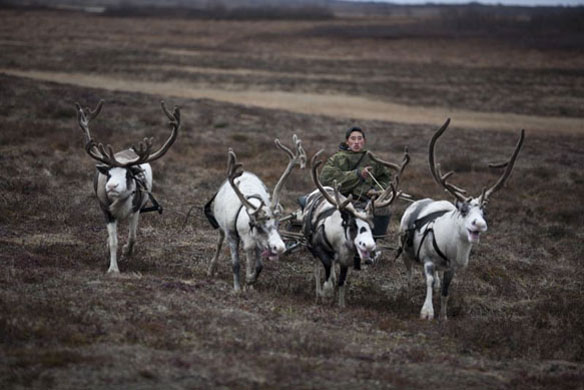
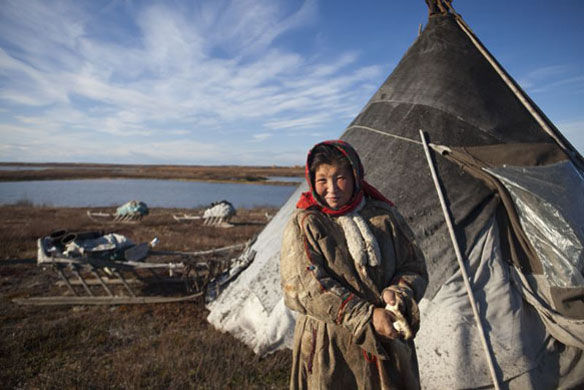
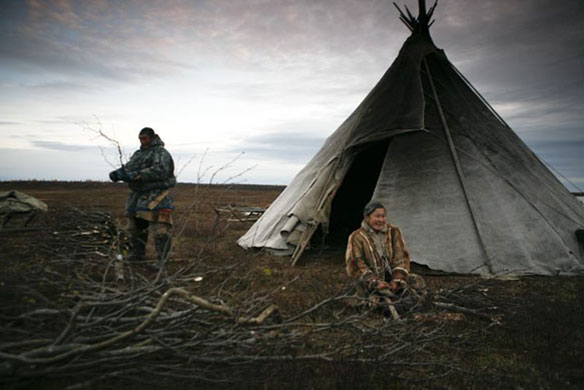
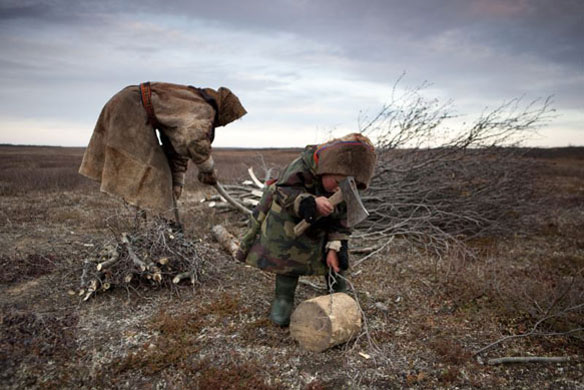
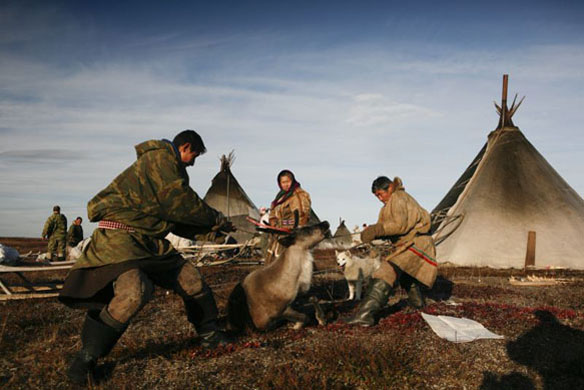
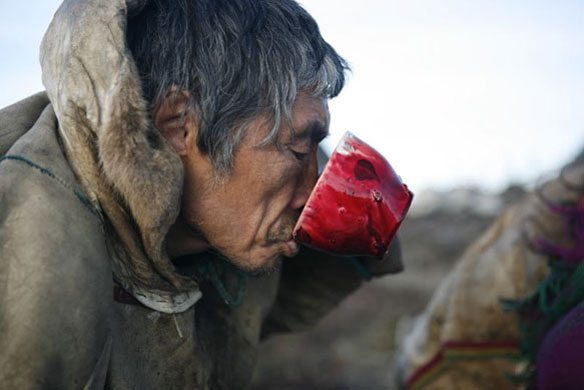
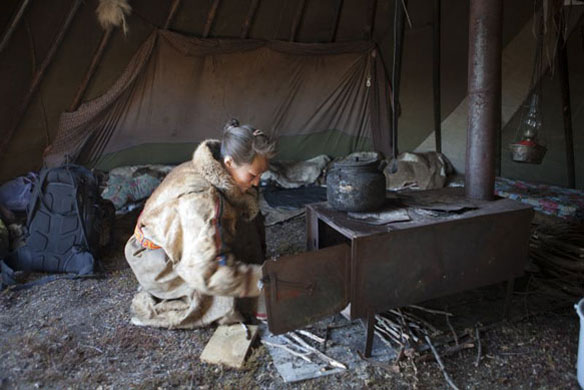
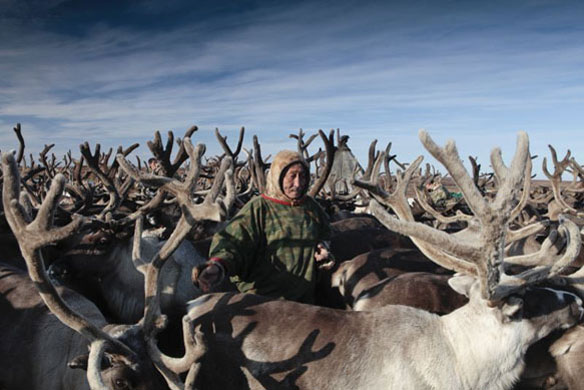
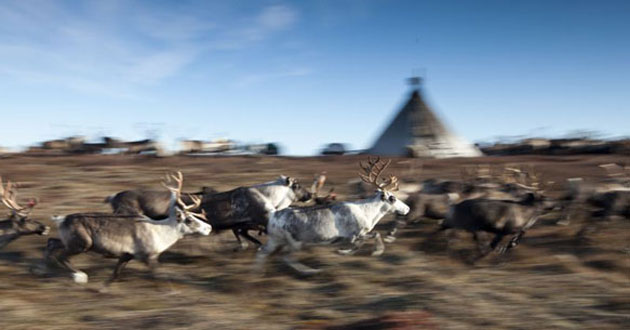
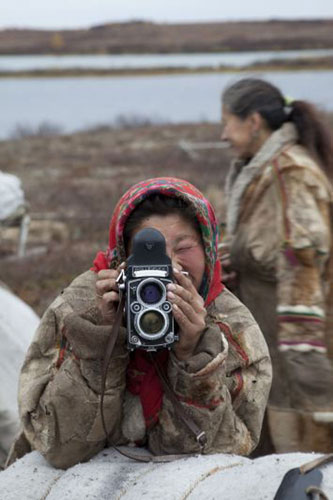
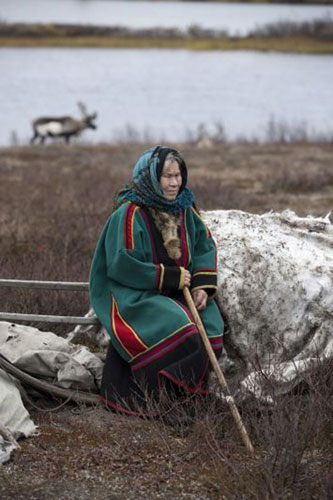
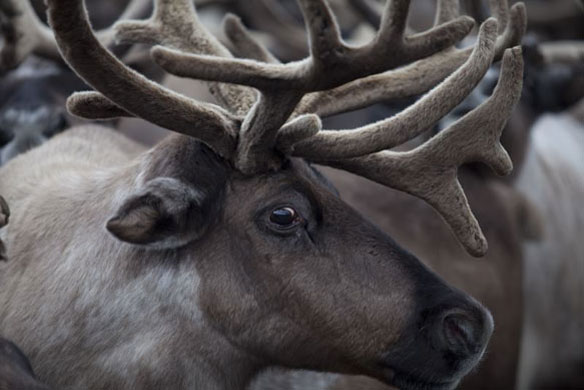
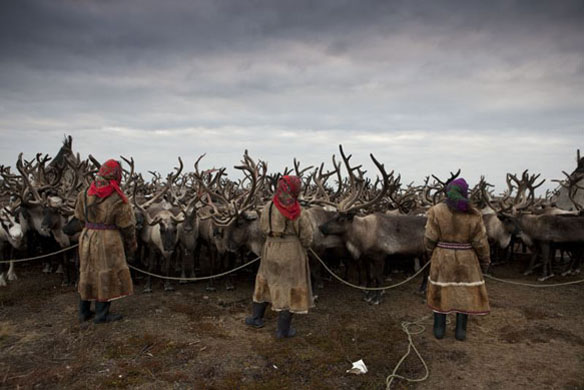
Buckled railroads caused by melting permafrost Photograph: Kajsa Sj lander/GreenpeaceCracked street caused by melting permafrost in Yakutsk, RussiaPhotograph: Kajsa Sj lander/GreenpeaceReindeer migration across the Yamal peninsula. The nomadic Nenet tribes of the Yamal peninsula have retained their traditional culture and simple way of life for over a thousand years. They now see themselves living with this tradition for no more than 40 yearsPhotograph: Kajsa Sj lander/GreenpeaceHerders say that the peninsula’s weather is increasingly unpredictable – with unseasonal snowstorms when the reindeer give birth in May, and milder, longer autumnsPhotograph: Steve Morgan/GreenpeaceRussia – the world’s biggest country by geographical area – is already warming at one and a half times the rate of other parts of the worldPhotograph: Steve Morgan/GreenpeaceIf global temperatures rise by the 4C many scientists fear, the impact on Russia would be disastrousPhotograph: Steve Morgan/GreenpeaceMuch of Russia’s northern region would be turned into impenetrable swamp Photograph: Steve Morgan/GreenpeaceWhile the tundra begins to thaw, potentially releasing huge volumes of methane, pipelines are being laid to exploit the biggest gas fields on the planetPhotograph: Steve Morgan/GreenpeaceHerders in the Yamal Peninsula killing a reindeer for its meatPhotograph: Steve Morgan/GreenpeaceThe herders eat raw reindeer meat and drink the animal's bloodPhotograph: Steve Morgan/GreenpeaceThey also catch fish – slicing off filets of sushi-like whitefish, taken from the thousands of virgin-lakes across the peninsulaPhotograph: Steve Morgan/GreenpeaceIn winter temperatures used to go down to -50C. Now they are typically -30C, making conditions difficult for the reindeerPhotograph: Steve Morgan/GreenpeaceThe reindeer are going hungry and in spring it is difficult for them to pull the sledgesPhotograph: Steve Morgan/GreenpeaceThe Nenets report other changes - fewer mosquitoes and a puzzling increase in gadflies - that indicate climate changePhotograph: Steve Morgan/GreenpeaceCampaigners fear that large-scale gas exploration could ruin the peninsula's delicate Arctic ecology. They also fear that it will squeeze the Nenets' traditional herding routesPhotograph: Steve Morgan/GreenpeaceReindeer have already broken legs crossing a new railway line that Gazprom, Russia's state energy giant, is building across the tundra to its new Bovanenkovo plantPhotograph: Steve Morgan/GreenpeaceAlready 160 reindeer herders have already been evicted from their pasturesPhotograph: Steve Morgan/Greenpeace
Sign up to read this article
Read news from 100’s of titles, curated specifically for you.