The International Monetary Fund (IMF) has cautioned the U.K. government against implementing further tax cuts, urging them to prioritize meeting the increasing demands for spending instead. The advice comes at a time when Prime Minister Rishi Sunak's administration is expected to introduce tax cuts to boost support for the Conservative Party in an election year.
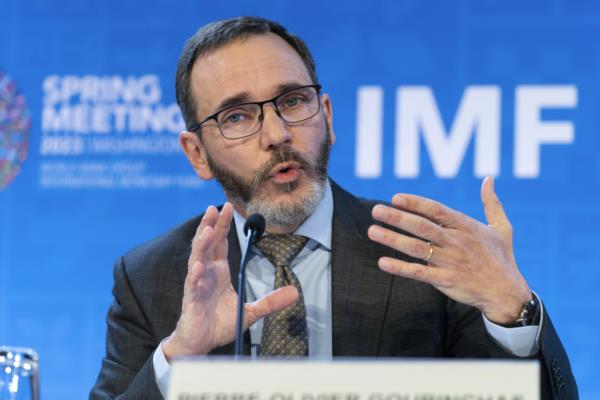
Pierre-Olivier Gourinchas, the IMF's chief economist, emphasized the importance of preparing for the rising expenditure needs of critical sectors such as the National Health Service, social care, and education. Britain is grappling with sluggish economic growth, compounded by the lingering effects of high inflation. Gourinchas stressed that the government must ensure its finances are strong enough to cater to these demands without exacerbating the debt-to-GDP ratio.
Although U.K. Treasury chief Jeremy Hunt is widely anticipated to reduce taxes in the coming months, Gourinchas argued that such a move would be unwise. The IMF downgraded its outlook for the U.K. economy, forecasting a growth rate of 0.6% in 2025, compared to the previous estimate of 2%. Given this scenario, Gourinchas advised against further discretionary tax cuts, highlighting the need for fiscal prudence.
Hunt, on the other hand, acknowledged longer-term projections and cited the IMF's expectation of stronger growth in the years ahead. While he claimed it was too early to determine if tax reduction would be feasible in the upcoming budget, he believed that well-targeted tax cuts could significantly boost economic growth.
Responsible fiscal management is a sensitive issue for both Sunak and Hunt, as their predecessors faced criticism for announcing tax cuts without outlining the necessary funding sources. Former Prime Minister Liz Truss, who held office for less than two months, resigned amidst concerns about her proposed policies, leading to a sharp decline in the value of the pound against the U.S. dollar. The Bank of England had to intervene in bond markets to safeguard pension funds from the resulting financial volatility.
With the next general election expected to take place this year, the UK government is under pressure to navigate the economic challenges while gaining public support. Striking a balance between tax reductions and fulfilling critical spending needs will be crucial in securing a stable and prosperous future for the country.