KOCHI: With a new radar proposed in the North Malabar region, the weather prediction network will become accurate in the state which has been facing severe weather events in the last few years. The new radar is likely to be installed at Kannur airport. As of now, there are only two radars in the state, one in Kochi and the other in Thiruvananthapuram, which help in the early warning systems.
The theme for this year’s World Meteorological Day, which falls on March 23, is ‘Early Warning and Early Action’, it spotlights the vital importance of hydrometeorological and climate information for disaster risk reduction.
As part of the World Meteorological Day, the meteorological centre, Thiruvananthapuram, will be kept open to the public between 2pm and 5pm on Wednesday.
In keeping with the need to save lives and livelihoods, the IMD has moved to issuing impact-based warnings in all districts in the state. “We have started giving impact-based warnings in all districts in the event of any changes in the weather. This warning is first issued one day before to the state emergency operations centre (SEOC). This will help them issue warnings to the local administrations and ensure last-minute connectivity,” said K Santosh, head, IMD-Thiruvananthapuram.
He said that 30 automated weather stations are part of the network in the state. The entire forecasting system is divided into extended weather forecasts for two weeks, medium range forecasts for five days issued district-wise and the 3-hour Nowcast which gives out alerts for rainfall, thunderstorm and lightning and wind speeds.
IMD officials said that a lot of stress is being given to impact-based warnings. “Apart from informing the SEOC, we also issue it to the public through various media, informing through our website, on social media, etc.
On its end, the Kerala state disaster management authority (KSDMA), which used the IMD network also, looks at the various other international agencies for the weather outlook on the day and issues these on their website.
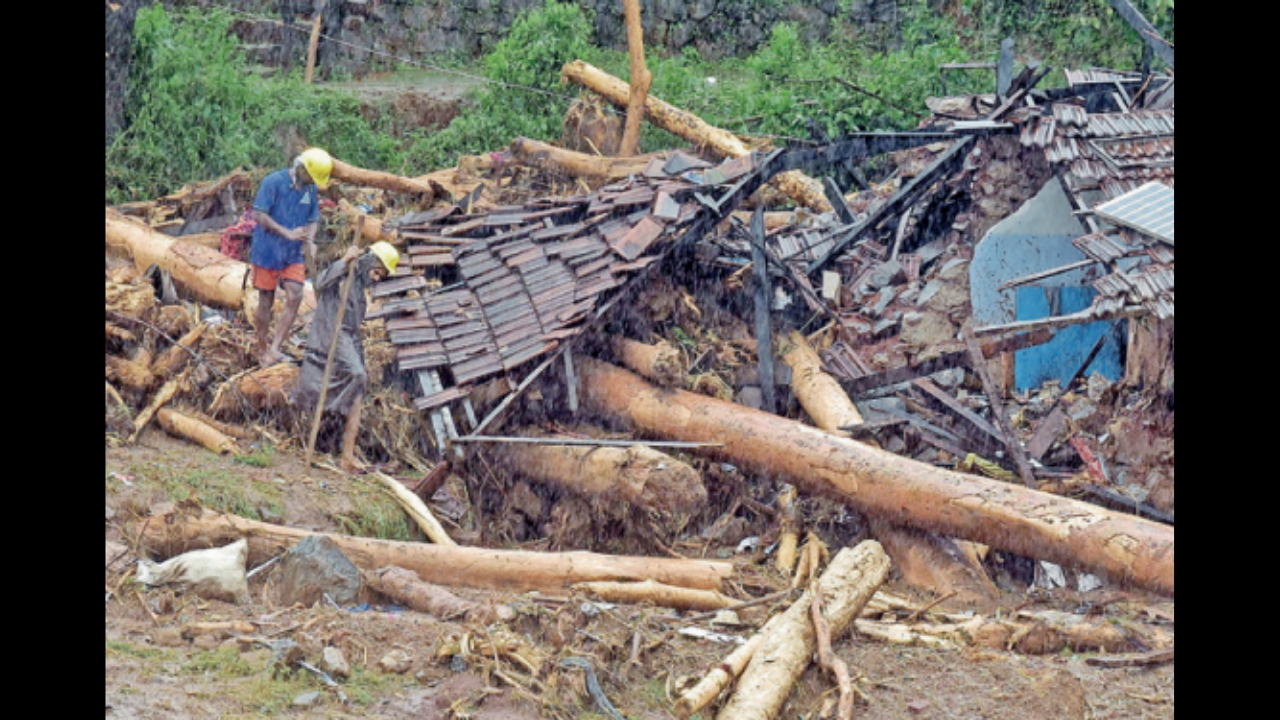
From 2016 onwards, the state has been facing different kinds of weather events every year. If in 2016, it was a drought year which has several records of high temperatures recorded, in 2017, it was cyclone Ockhi which shocked the state with its sudden formation and damage caused to coastal communities. Kerala flood 2018, was a once in a 100-years rainfall event that led to the overhauling of the dam water release system in the state. Since then, the state has been devastated by extreme and erratic rainfall, cyclones along the west coast, high tidal events, inundation, sea surges, landslides, etc.
The WMO is promoting impact-based forecasting, of what the weather will be and what it will do. That is needed to enhance the preparedness and early action of various user and customer groups, who are dependent on weather. Last year WMO published a report on disaster statistics for the past 50 years. It showed that there were more than 11,000 disasters linked to weather, climate and water-related hazards, almost equal to one disaster per day. There were 2 million deaths – or 115 per day. The number of disasters has increased five-fold in the past 50 years.