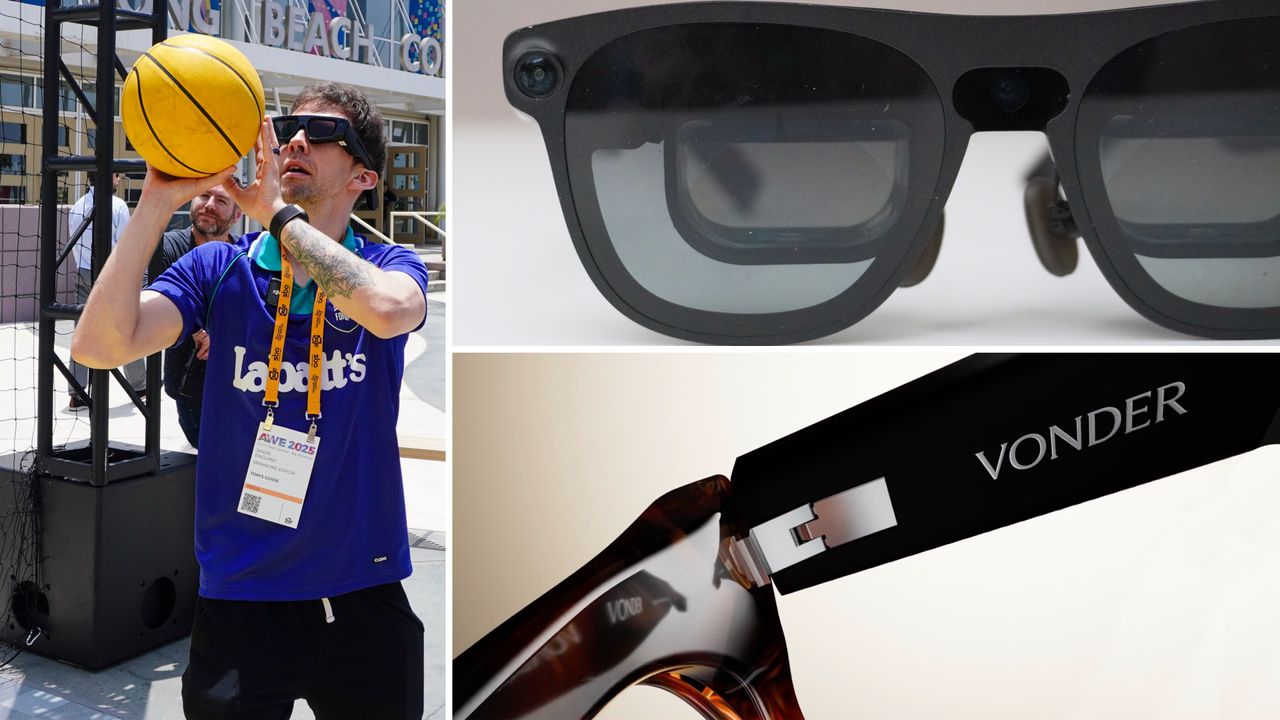
I've been testing all the best smart glasses and VR headsets for over five years now, and no time has been more exciting for this space than right now. I'm heading to AWE 2026 (my second year attending), and something feels different about this one — almost as if we're about to see something transformative.
As you can see in our best of AWE 2025 awards, this show isn't usually about the big hardware announcements; it's about all the smaller innovations that will come together to build that breakthrough pair of glasses that change the face of computing. This year, I think the stars are aligning, and we're going to see what happens when all of this comes together.
And after watching Nvidia "reinvent the PC" with RTX Spark, it's doubly fascinating because people are starting to offer differing views on the future of computing. Something big is going to happen in Long Beach next week, and here are my three predictions about what it will be.
We get a first real look at Snap Specs
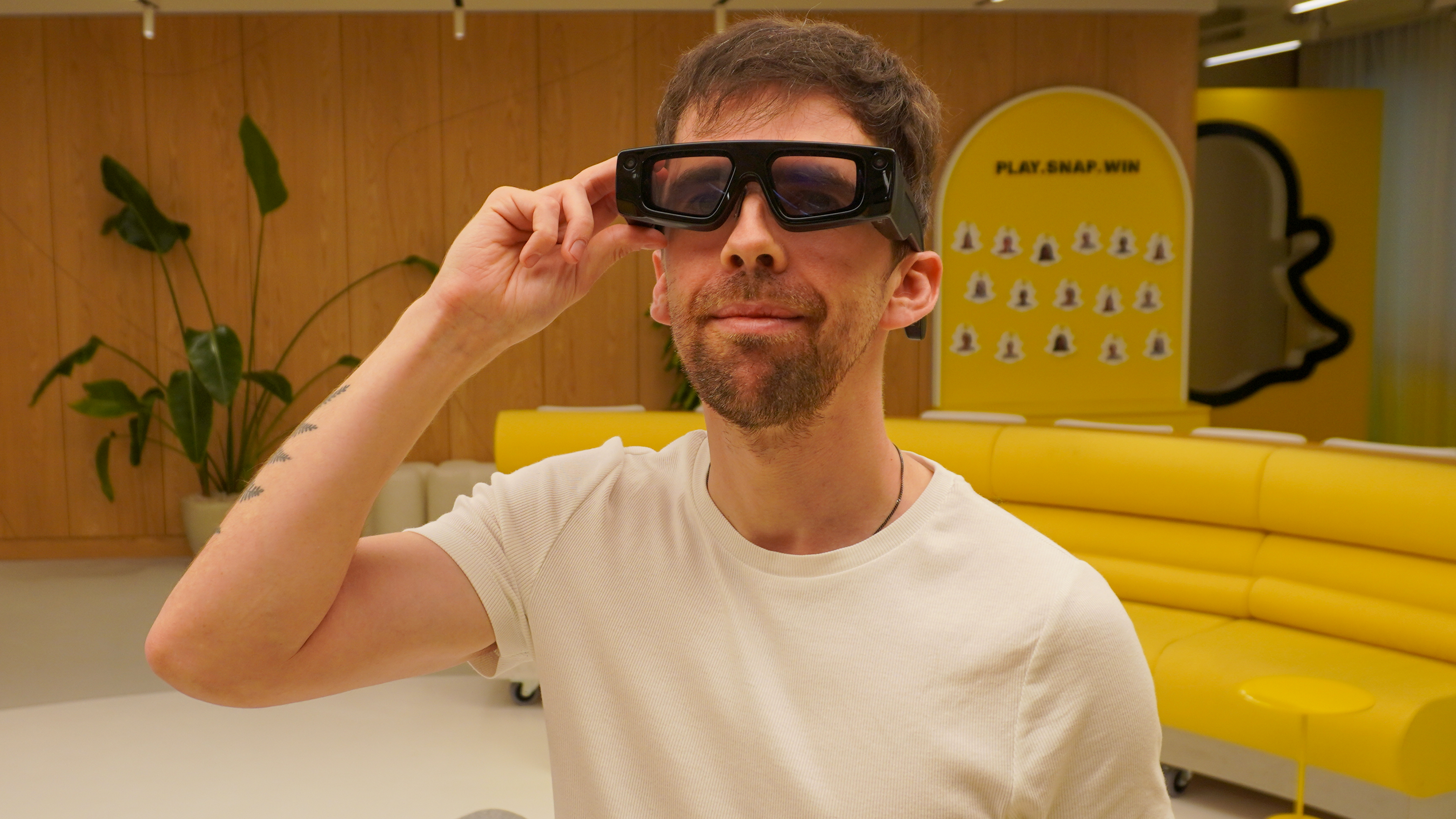
It was confirmed at AWE last year that Snap's Spectacles developer project is finally going to become a consumer product in 2026. And now, CEO Evan Spiegel is back with another keynote named "making computing more human."
We've seen the slow build to this moment over the past 12 months, from me testing key updates made to Snap OS to make it ready for the public, to Snap and Qualcomm officially teaming up for the "future of specs." I believe everything is in place, and we may get our first true look at the hardware design.
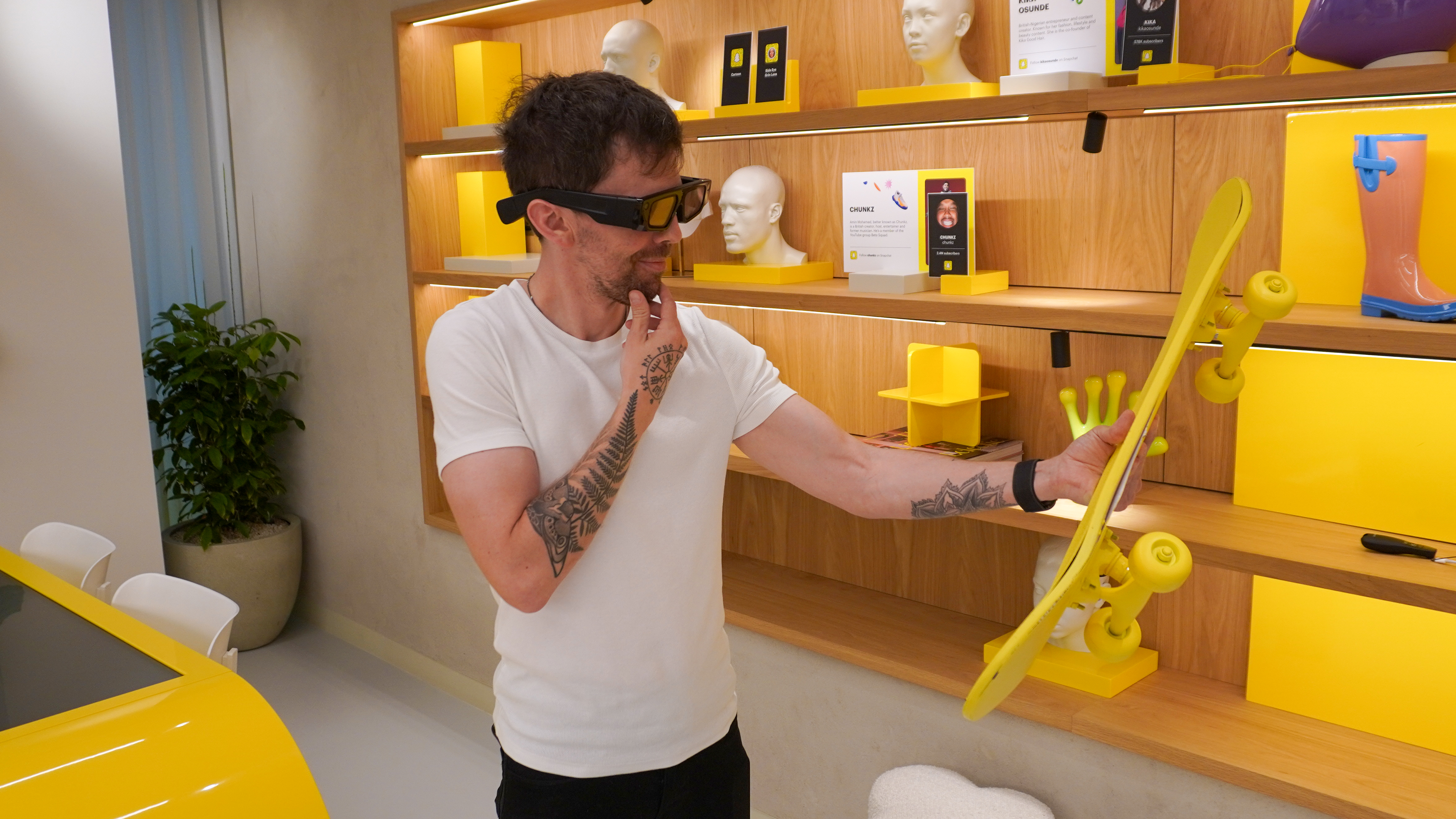
It will be fascinating to see how Snap has addressed the key challenge of cramming so much computing power into something you're comfortable wearing all day long (without a puck attached either).
And as former VP of hardware Scott Myers told Tom's Guide, they will be "substantially smaller." Hopefully, we get to see the fruits of their labor!
Qualcomm brings new Snapdragon silicon to power the future of Android XR

And speaking of that Qualcomm x Snap love-in for the specs, Qualcomm's SVP of XR Ziad Asghar will be taking the stage again in a keynote titled "The era of personal AI and endless realities."
It's a bold title, and if you remember last year, Asghar hosted the keynote and announced the Snapdragon AR1+ Gen 1 silicon for local AI on smart glasses. So Ziad has previous of attending AWE to announce new chips, Snap Specs are coming this year, and on top of that, Xreal's Project Aura is launching soon, and nobody will confirm the Snapdragon chip inside that.
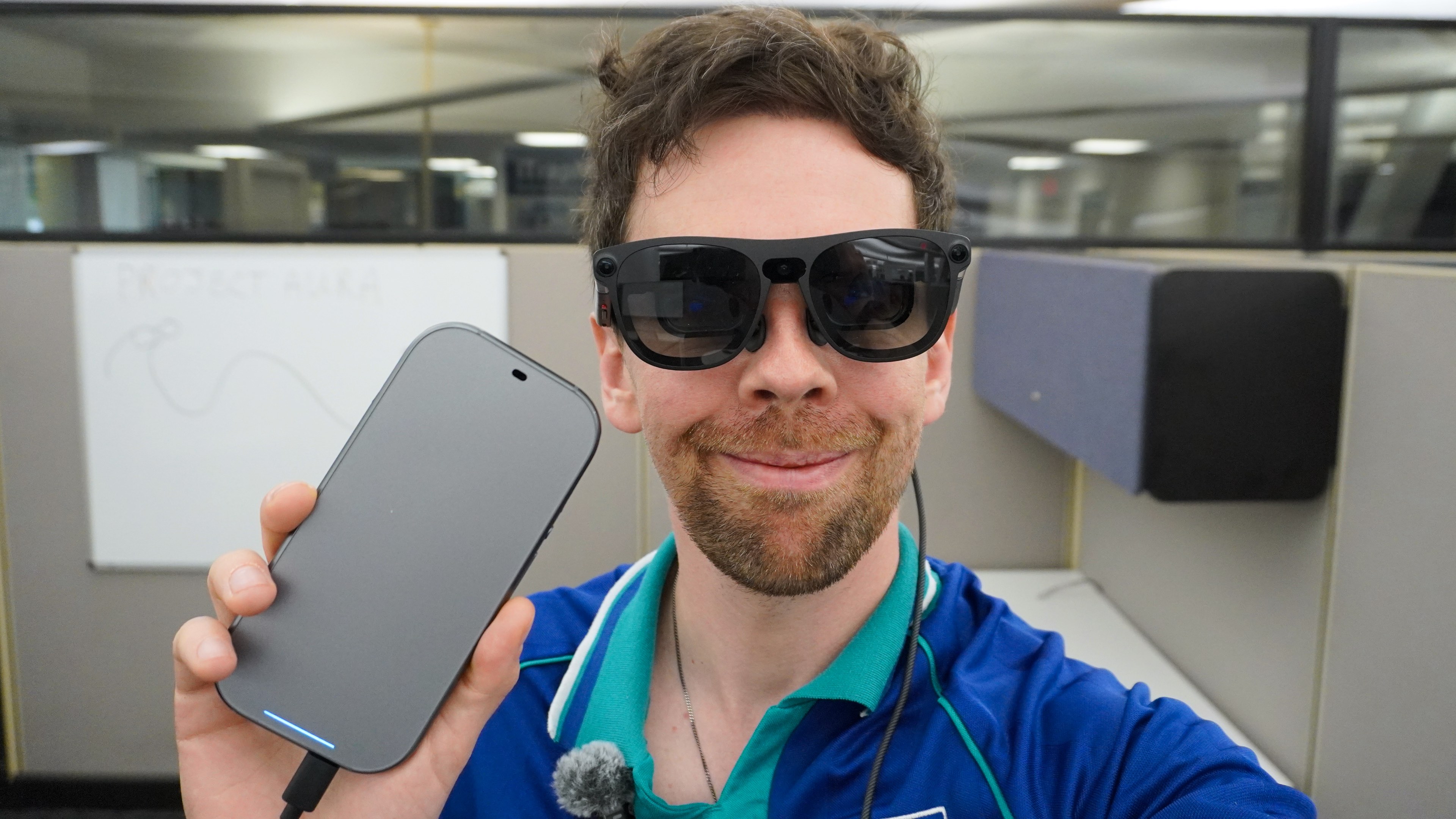
So it got me thinking... If there's a new chip, what will that new chip be? And I turned my attention to the Snapdragon XR2 Gen 2, which has been around for a good couple of years now. Throw in a couple leaks of a so-called "Project Matrix," and I'm getting Gen 3 vibes — both to power the Snap Specs and possibly inside that Project Aura compute puck too.
Again, this may just be a wild prediction I've had since a few months back that will get shot down. But with the new crop of devices coming this fall, it feels like the right time to speed up that performance and beef up the power efficiency.
The smart glasses war starts to heat up
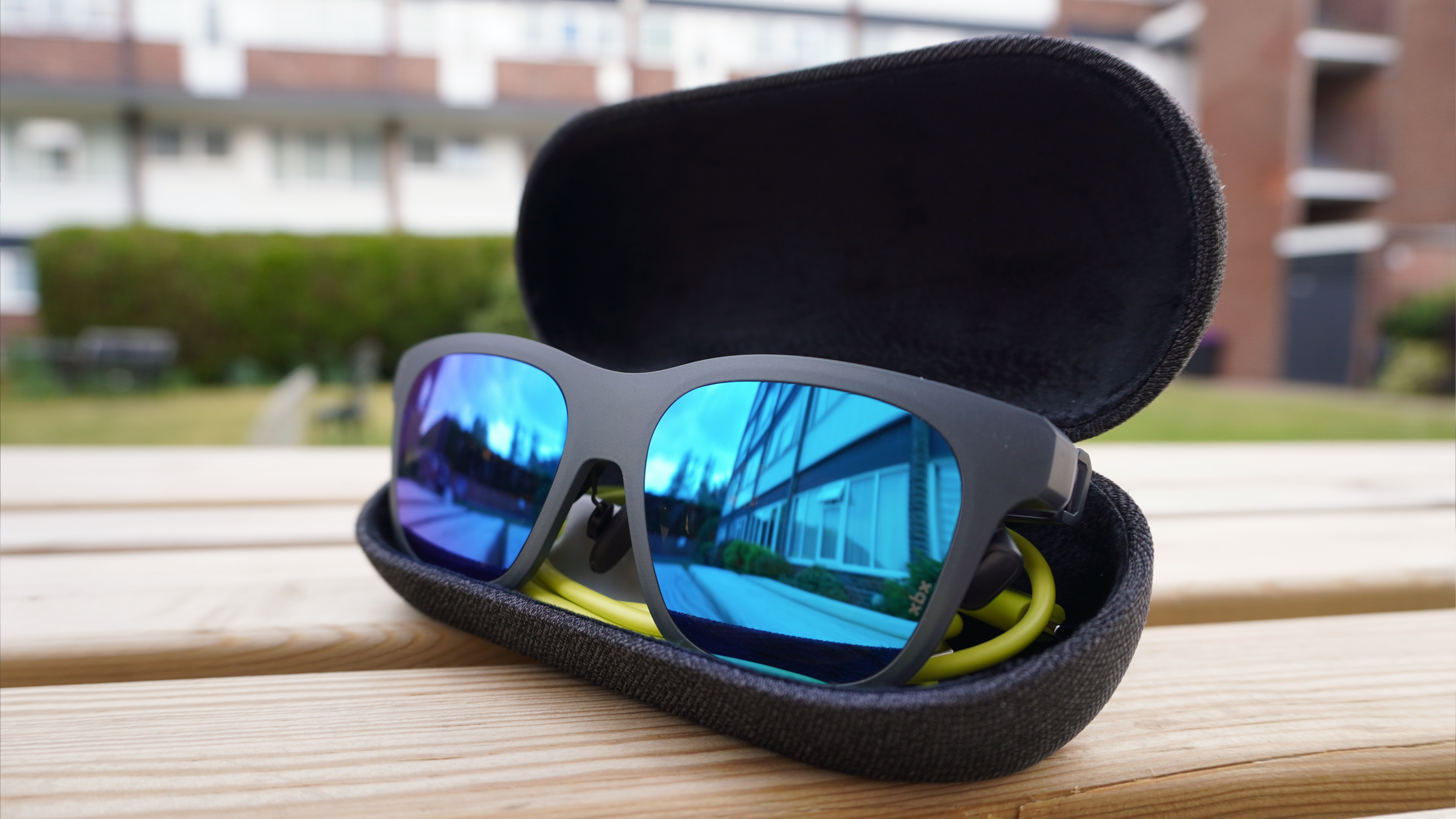
On the AR glasses side of things, the battle has heated up to the point where lawyers got involved! Viture and Xreal have been trading blows at the cutting edge of innovation — widening that field of view and offering more spatial experiences built right in.
But the next challenge is going to be one that the MacBook Neo spurred: value for money. So far, RayNeo has dominated with its $299 Air 4 Pro AR glasses, and we already know Xreal is responding with its same-priced X By Xreal specs. Will this be the moment we see a first glimpse of how Viture could be responding?
And it doesn't matter who comes out on top because at the end of the day, we win. These companies duking it out and offering more bang for your buck is great for us!
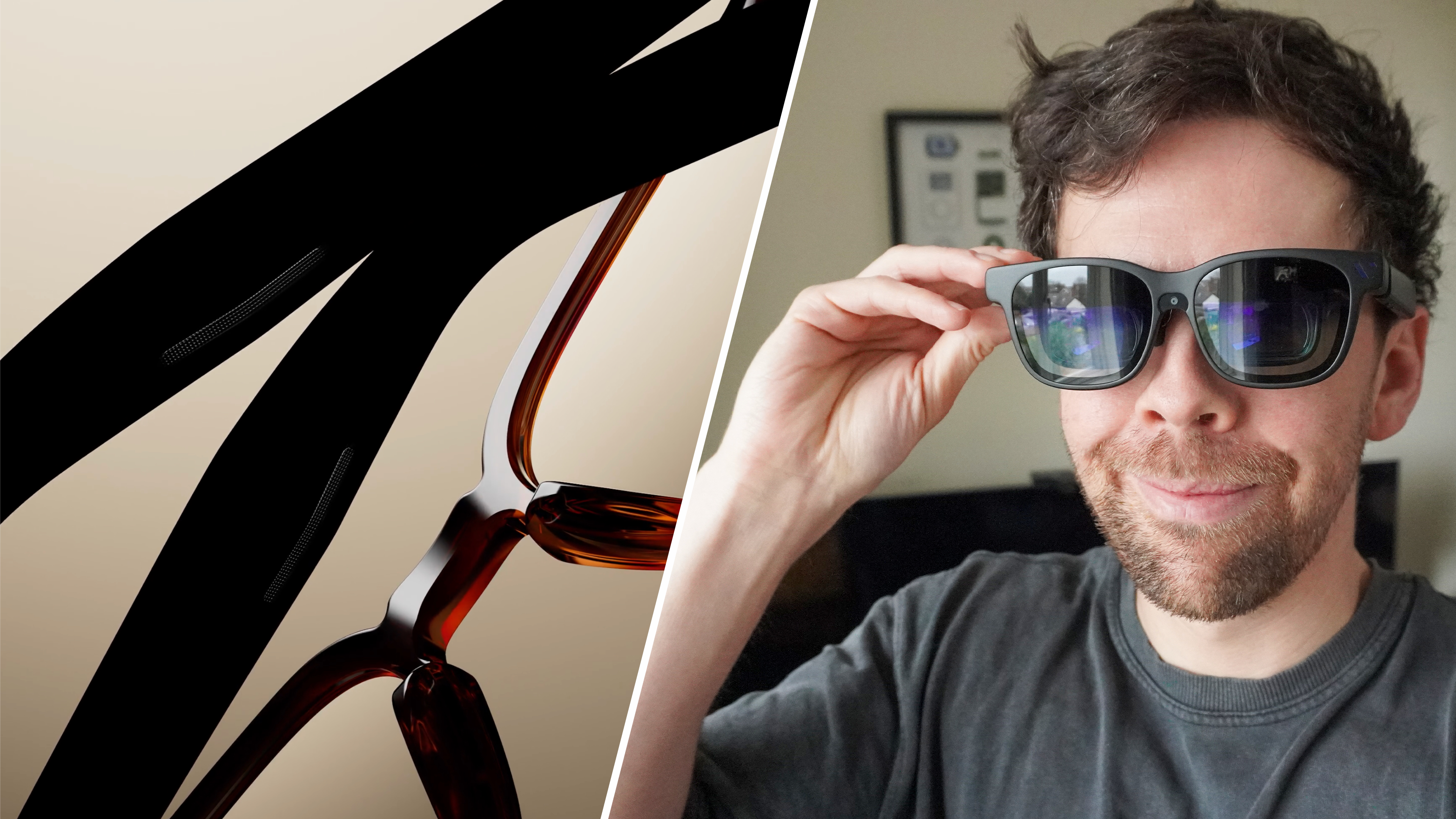
Then there's the AI glasses side of it... Over on this side of things, we're heading in two clear directions, and it'll be up to us to decide which one wins with our wallets:
- All-encompassing agentic AR: Qualcomm's super strength is having a chip in pretty much every kind of device you use. This kind of data grabbing is significant in personalizing an AI and getting it to do work for you, which you can see on a heads-up waveguide display in front of you. Throw in multi-modal capabilities with a camera, and the possibilities are huge!
- Making smart glasses less cringe (and creepy): Conversely, especially with Meta silently adding facial recognition code to its smart glasses , you're seeing increased (and very genuine) worries that we're about to enter Black Mirror-levels of surveillance and privacy invasion with something like this. So other companies are aiming for something more focused, simpler, and with privacy in mind (like Vonder ).
Outlook

If these three things happen (and that's a big if), then we may be on the precipice of starting to see spatial computing make sense as the new way of doing things. So far, it's been a nice-to-have — a fun way of messing about with your apps.
But things could very well change with new hardware running new silicon and innovations from smaller players with big ideas. It's one of the reasons why I love covering this exciting space.
Will it all be enough to outrun Apple to its first smart glasses (expected early 2027)? That remains to be seen.
More from Tom's Guide
- I lived in the Viture Beast for 10,000 miles, and it just ruined other AR glasses for me
- I flew over 10,000 miles with Asus ROG Xreal R1 smart glasses — here are 2 things I love about them (and 3 I don’t)
- I tested Google’s “Intelligent Eyewear,” and found the smart glasses that will defeat Ray-Ban Meta