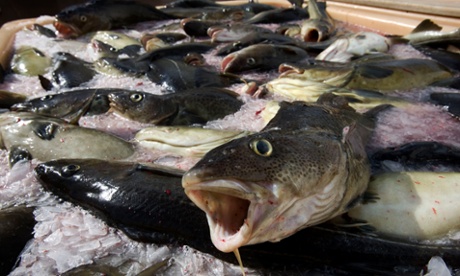
Fisheries come under more pressure than almost any other food system on the planet. But as Iglo Group, purveryor of frozen food, has proved, fisheries, when sustainably managed, can be a healthy and renewable food source.
The story of Birds Eye fish fingers illustrates the work Iglo has done over the past two decades.
In 2006 Birds Eye – one of Iglo’s brands – launched an Omega-3 fish finger made from Alaskan pollock, challenging the prevailing market belief that UK consumers would only eat cod fish fingers. Within a year, 78% of consumers had switched to the new product, reducing Birds Eye’s annual cod catch by 1.5m fish. Still the largest ever branded launch of a sustainable fish product, the move was praised by the World Wide Fund for Nature (WWF), the media and Greenpeace.
Eight years later 75% of Birds Eye fish was certified by the Marine Stewardship Council (MSC). By the end of 2015 all of Iglo’s certified fish products across the EU will feature the MSC ecolabel alongside the company’s new sustainability branding, the Green Captain.
This will make Iglo the largest user of MSC-certified fish in Europe, and show consumers that the fish they’re buying has been sourced from well managed and sustainable fisheries.
One of the founding members of the MSC, Iglo goes well beyond buying fish from sustainable sources, getting involved in the development of standards and working with fisheries to make them happen. As MSC’s global director, Nicolas Guichoux, says: “Iglo is … helping to catalyse real and lasting change in the way our oceans are fished.”
By taking a lead in industry alliances, Iglo has played a part in a reform of the Common Fisheries Policy, to stop overfishing, and helped bring about the MSC certification of three Baltic Sea cod fisheries and the Okhtosk Pollock fishery, one of the world’s largest fisheries.
As a result the availability of sustainable white fish in the marketplace has increased significantly – when Birds Eye reintroduced MSC cod and haddock fish fingers to UK consumers, the volume went up by 24%.
It’s not easy meeting the robust MSC standard.
Food companies undergo an assessment tougher than any other in the food industry, which entails working with national and federal fishery science agencies, educating fishermen and long-term data collection to understand the wider implications of an ocean’s habitat. It also requires highly developed political and diplomatic expertise – skills not often associated with food certification.
Transforming the sustainability of fisheries demands a combination of deep expertise and an understanding of how to make natural capital projects in fisheries succeed. The MSC acknowledges it could not have achieved the growth in support for its programme over the past 15 years without Iglo’s leadership.
The scale of Iglo’s ambition for the sector impressed the Guardian judges who said: “The fishing sector is large and Iglo’s impact will see changes in how the entire industry evolves.”
”