Tony Hall is set to retire as BBC director-general in 2017. That’s three years before David Cameron’s due Downing Street leaving date. But though political correspondents – including the BBC’s Kuenssberg and co – speculate excitedly over George and Boris and Theresa, there’s been no matching frenzy about Danny, James and James. Which is perhaps just as well, because Danny is scratched, James the First is probably nobbled – and the process of BBC succession itself is a mystery-cum-enigma with strong shambolic tendencies.
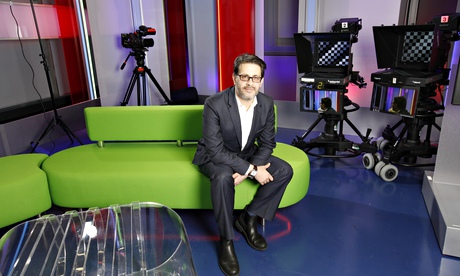
Danny Cohen, the corporation’s director of television, has long looked the DG contender to watch: barely into his 40s, upwardly mobile, boasting a great commissioning record. So why on earth, with eyes turned speculatively towards the US cable scene but no settled job to go to, should he suddenly decide to walk away? Perhaps a polite matter of push and shove, reasons unspecified? That’s always a speculation when the next move hasn’t been fixed. But let’s stick with the official BBC version that Danny thinks eight years of exalted service enough and wants to try something new - because that is pretty grey news too.
Seemingly the prospect of leading the BBC into the 2020s isn’t enough for a talented guy who sees little but cuts and hard cheese ahead (plus – after Clarkson and that much overblown luvvies’ letter of support – a constant deluge of attacks, from press to parliament). Who needs the grief when Netflix or Amazon have open chequebooks and open minds?
It’s a pretty bleak analysis. There, poised on the executive board, were three frontline candidates: Cohen, James Purnell, head of strategy, and James Harding, head of news. But Danny is departing, Purnell is a former Labour cabinet minister in a majority-Tory era, which only leaves Harding in the running. And meanwhile the quagmire of a selection process – a crucial matter of diligent procedure – grows muddier with every passing month.
The general election got in the way of charter renewal negotiations – and has loaded them with threat and portent after George Osborne staged his OAP licence fee raid. The BBC Trust is doomed. Will it be replaced by Ofcom regulation or by the creation of some independent Ofbeeb construction? In which case, who’ll anoint the next leader? Presumably there’ll be a much enhanced unitary board with a powerful non-executive chairman (replacing Hall) as well as a raft of great and good non-execs. But who’s choosing who in this obscure new world?
The government has already picked Ofcom’s leadership team (though that would need much scrutiny and probably revision before taking over full BBC supervision as well). The government would choose the boss of Ofbeeb as well as the new non-executive chairman of the unitary board. (Two strikes for Dave and George, not just one.) Such doubling up surely also goes for all the Ofbeebies (just as it does now for all trustees) and for all unitary board non-execs. Independence? In theory, of course: but John Whittingdale at the media ministry will run things before sending up names for Dave to ratify – and the normal rules of Yes, Minister apply. No one, in short, can tell who’ll be making or ratifying the appointment, or which chairman of which body, appointed by what means, will be making that call.
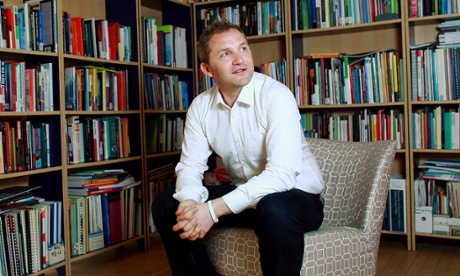
No wonder Cohen didn’t want to stick around to find out. No wonder that even asking the 2017 question shows how time is running out fast. No wonder finding strong new leadership for the corporation is a problem without an answer. I know Harding’s news performance has many fans. I now Tim Davie at Worldwide is an admired managerial talent – even if he did start life as a marketing man at PepsiCo. I know that there are crisp commissioners out there in the wide blue yonder, like Jay Hunt at C4. But I also know that you can’t run a horse race without a course, a distance or an entry system – let alone attract the right field for what ought to be the Great British Creative Turn On.
■ There should be no “persistent pursuit” of news-makers, according to clause 4 of the editors’ code; no “hidden cameras or clandestine listening devices” or “subterfuge”, according to clause 10. And then, last week, there was the death of the wonderful TV reporter Sue Lloyd-Roberts – dogged in pursuit of a story, resourceful in her use of hidden cameras and subterfuge. She was brave, cool, passionate and brilliant, the classiest act in town. And – oh yes! – those clauses have a “public interest” exception: and Sue Lloyd-Roberts was the public interest incarnate.
■ Click away “41 WTF cat pictures that will make you laugh” and other BuzzFeed basics. Now (as a result of deep top-board brooding) we’ll be fed native political ads (advertorials) as well. Here come “37 Labour embarrassing U-turns that will make you weep”, “27 Tory promises they couldn’t keep” and “56 SNP stalwarts who pour unfairness on their porridge”. It’s a ripe enough revenue field. Not as cuddly as wee pussies, perhaps, but infinite in its possible duplicities. And nobody needs to worry much about native-ad-stretched truth either, because, after all, this is politics.