The word photography has a literal translation of ‘drawing with light’, coming from the Greek words phos (light) and graphe (drawing). So it’s perhaps no surprise that I’m making the case that lighting is more important than camera kit or skills, when it comes to landscape photography.
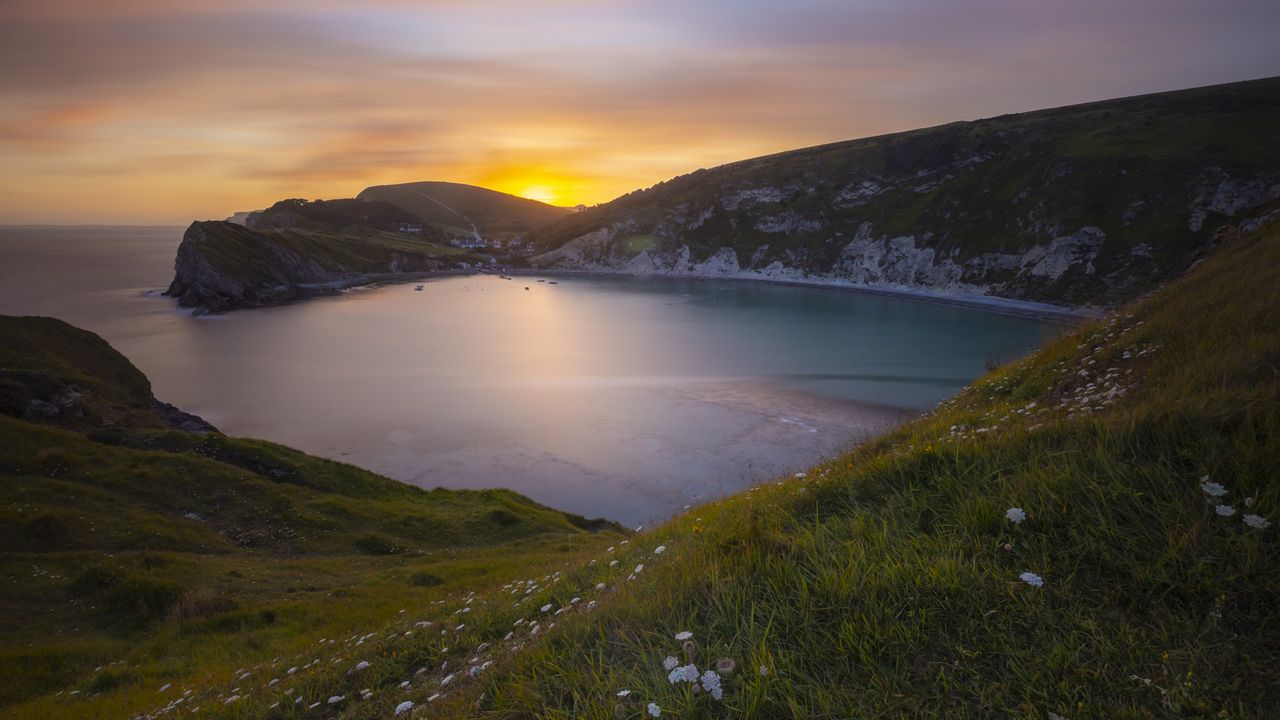
For landscapes, I’d argue that an expensive new lens will have a negligible effect on your shots (unless you’re specifically looking to shoot ultra-wide, telephoto or with a tilt-shift lens to fix vertical lines). However, what is completely free and has a massive impact on your shots is the light, weather and time of day – and even time of year.
Upgrading a kit lens such as an 18-55mm f/3.5-5.6 to the legendary 24-70m f/2.8 we've all dreamt about will no doubt produce better image quality, along with offering weather-sealing and a wider constant aperture.
But planning your shoots around the light and weather can have much more interesting results on your photos. I’ve also found many kit lenses like my Canon EF-S 18-55mm f/3.5-5.6 IS STM lens to actually be pretty tack sharp – ideal for landscapes with a deep depth of field.
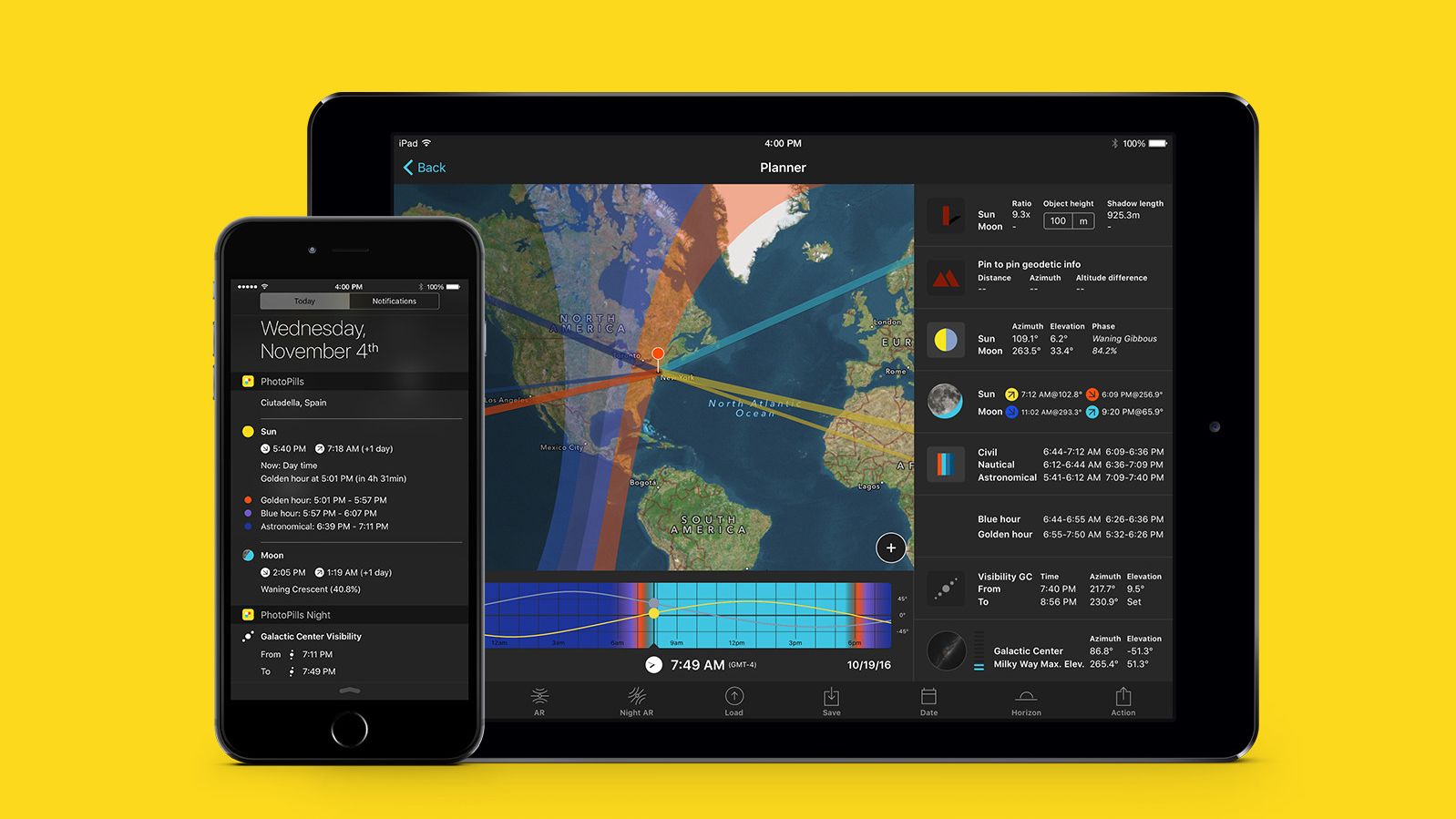
I like to use the PhotoPills app to plan shoots – it’s brilliant for showing the direction of the sun throughout the day, so you can plan where you need to stand at any given location for the light to work for you.
You could choose to shoot towards the sun for loads of flare and directional lighting, and shooting in the golden hour (the hour before sunset or after sunrise) will produce wonderful golden tones, too. Alternatively, you could shoot with the sun at 90º to your subject for dramatic side lighting – or with your back to the sun for front-lit landscapes.
The AR (augmented reality) mode in PhotoPills enables you to use your smartphone’s camera and point it at your landscape. It then shows you where the sun will be in your frame at different points throughout the day – handy if you’re trying to include the sun in your composition, or need to know precisely when it’s going to pop up above the horizon.
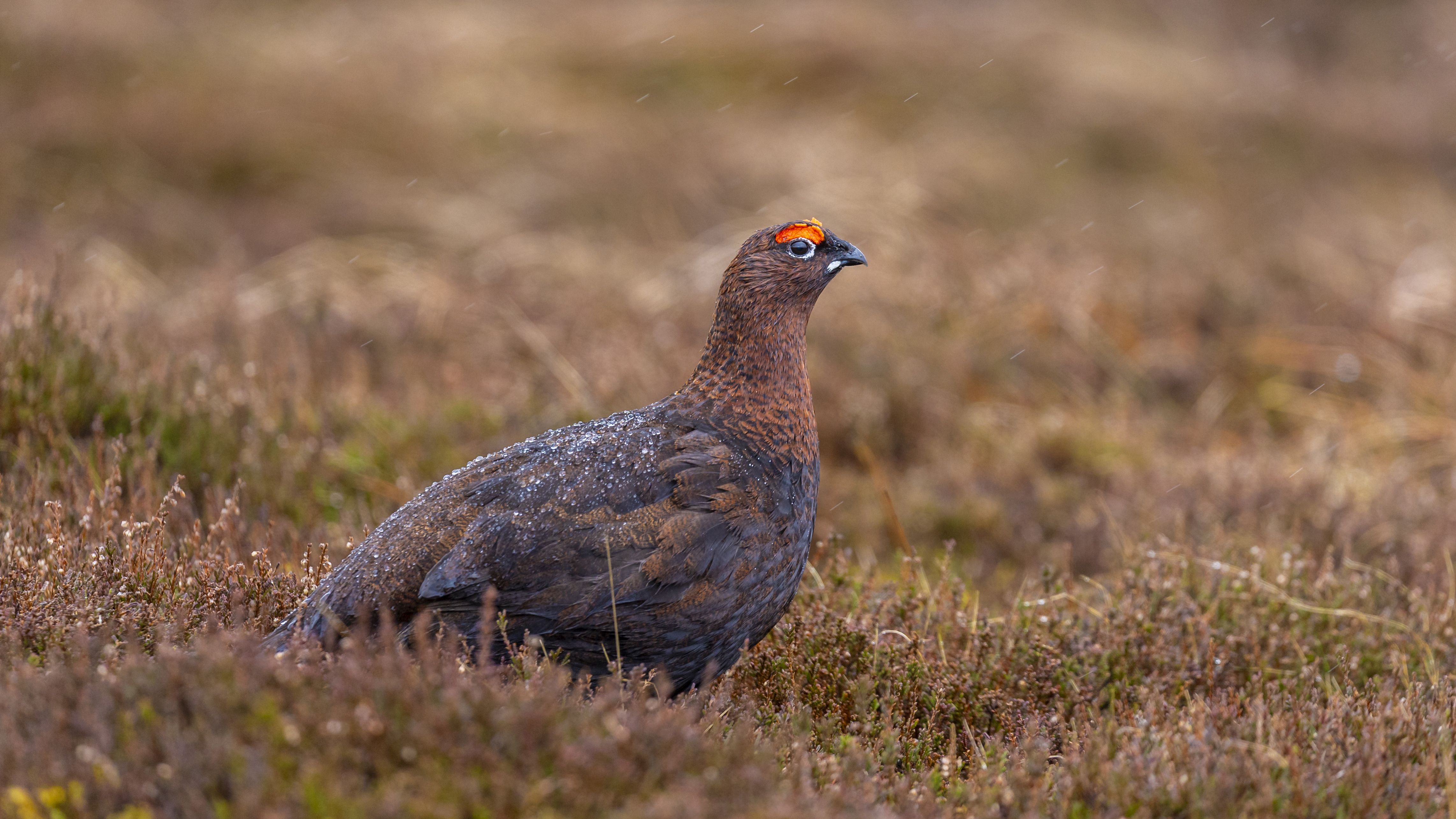
Don’t just shoot landscapes in bright sunshine, though; getting out regularly in all weather conditions is a great way to add variety to your portfolio.
Rain adds atmosphere, moments between showers produce radiant rainbows, and while you of course need to be very careful about shooting in thunderstorms, lightning strikes can show nature with all its raw power.
So, while a new camera or lens can open up new creative possibilities, don’t feel that this is essential to taking better photos. There’s plenty you can do with the basic kit you already own, such as shooting in different weather conditions and throughout the seasons, which can all help you achieve a diverse bank of images.
If you’re on a tight budget, have fun getting creative with the gear you have – and persevere in weather conditions that others probably wouldn’t brave, so you end up with landscapes that stand out from the crowd.
You might also like…
Take a look at the best cameras for landscape photography and the best lenses for landscapes.