
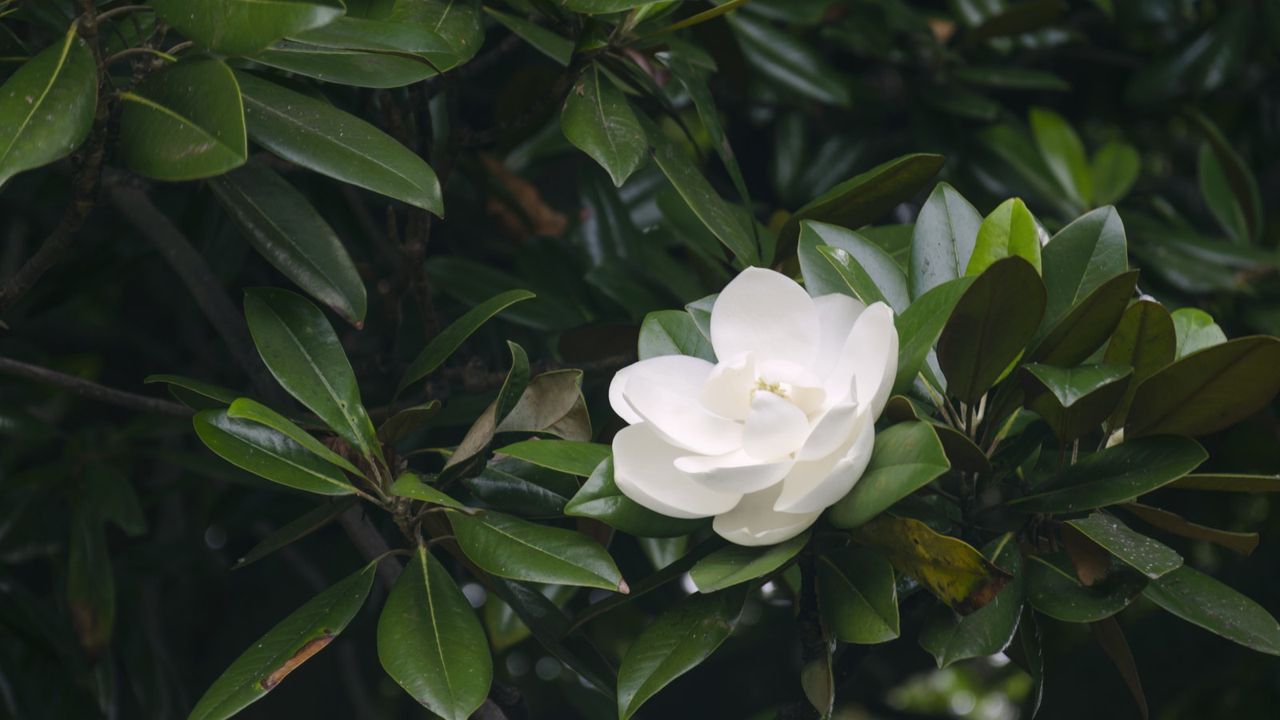
The last Friday in April is National Arbor Day; it is a perfect time to plant a tree. It is an ideal moment to add a low-maintenance tree with fragrant flowers that supports pollinators and wildlife in your garden. So let me introduce you to a sweetbay magnolia.
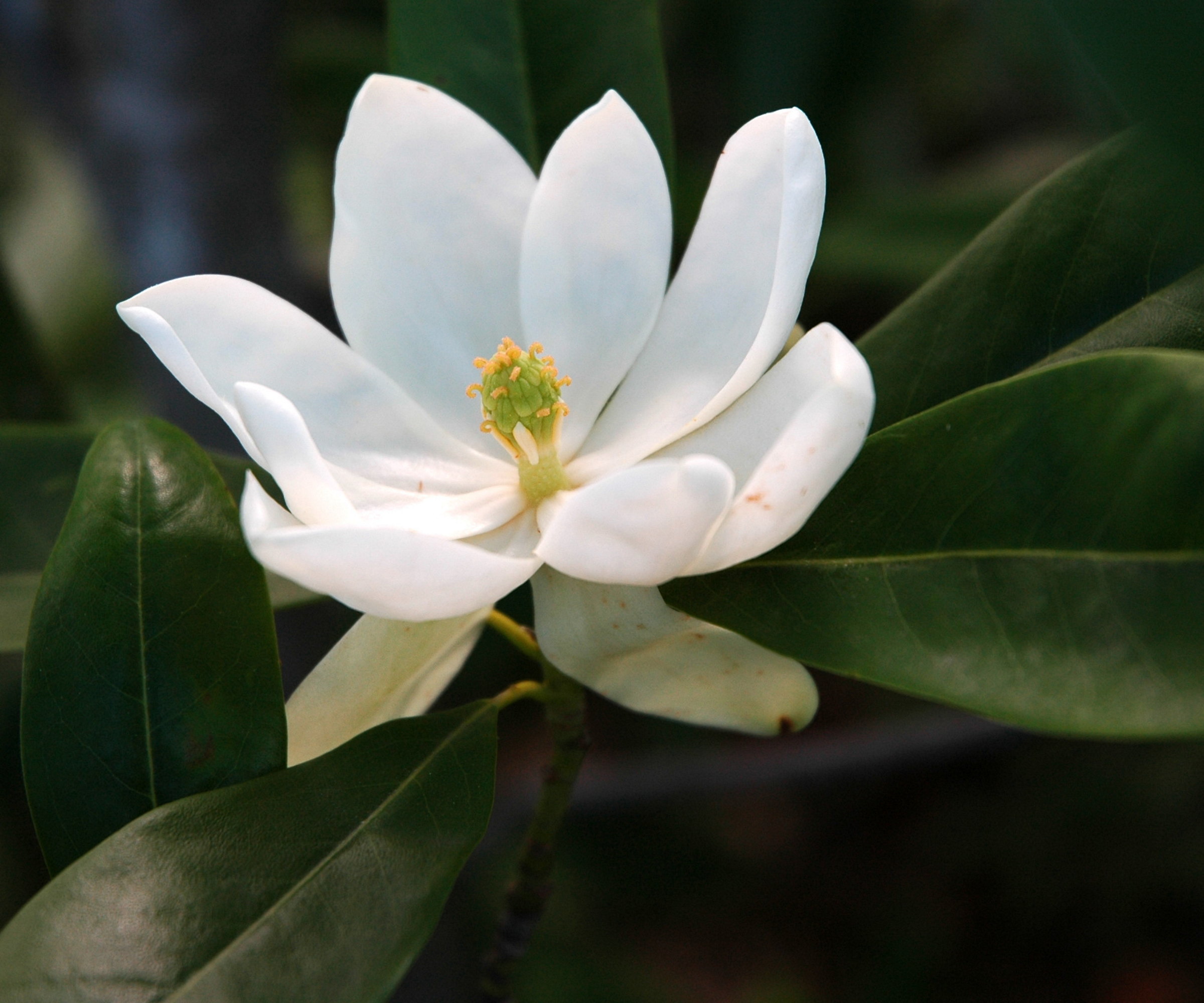
With citrus-scented white flowers that pollinators adore, and fruits and seeds that provide food for birds, this compact native tree is perfect for any wildlife garden. It is impressively flexible and can be grown in full sun or partial shade and is more tolerant of wetter conditions than other magnolias.
To extol the virtues of a sweetbay magnolia tree, I spoke to specialist horticulturists who believe this easy-to-grow addition is the perfect choice if you want a tree that brings together wildlife value, fragrant blooms, and low maintenance. (And you can find live sweetbay magnolia tree from the Arbor Day Foundation store at Amazon)
What is National Arbor Day?
National Arbor Day is celebrated annually on the last Friday in April. It encourages people to celebrate and plant a tree on this celebratory day.
Across the US, trees are planted in parks, schools, and streets to celebrate National Arbor Day.
It is also a perfect time for homeowners to plant a tree, and what could be better than a native tree like sweetbay magnolia?
Why Plant a Sweetbay Magnolia?
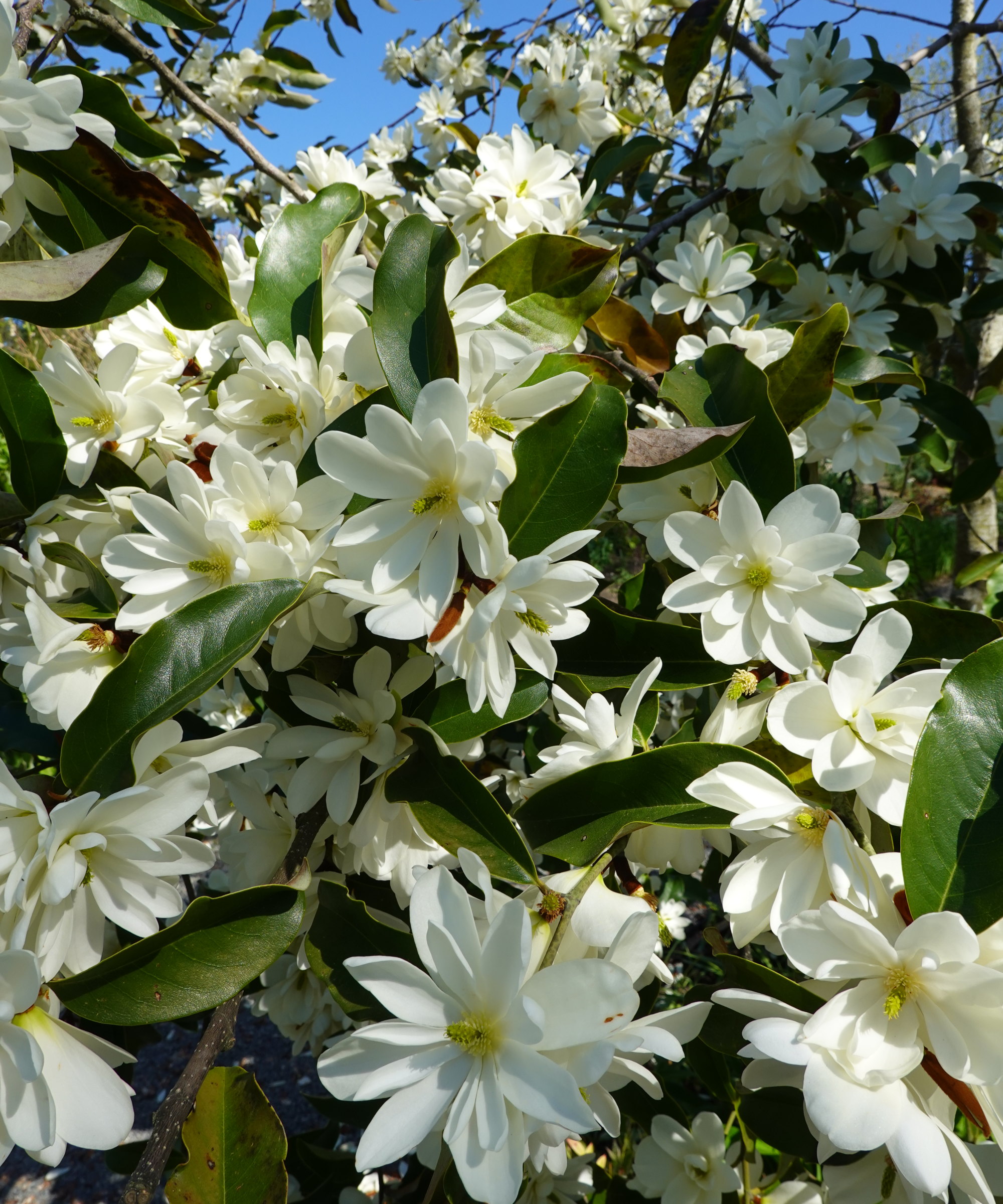
A sweetbay magnolia (Magnolia virginiana) is native to the coastal plains of the eastern US and can be either evergreen or deciduous, depending on climate. When you plant this magnolia tree, it will be evergreen in milder climates (US hardiness zone 7 and above) and deciduous in colder locations.
It can be grown as a large shrub or small fragrant tree, making it a flexible choice for landscapes, and, due to its common habitat in shaded woodlands and swamps, it is tolerant of wetter sites.
A sweetbay magnolia produces fragrant, creamy white flowers in late spring and early summer. The flowers are fleeting, each lasting for only a few days, and Sharon Yiesla, Plant Knowledge Specialist at The Morton Arboretum, says the timing of these ‘lemon-scented’ flowers makes a sweetbay magnolia perfect for milder climates.
‘A sweetbay magnolia flowers a bit later than other magnolias, in mid-June in the Midwest, which means we get to enjoy its flowers longer as they won't be lost to frosts and freezes,’ she adds.
The flowers, which open and close each day, support many pollinators. The tree makes an ideal addition to a bustling wildlife garden, providing food for many local wildlife species throughout the year.
Ana Herrera-Ruiz, Director of Buildings, Gardens & Grounds at DC’s Historic Tudor Place, highlights: ‘Sweetbay magnolia supports pollinators such as bees and beetles, while its seeds provide interest for birds later in the season.’
Songbirds and squirrels are also attracted to the small fruits, while the tree offers valuable shade and nesting spots for birds.
Sweetbay magnolia is also perfect for a butterfly garden, as it is a host tree for swallowtail butterflies.
You can get a live sweetbay magnolia tree at Fast Growing Trees
Where to Plant a Sweetbay Magnolia
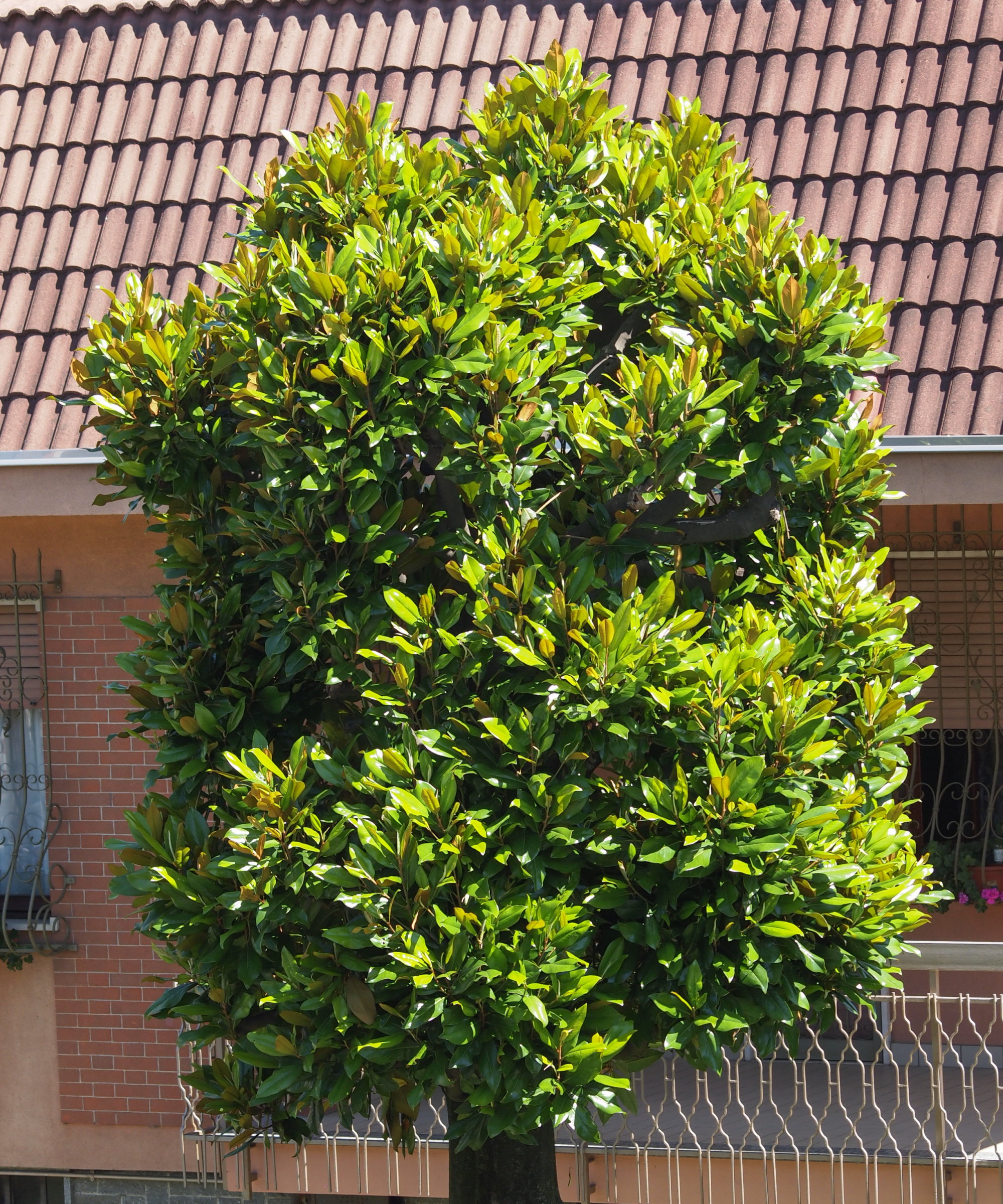
A sweetbay magnolia is adaptable and easy to maintain. Ana Herrera-Ruiz says it ‘thrives in full sun to partial shade’ and performs best where it gets six hours of sunlight a day.
The tree can tolerate as little as four hours of light daily, but the more sun it gets, the more flowers there will be for you and the wildlife to enjoy.
The flowering tree likes moist, well-drained soils. It can tolerate wetter planting conditions than other magnolias and prefers a slightly acidic soil with a pH of between 5.5 and 6.5. A simple soil test (you can get a soil test kit at Amazon) before planting will reveal whether the ground conditions suit a sweetbay magnolia, or if you need to amend the soil to make it more acidic.
A sweetbay magnolia can reach 10-20 feet tall and wide. It grows at a slow pace, but it does need room to develop.
As Katie Watkins, a certified arborist for Miller's Tree Service, advises. ‘To keep it performing year-to-year, you’ll need to plant it with plenty of space for the roots and stay consistent with watering during the first year.’
How to Care for a Sweetbay Magnolia
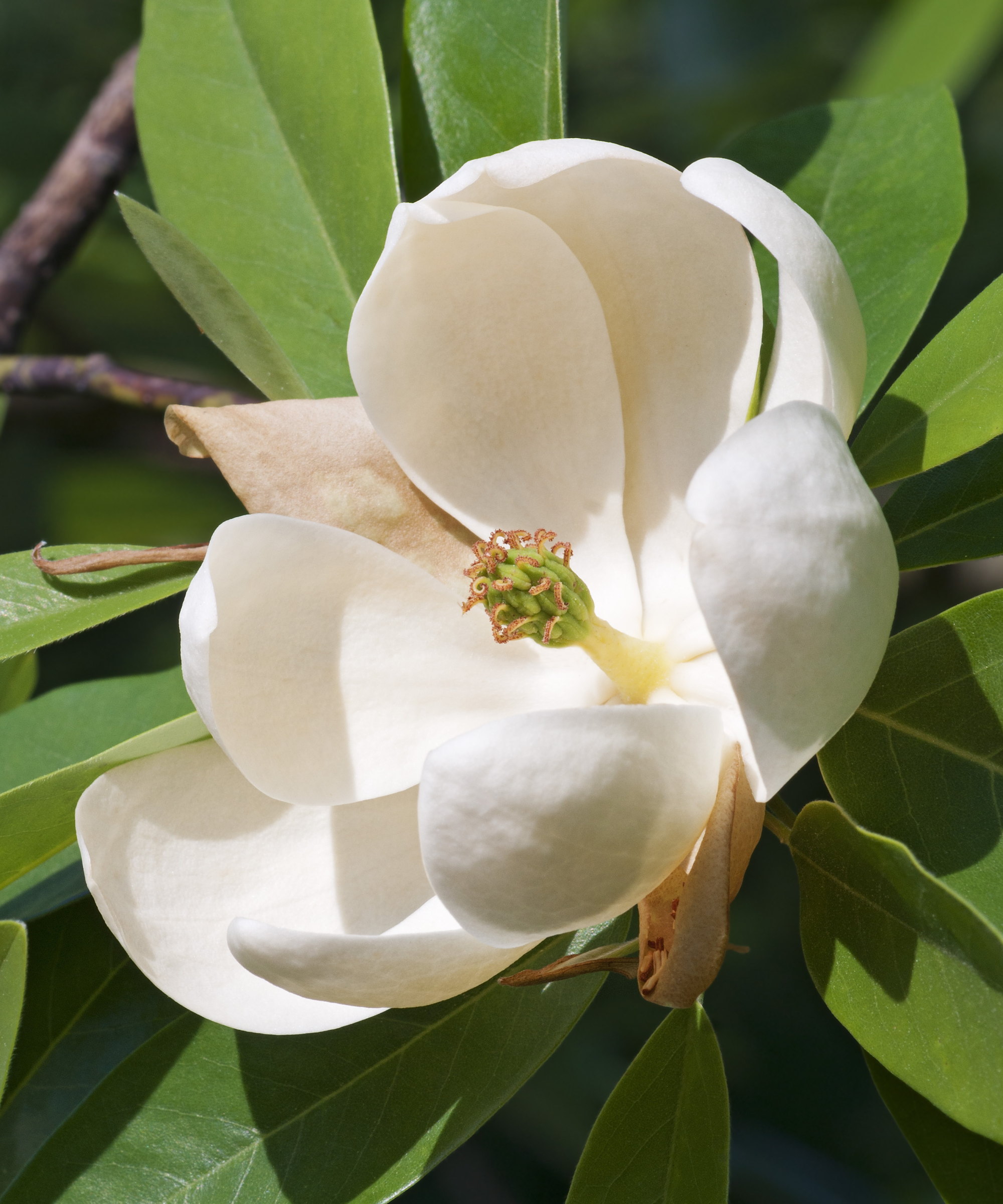
As well as its flowers and benefits to wildlife, another big tick in the box for growing a sweetbay magnolia is that the tree is low-maintenance and fairly drought-resistant once established.
‘What makes a sweetbay magnolia especially valuable in both residential and historic landscapes is its relatively low-maintenance nature,’ says Ana. ‘Once established, it requires minimal intervention beyond routine care and adapts well to partial sun and varied soil types.’
Typical sweetbay magnolia care includes regular deep watering during establishment and during extended drought periods. The tree can tolerate periods of wet soil and drier weather, but the ground shouldn’t be allowed to dry completely for extended periods.
The tree doesn’t need regular fertilizing, but will benefit from mulching with organic matter annually to retain moisture in the ground and keep the soil healthy.
Ana adds that ‘minimal pruning’ is required for shapely, healthy trees. ‘Focus on removing dead or damaged branches to maintain structure,’ she explains.
A sweetbay magnolia tree tends to be hardy to the US hardiness zones 4-10. However, Sharon Yiesla recommends ‘some winter protection’ at the lower ends of its tolerance, as well as avoiding windswept winter planting sites.
The specialist recommends ‘Moonglow’ sweetbay magnolia for gardeners in colder climates, as she says: ‘This cultivar is more tolerant of cold and can retain some of its semi-evergreen foliage more successfully in northern climates. The habit is more upright, and the flowers are slightly larger than the species.’
You can get a ‘Moonglow’ sweetbay magnolia at Nature Hills.
FAQs
What Is the Lifespan of a Sweetbay Magnolia?
A sweetbay magnolia tends to live anywhere between 50 and 130 years, depending on the conditions.
How Far Apart Should I Plant Sweetbay Magnolia?
A sweetbay magnolia grows to 10-20 feet tall and wide, but is capable of having a spread of 30 feet. It is advisable to plant them at least 20 feet apart, and the same distance away from houses or other structures.
A garden spade is your go-to tool for planting trees. This one is strong and durable, with a stainless steel head and a hardwood handle to last any gardener for years.
Amend any soil for the better by mixing in compost to boost soil structure, water retention, and nutrient levels. Incorporate this into the soil before planting any trees.
If any tree or shrub in your garden needs a boost, these pre-measured fertilizer spikes can be hammered into the soil to provide essential nutrients.
If you aspire for a garden full of trees that attract and supports lots of wildlife, there are trees suitable for spaces of all sizes. Our guide to the best trees for wildlife highlight 10 great candidates that can provide food and shelter for wildlife, and color and texture for you to enjoy
Love inspiring garden ideas, outdoor advice, and the latest news? Sign up for our newsletter and get the latest features delivered straight to your inbox.