Back in July, our government introduced an electric car grant, saying it was “making it easier and cheaper to own an electric vehicle.”
Just over three months later, it could be about to make EVs a whole lot more expensive.
If reports are to be believed, the upcoming budget is set to announce a consultation on adding a three pence per mile levy on EV drivers to make up for a shortfall in revenue from fewer people filling up with fuel. Treasury predictions show a potential gap in revenue of as much as £12bn a year due to less petrol and diesel being sold.
It looks like a government giving with one hand and taking away with another. I – and plenty of consumers – are scratching our heads wondering what on earth is going on.
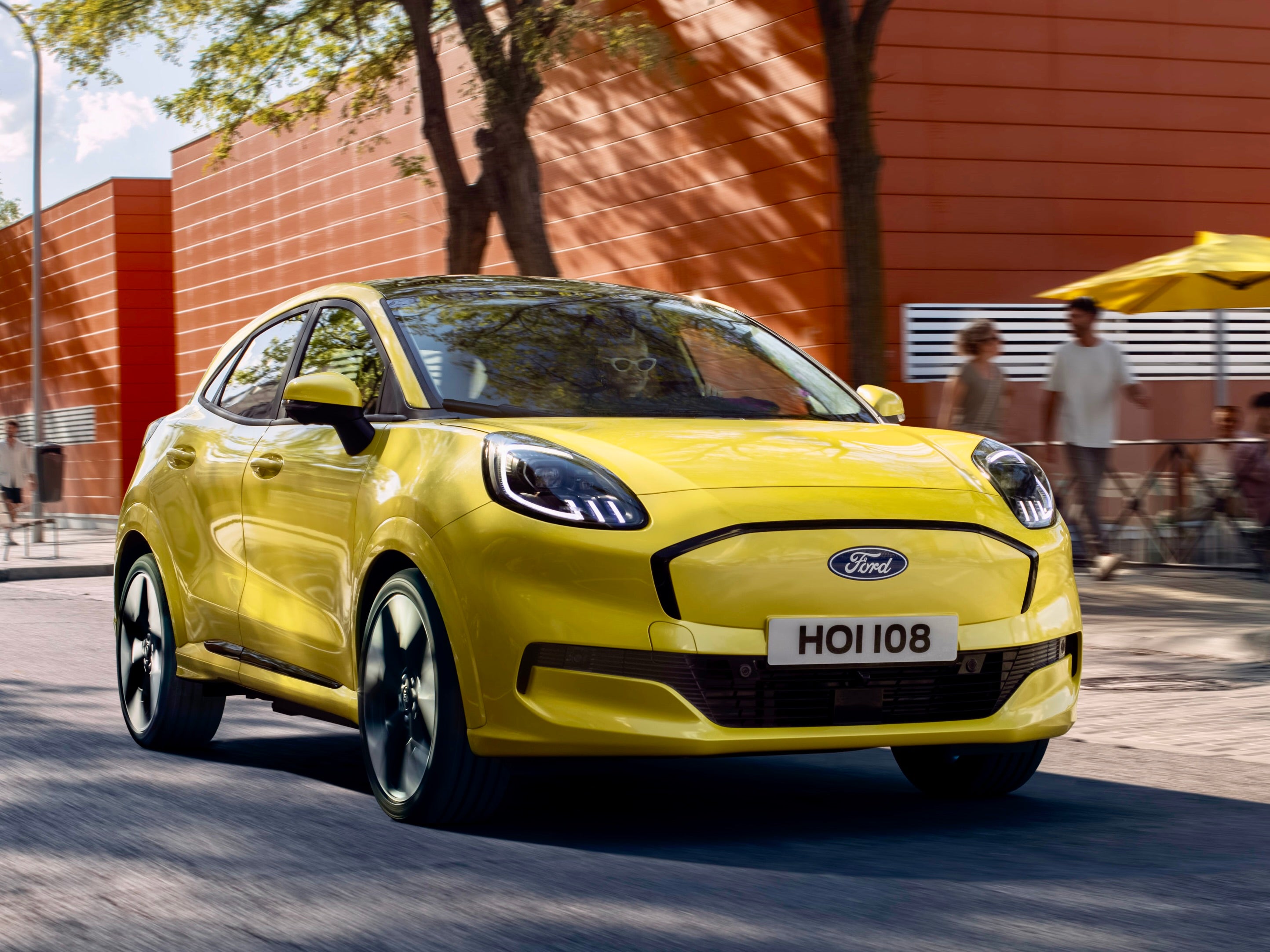
The car industry is equally confused, with a spokesperson for industry body SMMT saying “this would be entirely the wrong measure at the wrong time”.
Polestar UK boss Matt Galvin went further, telling us, “It is farcical that fuel duty on cars burning petrol or diesel, contributing to respiratory diseases, has not been raised since 2011, 14 years ago.
“Our government should not be taking their focus off de-carbonising our roads, and this is a huge step backwards during a cost of living crisis, reducing confidence for many looking to switch.
“This is clearly a confused message from the government, on one hand recently incentivising the move to zero emission driving with the electric car grant and on the other planning to take this away with tax rises.”

Although the Electric Car Grant (ECG) was welcomed back in July, it was a surprise. Industry folk will be more polite, but I understand there was no consultation with the car industry, no indication it was coming and no information on what the “Science Based Targets” actually were.
What I can tell you is that when I called one car company to ask them about the ECG hours before the announcement went live, they knew next to nothing about it.
The latest bafflement is the government announcing the second car to get the full £3,750 ECG, the Citroen e-C5 Aircross Long Range. That’s great new,s but call a Citroen dealer to ask about the car with the big grant and you’ll find that Citroen hasn’t set a price for that car yet.
I can imagine the scenes at Citroen HQ when someone from the DfT called to say they were making the announcement. A hastily worded comment from Citroen’s UK boss hides the panic that the company could be about to have a Long Range model cost pretty much the same as a ‘Comfort Range’ model because it gets a bigger discount.
That might not be the government’s problem, you might say, but at least give Citroen a chance to redefine its strategy and communicate that to its dealers who, in turn, will be answering questions from customers. That’s good business practice, surely?

Going back to the potential of a levy on EV drivers to cover that shortfall in revenue. This isn’t something that’s happened overnight – as well as the switch from petrol and diesel to electric, we’re driving considerably fewer miles than we used to.
According to government stats, 20 years ago we were driving 9,000 miles a year on average. Now that’s 7,100. Back in 2005 petrol car drivers drove 8,100 miles a year on average and diesel drivers 12,900 miles a year. Now that’s 6,200 and 8,300 miles. That means a lot less fuel is being bought.
This government has a roadmap towards carbon neutrality – that includes taking cars that emit carbon dioxide off the road and replacing them with models that don’t emit CO2. It’s not going to happen overnight, nor is it planned to. As I always say, the government target that 28 per cent of all cars sold this year should be battery electric also means that 72 per cent of cars sold can have internal combustion engines.
Electric vehicle uptake has not been as quick as the government would like. The way to increase that is two-fold: make them more affordable to entice people to make the switch and continue to make the alternative less appealing.
The government wants fewer people to smoke, so it increases the taxation on cigarettes and tobacco. If the government wants fewer people to drive CO2-emitting vehicles, increasing the tax on them will have an effect.
There’s also got to be a better system than self-reporting or taking pictures of your odometer and sending it to the DVLA, too. In this digital world, you should be able to do that automatically – and apply it and any costs to individuals, means testing if necessary, too.
What always impresses me about the car industry is the brilliance of the people that work it in, from the boardroom to the factory and showroom floors. There are some really clever brains that know how the industry works. My advice to government is to engage, listen, learn and then make a decision.
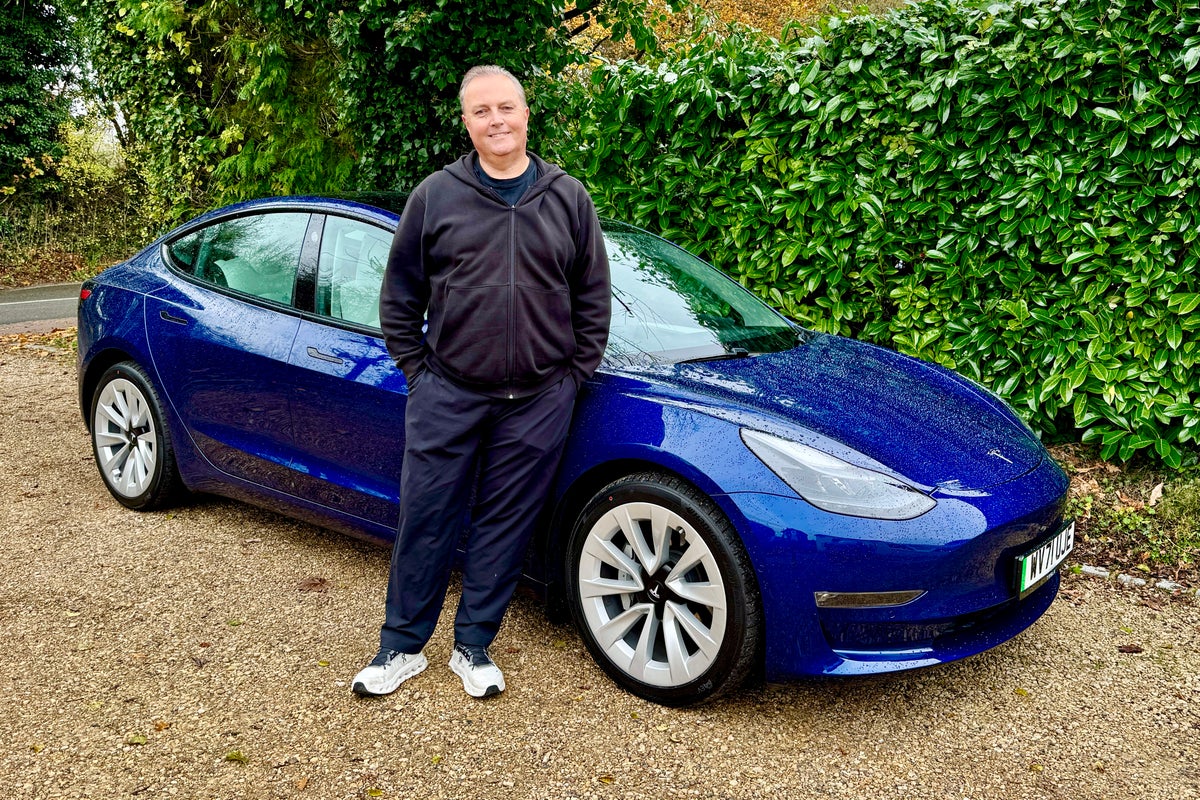
I might not be at that level of industry brilliance, but if the government wants to know what makes car buyers tick, I’m here to help – I’m an easy guy to find.