

Interesting and, in some categories, surprising news from Japanese photo industry body and data tracker, CIPA (the Camera and Imaging Products Association). Figures from the past few months tell of contrasting fortunes, with shipments of fixed lens compacts up by 30% year-on-year and those of DSLRs down by the same amount.
Yet the real surprise for 2026 is an expected slowdown for mirrorless cameras across all categories. Large, full-frame cameras are witnessing the greatest slump, with shipments down 11% since the start of the year.
So, have we fallen out of love with cameras that promise the ultimate in image quality? Have they become too big, too bulky, and too expensive for most? Or are photographers just perfectly happy with snaps from their compact cameras and camera phones?
Let’s not get carried away just yet. At the time of writing, CIPA is predicting mirrorless camera shipments from Japan for the whole of 2026 to be at 6.82 million units, compared to 7 million shipments last year. In seeing a modest 2.6% fall, it’s not like mirrorless is collectively going the way of the DSLR just yet – and, of course, predictions can be skewed.
But I reckon there could be a few factors at play here.
Firstly, there’s been a paucity of exciting new mirrorless models primarily aimed at photographers in 2026. In fact, the news has mostly been about cheap and cheerful point-and-shoot cameras from smaller market players, with some aping the screen-free analog experience.
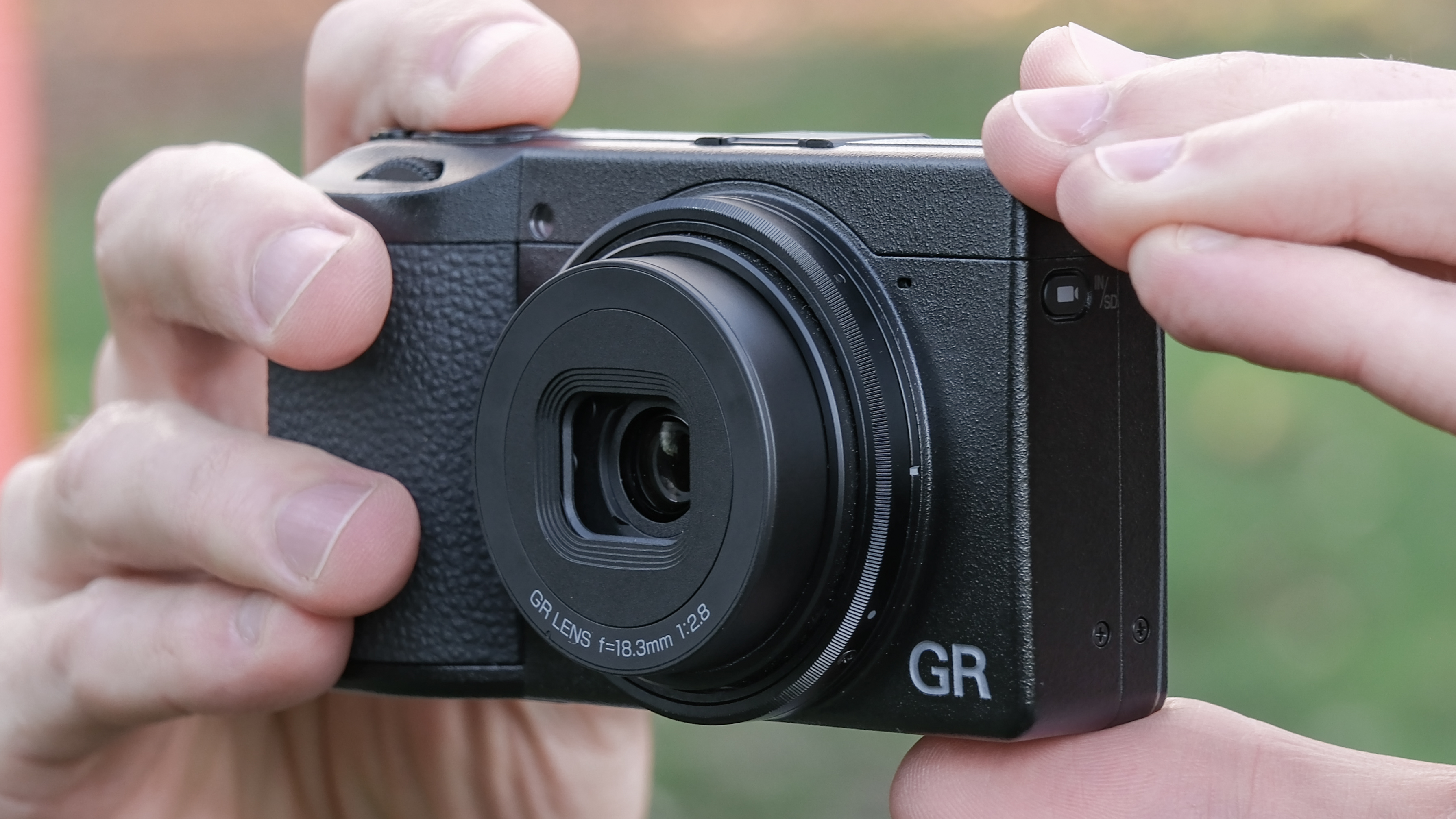
And then we’ve had flashier fixed-lens digital compact rehashes like the Panasonic Lumix L10, Ricoh GR IV and Canon PowerShot G7 X Mark III. So, I can see why shipments of fixed-lens compacts have been given a real boost; mirrorless not so much.
The other school of thought is that the mirrorless camera market is already saturated with options that are so good, there’s an argument to be made that their technology has peaked. Updates have certainly slowed greatly in recent years, with wholly new announcements being largely restricted to video-first models.
Next, as mentioned earlier, there’s the fact that mirrorless cameras are now a considerable investment. In a cost-of-living crisis, it’s no surprise that users are happy to hold onto existing models for longer.
Plus, many will feel that mid-range mirrorless models are so capable that the extra spend for a full-frame mirrorless is no longer justifiable. Hence, the larger dip in units shipped for that category.
Odd, yet interesting times, then. Five years ago, when mirrorless seemed unassailable, nobody would have expected that we’d see a surge in compact camera sales, which back then were ostensibly dead. But times change – and with them the camera industry, too.
You might also like...
See how the best DSLRs and the best mirrorless cameras stack up to the best compact cameras – including the best APS-C compact cameras and the best full-frame compact cameras.