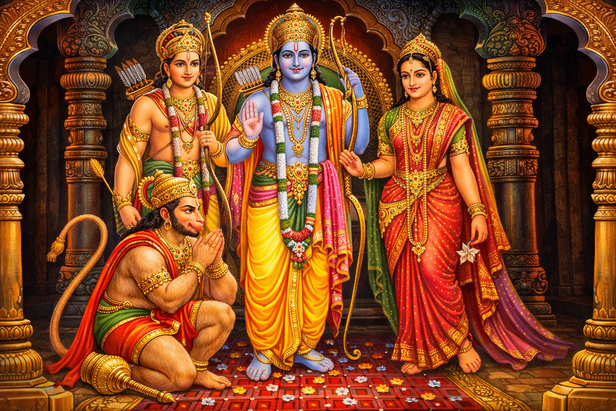
For thousands of years, the Ramayana has been one of the most influential stories in human civilization. Written by the sage Valmiki, the epic tells the journey of Lord Ram, his exile, the abduction of Sita, and the battle against Ravana. Many people today discuss the Ramayana as mythology, literature, or spiritual philosophy. Yet something fascinating stands out when we look beyond India.
The story of Ram did not stay within the borders of one land. It traveled across oceans, kingdoms, and cultures. Traders, scholars, monks, and storytellers carried the Ramayana across Asia centuries ago. Instead of fading away with time, the epic became deeply rooted in the traditions of several countries.
Temples, dance forms, royal histories, and festivals in different nations still celebrate Ram’s story even today. Each culture adapted the narrative to its own language and customs, but the central themes of courage, loyalty, and righteousness remained unchanged.
If the Ramayana were simply a forgotten legend, its influence would have disappeared with ancient empires. Instead, it continues to shape cultural identities across Asia. Here are five countries where the Ramayana still lives as a vibrant cultural tradition.
1. Indonesia’s living Ramayana through art and performance
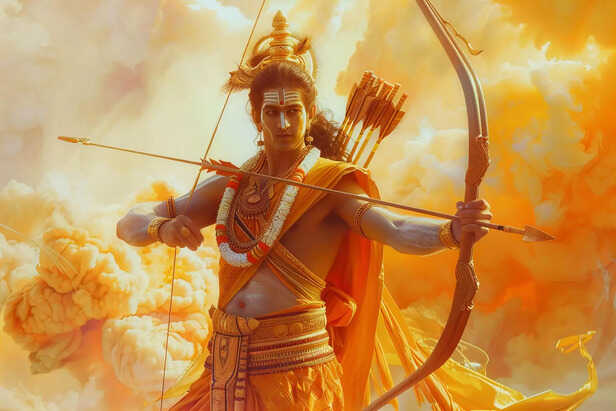
Indonesia may surprise many people because it has the largest Muslim population in the world. Yet the Ramayana remains one of its most celebrated cultural stories. The epic reached Indonesia more than a thousand years ago through ancient trade routes between Indian and Southeast Asian kingdoms.
In Java and Bali, the Ramayana is preserved through dramatic performances and traditional arts. The famous Ramayana Ballet near the Prambanan Temple tells the story of Ram and Sita through dance, music, and elaborate costumes. These performances attract thousands of visitors and continue to be staged regularly.
Another important tradition is Wayang Kulit, the Indonesian shadow puppet theatre. In these performances, leather puppets are used to narrate stories from the Ramayana while musicians play traditional instruments. For many Indonesians, the epic is not seen as religious property but as a shared cultural heritage that reflects moral values and timeless storytelling.
2. Thailand’s royal epic inspired by the Ramayana
In Thailand, the Ramayana evolved into a local version called the Ramakien. While the story has been adapted with Thai artistic style and cultural details, the central characters of Ram, Sita, Hanuman, and Ravana remain recognizable.
The Ramakien holds special importance in Thai history because it influenced royal traditions. Thai kings historically associated themselves with the ideals of Lord Ram as a symbol of just leadership. Even today, the Thai royal family uses the title Rama for its monarchs.
One of the most remarkable representations of the Ramakien can be seen at the Grand Palace in Bangkok. Long murals along the palace walls illustrate scenes from the epic in vivid detail. Traditional Thai dance drama also frequently performs episodes from the Ramakien, particularly the heroic battles led by Hanuman.
Through these artistic traditions, the story of Ram continues to be remembered as part of Thailand’s national heritage.
3. Cambodia’s Reamker preserving ancient wisdom
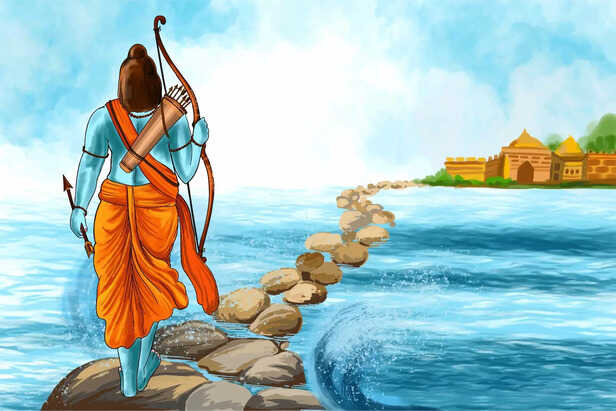
In Cambodia, the Ramayana became known as the Reamker, which translates to the Glory of Ram. This version developed over centuries and became one of the most important literary works in Cambodian culture.
The influence of the Ramayana is visible in the ancient temples of the Khmer Empire. The walls of Angkor Wat and other historic temples contain detailed carvings depicting scenes from the epic. These stone panels show battles between Ram and Ravana, the loyalty of Hanuman, and the devotion of Sita.
Cambodian classical dance traditions also retell the story of the Reamker. Performers wear elaborate costumes and use graceful hand gestures to narrate the epic in a highly symbolic form.
The Cambodian version emphasizes moral themes such as loyalty, bravery, and justice. Even after centuries of political and cultural changes, the Reamker remains a significant part of Cambodia’s artistic and cultural identity.
4. Laos blending Ramayana with Buddhist philosophy
In Laos, the Ramayana is known as Phra Lak Phra Lam. This version highlights the relationship between Ram and Lakshman, whose names become Phra Lam and Phra Lak in the Lao tradition.
Over time, the story blended with local Buddhist teachings. Instead of being viewed purely as a heroic epic, the narrative also became a way to teach ethical values such as patience, compassion, and discipline.
Many temples in Laos display murals that depict scenes from the epic. These paintings help monks and visitors understand the moral lessons contained within the story. Public festivals and theatrical performances also continue to present episodes from Phra Lak Phra Lam.
By merging the Ramayana with Buddhist philosophy, Laos created a unique interpretation that connects ancient storytelling with spiritual teachings.
5. Nepal celebrating the birthplace of Sita
Nepal holds a special place in the Ramayana tradition because it is believed to be the birthplace of Sita. The city of Janakpur is considered the ancient kingdom of King Janak, Sita’s father.
Today Janakpur remains one of the most important pilgrimage destinations connected to the Ramayana. The Janaki Temple stands as a grand monument dedicated to Sita and attracts thousands of devotees every year.
One of the most celebrated festivals in the city is Vivah Panchami, which commemorates the marriage of Ram and Sita. During this festival, elaborate processions and dramatic reenactments recreate the wedding ceremony described in the epic.
For the people of Nepal, the Ramayana is not simply literature. It is tied to sacred places, living traditions, and annual celebrations that keep the story alive across generations.