The Mahabharata is known as the tale in which finally dharma prevails over adharma. However, a very disturbing question hides behind this victory.
If dharma really prevailed, how could the battle conclude with almost a whole generation being lost?
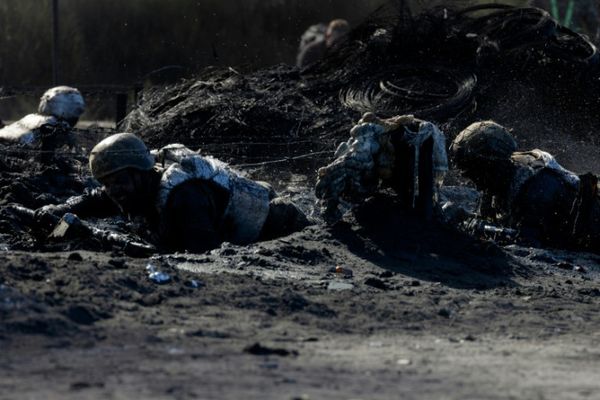
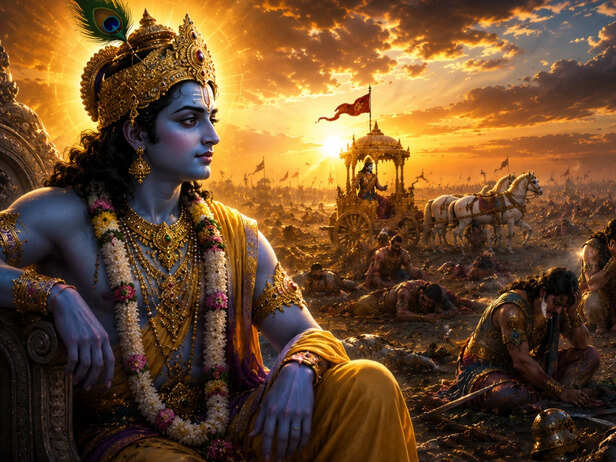
How could the mothers see their sons dead? How could Gandhari be left without all of her family members? How could the victorious Pandavas bear the burden of sorrow? And, how could Krishna, himself, leave the world which would one day have to see yet another collapse?
Maybe, the Mahabharata was not meant to teach us that dharma guarantees victory.
The War Was Not Prevented by Dharma
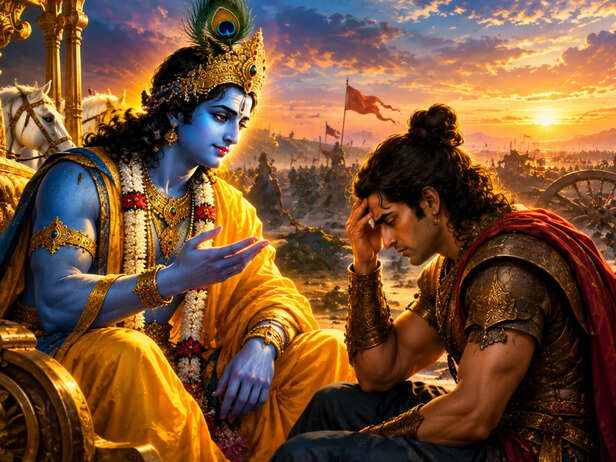
The first misconception is to think that practicing dharma requires one to stay away from all kinds of conflicts. Peace had been attempted several times before the battle of Kurukshetra took place in the Mahabharata. Even Krishna, in his quest for dharma, had gone to Hastinapura with a message of peace and tried to negotiate in such a way that violence could be avoided. However, when arrogance, unjust and uncompromising attitude made peace impossible, then violence was bound to take place.
Generations of injustice preceded the war.
In the Mahabharata, the story does not start with armies ready for battle on the battlegrounds. There is a build-up to the catastrophe that takes place due to decisions made. These include the gambling session, the public degradation of Draupadi, the banishment of the Pandavas, and their subsequent refusal to be given their rightful part of the kingdom. One of the best lessons from this epic comes at this point: injustice doesn’t just occur spontaneously but is created by people who keep quiet about it, avoid responsibility and allow injustices to occur.
Krishna never guaranteed a simple win
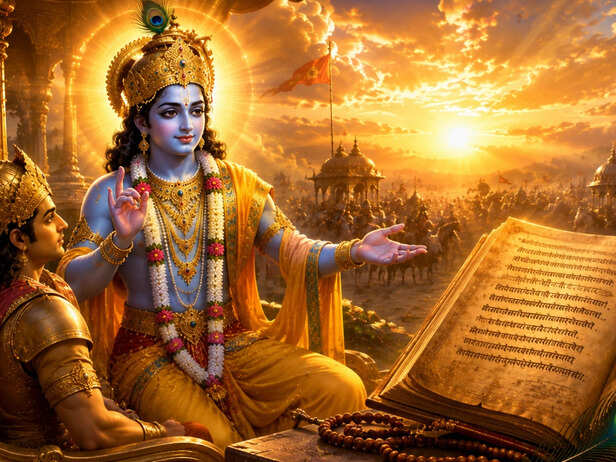
The idea of choosing dharma did not mean that all things would be sweet for Arjuna according to Krishna’s words. It is necessary to stress that the Bhagavad Gita puts the main emphasis on duty, work, detachment and the impossibility to perform duties without being obsessed with the result. Arjuna felt deeply affected because he realized that there were humans behind the war. However, Krishna did not try to make Arjuna think that the death is unimportant in the thoughtless manner. He showed him the tragedy in a wider context of spirituality. Dharma needed courage rather than comfort.
Even the Winners Had to Pay a Price
The Pandavas could have won the battle, although the win could have been regarded as a euphemism for a win. This is because they may have won the battle, but in winning the battle, they lost everything else that mattered to them family, friends, and guides. It was hard for Yudhishtira to rule because of what he had witnessed.Dharma does not nullify the effects of human actions but makes one confront them.
The True Enemy Wasn't Just One Person
One may want to look at the story of the Mahabharata as a fight between good people and an evil person. But things are actually more complicated than this. The fact is, apart from the role played by Duryodhana’s ambition in creating this turmoil, there were people who had to take some hard decisions, keep mum or get involved because of their responsibilities. The story, therefore, is important since sometimes adharma is sustained not by evil people but by good individuals who lack courage to speak against it.
Dharma Has a Price No One Discusses
The most profound message of the Mahabharata is that dharma and victory must never be equated. Dharma is about doing one’s duty despite having to face negative outcomes. The Pandavas did not end up with everything they deserved because they upheld dharma; their lives continued to be full of sacrifice, tough decisions, and repercussions. This adds a new dimension to the interpretation of the tale. It is not the issue of who won at the end of it all; the critical question is, "What did everybody become?"
The Warning Was the Destruction
The end of the Mahabharata should be interpreted as a warning sign instead of proof that dharma is meaningless. The cost of letting the sins of greed, shame, pride, and unfairness get out of control may one day be much higher than what anyone ever anticipated. The Mahabharata does not romanticize the cost of war. It brings it home. This is the strength of its ending.While dharma may eventually prevail, we are given the grim realization in the Mahabharata that failing to act on time to confront injustice will inevitably lead to a bloodier battle.
Unlock insightful tips and inspiration on personal growth, productivity, and well-being. Stay motivated and updated with the latest at My Life XP.
Frequently Asked Questions (FAQs)
1. How did the war of Mahabharata take place despite the fact that there was dharma?The Mahabharata shows that it was the consequence of many years of oppression, rivalry, humiliations and unsuccessful attempts to come to an agreement. The dharma could not prevent the war but affected decisions made during unsuccessful peace-making process.
2. Did Krishna want the Mahabharata war to take place?
Krishna tried to stop the war and acted as a peace-maker coming to Hastinapura. Once he failed, he took the side of Pandavas and helped them in their fight for justice and instructed Arjuna in Bhagavad Gita.
3. Did the Pandavas win the Mahabharata war?
Pandavas won the war and started ruling Hastinapura but their victory was bitter for them due to many dead relatives, teachers and friends.
4. What is the lesson about dharma in the Mahabharata?
There is one significant lesson from the Mahabharata about dharma which says that dharma cannot provide people with comfortable life; it is about making righteous choices and carrying one's duties.