“अहिंसा परमो धर्मः”
Non-violence is the highest dharma.
These words echo across scriptures, temples, and spiritual discourses. They are simple. Clear. Non-negotiable.
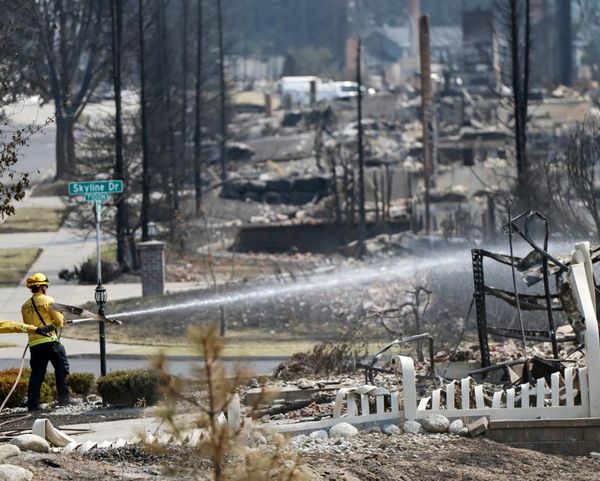
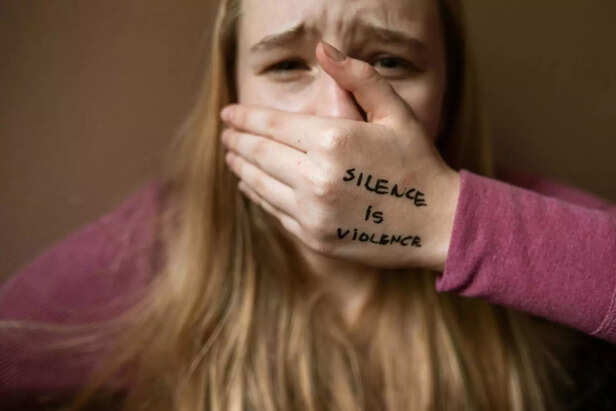
And yet, we live in a time when brutality flashes across our screens daily. Children dying in war zones. Civilians trapped between bombs and ideology. Communities divided in the name of religion. Women assaulted in ways that shake collective conscience. Online fraud stealing life savings in minutes. Hate speech spreading faster than compassion.
It is not confined to one nation or one community. It is global. From conflict zones where innocent children are killed, to urban cities where sexual violence shocks society, to digital scams exploiting trust, the moral tremors are visible.
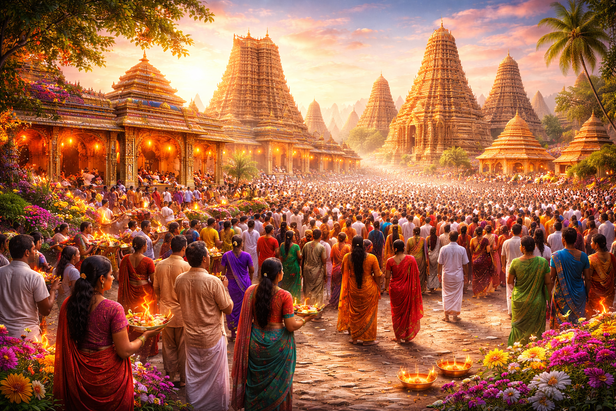
At the same time, temple crowds are swelling. Pilgrimage numbers are breaking records. Religious gatherings are larger than ever. Spiritual influencers command millions of followers. Young people chant mantras, attend kirtans, and revisit scriptures.
If dharma appears to be weakening on so many fronts, why is devotion growing stronger
1. The Harsh Reality: Violence Has Become More Visible and More Brutal
Ancient texts describe Kalyug as a time when greed, anger and ego intensify. Today, violence is not hidden in distant corners. It is broadcast in high definition. War footage circulates instantly. Civilian suffering is documented in real time. News reports detail brutal crimes with chilling specificity.
According to global reports from international agencies, civilian casualties in armed conflicts have risen sharply in recent years. Sexual violence remains a grave concern in many countries, with thousands of reported cases annually and countless more unreported. Cybercrime losses worldwide amount to billions of dollars every year, targeting ordinary families.
Dharma teaches protection of the innocent. It demands self restraint. It calls for justice rooted in compassion.
When images of children killed in conflict or women assaulted in brutality fill screens, the gap between dharma’s ideals and lived reality feels unbearable.
And yet devotion rises.
2. Religion Is Invoked Both for Peace and for Division
Dharma in its purest sense is ethical order. It is not tribal loyalty. It is not hatred disguised as holiness.
Yet across the world, religion is sometimes misused to justify violence. Groups claim divine sanction for conflict. Identity hardens into hostility. Faith becomes a banner under which anger gathers.
This is not unique to any one religion or geography. History shows that whenever spirituality detaches from ethics, it can be weaponized.
The irony is painful. In the name of God, lives are destroyed. In the name of righteousness, hatred spreads.
When this happens, sensitive minds feel disturbed. They crave authentic spirituality, not performative religiosity. Devotion grows partly as a protest against the misuse of religion. People search for the core teachings of compassion and truth beyond political noise.
3. Everyday Moral Decline Feels Closer Than Distant Wars

While wars and terror disturb us globally, daily moral decline hits personally.
Road rage turns violent over minor disagreements. Social media outrage escalates into threats. Workplace exploitation is rationalized. Domestic abuse hides behind closed doors. Fraudsters manipulate elderly victims. Scams empty retirement savings.
According to official data in multiple countries, cybercrime complaints have multiplied dramatically over the last decade. Sexual crimes continue to alarm societies. Reports of domestic violence spike during periods of stress.
Dharma does not only condemn dramatic evil. It condemns cruelty, dishonesty and exploitation in daily life.
When people sense that trust is eroding in neighborhoods and online spaces, they seek something stable. Temples become anchors. Prayer becomes reassurance that a moral order still exists beyond headlines.
4. We Are Losing Sensitivity in Subtle Ways
Not all decline is extreme. Some of it is behavioral.
We interrupt more than we listen. We judge faster than we understand. We record suffering instead of helping. We normalize sarcasm and public shaming. Children grow up watching arguments framed as entertainment.
Dharma teaches respect in speech. It teaches that truth must be spoken gently. It teaches seeing the divine in every being.
When daily behavior becomes harsher, devotion often rises as compensation. People feel the coarseness of the world. They seek softness in spiritual spaces.
But here lies the tension. If devotion does not translate into changed behavior, the paradox intensifies.
5. Fear and Uncertainty Drive Spiritual Turn.
In uncertain times, humans instinctively turn to faith. When war footage circulates, when economic fraud shakes financial security, when safety feels fragile, devotion becomes psychological shelter.
After global crises, religious participation historically increases. During pandemics and periods of instability, online spiritual gatherings saw massive growth. Pilgrimages surged once restrictions lifted.
Devotion offers what modern systems cannot always guarantee: hope.
When justice systems appear slow, when global conflicts seem endless, prayer restores a sense of cosmic accountability.
6. Devotion Is Rising, But Dharma Requires Integration

There is another layer. It is possible for devotion to grow while dharma weakens in practice.
We can attend temple in the morning and spread misinformation in the afternoon. We can chant mantras yet remain silent when someone is harassed. We can donate publicly but treat workers harshly privately.
This is not about condemning believers. It is about recognizing fragmentation.
Dharma demands consistency. It demands that worship shape character. It asks that compassion extend beyond ritual.
If devotion rises without ethical reflection, society remains unstable. But if devotion deepens into responsibility, it becomes transformative.
7. The Rise of Devotion May Reflect Moral Alarm, Not Hypocrisy
Perhaps the growth of spiritual activity is not contradiction but alarm.
When people see children dying in war zones, when they read about sexual violence, when they witness fraud and exploitation, something inside resists.
That resistance expresses itself in prayer, chanting and pilgrimage. It says that despite visible chaos, there must be meaning. There must be justice beyond human failure.
Devotion becomes an attempt to hold onto dharma even when society feels fractured.