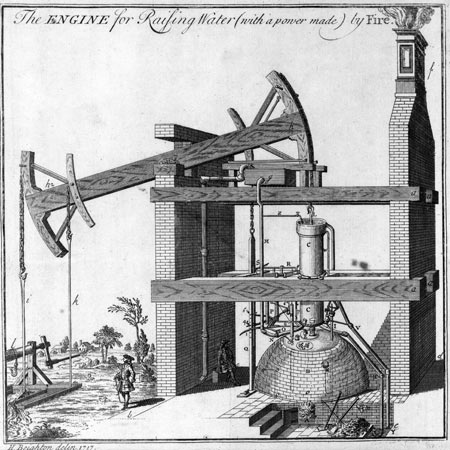
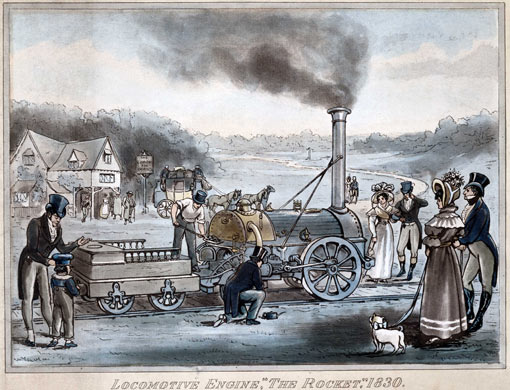
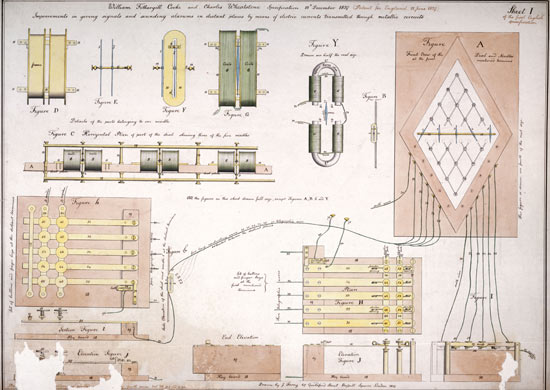
The steam engine: An engraving drawn by Henry Beighton of Newcastle in 1717, showing what is believed to be his own modified version of Thomas Newcomen's engine for pumping water from mines. Beighton invented a safety valve which prevented boiler failure, improving upon the original 'atmospheric engine' designed by Newcomen in 1712Photograph: SSPLStephenson's Rocket: Watercolour drawing showing the Rocket on public display outside a country inn. Built by Robert Stephenson the Rocket became famous after winning the Rainhill Trials in 1829. It subsequently ran on the Liverpool and Manchester Railway and the Midgeholme Colliery Railway (1836-1840)Photograph: NRM/Pictorial Collection/SSPLElectric telegraph: William Fothergill Cooke and Charles Wheatstone's five-needle telegraph was the first successful electric telecommunication device. It used a diamond grid of 20 letters (the six missing letters had to be omitted from messages) with five needles arranged across the middle. The deflection of any two needles to the left or right would point to specific letters. The telegraph first saw service on the newly developing railways, and by 1838 it was being used to send public telegrams Photograph: SSPLPhotograph: SSPL
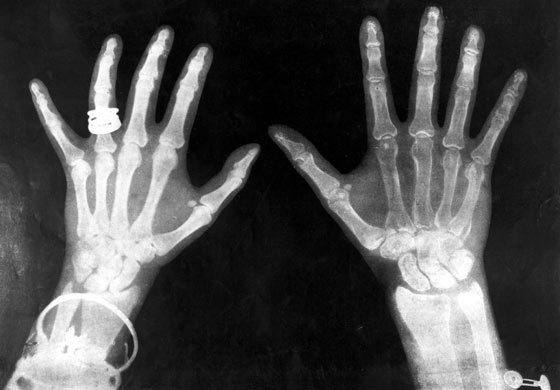
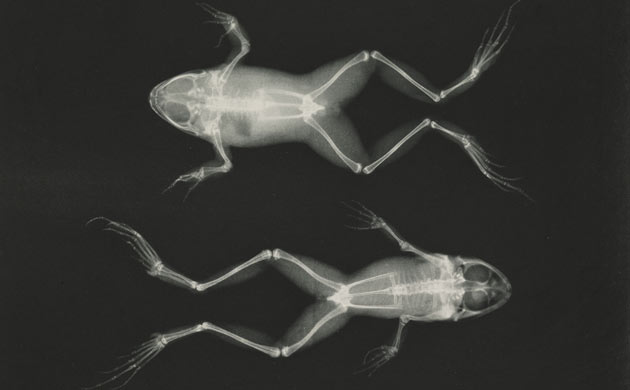
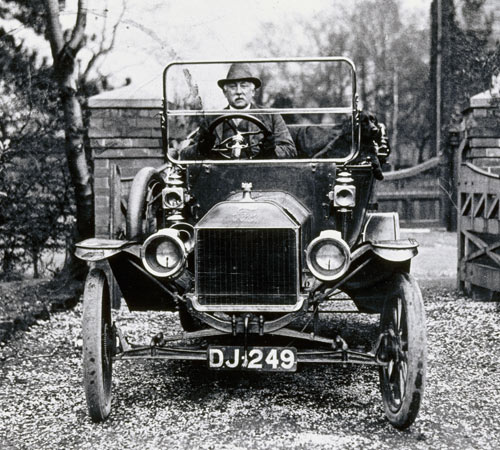
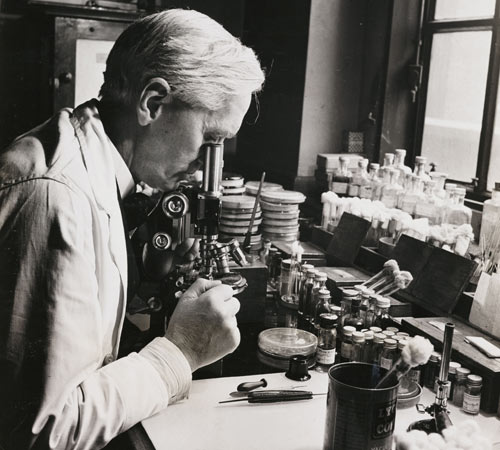
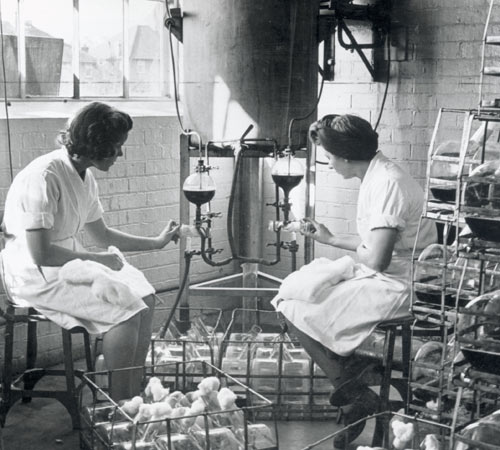
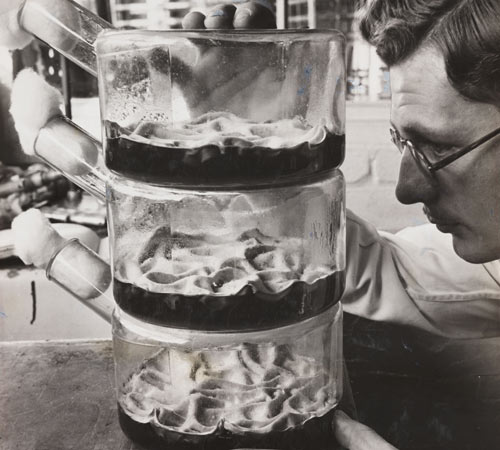
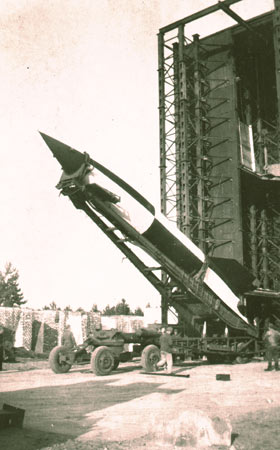
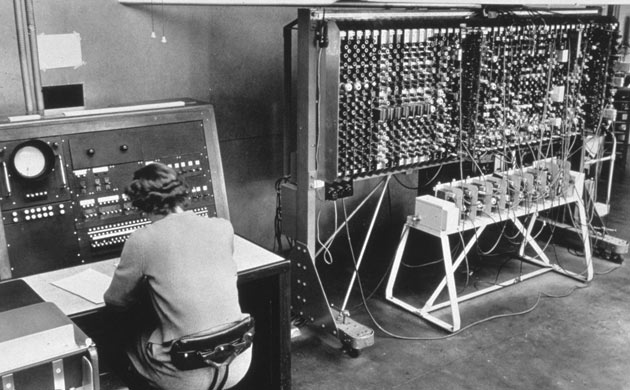
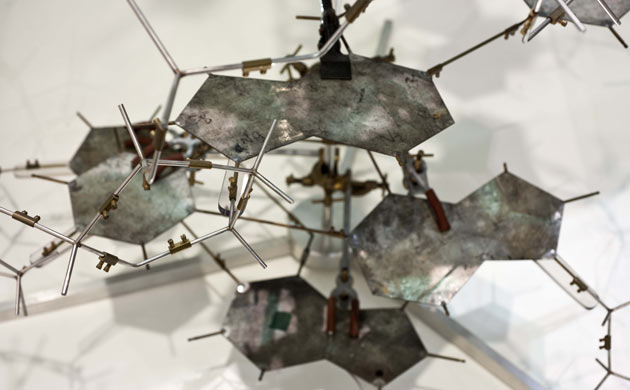
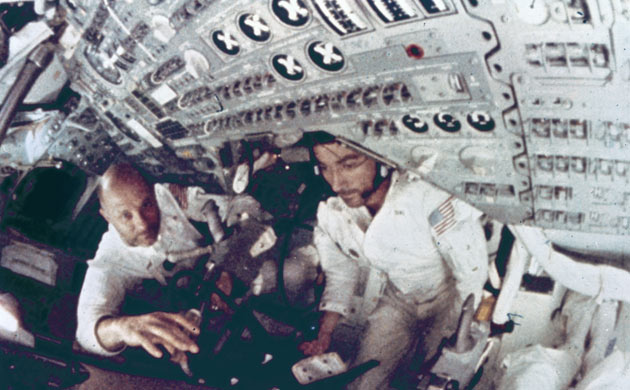
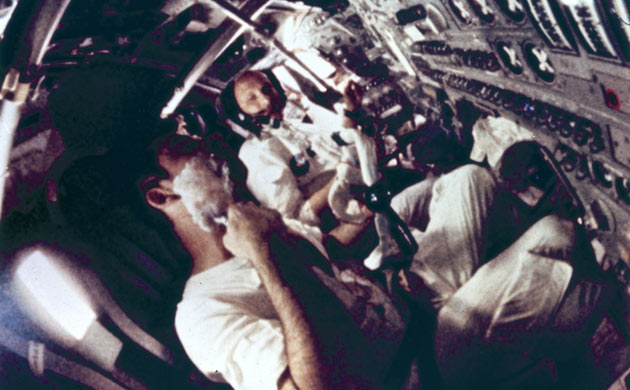
X-rays: X-ray photography caused a sensation when it was discovered by German scientist Professor Roentgen in 1895. As professor of physics at the University of Wurzburg, he was experimenting with a Crookes' radiometer (cathode ray tube) when he noticed that when cathode rays struck the end of the tube, rays of a new kind were emitted that were capable of penetrating matter. This X-ray is of the hands of the Duke of York and his Duchess, later King George V and Queen MaryPhotograph: SSPLPhotogravure from an original X-ray of frogs by Josef M Eder and E ValentaPhotograph: NMPFT/Kodak Collection/SSPLModel T Ford: The car was introduced by Henry Ford in 1908 and made by the Ford Motor Company in Detroit. Mass production made buying a car affordable for far more people than ever before. The new production methods were so speedy that only one paint, Japan black enamel, would dry fast enough, hence the remark attributed to Ford that 'Customers can have any color they want so long as it's black'Photograph: SSPLPenicillin: Professor Alexander Fleming (1881-1955) at work in his laboratory. Working at St Mary's Hospital, Paddington, London, Fleming discovered the antibiotic penicillin in 1928. He successfully isolated the chemical from the mould Penicillium notatum, but could not purify the compound. During the Second World War Sir Howard Walter Florey and Ernst Boris Chain developed a means of producing penicillin on an industrial scale. The 'wonder drug' saved millions of livesPhotograph: NMPFT/Daily Herald Archive/SSPLFilling culture flasks with the nutrient solution on which the penicillin mould was grownPhotograph: Daily Herald Archive/NMeM/SSPLLaboratory technician examining flasks of penicillin culture. As the penicillin mould grows in the glass flask it develops a distinctive appearance, developing a crinkled layer called a 'felt'. During this process of growth the mould exudes peniciliin into the growth solution. Each flask contains enough mould to produce a single dose of penicillin. However it takes another three weeks to extract and purify the drugPhotograph: NMPFT/Daily Herald Archive/SSPLV2 rocket: Developed by a team led by Wernher von Braun (1912-1977), and first successfully tested in 1942, over 3,000 of the missiles were fired at targets in Britain and the Low Countries in 1944-1945. The V2 was propelled by a rocket engine which used alcohol and liquid oxygen as fuel. Here a V2 is pictured on a launch pad as part of Operation Backfire in Cuxhaven, Germany, 1945. Operation Backfire was a British post-Second World War operation designed to evaluate the V2 rocket systemPhotograph: Science Museum/SSPLPilot ACE (Automatic Computing Engine): First demonstrated in 1950, this is one of Britain's earliest stored program computers and the oldest complete general purpose electronic computer in Britain. Designed and built at the National Physical Laboratory, Middlesex, in 1949-1950, it was based on plans for a larger computer (the ACE) designed by the mathematician Alan Turing. The pilot ACE cost around £50,000, but by 1954 had earned over £240,000 from its work in crystallography, aeronautics and computing bomb trajectoriesPhotograph: SSPLCrick and Watson’s DNA model: This reconstruction contains some of the original metal plates used by Francis Crick and James Watson in 1953 to determine the molecule's structure. It is constructed out of metal plates and rods, arranged helically around a retort stand, and shows one complete turn of the famous double helix. Each metal plate represents one of the four basesPhotograph: SSPLApollo 10 capsule: Two astronauts inside the Apollo command module on the way to the moon. Apollo 10 successfully completed a lunar orbital mission in May 1969 as the dress rehearsal for the Apollo 11 moon landing, which took place two months laterPhotograph: Nasa/SSPLAstronaut John Young shaving while mission commander Thomas Stafford looks on during the Apollo 10 flight to the moon in May 1969. The capsule was launched on 18 May 1969 on a lunar orbital mission, the dress rehearsal for the Apollo 11 landing mission which took place two months later. Vote on the Science Museum website for your favourite Icon of SciencePhotograph: Nasa/SSPL
Sign up to read this article
Read news from 100’s of titles, curated specifically for you.