Iceland has long been recognised for its unique and often dramatic landscapes, glaciers, and volcanic features, but one of the most unique distinctions of the country has been one of the least noticeable. For many years, Iceland was recognised as the only country in the world that lacked an established native mosquito population.
While mosquitoes can be found almost anywhere else in the world, the unique environment in Iceland made it nearly impossible for them to survive. This was not because of any other factor but because of the unique environment and geography that prevented them from completing their life cycle.
This has been an area of scientific study to help determine why some environments naturally resist certain species. However, recent observations have indicated that this long-standing fact may no longer be true.
Why Iceland historically had no mosquitoes
Unlike other countries in the world, Iceland has not had a conducive environment for mosquitoes. According to observations by the Centers for Disease Control and Prevention (CDC), mosquitoes need a certain condition of water and temperature in order to complete their cycle of growth.
Unlike other regions in the world, Iceland has a rapid temperature change from freezing to thawing, particularly during transitional seasons. These unstable temperatures disrupt the growth of mosquitoes in water because they need constant temperatures in order to mature.
Furthermore, Iceland has a short summer season, which makes it difficult for mosquitoes to grow and reproduce in large quantities in order to survive in the long term.
The role of climate and geography
Iceland’s physical isolation has been another major factor in the absence of mosquitoes. The country is surrounded by vast ocean waters, and it becomes difficult for mosquitoes to find their way to the island. Even if they find their way to the island through human activities, they have not been able to survive in the country.
The physical features of the country have also contributed to the absence of mosquitoes. The fact that the country has volcanic soil means that water drains quickly, and this has made it difficult for mosquitoes to survive. Mosquitoes thrive in water, and the absence of water means that they have not been able to survive.
Why mosquito life cycles fail in Iceland
This is because mosquitoes thrive well in a stable environment to reproduce. However, this is not the case in Iceland. It is because the temperature changes, the short breeding time, and the water conditions all affect the entire life cycle of the mosquitoes.
This is because the larvae do not get enough time to grow because of the changes in temperature. Even if the eggs hatch, the breeding time is not enough for the mosquitoes to mature and reproduce.
Recent discoveries and changing conditions
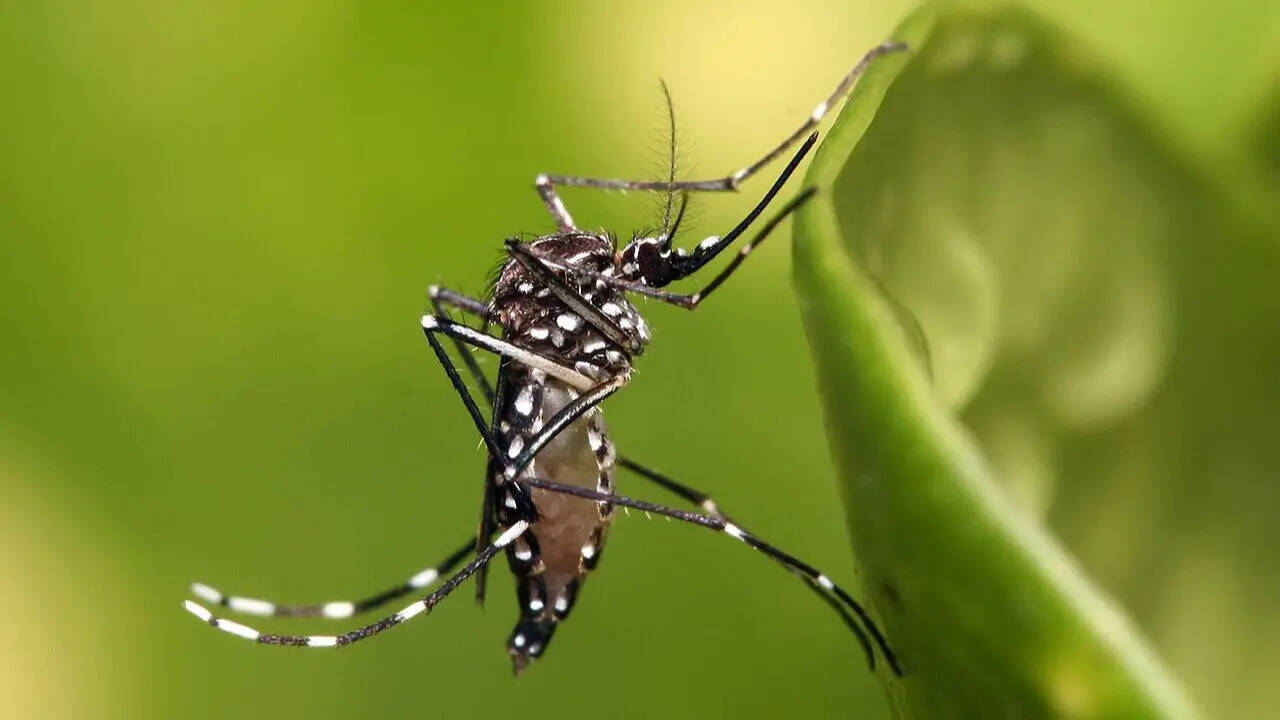
Recent discoveries have refuted the long-held notion that mosquitoes do not inhabit Icelandic lands. According to the Natural Science Institute of Iceland, mosquitoes were identified in Iceland for the first time, marking a significant ecological shift.
The latest discoveries indicate that some species of mosquitoes have adapted to survive in cold climates. It is believed that the rising temperatures are making the environment conducive for species that could not thrive in Icelandic lands. However, it remains to be seen whether a viable population will be established.
What research says about climate change
Even slight increases in temperature can extend breeding windows and improve survival rates for species that were once limited by cold climates, making regions like Iceland newly vulnerable to ecological changes and biological invasions.
Climate studies have indicated that due to increasing temperatures, the habitats of different species are expanding. Mosquitoes are also expanding their habitats. Environmental changes are being seen in Iceland and other parts of the Arctic region.
Increases in temperature by a few degrees have a significant effect on the breeding season of mosquitoes. The breeding season of these insects is expanding due to increasing temperatures.
Why this matters for science and ecology
The shift in Iceland’s mosquito status highlights how even small climatic changes can disrupt long-standing ecological balances, offering scientists a real-world example of how species distribution responds quickly to environmental transformations.
The case of Iceland has been important for scientists to look at and study in terms of understanding the impact of environmental conditions on species. The case of Iceland proved that natural conditions could act as a barrier to prevent some species from settling in a particular area.
Now, when some changes are taking place in the conditions of Iceland, the case of Iceland is a good example of how nature reacts to changes in climate. The possibility of mosquitoes settling in Iceland is a good example of how remote places cannot be safe from global changes.
More importantly, it is a reminder that even the most stable ecosystems can change under the influence of global climate change.