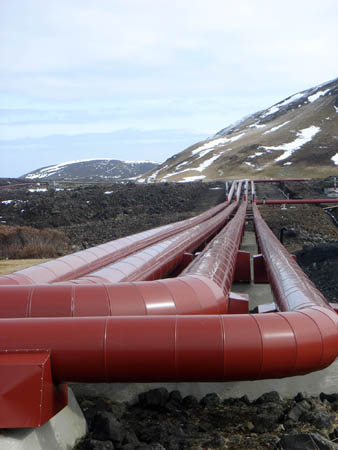
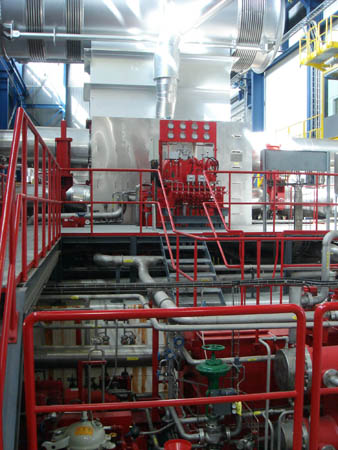
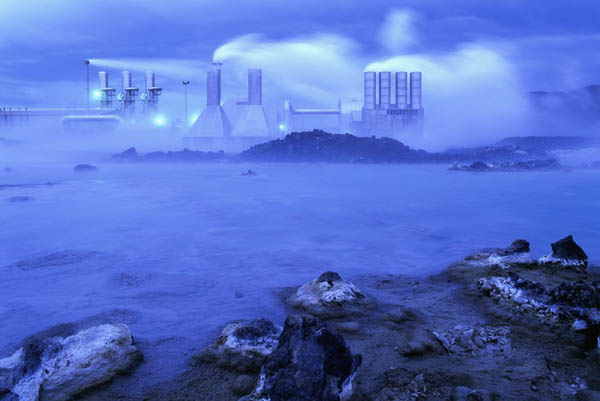
The Svartsengi geothermal power plant sits alongside the Blue Lagoon in Iceland. The country gets 100% of its heat and electricity from renewable sources after moving its energy policy away from oil dependency in the 1970s Photograph: Paul A Souders/CorbisGeothermal springs are tapped to generate energy and as a source of hot water for Icelanders' homes. Water from the plants also feeds nearby thermal spa baths, such as the famous Blue Lagoon, where the warm waters are rich in minerals like silica and sulfurPhotograph: /CorbisHot water and cold water is piped from the geothermal fields straight into Icelanders' homes from boreholes 2-3km deep in the ground. This method is used to heat nearly 90% of homes in IcelandPhotograph: Jessica Aldred/guardian.co.uk
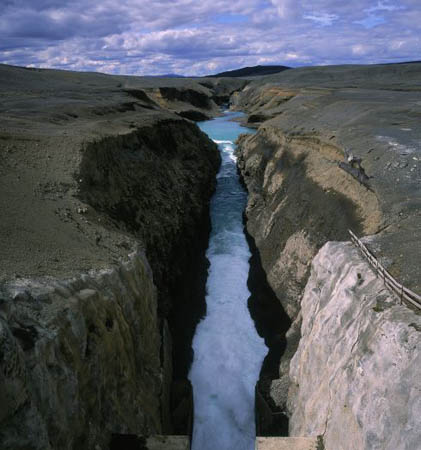
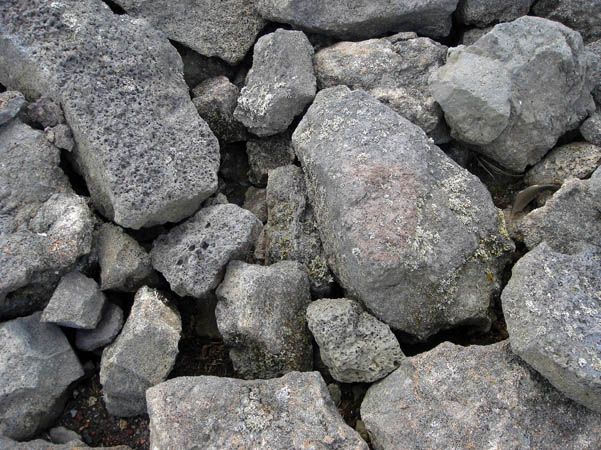
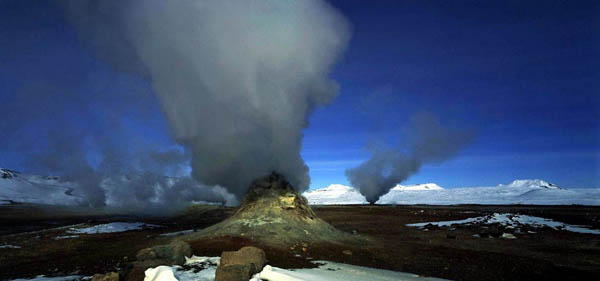
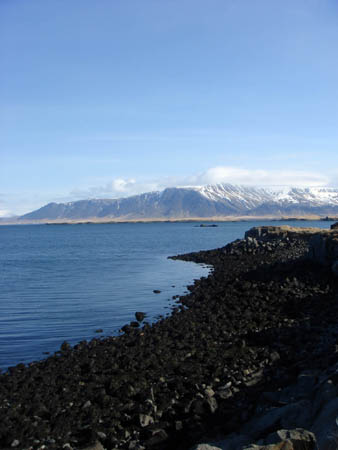
The energy in the rivers and glaciers of Iceland's interior are harnessed through hydropower schemes and used to generate around 80% of the country's electricityPhotograph: Arctic-Images/CorbisIceland's fishing fleets, as well as public and private transport, are the only remaining sectors to use fossil fuels. Over the next 20-30 years, Iceland plans to use geothermal electricity to split hydrogen from water and use hydrogen fuel cells to power its vehicles and fishing trawlers. This would make Iceland completely self-sufficient in energy terms and 100% powered by renewable energyPhotograph: Randy Olson/National Geographic/GettyIceland is located on the mid-Atlantic ridge, on top of two tectonic plates which are moving apart by around 2cm a year. It has more than 200 volcanoes, and 20 high-temperature areas containing steam fields where temperatures reach 250C within 1,000m deepPhotograph: Jessica Aldred/guardian.co.ukGeologists say that Iceland has barely scratched the surface of its geothermal energy potential. The government has embarked on a research project at the Blue Lagoon to drill boreholes down to greater depths of around 5km, which would yield far greater power than the conventional bores Photograph: guardian.co.ukGeothermal steam and hot springs have been used for centuries for bathing and heating, but it wasn't until the 20th century that geothermal power started being used to make electricity. Around 20% of Iceland's electrical energy is generated from geothermal energyPhotograph: Pall Stefansson/Rex FeaturesIceland has embarked on a drive to attract new industries to its renewable energy resources: in particular data storage centres which traditionally have huge energy costs, large carbon footprints and expensive real estate billsPhotograph: Jessica Aldred/guardian.co.uk
Sign up to read this article
Read news from 100’s of titles, curated specifically for you.

Blue-Lagoo-4420.jpg)