Security concerns, travel rules and sluggish ticket sales are already clouding the 2026 FIFA World Cup more than a year before kick‑off. Now the US government has confirmed that federal immigration and customs agents will have a visible presence throughout the tournament, adding a fresh layer of scrutiny for international fans planning trips to the United States.
Department of Homeland Security Secretary Markwayne Mullin announced this week that Immigration and Customs Enforcement (ICE) and Homeland Security Investigations (HSI) would work alongside Customs and Border Protection (CBP) during the World Cup. The move comes as resale ticket prices continue to fall and some host cities report hotel bookings below expectations.
DHS Confirms ICE and HSI Presence at the World Cup
In a video shared on social media, Mullin defended the decision to deploy immigration and customs agencies during the tournament, saying the size of the event naturally attracts organised criminal activity.
'When you have crowds this big, criminal activities follow,' Mullin said in the video. 'ICE and HSI are going to be out there every day fighting against the counterfeit tickets, human trafficking, drug smuggling, counterfeit products.'
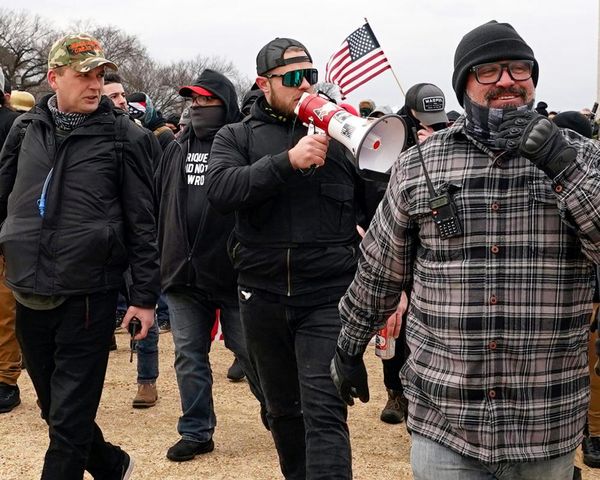
The statement quickly drew attention online, particularly because ICE has traditionally been associated with immigration enforcement rather than sporting event security. Critics questioned whether the agency's presence could discourage some international supporters from travelling to the United States for the tournament.
@ICEgov & ICE @HSI_HQ will be working with local and federal partners to secure the @FIFAWorldCup.
— U.S. Immigration and Customs Enforcement (@ICEgov) May 19, 2026
They will play a pivotal role in combatting human trafficking as well as stopping counterfeit merchandise and counterfeit ticket sales. pic.twitter.com/KNcxnZdaSx
Falling Ticket Prices Raise Questions Ahead of Tournament
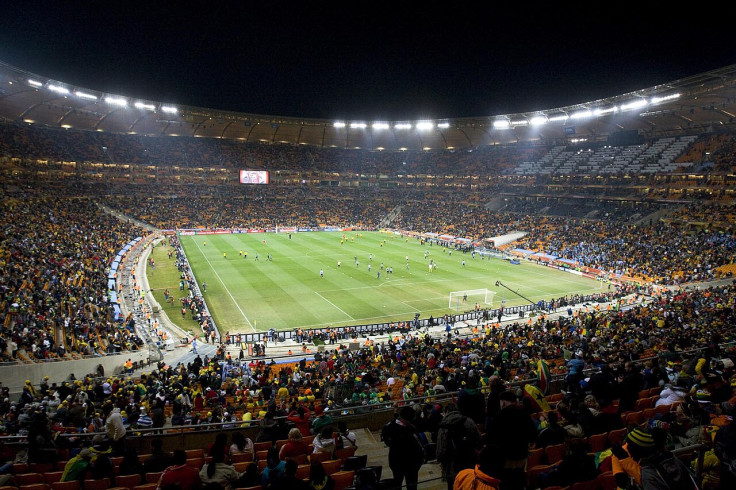
While FIFA officials remain optimistic about attendance, several reports suggest that demand for certain World Cup matches has not matched initial expectations. Resale ticket prices for some fixtures have reportedly dropped significantly in recent weeks, while hotel bookings in several host cities remain below projected levels.
Robert Lodes of Dallas-Fort Worth ticket brokerage Metro Tickets said several factors may be slowing sales, including the economy, global unrest and the timing of purchases. Data tracking online sales showed a 23% decline in ticket sales across all host cities over the past 30 days, with Dallas-area matches such as Netherlands vs Japan down 12% and England vs Croatia down 21%.
Lodes said some supporters may simply be waiting until closer to match day before buying tickets. 'How cheap is it going to be? And I said, well, cheap is probably not the right word for World Cup, but there are definitely some good buys to be had right now,' he said, adding that higher ticket prices could also be causing hesitation among fans.
Officials in Dallas and other host locations have insisted that demand is expected to rise closer to the tournament. However, analysts cited by Forbes noted that uncertainty surrounding travel policies, visa procedures and broader political tensions may be contributing to weaker early sales.
Some industry experts also warned that rising travel costs and accommodation prices may discourage international fans from committing to trips more than a year in advance.
Social Media Vetting Policies Spark Fan Concerns
Another issue drawing criticism is the US government's reported screening of travellers' online activity. Previous reports suggested some World Cup attendees may be required to provide up to five years of social media history during visa or ESTA applications.
The policy reportedly includes reviews of emails, social media posts and online interactions. According to reports, individuals deemed to fit an 'antisemitic profile' could face additional scrutiny or potential denial of entry into the country.
Stadiums are gonna be half empty at this rate. Even if someone don't have any political opinions online who can be arsed having to go to all that effort?
— Andrew (@AndyC_88) February 8, 2026
Civil liberties advocates argued the measures could create uncertainty for international visitors, particularly those worried about how authorities may interpret online comments or political opinions. Others said the combination of aggressive screening policies and ICE's visible involvement risks overshadowing the sporting spectacle itself. One predicted that 'stadiums are gonna be half‑empty' due to the new policy making it hard for attendees to travel to the US for the event.
Despite the controversy, US officials continue to insist that the measures are necessary to ensure safety during one of the world's largest international events.