The prosecutor of the International Criminal Court on Thursday denied bowing to political pressure when he decided to focus an Afghan war crimes investigation on alleged crimes by the Taliban and Islamic State Khorasan rather than by U.S. or former Afghan government troops.
Prosecutor Karim Khan, who took office in June, said he had to consider his budget as well as whether prosecutions could lead to a conviction and the gravity of the crimes alleged.
"I am not making a decision based on any timidity," Khan told journalists during the court's annual gathering of member states.
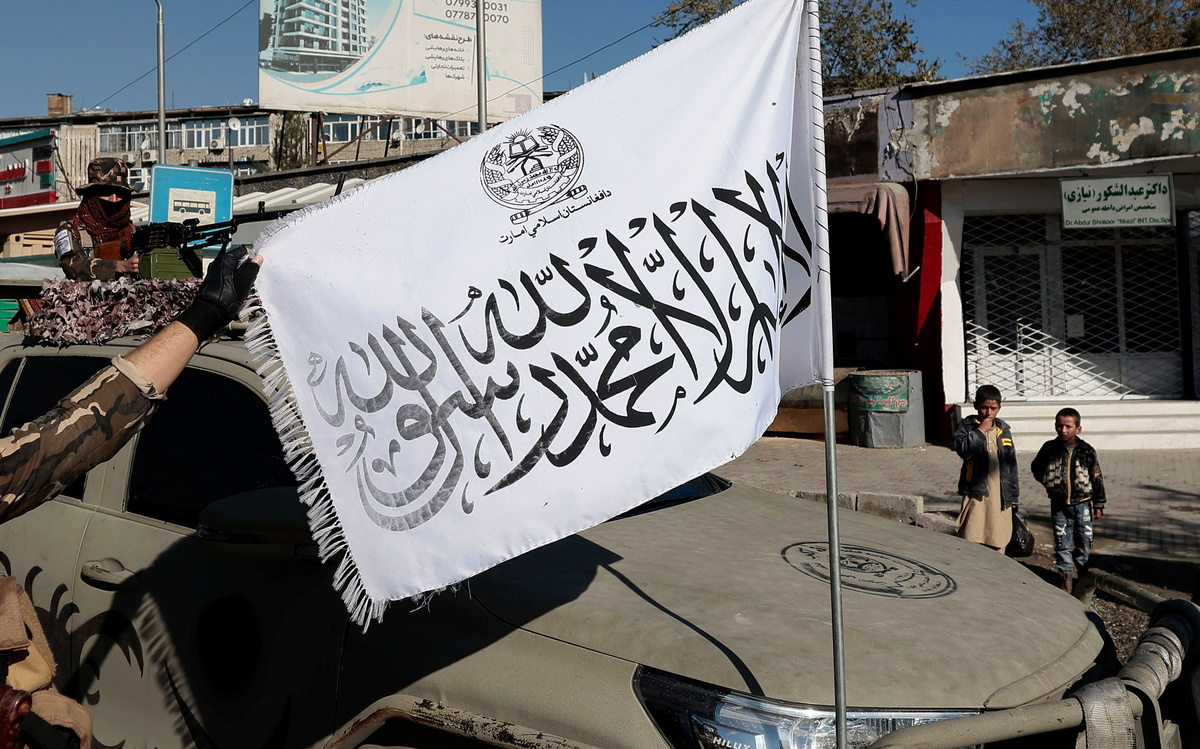
In September Khan announced he would ask judges to push ahead with the Afghanistan investigation begun under his predecessor. But he said he would focus on crimes by the Taliban and ISIS-K and "deprioritize" looking into suspected crimes by U.S. forces and Afghan government troops..
That decision was criticized by victims' groups and some international law experts.
"Looking at the scale and the gravity I am not apologetic that the more serious crimes and continuing violations were Taliban and ISIS K," he said.
Khan said his office is running 11 investigations in different countries and another 16 preliminary examinations and must make choices about what to prioritize.
"We have a budget that is not in proportion with the responsibility," Khan said, in a signal to the ICC's member states who gathered in The Hague to vote on next year's funding.
Khan is overseeing investigations such as Israel in the Palestinian Territories and Russia in Ukraine. Khan said he was reviewing cases with an eye to pursuing those that involve the worst atrocities or are most likely to end in convictions.
The ICC is a court of last resort, intervening only when a member country is unable or unwilling itself to prosecute war crimes, crimes against humanity or genocide.
(Reporting by Stephanie van den Berg; Editing by Cynthia Osterman)