Allegations of widespread doping in athletics made by the Sunday Times and the German broadcaster ARD have been described as “sensationalist and confusing” by the International Association of Athletics Federations.
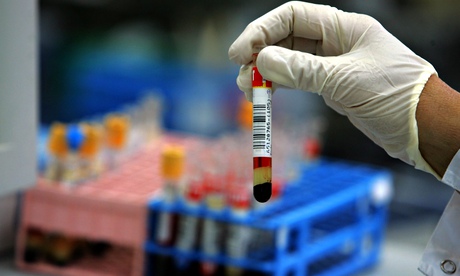
In what was claimed to be the biggest ever leak of blood-test data, it was revealed that a third of medals, including 55 golds, in endurance events at Olympics and world championships between 2001 and 2012 were won by athletes who recorded suspicious tests.
The data, detailing 12,000 tests from 5,000 athletes, was leaked to the Sunday Times and ARD by a whistleblower at the IAAF leading to criticism of the governing body for not doing enough to combat cheating.
In its response, the IAAF said that “we refute outright any allegation that the IAAF did not appropriately follow up suspicious profiles which had been proactively identified through its world leading blood profiling programme.
“The IAAF condemns in the strongest possible terms the distribution, sharing, and publication of private and confidential medical data that was obtained from the IAAF without consent. The IAAF retains the right to take any action necessary to protect the rights of the IAAF and its athletes.”
Ten medals at London 2012 were won by athletes who have recorded dubious results, but Mo Farah, who won 10,000m and 5,000m gold, is not among them, although there was said to be one leading British athlete with suspicious readings.