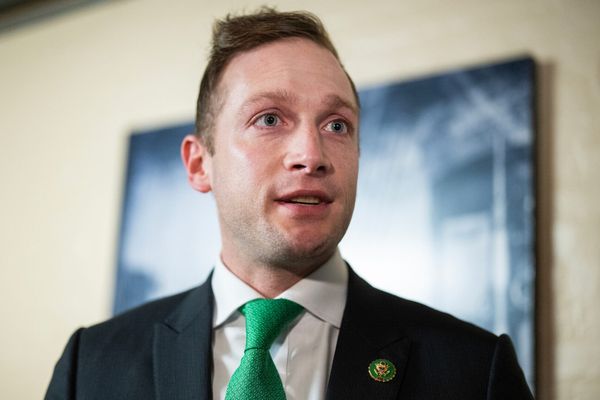
A man who was told at the age of six that he would "never run or be active again" after suffering a stroke during brain tumour surgery has consistently defied expectations, becoming a celebrated para-athlete and breaking multiple Guinness World Records. Anthony Bryan, now 36, a fitness instructor from Enfield, north London, is a testament to resilience, having overcome a life-altering diagnosis to inspire others.
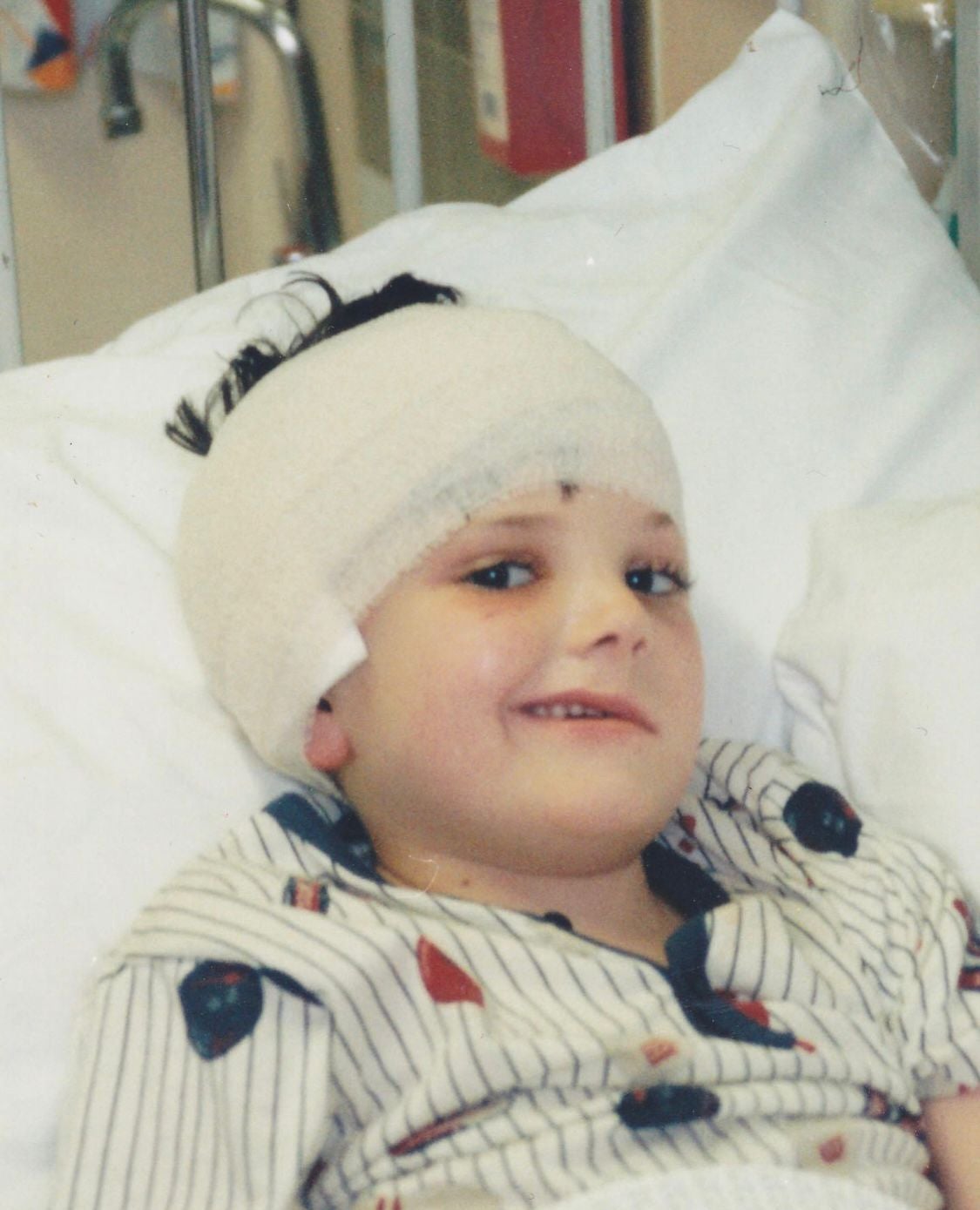
His ordeal began at six years old when he experienced severe migraines and sickness, leading to the discovery of a golf ball-sized brain tumour, specifically astrocytoma. With his vital organs "shutting down," emergency surgery was required within 24 hours. However, during the operation, Anthony suffered a stroke, leaving him paralysed down his left side and without peripheral vision in his left eye.
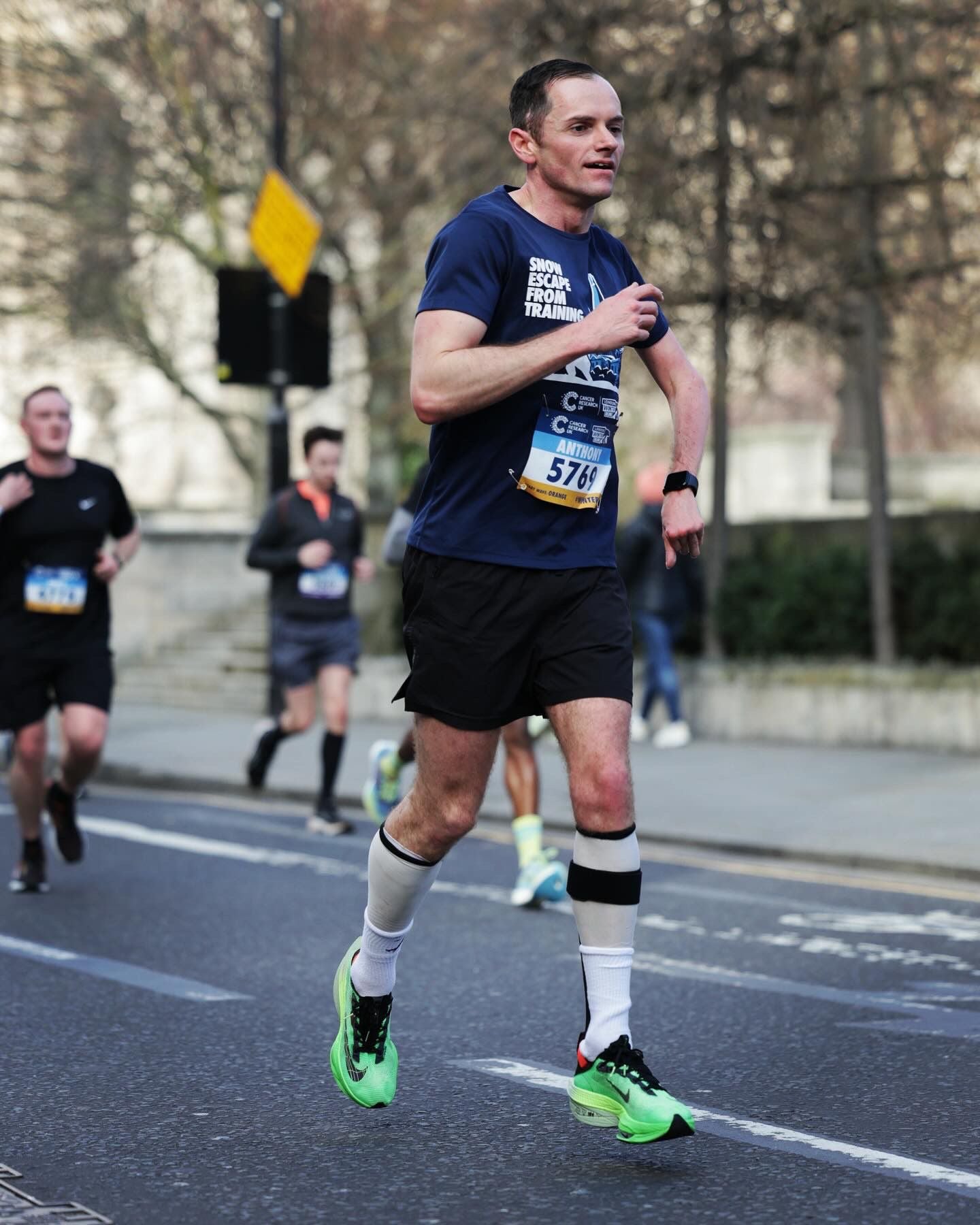
A doctor delivered the devastating news that he would "never be very sporty (or) run ever again." Anthony spent six months in a wheelchair, enduring hospital visits and home-schooling for a year while undergoing physiotherapy. Today, he still cannot move his left arm or ankle and relies on a leg brace to prevent foot drop. Yet, he gradually learned to walk, then run, eventually becoming an athletics world champion and a Guinness World Records (GWR) holder.
This Brain Tumour Awareness Month, Anthony has been named an ambassador for the Brain Tumour Research charity, driven by a desire to encourage others to "never give up." He told PA Real Life: "I could have easily taken the doctor’s word for it and just thought, ‘I can’t run, I can’t do it’, but luckily I was very stubborn."
He hopes his journey will serve as a beacon of hope: "For those who are being told, ‘You can’t do this, you can’t do that’, I’d love for them to look at me and think, ‘He’s doing it, so I can do it, too’." He added, referencing his mother’s advice: "My mum said, ‘Be the person you needed when you were growing up’, so now I want to be that role model for others."
More than 1,000 people in the UK will receive a brain tumour diagnosis this month. Brain tumours tragically claim more lives of children and adults under 40 than any other cancer, according to Brain Tumour Research. The charity estimates over 100,000 people in the UK live with a brain tumour or its long-term effects, much like Anthony, whose path to diagnosis was fraught with challenges.
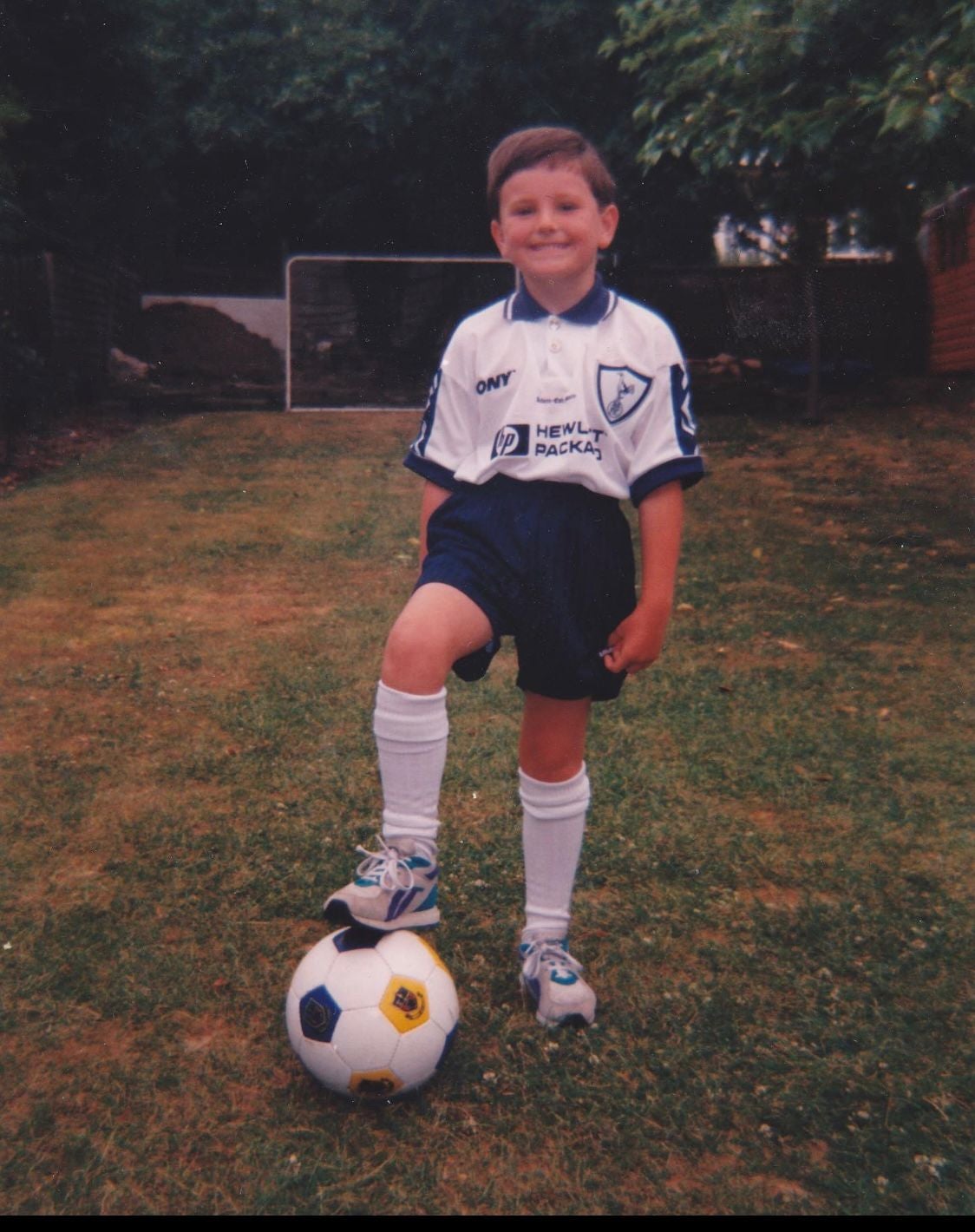
As a child, Anthony was "active, sporty," constantly running and playing football, until excruciating headaches and vomiting began. "Doctors said, ‘Oh, it’s just migraines. Take some paracetamol, it will be OK’, and they sent me away," he recalled. The symptoms worsened, leading to repeated dismissals from medical professionals who suggested he was "making himself sick." Anthony described the agony: "All I remember is, I used to curl up in a ball and just hold my head – it was this screaming, screeching pain inside my head."
His father, frustrated by the lack of progress, used private health insurance to seek a second opinion. A private MRI scan finally revealed the golf ball-sized astrocytoma, with further tests indicating his "vital organs were getting weaker and weaker" by the hour. The then-six-year-old was rushed to Great Ormond Street Hospital (Gosh) for emergency surgery within 24 hours.
"It was supposed to be an operation just to remove this tumour and then you go back to normal life, but during the operation, I suffered a stroke which paralysed the left side of my body," Anthony explained. Post-surgery, a doctor delivered the crushing prognosis: "‘Unfortunately, Anthony will never be very active, he’ll never be very sporty, he’ll never run ever again’."
As a "stubborn" and determined child, Anthony refused to accept this fate, thinking, "I’m going to prove you wrong." His recovery was arduous; he remained at Gosh for three months, bedbound, and used a wheelchair for six months, a period he "absolutely hated so much." He underwent intense physiotherapy, which he "detested," and faced isolation at school, where teachers advised him to stay indoors during breaks due to injury concerns. Watching his friends play football from the window, he grappled with dark thoughts: "Why am I still alive? Why am I here?" He added: "I was so embarrassed because I was the only disabled kid in the whole school. I just kept thinking, if this hadn’t happened to me, I’d be out there living my life."
Through relentless physiotherapy and the encouragement of his competitive siblings, he gradually regained the ability to walk, aided by a leg brace. At 16, he joined the disability team at Tottenham Hotspur Football Club, where he was encouraged to pursue athletics. He went on to win gold medals in the 100-metre race and long jump at National Disability Sports competitions. "For once, instead of being told, ‘You can’t do this, you can’t do that’, coaches were telling me, ‘You might not be able to do this, but don’t focus on what you can’t do. Let’s focus on what you can do’," he said.
As his strength and adaptability grew, coaches suggested he aim for the London 2012 Paralympic Games in the 100-metre race. Although he finished fourth, narrowly missing qualification, he resolved to "train harder for next time." In 2015, Anthony represented England at the Cerebral Palsy International Sports and Recreation Association (CPISRA) World Games, securing victories in the 800 and 1,500-metre races. Reflecting on this achievement, he thought: "I was told I’d never run or be very active, now I’m a world champion. If they were this wrong, how much further can I go?"
Anthony pursued a sports coaching qualification at college and completed a free course to become a fitness instructor. Despite applying for 30 gym jobs over seven years, he faced continuous rejection, often being told he didn’t have "the right image" for a personal trainer. He worked at a supermarket for years before securing a gym reception role, the closest he could get to his dream. His breakthrough came when an instructor called in sick, allowing him to lead a class that quickly became immensely popular, leading to a permanent position. "This class was amazing, and it started growing and growing every week," he said.
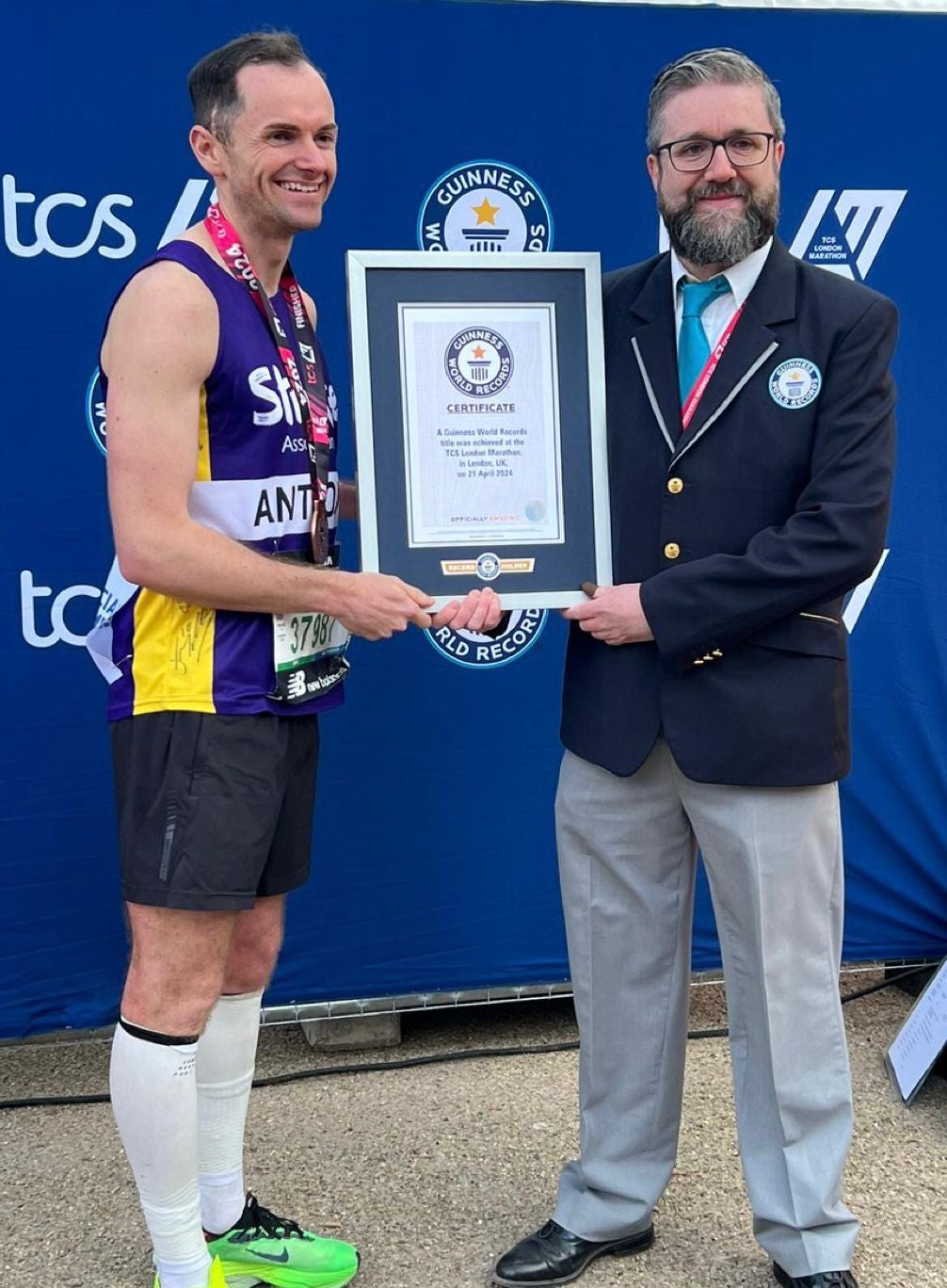
Anthony has since achieved Guinness World Records for the fastest marathon (CIH) for a male with hemiplegia – paralysis of one side – at the 2024 TCS London Marathon, completing it in 5 hours, 49 minutes, and 4 seconds. He also holds the record for the fastest half marathon (CIH) at the 2025 Goodwood Half Marathon, with a time of 2 hours, 2 minutes and 57 seconds. He now runs a YouTube channel, @antbryanfitness, and is currently ranked among the top three globally in his Hyrox neurological major category, preparing for the World Championships in Sweden this June.
Anthony delivers motivational talks at schools nationwide and regularly receives messages from people he has inspired. His ultimate ambition is to open his own gym dedicated to individuals with disabilities. He has learned that "the body is far more capable than we could ever believe" and is committed to continuing to "push the boundaries." He concluded: "Every year I’m trying to push my limits more and more and more. The doctor said you’ll never run or be very active, and now I’m a world champion and Guinness World Records holder."
Dan Knowles, chief executive of Brain Tumour Research, commented: "We are deeply honoured to have Anthony join us as an ambassador. His remarkable story will bring much-needed hope and inspiration to our community, and we are grateful that he is lending his voice to strengthen our call for greater investment into research to drive the change which brain tumour patients and their families so desperately deserve."
For more information, visit Brain Tumour Research’s website at braintumourresearch.org. To learn more about Anthony, search @thenolimitsathlete on Instagram. For mental health support, contact the Samaritans for free on 116 123, email jo@samaritans.org, or visit samaritans.org.
I had 50 doctors’ appointments but they still missed my brain tumour
I thought I had piles – then cancer treatment nearly killed me
Doctor explains when to worry about fevers, coughs and head injuries in children
AI could revolutionise glaucoma detection. Here’s 6 things everyone should know
Melatonin for children: would you give your child a gummy to help them sleep?
How experts say you can get the most out of your morning meals