SILVER SPRING, Md. _ Plastic surgeons are supposed to make certain that women getting breast implants understand their risk of fairly common problems including rupture, breast hardening and needing another surgery.
But doctors don't have to disclose what Jamee Cook showed Monday during her presentation to a U.S. Food and Drug Administration panel. The advisers are re-examining the safety of breast implants in light of new concerns, and new evidence, that the prosthetics can make some women chronically ill with numerous autoimmune conditions and even a rare cancer.
The 41-year-old patient-turned-activist projected slides with dozens of photographs of surgically removed, or "explanted" implants: wrinkled, ripped, blackened devices, some oozing silicone, many with hunks of scar tissue.
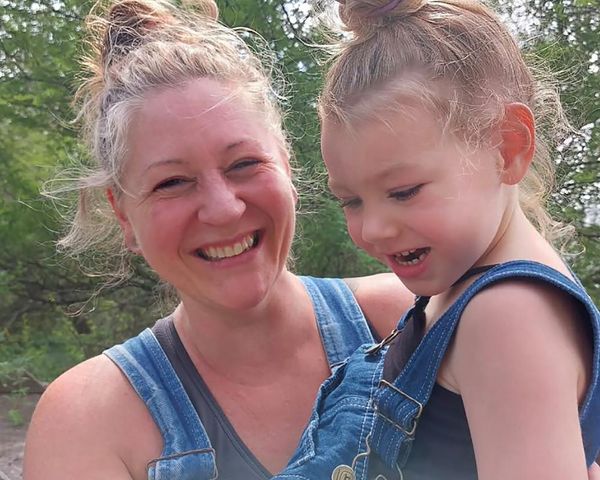
The Dallas wife and mother _ who had to quit her job as a paramedic when she developed debilitating fatigue, fevers, migraines and other symptoms after getting implants _ saved money for three years so she could have her 13-year-old saline-filled devices removed; her health insurance wouldn't cover the procedure. After getting them out, she said, her health dramatically improved.
Many women simply can't afford to remove their implants, she told the panel. "They can get desperate. It feels like no one will listen and no one will help. Just because an illness is ill-defined doesn't mean it isn't real."
Women have complained for decades that their implants caused autoimmune diseases. But their complaints are being given new credence because the FDA and other world health authorities have begun to recognize that implants can cause a very rare form of lymphoma, an immune system cancer. Nearly 700 cases and 17 deaths have been tallied worldwide since 2011. Most are associated with rough-surfaced, or textured, implants.
"Although additional data are needed, it appears possible and plausible that this exaggerated and persistent (immune) response, for some patient, may produce local and systemic signs and symptoms which closely mimic, but do not meet the formal criteria for, an established connective tissue, autoinflammatory, or autoimmune disease," says an FDA brief document for the two-day hearing
The panel heard from FDA staff and breast implant makers _ Allergan, Mentor, Sientra and Ideal _ about studies that the companies have been mandated to undertake in order to better understand the risks of implants. The panel also heard about new patient registries that have been created to supplement manufacturers' studies, because implant makers have lost track of patients.
But amid the highly technical, data-filled presentations, women who now rue their decision to get implants testified about their ordeals and sense of betrayal.
Christina Avilla of San Jose, Calif., said she had implants to reconstruct her breast after being diagnosed with advanced breast cancer.
"I was pushed down a path where I was told implants were safe," and that forgoing reconstruction would lead to depression and low self-esteem, she said. "I have heard too many women say, 'We thought we had to do it.'"
Jennifer Cook of Georgia said her 2010 informed consent document explicitly said no scientific evidence linked implants to cancer. No one informed her otherwise after the FDA warned of implant lymphoma the next year.
She was diagnosed with the lymphoma in 2017, after chasing a diagnosis for a year. Although most women are cured by removing the implant and surrounding scar capsule, she needed chemotherapy and radiation.
"I was blindsided. I was deceived," she said.
Terri McGregor, 54, of Ontario, Canada, needed even more aggressive treatment in 2015 and 2016, including a stem cell transplant, to treat lymphoma that has spread to her lymph nodes and bowel. Her experience led her to co-found a Facebook group for women with breast implant-associated anaplastic large-cell lymphoma.
She testified Monday that she has just been diagnosed with another cancer, a direct complication of the stem cell transplant.
"The isolation, betrayal and loneliness of our cancer," she said, breaking into tears. "We were merely portrayed as an anomaly."