At just 18, Dillon Duffy felt trapped. He was £4,000 in debt, overwhelmed and convinced he had no way out. In desperation, the teenager took out loan after loan, with each one leaving him owing more.
It began to feel as if the only way out was to disappear completely. So Dillon made the drastic decision to board a train to London with no intention of returning.
“I didn't know what to do, I'd tried everything, and I really didn't want to say anything to my parents,” the now 19-year-old told The Independent.
“I just couldn’t bear the thought of dealing with them. It was all just too much, and I just thought the easiest thing to do would be to get away.”
Every year in the UK, around 70,000 children go missing. Each situation is unique, but debt and its inescapable feeling can play a significant role for many.
As The Independent aims to raise £165,000 to launch SafeCall, a free new service to help missing children find support and safety no matter what, Dillon reminds those in situations similar to his own that help is always available, and that going missing is never the answer.
Donate here or text SAFE to 70577 to give £10 to Missing People – enough for one child to get help.
Dillon, from Oldham in Greater Manchester, began gambling with his friend in 2023 at the age of 17. It started as a seemingly harmless hobby in which they would typically put £5 or £10 on slot machines. But within months, he was playing roulette and blackjack, and the stakes continued to grow.
Along the way, he lost the money he saved for a car and a holiday with his friends. His paychecks, which he would receive every two weeks, would be gone by the following day.
Dillon took out loans to try to recover the money, but it would often go straight back into gambling and would disappear again.
All it took for the 18-year-old was to go on the internet and sign up to high-interest loan websites, from which he borrowed a total of around £5,000.

In hindsight, Dillon now thinks he made the problem out to be far worse than it was, adding: “My mental health had deteriorated. I didn’t know what to do, because I was one of those people who had never really been through it before, so I think I didn’t believe in it.
“I was in a very bad headspace.”
Going missing had lingered at the back of his mind for a while, and the idea of vanishing to London, where he knew no one, was appealing.
He left a note for his parents to tell them he was “just going away for a bit” and didn’t know how long it was going to be. In reality, he planned to never come back. “I felt disgusted with myself,” he said.
After getting a haircut so he wouldn’t be recognised, Dillon took his remaining £200 and boarded a train to London.
“I think I was still in a sort of euphoria, and when I got there, I just felt pretty normal. But then, when it got to nighttime, I was like, ‘Oh my god’ and I realised the impact of the situation.”

He spent the next 10 days cold, sleeping in parks and on the streets and stealing from supermarkets to feed himself. “I was like, why have I got myself into this situation? Why do I always do this sort of thing?”
When Dillon eventually connected to wifi, he logged on to Facebook and was stunned to see a flood of notifications and a page that had been set up as a result of his disappearance.
“When I was reading all the messages, there were random people I didn’t even know,” he said. “They were all being so kind and everyone was helping as a group... it was nice to read and nice to hear, and it felt like I belonged.”
Dillon sent a message to the group to say: “I’m OK and I just want to be found." His father, who was already in London looking for him, collected him within half an hour. “It was really emotional, to be honest. I was dead happy,” he added.
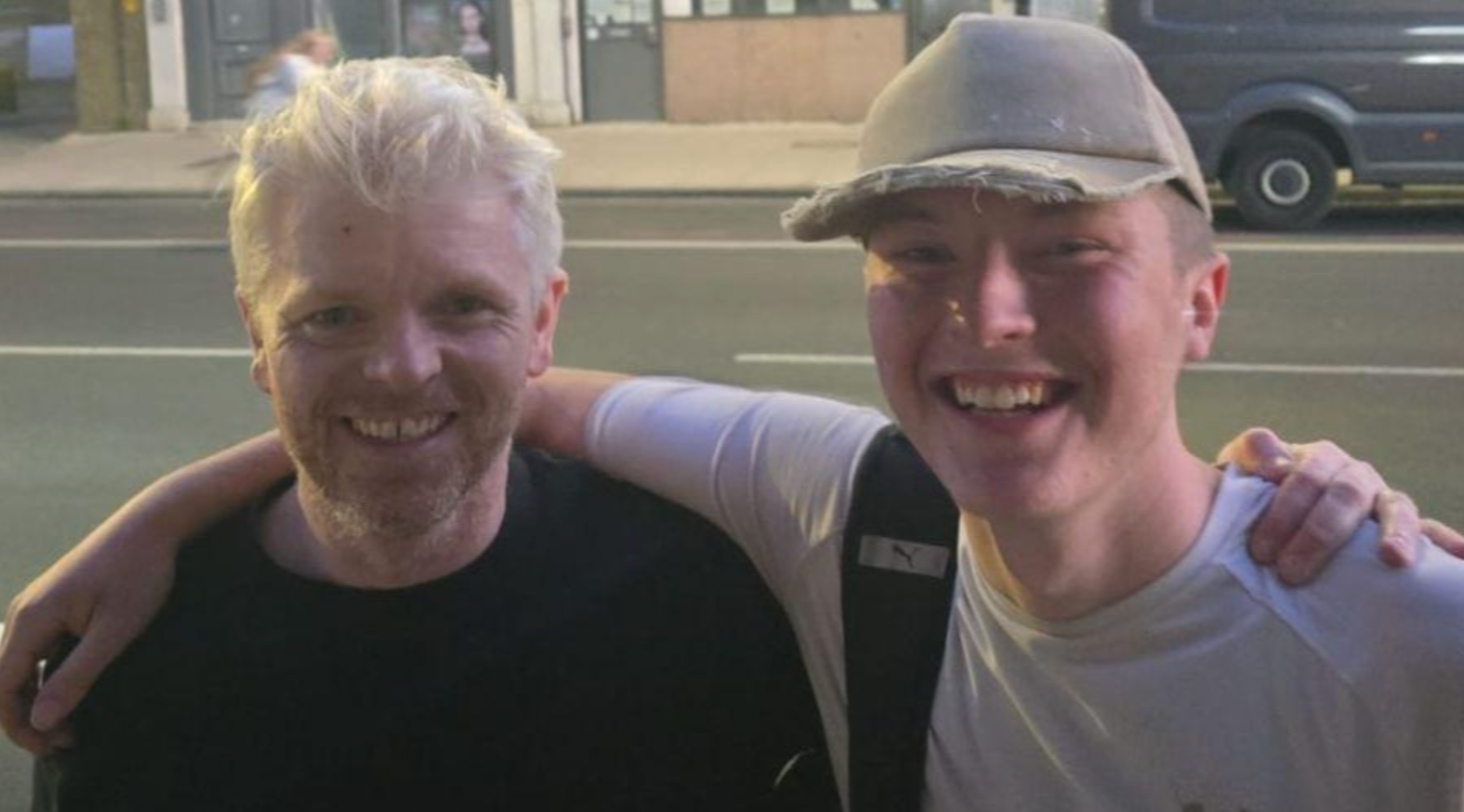
More than a year on, Dillon is now speaking out against the harms of gambling advertising and has called for stronger and more accessible support for those in his position.
He also wants more help to be made available for those struggling with their mental health, and believes that young people need to be able to talk about the issue more openly.
“If you're thinking about going missing, please just don’t do it,” he said. “The impacts that it can have on your family, the people that have raised you... They might not be there 24/7, but there are a lot of people out there who care about you.”
Helen Alves, head of support services at Missing People, said: “Early, accessible support matters so much. By offering a safe space to talk, guidance without judgment, and help before things escalate, we can step in sooner – before young people are pushed into harm, isolation, or disappearance.”
Those who are struggling with a gambling addiction can self-refer to a nearby NHS clinic or contact the National Gambling Helpline, run by GamCare, on 0808 8020 133 for free 24 hours a day, 7 days a week for free information, support and counselling.
For help with debt, the National Debtline can be contacted on 0808 808 4000, and Citizens Advice can also offer support.
Please donate now to The Independent and Missing People’s SafeCall campaign, which aims to raise £165,000 to create a free, nationwide service helping vulnerable children find safety and support.
For advice, support and options if you or someone you love goes missing, text or call the charity Missing People on 116 000. It’s free, confidential and non-judgemental. Or visit www.missingpeople.org.uk/get-help
Takeaways from The Associated Press report on Myanmar's crackdown on cyberscam centers
Myanmar declares a “zero tolerance” policy for cyberscams. But the fraud goes on
Vow to arrest protesters over intifada chant decried as political repression
Pro-Palestine protesters chanting ‘globalise the intifada’ in the UK face arrest
Martin Lewis shares ‘hacks and tips’ for last-minute Christmas shopping
Rare pink fog descends on the UK as Met Office issues weather warnings