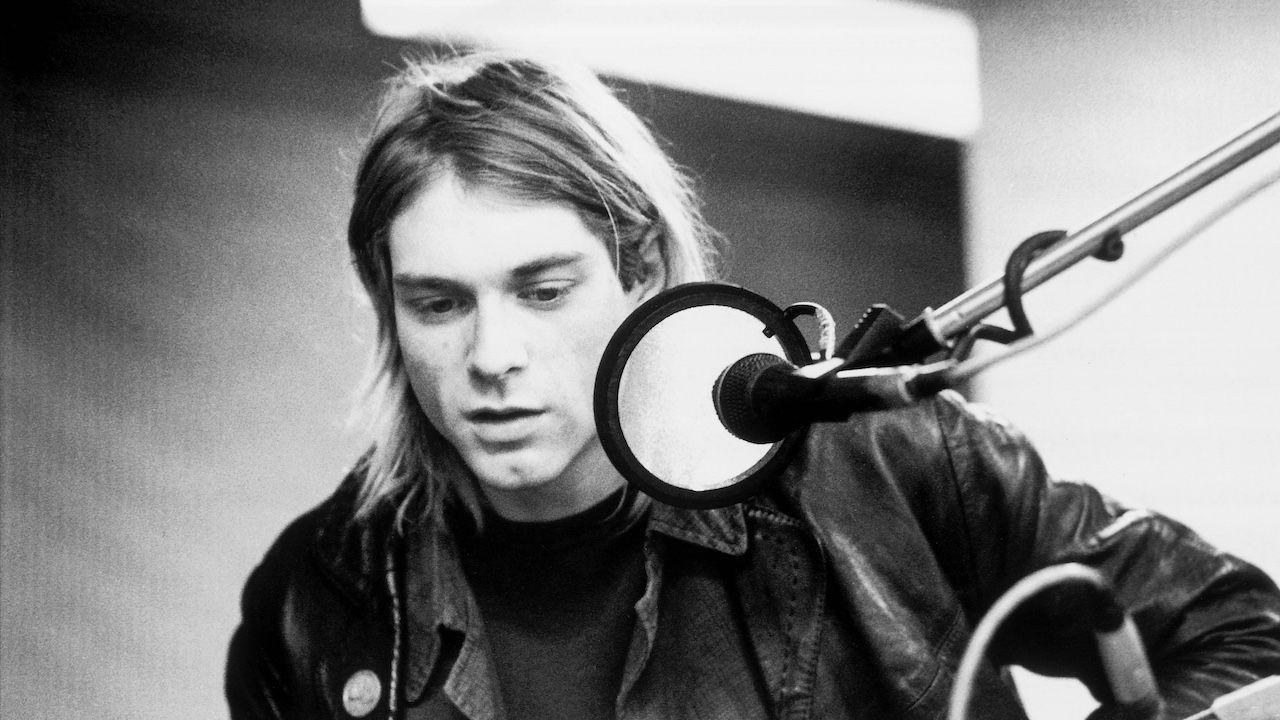
Kurt Cobain may have come to regret Nirvana becoming such an all-conquering, mainstream proposition in the wake of Nevermind’s monstrous success, but in 1990 he was determined that the band’s second record would be the sort of infectiously melodic album that could connect on an epic scale. At that point, they were in between records, their scuzzy debut Bleach having arrived a year earlier, but when it came to recording a single that could be released to coincide with a forthcoming UK tour, Cobain knew exactly what form he wanted it to take. The song that became Sliver was his big pop prototype.
It was a time of flux for the future-grunge giants. Sliver was made whilst Cobain and bassist Krist Novoselic were in the process of auditioning new drummers – look out for a thunderous hitter named Dave, lads! – and so Mudhoney’s Dan Peters stood in for them behind the kit. He was a good fit. “The chemistry was definitely there with Dan, Krist and I,” Kurt said in Michael Azerrad’s Nirvana biog Come As You Are. “We could’ve ended up writing some really good songs together.”
Peters joined them for one of the most on-the-hop recording experiences of their career. In contrast to the slick, high-end recording facilities where they would make Nevermind in the not-too-distant future, Sliver was laid down in double-quick time at Jack Endino’s Reciprocal Recording studios in Seattle whilst the band’s pals Tad were there making an album, Nirvana jumping in whilst their pals took their lunch break.
The song was evidence of the alchemy between this makeshift trio that Cobain had referred to, coming together over a matter of minutes with Kurt claiming to have only written the lyrics moments before they recorded it – an earlier acoustic demo that featured on their mammoth 2004 outtakes and demos compilation With The Lights Out shows the song as fairly fully-formed and suggests that the frontman might have been telling porkies, though.
Kurt has been similarly loose about whether or not the song, which details a boy who has been dropped off by his mum and dad at his grandparents’ house and pleads with his grandma to take him home only to fall asleep in front of the TV and wake up in his mother’s arms. It is alarmingly straightforward and widely believed to be auto-biographical, something Cobain admitted before changing his tune slightly whilst stating that he couldn’t recall ever being scared of visiting his grandparents.
His sister Kim shut that down though, quoted in Charles R. Cross’s band tome Heavier Than Heaven as saying, “It was about being a little boy and wanting to be at home with Mom, not wanting to be baby-sat by his grandparents.” Which, really, anyone who heard or read the lyrics could tell you.
Not that any of that matters. What makes Sliver such an important track in the Nirvana canon isn’t whether it did come together as quickly as Cobain said it did, or whether kid Kurt was truly terrified as visiting his nan but more for the melodic, lean immediacy of the whole thing. This was the sound of Kurt shaping up his songwriting for those hooky big-hitters that would drive Nevermind to such huge success.
“It was a bit of an experiment. I decided I wanted to write the most ridiculous pop song I had ever written,” he told Azerrad. “It was like a statement in a way, I had to write a real pop song and release it as a single to prepare people for the next record. I wanted to write more songs like that.”
Inspired by the pop smarts that R.E.M. and Beat Happening infused into their music without losing any of the alternative essence that made them what they are, he came up with one of the most enjoyably throwaway songs of Nirvana’s career. The key, he discovered, was not overthinking it.
“It has a massive naivete to it,” he continued. “It was done so fast and raw and perfect that I don’t think we could capture that again if we decided to re-record it. It’s just one of those recordings that happen and you can’t try to re-produce it.”
He couldn’t help but introduce a little subversion to the whole thing, choosing the title Sliver purely because he assumed everyone would mistakenly call it Silver instead. There was a sense when he talked about the song, though, that maybe this was a little too straightforward for him – the songs on Nevermind might have retained Sliver’s way of indelible melodicism but none of the lyrics offered such an easy read as to their meaning.
Released as a single in the US in 1990, with a UK release following in January 1991, Sliver became a key track on Nirvana’s B-sides and rarities compilation Incesticide when that arrived in 1993. By that point, of course, Nirvana were one of the biggest bands in the world. Sliver was the starting point. Kurt Cobain had no idea what it would lead to.