With the RAM crisis still in effect, 2026 has not been kind to smartphone OEMs. Motorola is one such victim of the shortage, with prices of its popular midrange and flagship products surging. The Razr Ultra 2026 is among these products, and the situation soils a pretty solid smartphone.
In my time with the Razr Ultra 2026, I can't help but feel that Motorola made a number of concessions to keep the smartphone's price from skyrocketing. However, given the $200 price increase over its predecessor, the Razr Ultra 2026 still feels overpriced for what we get, and therein lies my biggest problem with this phone.
Category |
Motorola Razr Ultra 2026 |
|---|---|
OS |
Android 16 (Hello UX) |
Display (internal) |
7.0-inch, Extreme AMOLED, 1272 x 2992, LTPO 165Hz, 10-bit, Dolby Vision, 5,000 nits peak brightness |
Display (external) |
4.0-inch, Extreme AMOLED, 1272 x 1080 LTPO 165Hz, 10-bit, Dolby Vision, 3,000 nits peak brightness |
Chipset |
Qualcomm Snapdragon 8 Elite |
RAM |
16GB LPDDR5X |
Storage |
512GB |
Rear Camera 1 |
50MP (2.0μm Quad Pixel), OIS, LOFIC sensor, f/1.8 |
Rear Camera 2 |
50MP ultrawide (1.2μm Quad Pixel), f/2.0, 122-degree FoV, Autofocus with macro support |
Selfie Camera |
50MP(1.28μm Quad Pixel), f/2.0 |
Audio |
3 mics, dual stereo speakers, Dolby Atmos |
Connectivity |
5G, Wi-Fi, Bluetooth, NFC |
Security |
Fingerprint sensor, Face unlock |
Protection |
IP48, MIL-STD 810H titanium hinge, Gorilla Glass Ceramic 3 |
Battery |
5,000mAh, 68W wired charging, 30W wireless charging, 5W reverse charging |
Dimensions (open) |
73.99 x 171.48 x 7.19mm |
Dimensions (closed) |
73.99 x 88.12 x 15.69mm |
Weight |
199g |
Colors |
PANTONE Orient Blue with Alcantara Finish, PANTONE Cocoa with Wood |
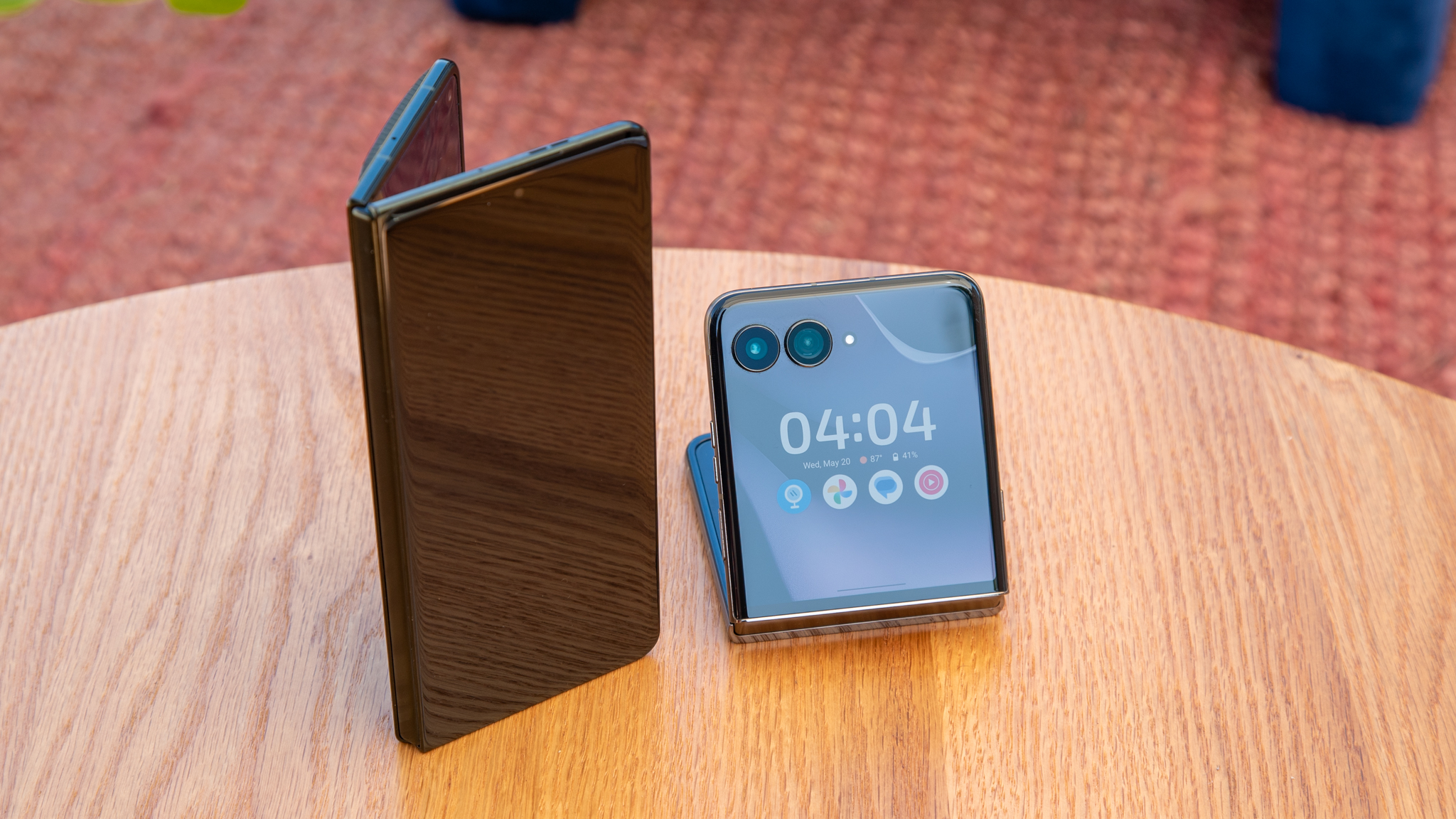
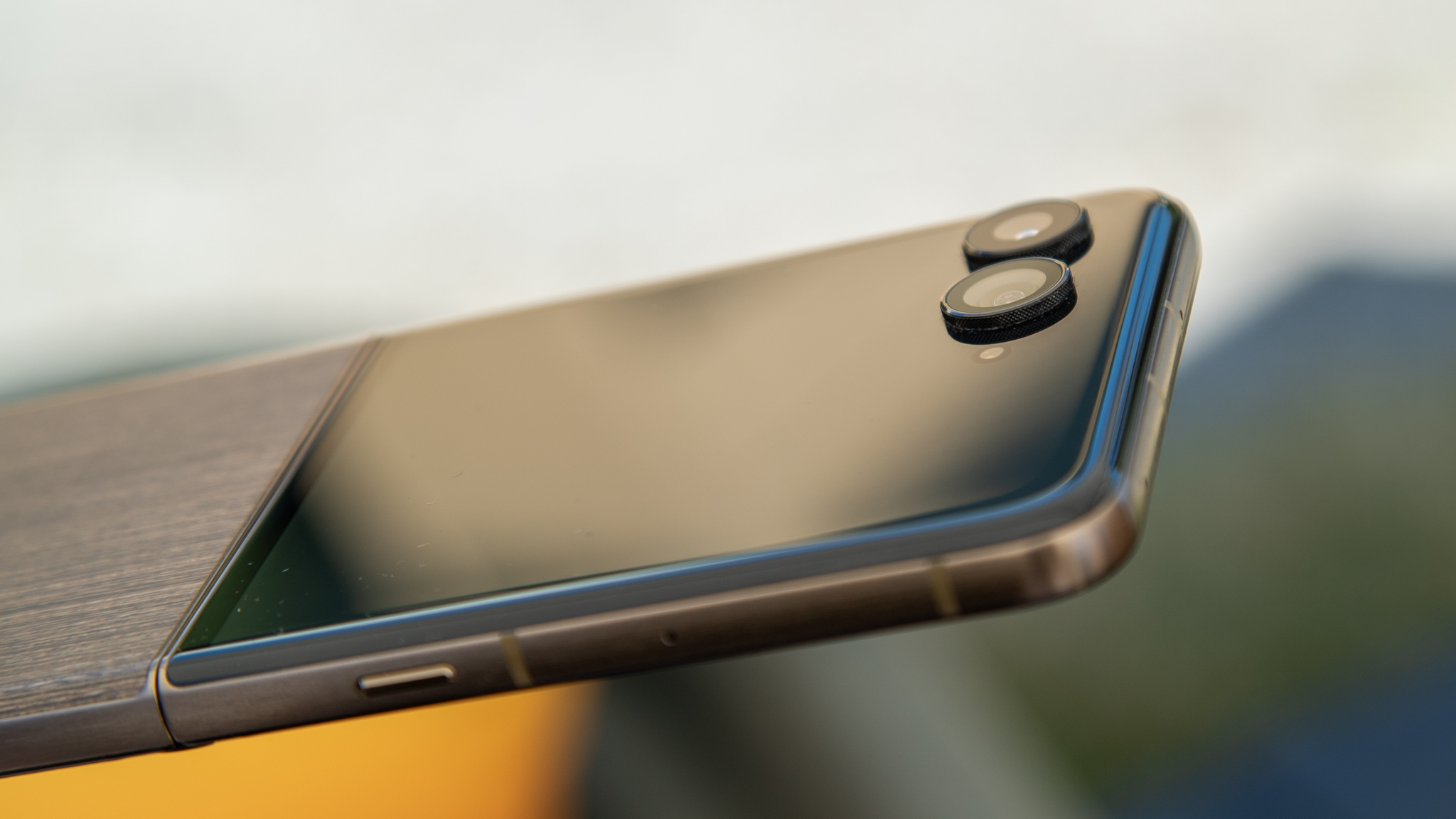
If you read my Motorola Razr Ultra 2025 review, then this one might sound very familiar. That's because Motorola didn't change much about this phone; in fact, the Razr Ultra 2026 has the exact same dimensions as its predecessor. The only noticeable changes are the new colors, which are limited to Indigo Alcantara and darker wood finishes, and the cameras, which protrude slightly more than before.
My unit is the wood variant, and, comparing it side by side with its predecessor, I admittedly prefer the darker wood, which pairs nicely with the brushed aluminum frame. I've noticed that the cameras tend to gather more dust and lint around them, which gets annoying, but otherwise, it's a well-designed phone, as was last year's.
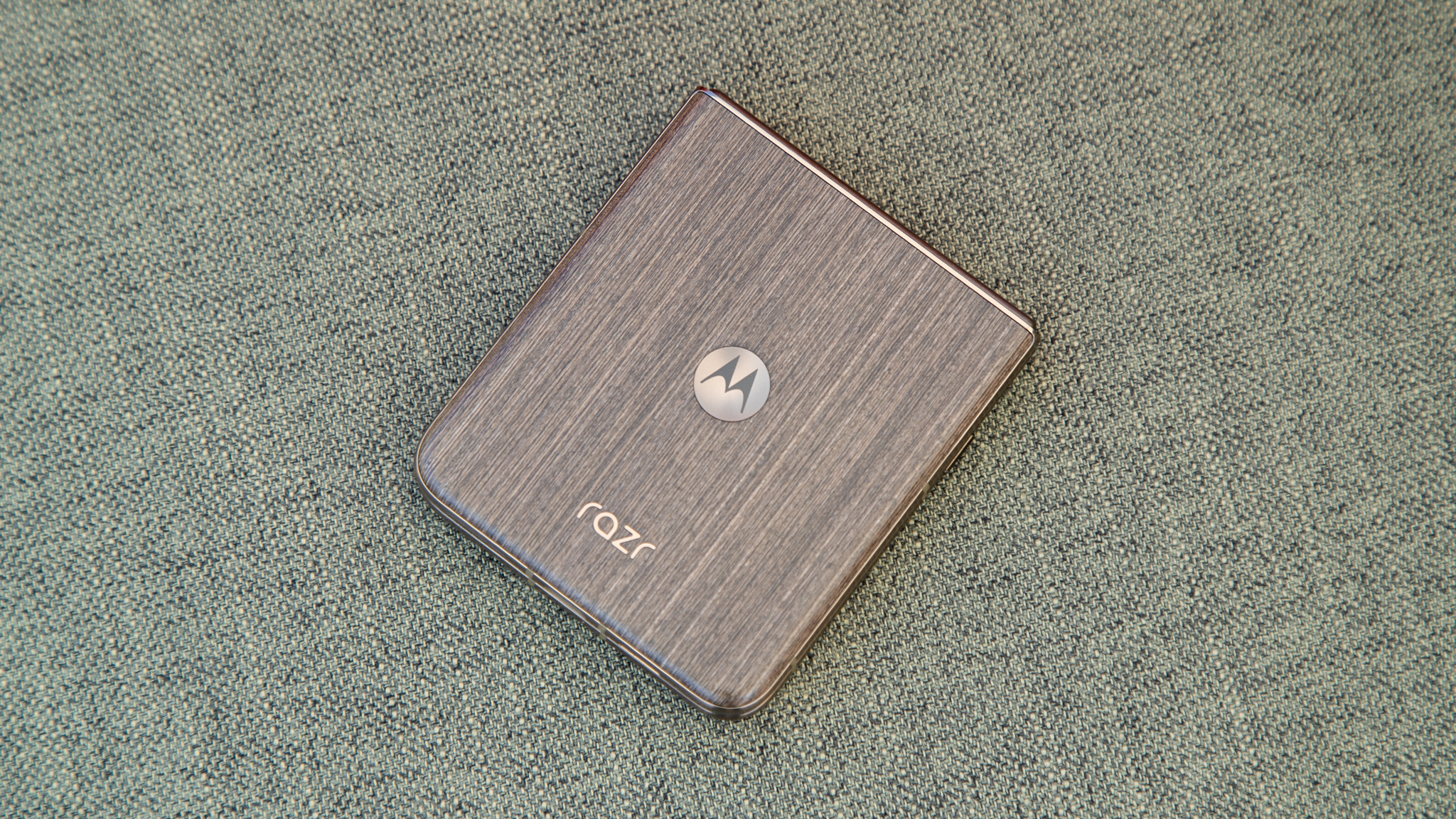
The downside of having the exact same design as last year's phone is that it's no thinner. After Samsung launched the Galaxy Z Flip 7 with a thinner chassis, I was hoping Motorola would go the same route. Flip phones are compact to a point, but folding them in half doubles their thickness. Unfortunately, the Razr Ultra 2026 is still plenty thick when folded, which isn't a huge problem, but when you know what else is out there, it almost seems like a compromise.
That said, Motorola was able to retain the same thickness while increasing the battery capacity by 300mAh. That's no small feat, and the 5,000mAh battery now matches the Galaxy S26 Ultra, allowing for all-day battery life. That's not bad for a flip phone, and it's all thanks to Motorola's use of silicon-carbon batteries, making it the first major OEM to bring the tech to a mainstream phone in the U.S.
Charging remains incredibly fast at 68W. You won't, however, find Qi2 compatibility, although the 30W wireless charging is plenty quick, assuming you have a fast-enough wireless charger.
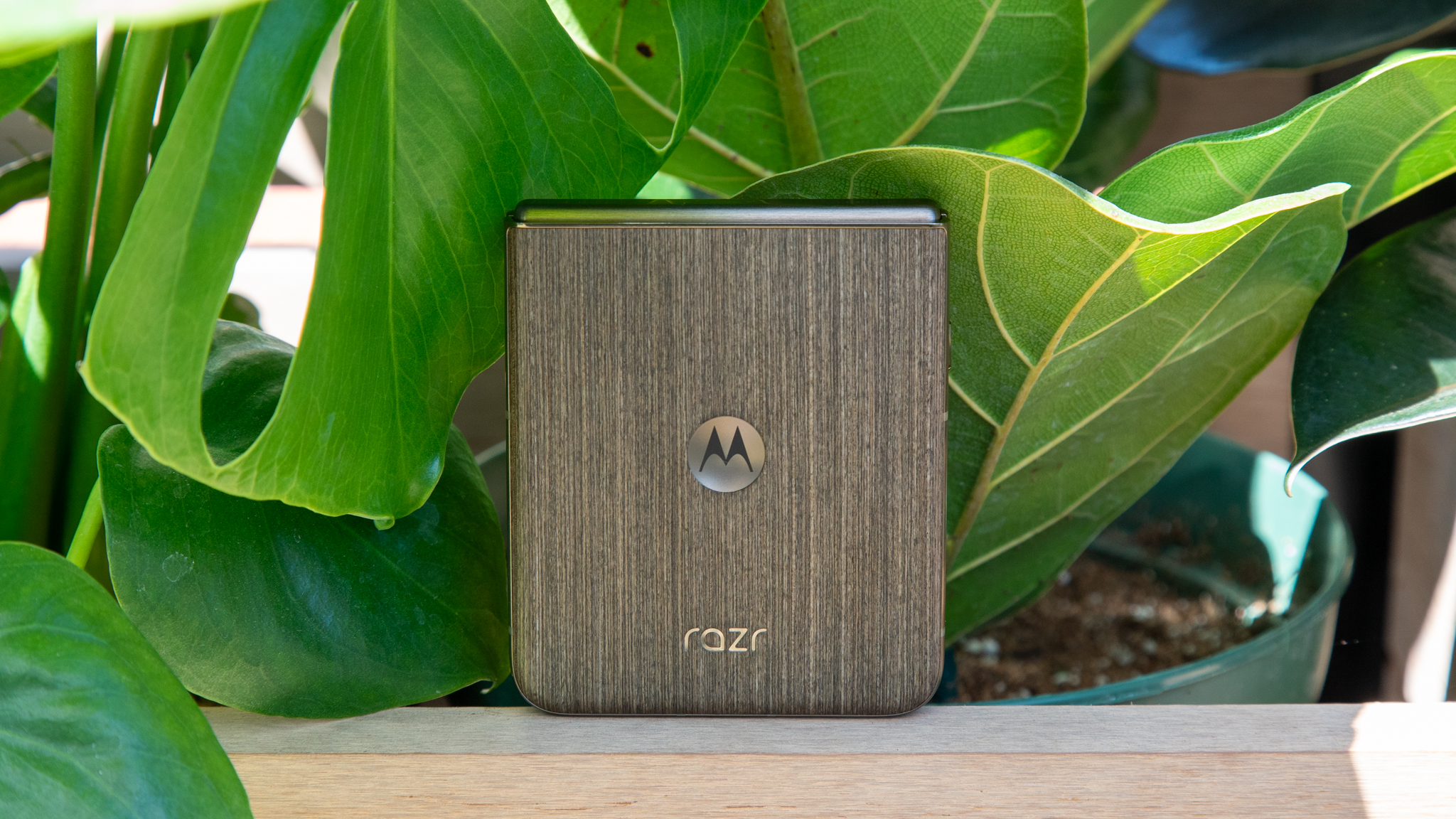
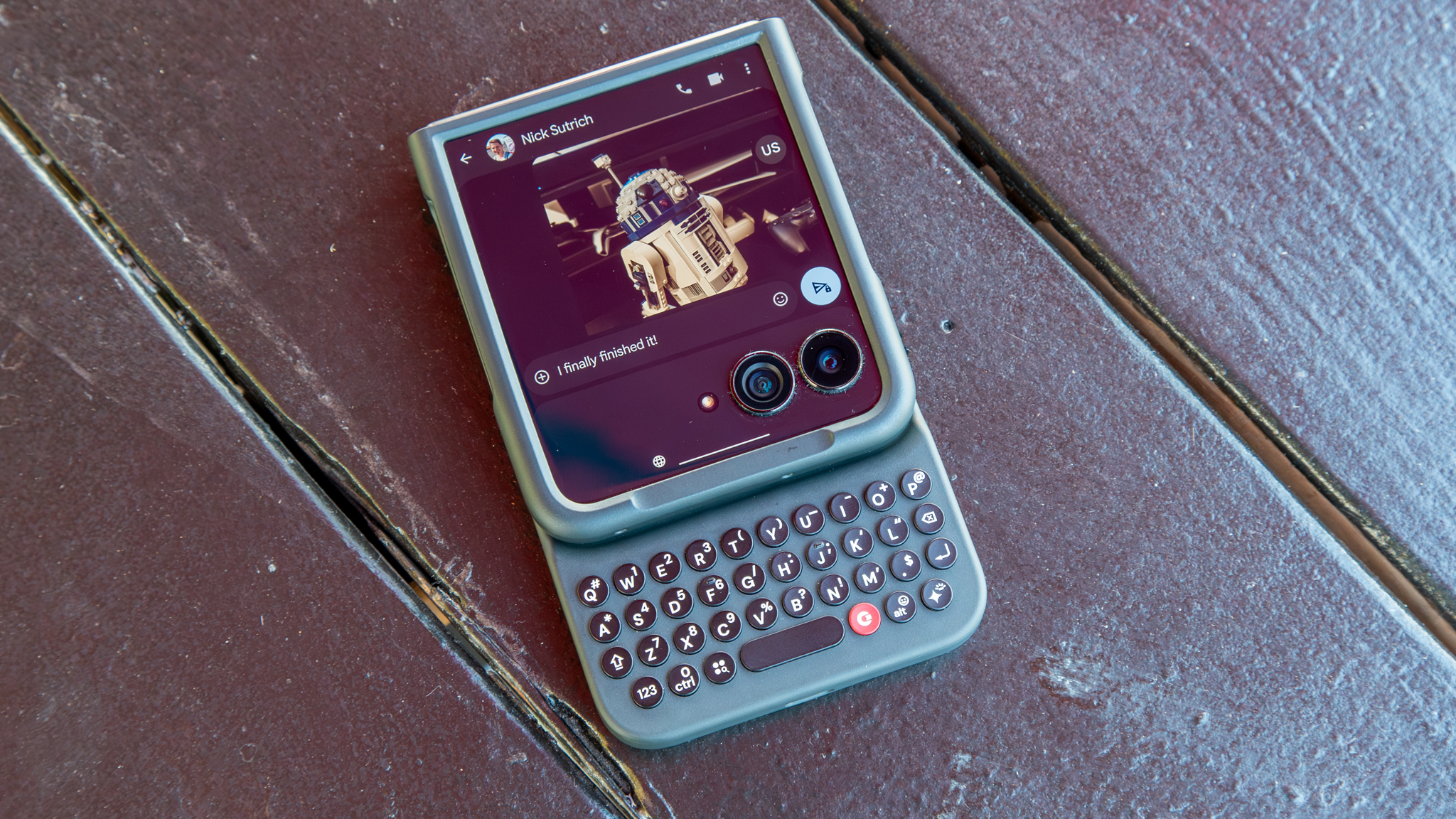
The upside to Motorola using the same design as last year's model is the fact that I can use the same cases. I often hate when companies make the smallest changes to their phones (ever-so-slightly shifting the cameras, mics, SIM trays, etc.) so that you have to buy whole new accessories a mere generation later. With the Razr Ultra 2026, I can still use my Clicks Keyboard, which fits perfectly.
Of course, Motorola introduced new Razr Ultra 2026 cases, but the company still doesn't have many offerings, and you won't find cases from major accessory brands, which remains a huge problem for the company. However, if you decide to go caseless, know that the cover screen is protected by the new Gorilla Glass Ceramic 3, which should prove tougher than the previous generation.
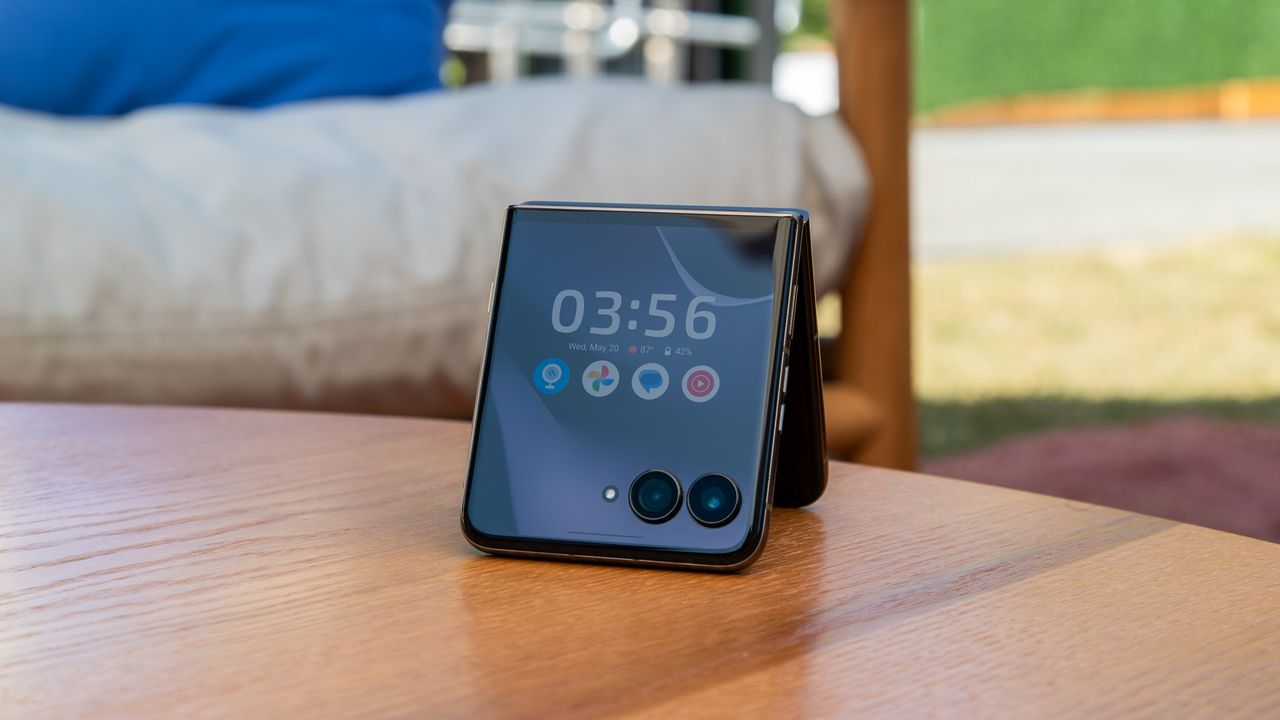
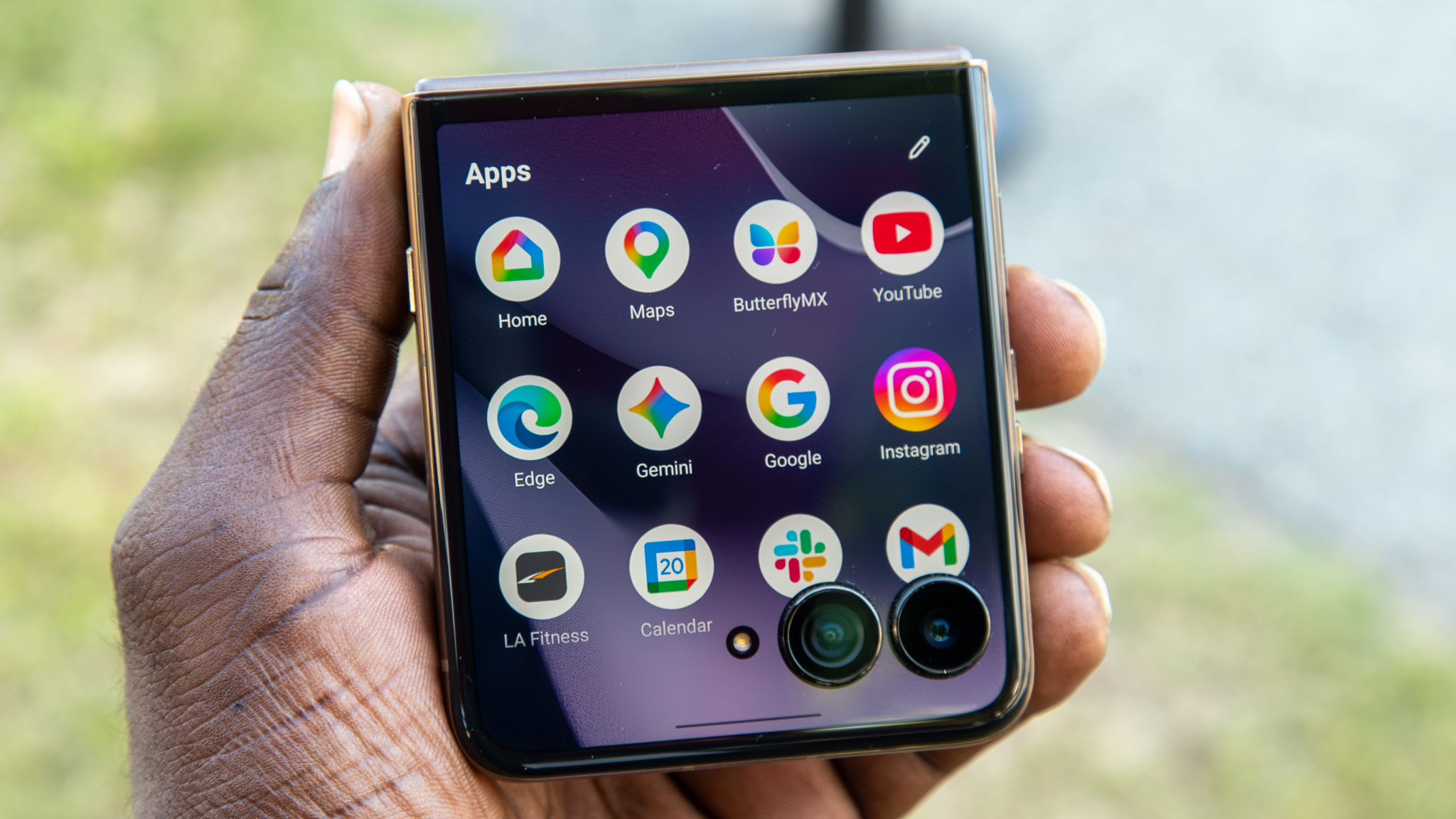
The displays are more or less the same, at least regarding size and resolution. The Super HD resolution keeps things sharp, offering a nice bump over full HD displays, and the new "Extreme AMOLED" panel is brighter than that on the Razr Ultra 2025, so it's noticeably easier to view the screens outdoors, which is particularly nice given how the built-in screen protector tends to obscure the main display a bit.
The cover screen also remains my favorite way to use the Razr Ultra 2026, allowing me to use nearly any app without opening the phone. Android 16 introduced some wonkiness with text input on the cover screen, but that seems to have been mostly fixed here, which is great for Clicks Keyboard users.
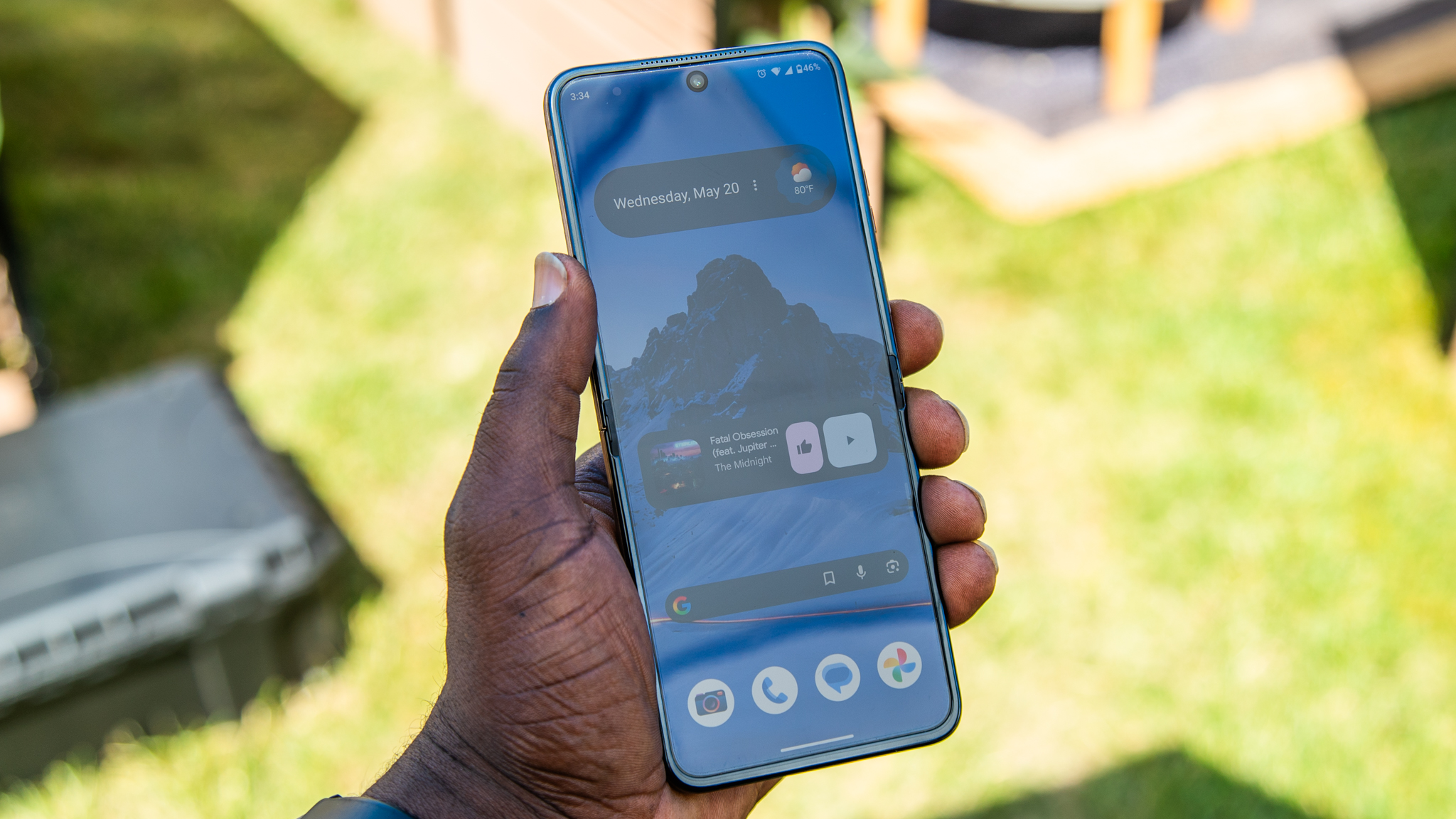
Another thing that has changed a bit is Motorola's software. This latest version of Android 16 on the Razr Ultra 2026 brings some welcome features that haven't yet arrived on the Razr Ultra 2025. This includes newer Android features like Live Updates, which let you track progress in certain apps, such as a rideshare's arrival, and quick access to media via a pill at the top of the screen.
Live Updates are also supported on the cover screen, making the 4-inch display much more useful for keeping track of notifications without opening the phone.
Speaking of the cover screen, Motorola gave it some much-needed love by adding video wallpapers on the lock screen, a feature users have been asking for. I normally don't use them, but their addition is welcome for those who want to bring a little more life to their cover screen experience.
Motorola has also adopted the new Quick Settings menu, which brings resizable tiles. This was one of my favorite additions to Android 16 on the Pixel, since I hated the unnecessarily large tiles before. I previously opted to use Motorola's "Modern" dual-pane Quick Settings/Notification UI, but I ended up leaving the default split UI on the Razr Ultra 2026 and generally preferring it.
Other smaller goodies include a new Depth Effect for the lock screen, which dynamically hides parts of the clock behind specific areas of the lock screen image. There's also a new Battery Protection feature, which revamps the Optimized Charging feature, letting you optimize battery health by setting a charging schedule or using AI to learn your battery's charging pattern.
I was, however, bummed to see that Audio Sharing isn't available in the Connectivity menu, despite its presence on the Razr Fold.
One area that may or may not disappoint, depending on how you look at it, is the chipset. Motorola paired the Razr Ultra 2026 with a Snapdragon 8 Elite chip, opting for the previous-gen flagship chipset (also used in the Razr Ultra 2025) over the newer Snapdragon 8 Elite Gen 5. The only difference here is that the main Oryon cores are clocked slightly higher at 4.47 GHz, though I doubt you'll notice.
Overall, the chip performs very well, and you likely won't have any performance issues. The phone tends to get a little warm on the top half when charging or playing graphically intensive games, but it hasn't been anything concerning.
As far as day-to-day performance, I doubt you'd even notice a difference if the Razr Ultra 2026 used the Snapdragon 8 Elite Gen 5. However, I do wonder if Motorola is missing out on newer features and capabilities by opting for the older hardware. The company's name was missing from phones receiving AirDrop support, and it's unclear if Gemini screen automation will be available, given the newer chip's focus on agentic AI.
When I asked Motorola bout its decision to use the older chip, it seemed confident that it offered everything the Razr Ultra 2026 would need, so I guess we'll have to see just how true that is. That said, it doesn't instill much confidence.
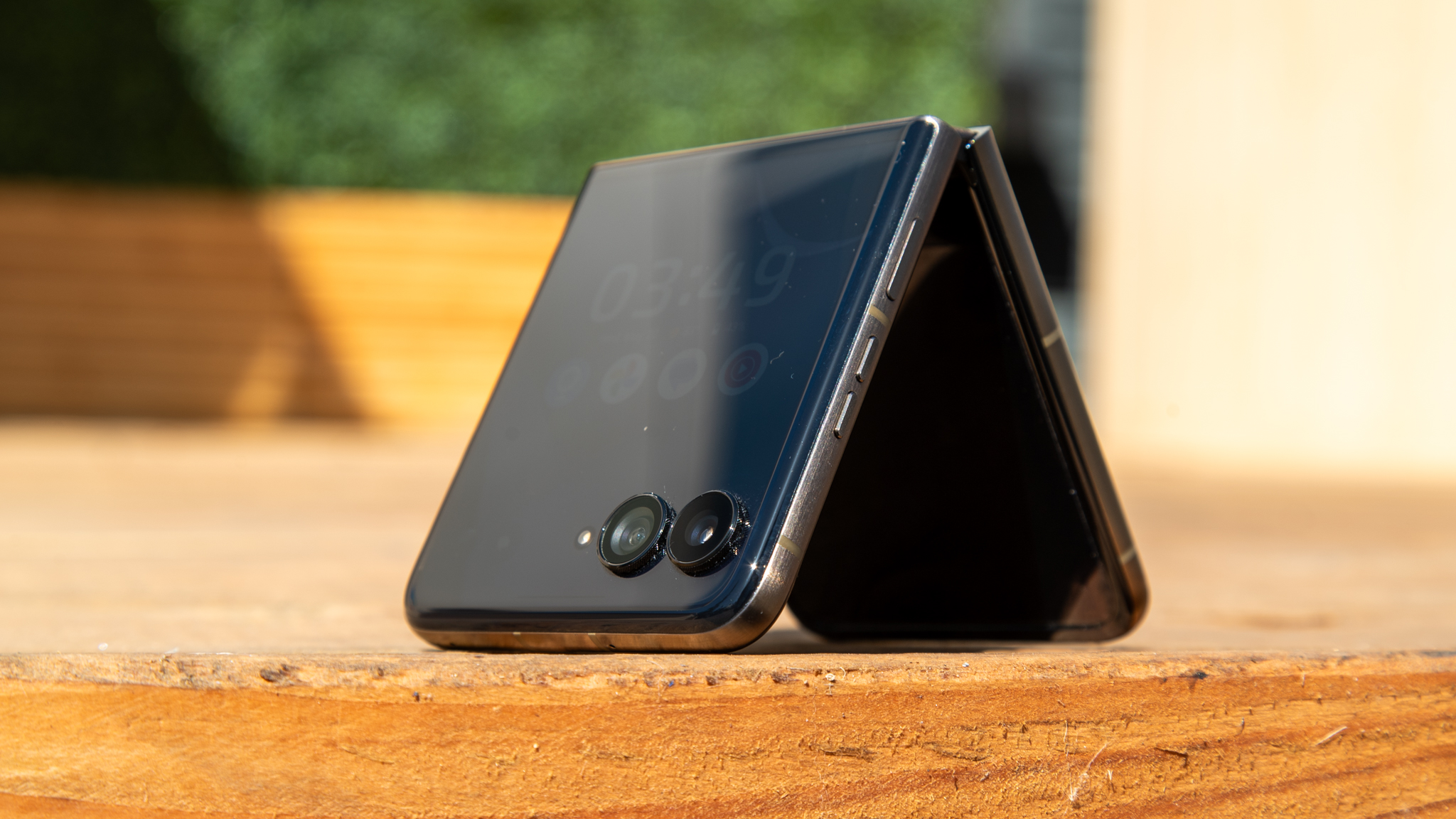
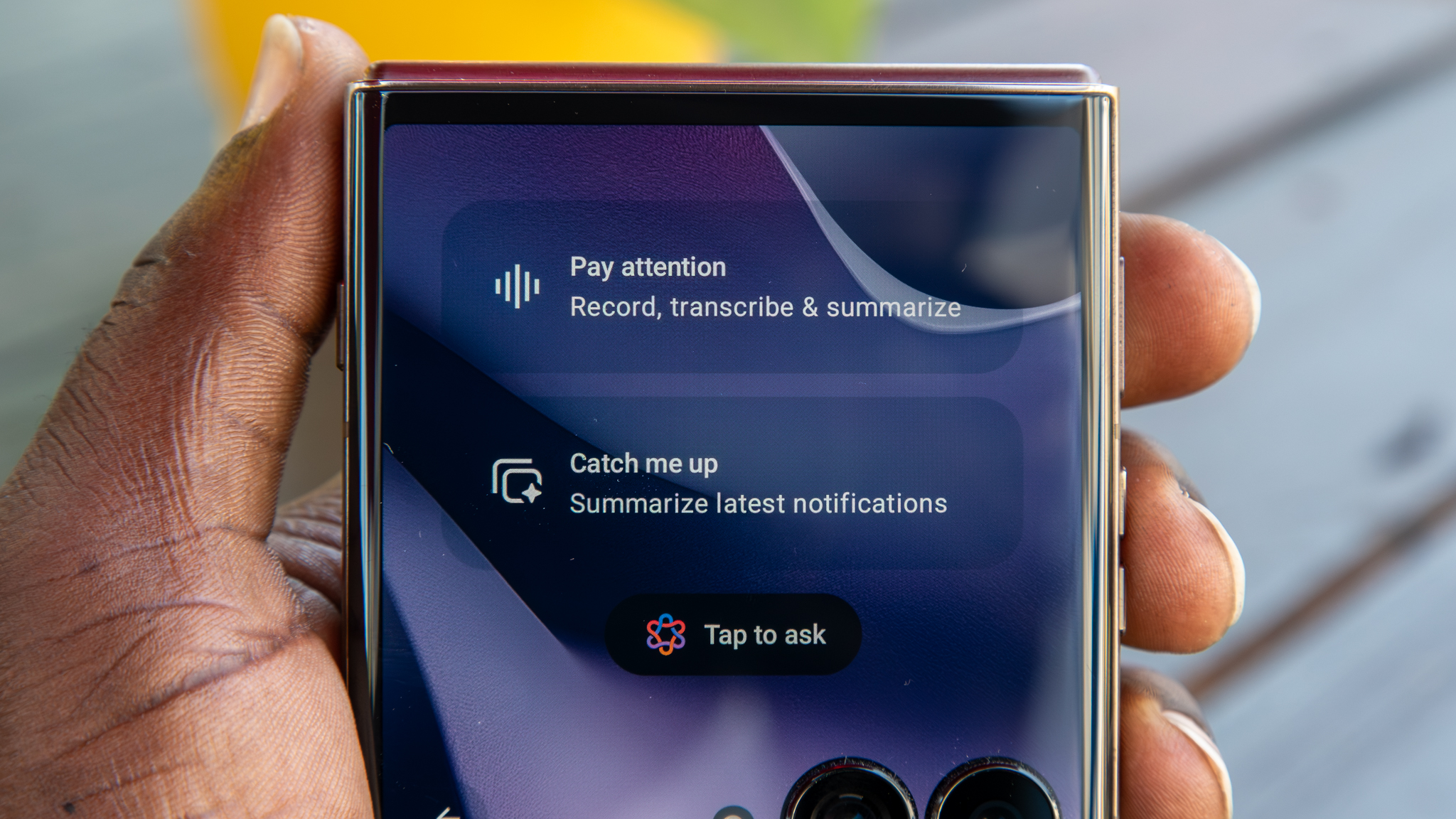
Moto AI is still present here, along with the very limited Moto AI key on the left side of the phone. Given the inability to remap the key, I've largely left it alone during my testing, but I'm holding out hope that Motorola will let us invoke Gemini instead of its own AI chatbot.
I still find Moto AI largely superfluous, given the existence of Gemini, but Motorola has some useful features here, such as Catch Me Up, which sits at the top of the notification panel and summarizes your conversations. Copilot Vision is integrated into the experience, so with a tap, you can have a Gemini Live-like experience where you can ask Copilot about what you're looking at.
And if you like generating images, Motorola's Image Studio is actually pretty decent.
That said, many of these functions can be achieved with Gemini, and Motorola's solutions just feel a bit undercooked by comparison, if not a little disjointed. It's a relatively solid AI suite, but it's not as baked in as Samsung's Galaxy AI, which integrates alongside Google's AI throughout the system. Motorola has already teased an upgraded Qira AI experience that we expect to arrive this year, but we've heard nothing of it since CES.
The camera is one of the few areas where Motorola actually brought in some new hardware. All the sensors are 50MP, but the primary camera uses a new LOFIC sensor, which promises better dynamic range. In my experience, this is largely true, even when comparing it to last year's model.
Image quality is largely on par, but the Razr Ultra 2026 handles tricky lighting conditions better. Images look great, and I'm largely pleased with the photos and video quality, although it won't win any blind camera comparisons. Even zoom quality has improved over the Razr Ultra 2025, with AI seemingly doing a lot more work to retain detail at 10x zoom.

Motorola retains its Action Shot feature, which increases the shutter speed to capture fast-moving subjects, and it works well, although you still can't use zoom while it's enabled, unlike the telephoto-touting Razr Fold. The new Frame Match feature is present, however, which can help you get better vacation photos by creating a scene overlay for others to follow when taking your photo.
Unfortunately, the Razr misses out on the Razr Fold's Video Enhancement engine, which I would love to see here, as it made capturing great concert videos a breeze. Dolby Vision is present for video recording, but I don't like how punchy it makes videos, and I tend to prefer the natural mode.
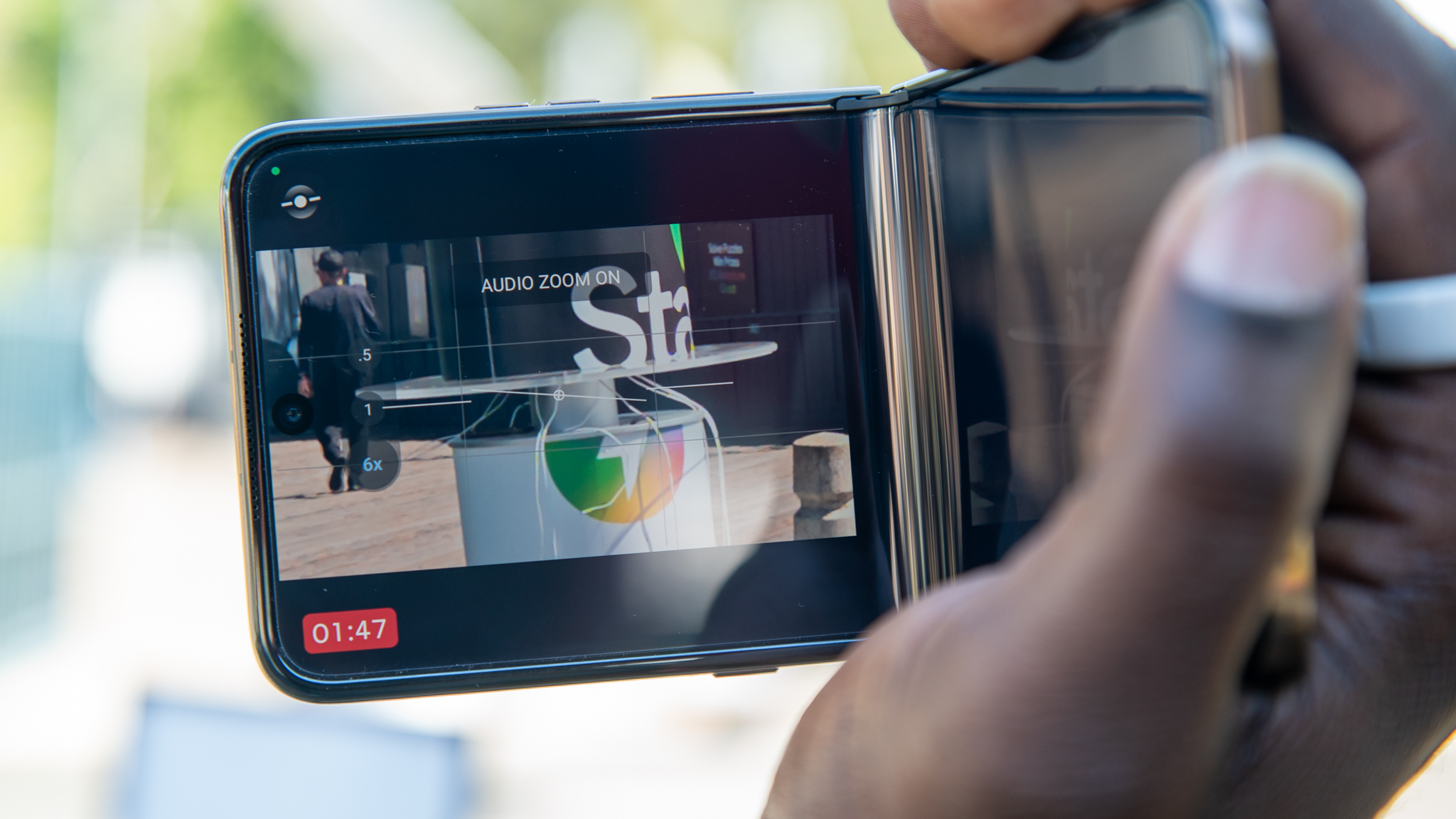
The Razr Ultra 2026 does, however, feature an upgraded Camcorder Mode. It lets you tilt the photo left and right to zoom in and out of a video, which is pretty handy, although it makes it a little difficult to properly control the speed or level of zoom. Fortunately, the option to use your thumb to zoom is still present.
However, a new camera sensor and a couple of new camera features aren't enough to justify the bloated $1,500 price tag. The Motorola Razr Ultra 2025 was already hard to recommend at its $1,300 retail price, but fortunately, there were plenty of deals throughout the year that made it worth buying.
That said, it's pretty telling that the Razr Ultra 2026 won't be available from any carriers, at least as far as we know.
The Razr Ultra 2026 is a good phone, but it's not $1,500 good. I like it just as much as the Razr Ultra 2025, but that's the problem; I should like it more than its predecessor. At this point, I would suggest getting last year's model or splurging on the Razr Fold. Or if you really want a flip phone, you could spring for the base Razr 2026 or Galaxy Z Flip 7. Otherwise, you may want to wait for the Galaxy Z Flip 8 or simply hold out for any Razr Ultra 2026 sales, which we'll obviously be on the lookout for.
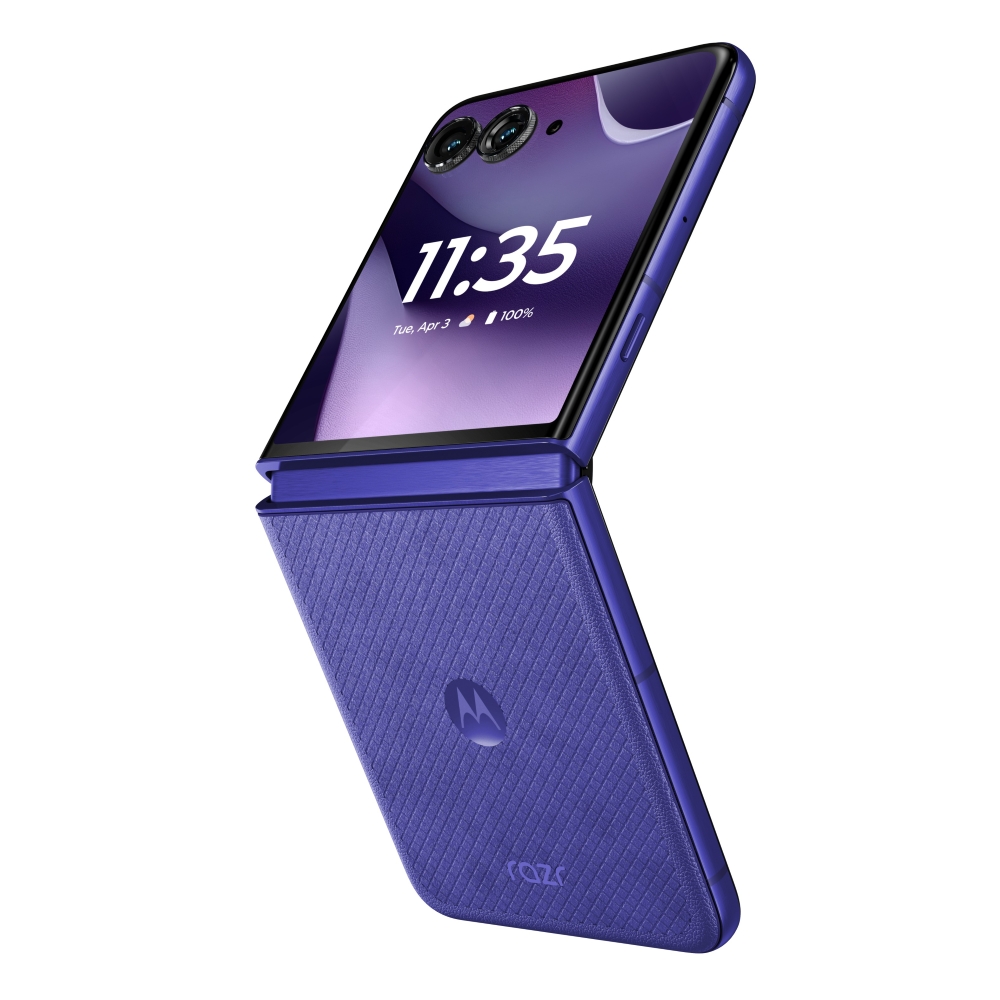
Motorola Razr Ultra 2026
Old dog, new tricks
The Razr Ultra 2026 may be identical to the Razr Ultra 2025, but it features notable upgrades, including a larger battery, a better camera, and brighter displays. Plus, it comes with plenty of new Android features, with more to come for the next several years.