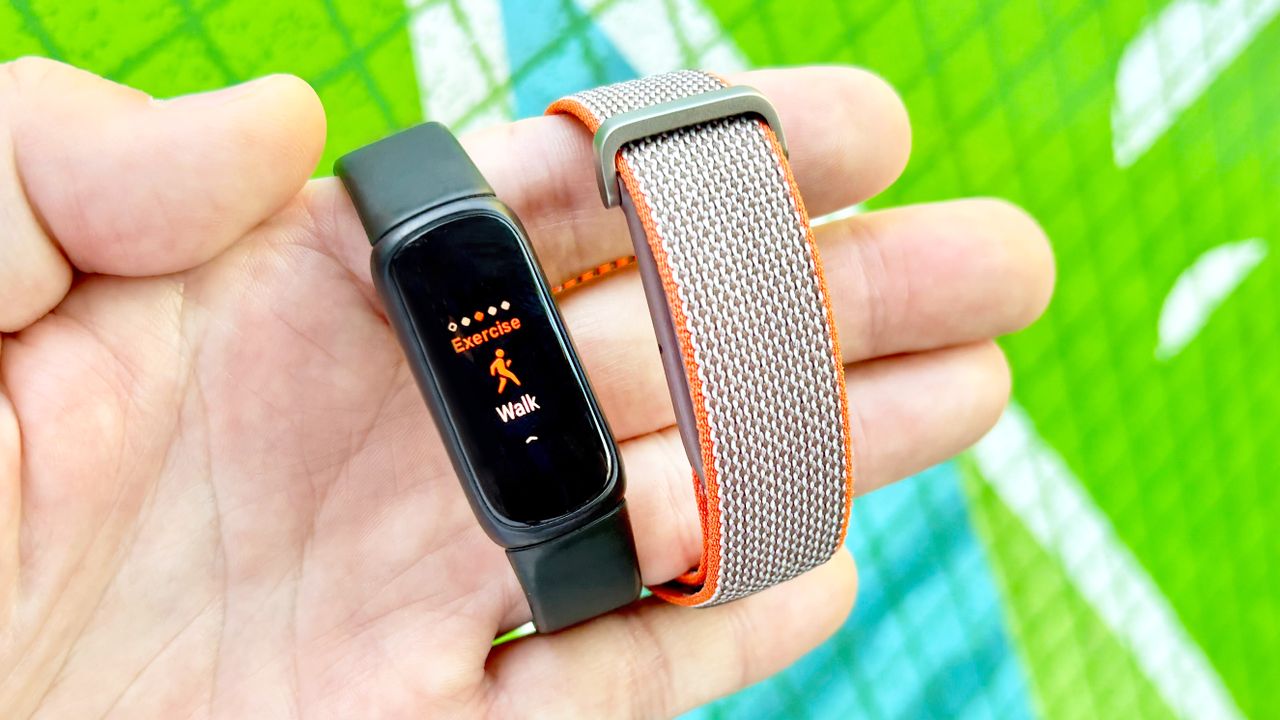
Which $99 Fitbit fitness tracker is more accurate, the Fitbit Inspire 3 or the newer, screen-free Fitbit Air? Both devices performed admirably in our review test process, but is one more reliable than the other? I decided to find out.
On a picture-perfect cerulean Seattle summer day, I took one for the team and walked 3,500 steps with the Fitbit Inspire 3 strapped to my left wrist and the Fitbit Air affixed to my right.
How do I know I walked exactly 3.5K steps? I counted each and every one, clicking my trusty manual tally counter to note every hundred, before starting the count over at one.
While my manual count was a control for steps, I used the Strava app on my iPhone 16 Plus as a control for distance, pace, and elevation gain. Ultimately, one of these top-performing fitness trackers proved more competent. Was it the Fitbit Air or the Fitbit Inspire 3? Read on for the results.
Fitbit Air vs Fitbit Inspire 3: key differences
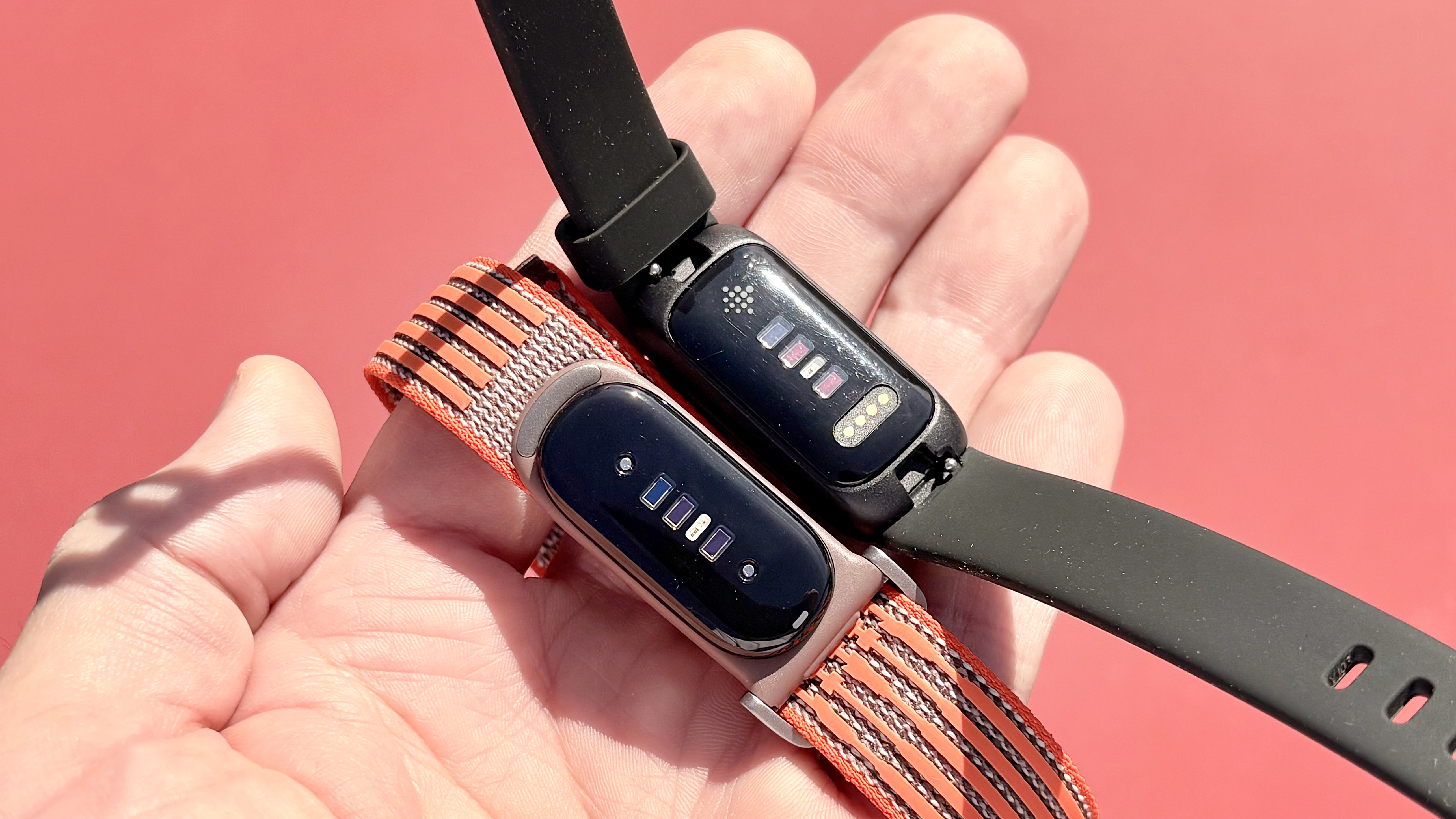
I’ve already gone in-depth concerning the pros and cons of the Fitbit Air vs. the Fitbit Inspire 3. But as a quick refresher, both wearables are compact and record the basics, like sleep quality, workouts, women’s health, and overall well-being.
The most notable difference: The Fitbit Inspire 3 has a screen — albeit a tiny one — for mirrored smartphone notifications, starting workouts, and viewing stats. The Fitbit Air, meanwhile, is screen-free and distraction-free.
They each cost $99, though the Inspire 3 is frequently on sale for less (It's just $79 via Amazon as of publishing). When it comes to logging outdoor workouts, like walks, neither has an onboard GPS, so you’ll need to carry your smartphone along (as I did) for accurate location-based metrics.
Now, on to the results of my 3,500-step walk test with the Fitbit Air vs the Fitbit Inspire 3.
I walked 3,500 steps with the Fitbit Air vs Fitbit Inspire 3
Fitbit Air |
Fitbit Inspire 3 |
Control |
|
|---|---|---|---|
Steps |
3,501 steps |
3,517 steps |
3,500 steps (manual count) |
Distance |
1.89 miles |
1.62 miles |
1.90 miles (Strava) |
Climb |
210 feet |
n/a |
246 feet (Strava) |
Average pace (elapsed) |
18 mins 07 secs per mile |
20 mins 33 secs per mile |
17 mins 56 secs secs (Strava) |
Average heart rate |
117 bpm |
121 bpm |
n/a |
Max heart rate |
136 bpm |
145 bpm |
n/a |
Calories burned |
253 calories |
278 calories |
n/a |
During my roughly 34-minute walk, I took exactly 3,500 steps. The Fitbit Air was more accurate, with a total that's off by just a single step. Strava, for what it's worth, noted a total of 3,510 steps.
The Fitbit Air recorded nearly the same total distance covered as Strava, while the Inspire 3 was off by nearly a third of a mile.
"The Fitbit Air's elevation tracking data has proven less than reliable in my testing, but at least the tracker provides the metric (unlike the Inspire 3)."
The Air's pace data is pretty darn close to Strava's. I didn't pause at any point during the walk, so I expected roughly the same pace from all three tracking methods. That may be the case for the Fitit Air, but not the Inspire 3.
Despite noting less distance covered, the Fitbit Inspire 3 recorded slightly higher heart rate data than the Air and more calories burned.
Fitbit Air vs Fitbit Inspire 3: Winner
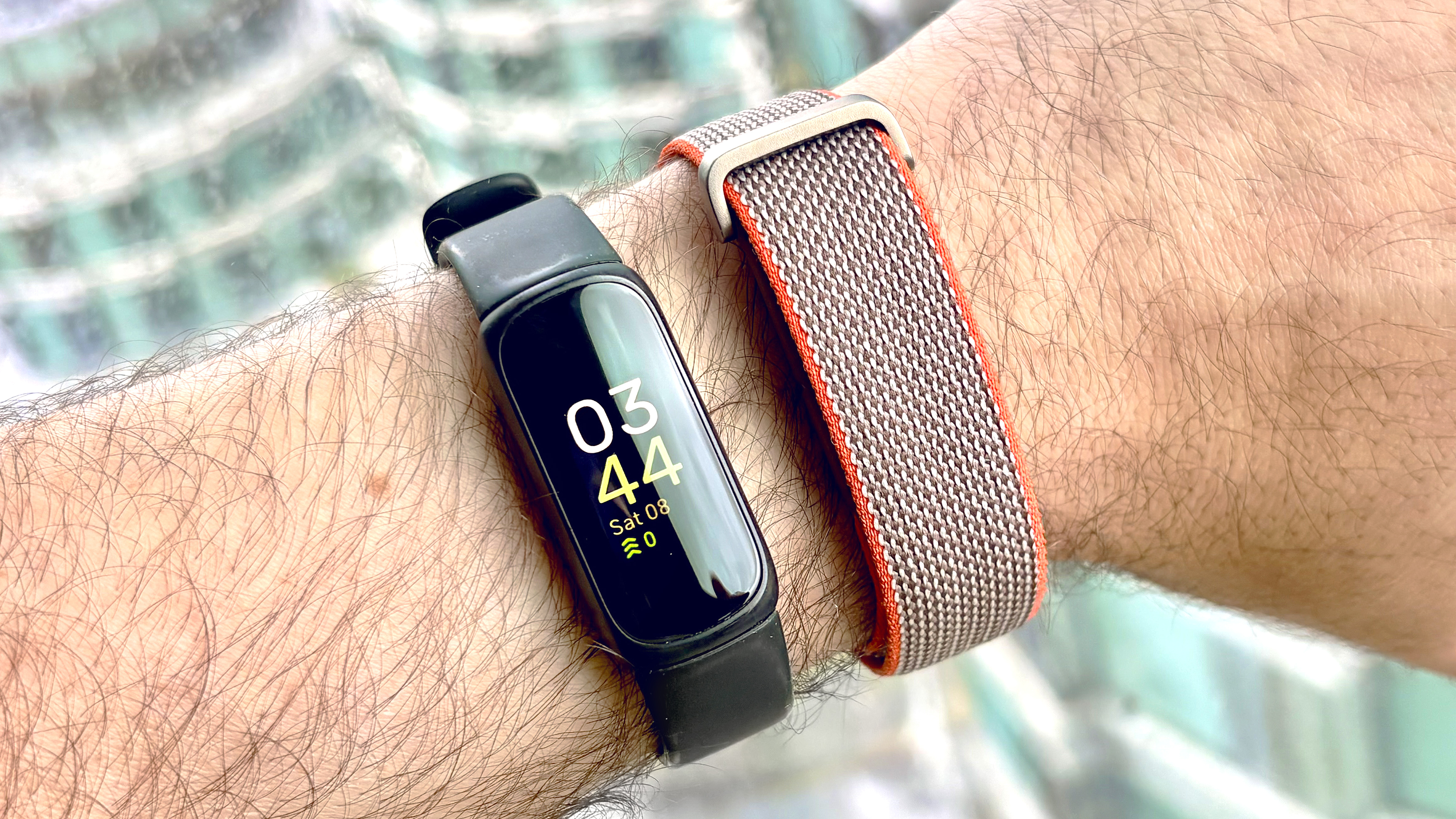
The Fitbit Air is the clear winner of this head-to-head fitness-tracking accuracy showdown against its older sibling, the Fitbit Inspire 3.
Ultimately, the Air has newer hardware and represents the latest in Google's holistic tech. The Fitbit Inspire 3 may record most of the same metrics, but the Fitbit Air does so with better overall accuracy.
Which fitness trackers or smartwatches should I test head-to-head next? Let me know in the comments below.