
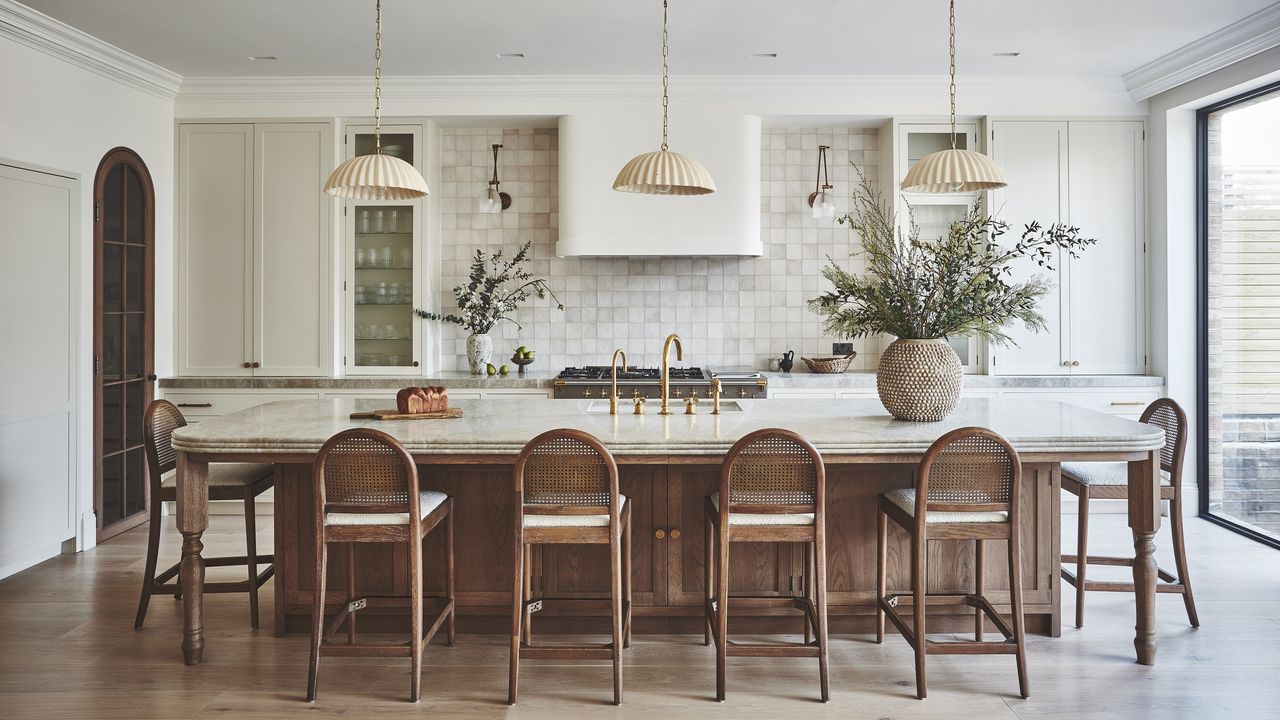
Do you dream of a sprawling kitchen with capacious cabinets, a generous island, and a beautiful dining table to seat the whole family for an evening meal? Me too, but for most of us, a kitchen that can comfortably accommodate all three remains a pipedream. Storage is, of course, a priority, but when forced to pick between an island and a dining table, which one should you choose?
In the last few decades, the role of modern kitchens has shifted. They're no longer purely culinary zones for cooking. Instead, they've evolved into an open-plan hub that seamlessly incorporates dining, socializing, and everyday family life. Within these plans, the kitchen island has become a blueprint staple, offering ample prep space and, in many cases, doubling up as a bar-style dining spot. And yet, while convenient for quick meals, this isn't the setting for a more formal affair.
That distinction typically falls to the dining table, something many of us choose to incorporate into our open concept kitchens. But when square footage is limited, and there's only room for one, how do you decide which will serve you best? Do you sacrifice valuable prep space for a traditional dining table, or would you keep the expansive island — the undisputed heart of the modern home — and forgo a dedicated dining area altogether? Whether you're remodelling your existing kitchen or searching the market for the perfect new home, I spoke with kitchen experts to find out which team they're on.
When Should You Choose a Kitchen Island?
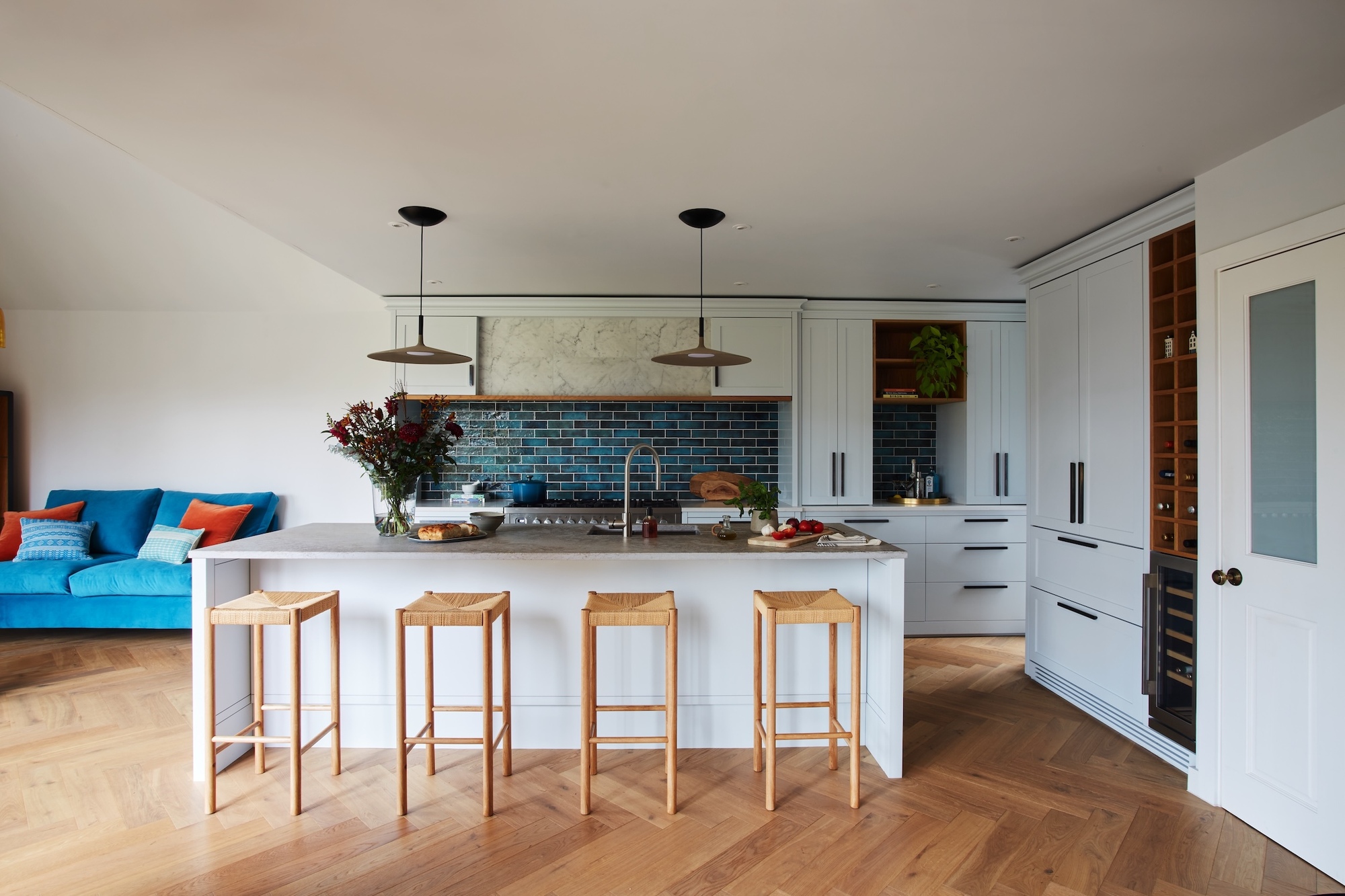
Kitchen islands have become a mainstay of modern kitchens. Besides offering extra counter space, they help to break up a layout, add aesthetic appeal, and provide the potential for seating. In essence, they're the perfect blend of style and practicality.
Nathan Kingsbury, Creative Director of Nathan Kingsbury Design, notes that islands are probably the most sought-after kitchen feature. "They're a practical choice as they bring plenty of extra prep space, which is invaluable in busy kitchens," he says. "They also provide tons of additional storage, often in the form of deep drawers, which is perfect for storing pots and pans."
Besides these functional credentials, the island has also become synonymous with the heart of the home, giving it a more social status in our homes. In recent decades, they've therefore evolved into a sort of hub — a space for the family to assemble at breakfast, for example, or a place to write letters or for the kids to do homework. As Al Bruce, Founder of Olive & Barr, puts it: "The kitchen island instantly feels more sociable and encourages conversation and connection with family and friends".
If a dedicated dining table isn't at the top of your priorities list, an island works brilliantly as something of a multi-tasker — think coffee table, bar, and cookspace combined. These days, with the busy demands of work schedules and changing family dynamics, traditional sit-down dinner times might be rare in your household anyway, while an island is sure to be used by everyone and anyone.
What Are the Drawbacks of a Kitchen Island?
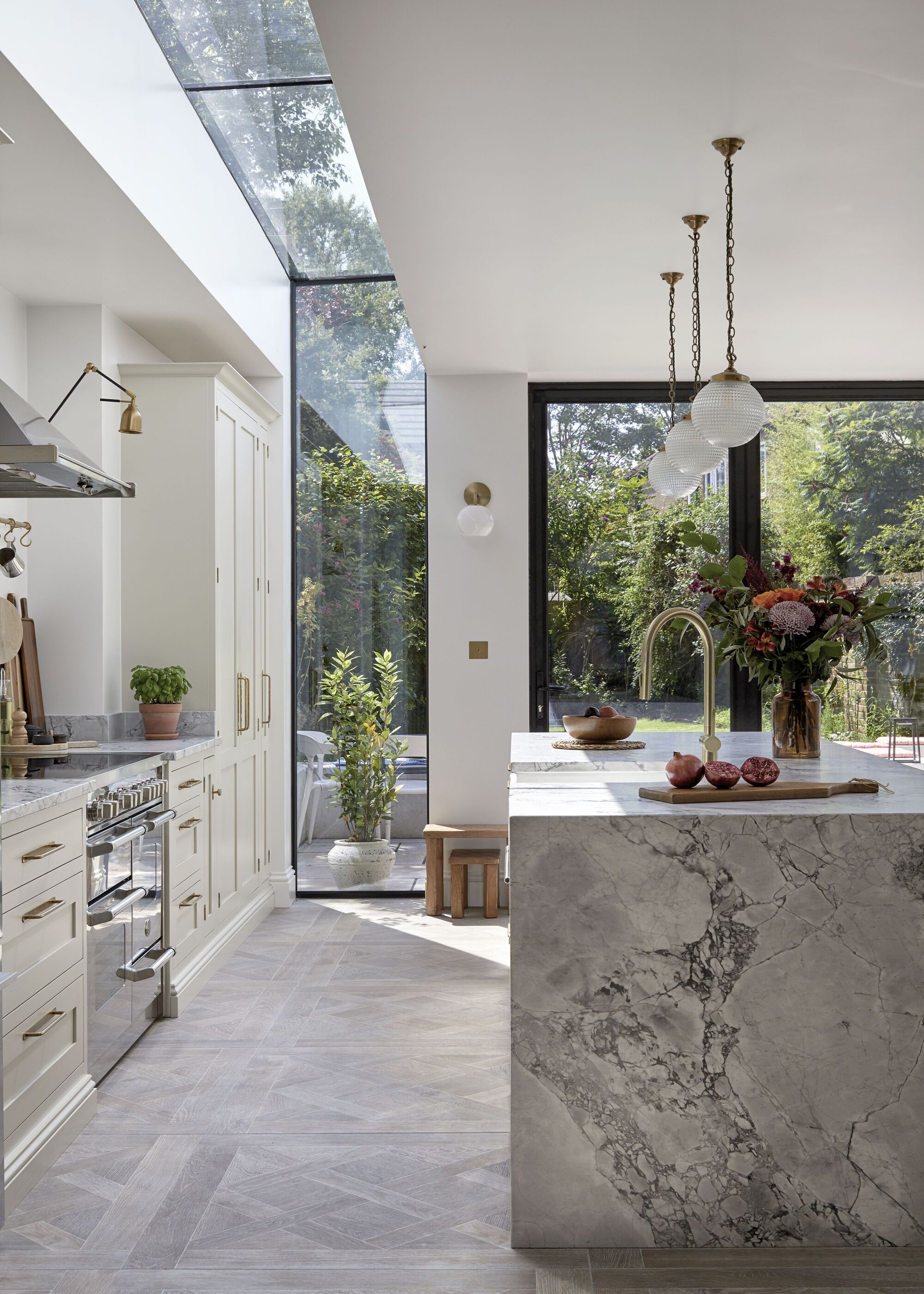
That being said, kitchen islands aren't without their pitfalls. "Typically, an island is a fixed piece of furniture, meaning there is less flexibility to move or adapt as needed," notes Al. "They also require ample circulation space, which can make them impractical in more compact rooms," says Nathan. "If poorly designed, this means they can interrupt the classic kitchen work triangle."
To decide whether you really need a kitchen island, consider how you use your kitchen — do you prefer a dedicated culinary area that's separate from the rest of the family, or would you prefer a more social, integrated space? If you lean towards the latter, a kitchen island is probably better suited to your needs, especially if your kitchen could also benefit from increased storage, extra counter space, and a more streamlined appliance layout.
When Should You Choose a Dining Table?
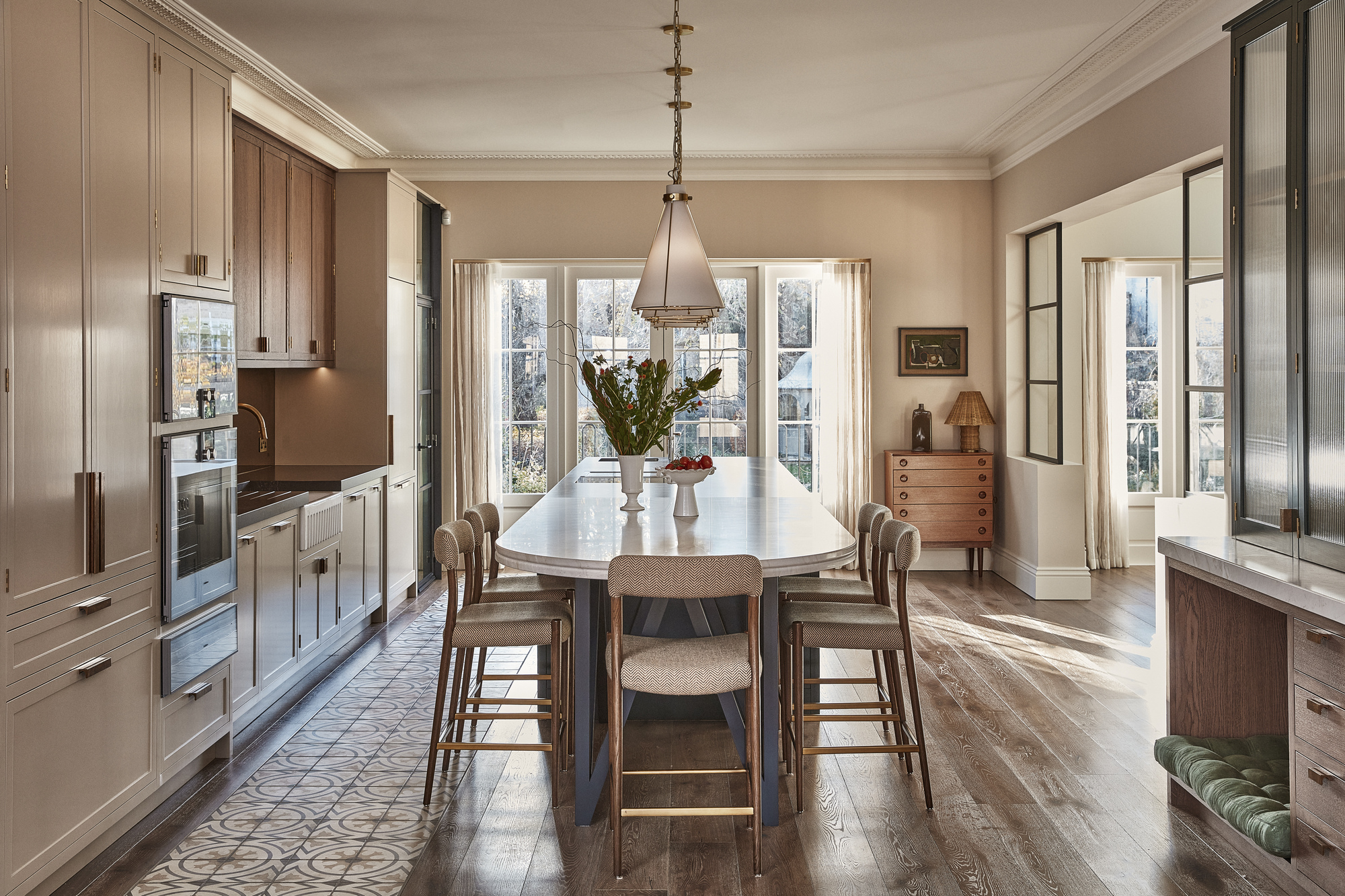
While traditional dining room ideas might be falling out of favor, most of us haven't relinquished a dining table completely. Instead, they've become a standard feature of open-plan kitchens, especially those that are too small or narrow for an island, or those with a more contained blueprint, such as L- or U-shaped kitchens.
Nathan says traditional dining tables offer benefits that islands can't replicate. "They provide comfortable seating for longer meals, ideal for families and entertaining," he says. "They also act as a dedicated social zone that's separate from the cooking area, providing a destination for you to entertain and socialize with loved ones before, during, and after meals."
Unlike an island, there's also a certain degree of flexibility and versatility associated with this sort of freestanding furniture. "They can be moved, extended, reconfigured, and can double up as a work-from-home or homework space too," Nathan notes.
And of course, if seating the family for evening meals is important for you, then there's probably a greater need for a dining table compared to an island. In terms of use, dining table trends remain conventional. They've long been the setting for family memories, whether it's simple conversations after a midweek meal, or long afternoons celebrating holidays like Thanksgiving or Christmas. Since the lower chair height and extended surface area make them more comfortable to sit at, a table invites you to linger far longer than stools at an island.
Lastly, from a style perspective, these chairs (and the table itself) offer more opportunities to customizable your style and add some personality to a stark, clinical kitchen. Unlike an island — typically an extension of your countertop and cabinet style — you can introduce different materials, patterns, colors, and textures to zone your open plan kitchen and add more character and charm.
What Are the Drawbacks of a Kitchen Dining Table?
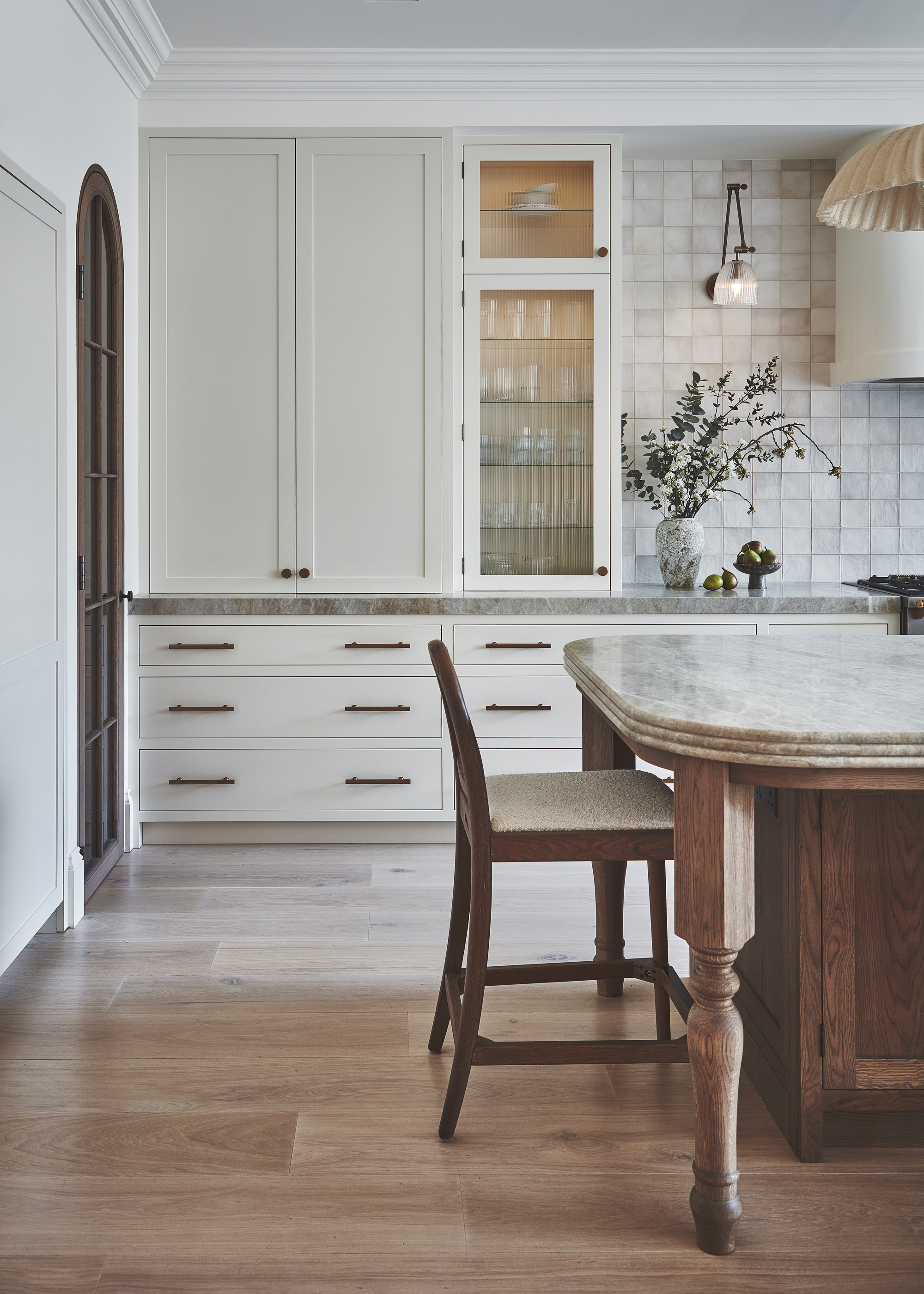
All this being said, a dining table may not be used enough if your household tends to eat more casually. "If this is the case, they can become a magnet for clutter, acting as a drop-off zone for everything life throws at you," says Nathan. "They're also completely separate from your kitchen's work area, so they wouldn’t naturally provide additional prep or cooking area," says Al. "You’re less likely to use it for chopping, setting down pans, or messy tasks."
And if kitchen storage is at a premium, a dining table doesn't rival an island when it comes to multi-tasking. An island can offer extra cabinetry down below, prep space on the surface, and can even integrate appliances like an oven or sink, maximizing space elsewhere in your kitchen. A dining table is only a suitable alternative if your kitchen's layout and storage needs are already met.
Is a Dining Table Or Kitchen Island More Useful?
So, which one comes out on top? Like most design decisions, the answer isn't clear-cut. Kitchen islands and dining tables both have their own benefits and drawbacks, so the ultimate decision really depends on your unique kitchen space and living habits.
In this day and age, however, Nathan says the kitchen often wins. "For everyday living — from quick breakfasts and homework sessions through to family chats — it often comes out on top, offering the ability to multitask and constant usability," he says.
Al agrees, but urges integrated seating to maximize the island's potential, even if it's a small kitchen island. "It’s incredibly multifunctional as it offers a practical work surface, a social hub, and a natural place for the family to gather," he explains. "An island bridges cooking and dining beautifully, so whether you’re preparing mid-week meals or hosting friends for a long, relaxed evening, it carries you effortlessly from task to task."
If you look at the bigger picture, then you don't actually have to choose between an island and a dining table at all. Kitchen islands with seating are now the default — whether it's a cozy banquette or casual bar stools — and while they're not ideal for lengthy mealtimes or formal occasions with the extended family, that doesn't mean they can't be the setting for your regular evening meal.
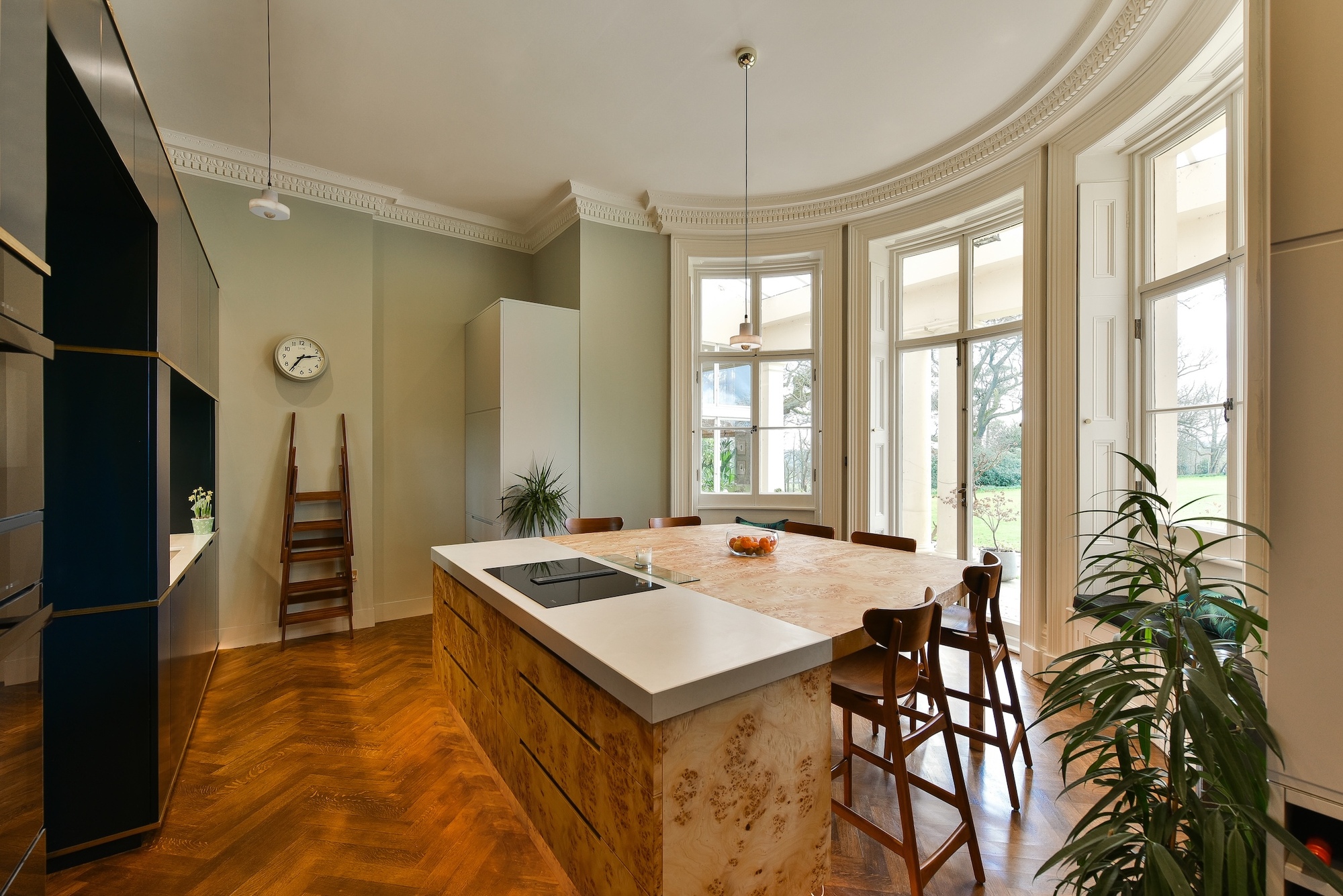
Nathan says the ideal design is often a thoughtful combination of the two, even in smaller spaces. Take the space above, for example, where he designed a one-wall kitchen with an island that integrates both an oven and a seating area. "Kitchen peninsulas can also be a great compromise, offering the benefits of an island without taking up all the floor space, allowing room for a decent-sized dining table nearby," he offers. "A successful kitchen-dining space is built around the lifestyle of those who use it, and not on what's trending."
As a casual dining choice, bench-style tables are a great choice for open-plan kitchens where they feel laidback and informal. This one from John Lewis would be the perfect choice for a traditional Farmhouse kitchen.
I love how Ferm Living keeps things simple. This oval dining table is timelessly elegant, but with sculptural legs that add a modern touch to your kitchen.
Wavy, organic forms are going nowhere in 2026. The base of this circular dining table from Soho Home adds sculptural intrigue in a subtle way, and it's the perfect size for smaller kitchens with limited floor space.
When you only have space for one, choosing between a kitchen island and a dining table can pose quite the challenge, but the decision ultimately depends on your personal circumstances. "If the kitchen is the hub of family life, then an island with seating would be more valuable," Nathan explains. "But if shared meals and hosting are a big part of everyday life, then a dining table would be the chosen option."
In this day and age, the versatility and multifunctionality of an island often make it the more popular choice, especially when combined with a convivial seating arrangement (just don't fall victim to the common kitchen island mistakes when planning one). Ultimately, it's down to you to choose the feature that best supports your daily rhythm — because the right choice won't just fill your kitchen, it will transform it.