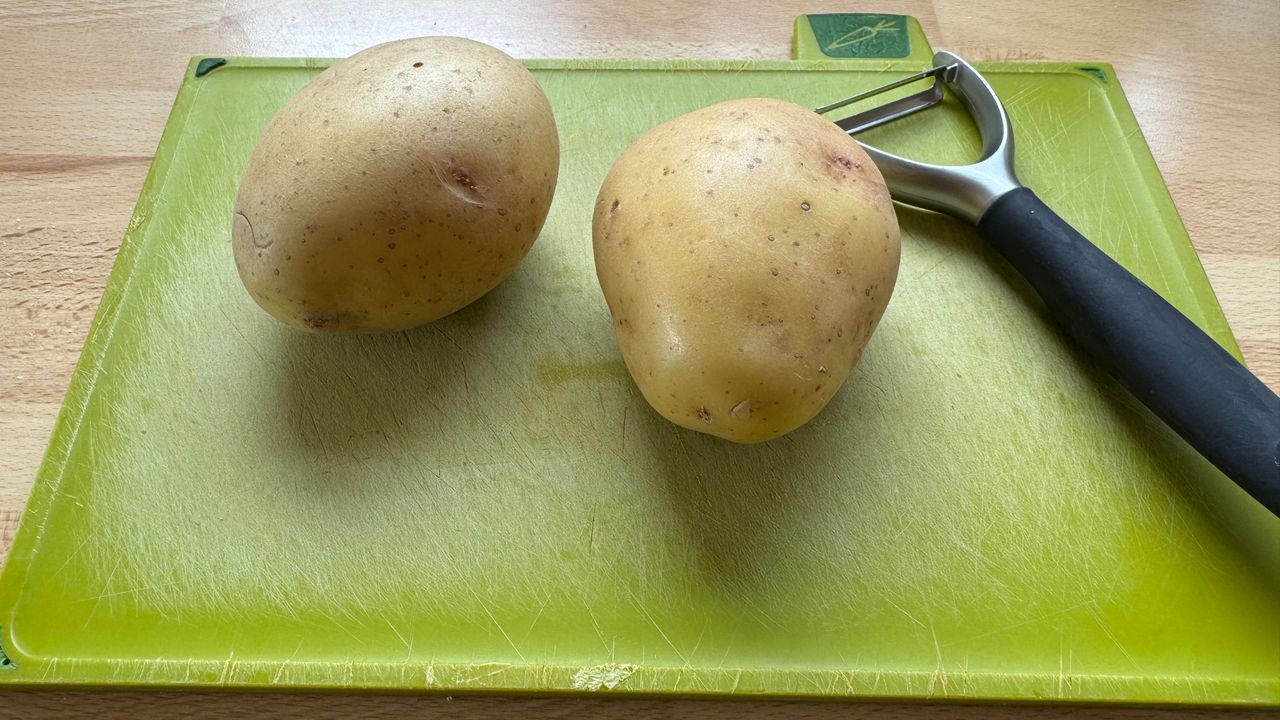
It turns out there's a common household ingredient we can all turn into a cheap and easy-to-make natural fertilizer for our gardens. And chances are, you've already got it waiting for you in your home: potatoes
Potatoes are a simple and versatile cooking item, but its uses don't end there. Instead of throwing away the potato peel, keep it for this gardening hack instead and save yourself some money.
How does it work?
@creative_explained ♬ original sound - creative explained
TikTok creator, @creative_explained, is constantly sharing helpful tips and tricks that you can use across your home and garden. I should know, he taught me how to clean a shower head with vinegar. With over 7 million followers, he's clearly got some great ideas, but there's one in particular that caught my eye recently.
As he explains in the short video featured above, there's one common household ingredient you could be using to help your plants thrive – potatoes. Even better, it's the potato peel that you're most likely discarding when cooking that you can turn into a natural fertilizer for your outdoor space.
All you have to do is this:
- Put potato peels into a cup
- Fill it with water
- Cover with foil and put in your fridge for a week
- Then strain the liquid to pour onto your garden plants
The expert says, "What you have right now is a super nutrient-rich mixture packed with phosphorus, potassium, magnesium." And to see results, he recommends repeating this every two weeks.
Here's what happened when I tried it
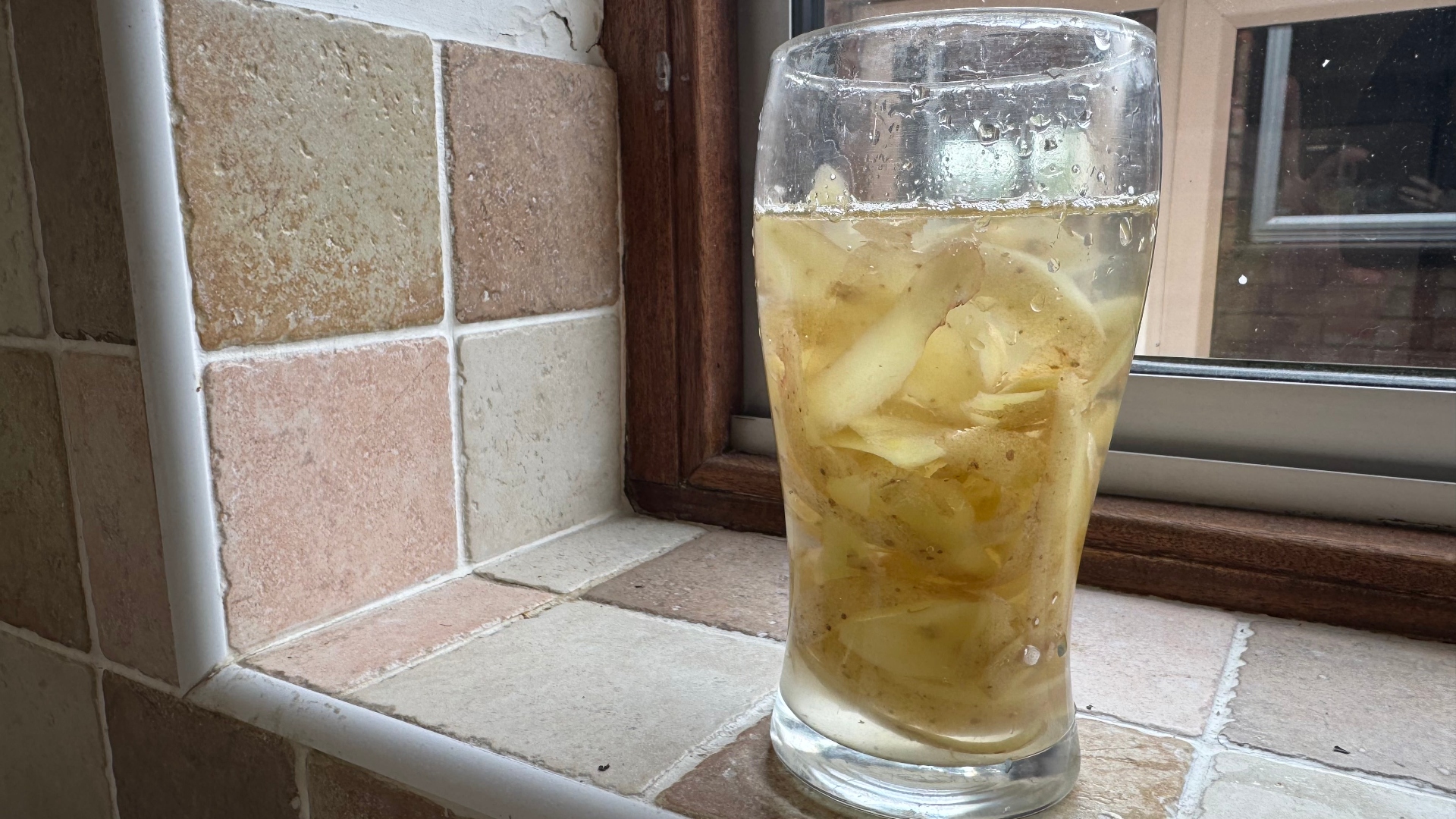
I've been trying out a lot of gardening hacks recently, especially since the sun has begun to shine. From burying old tea bags to boiling eggs, I'm saving a lot of money, but I'm always eager to see what else I can recycle from my day-to-day life.
Fortunately, I live in a household that eats a lot of potatoes. Other than composting the potato peels though, I've never tried doing anything with them. The first hurdle was keeping a container of potato peels in the fridge for a week without someone trying to throw it out.
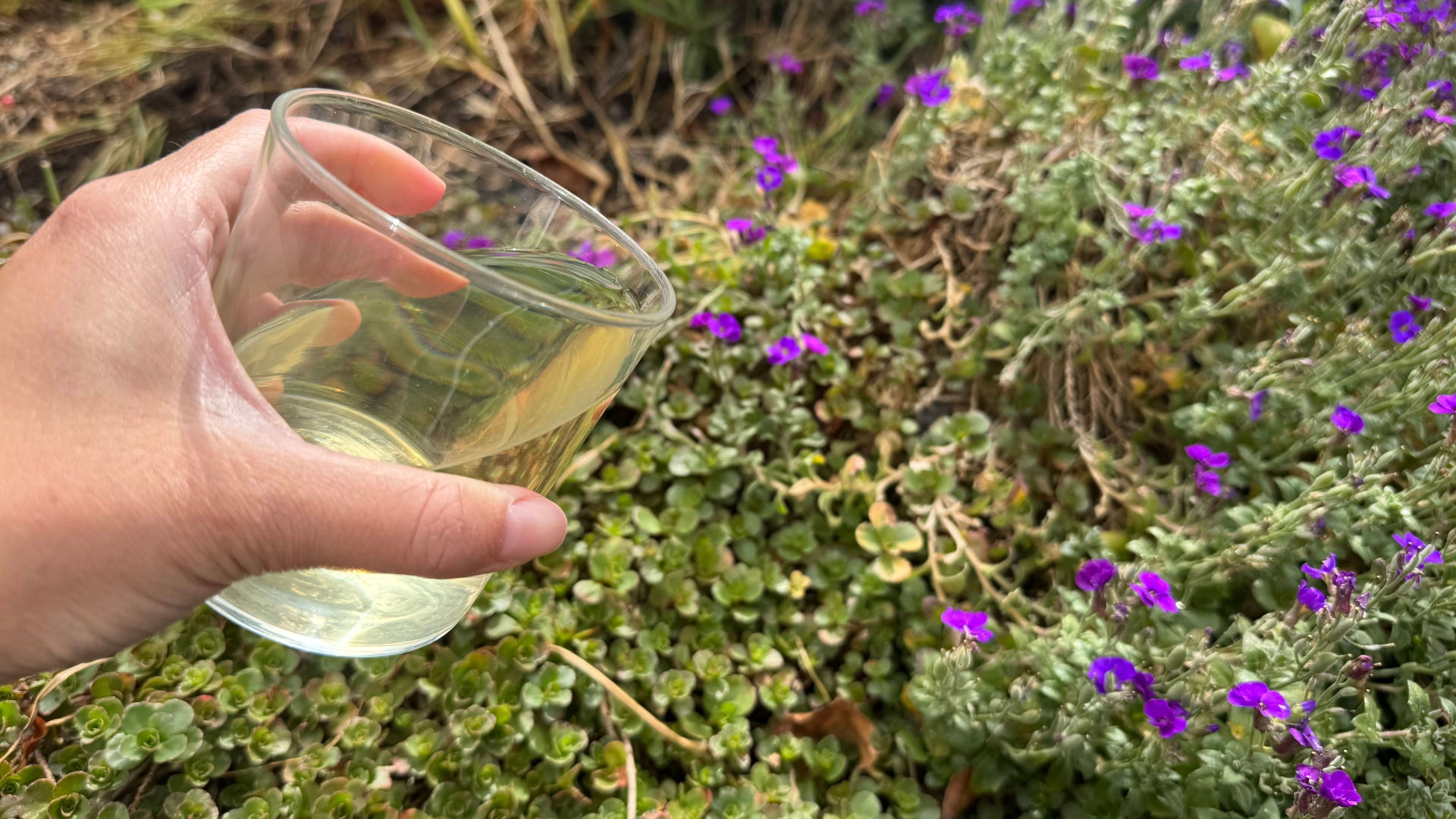
Once I'd mixed my potato peels and stored them in the fridge, I took my murky water to the garden to see how my plants would feel about it. For now, it's a little early to say if it's yielding any results. From some research, though, I've learned that phosphorus, potassium and magnesium play crucial roles in plant development, all of which will come from the potatoes.
As long as I'm patient enough to wait for the potato peels to seep into the water every couple of weeks, I think this will be a hack I try all summer long. If I see some good results, I imagine I'll do it all year round. I'll just have to remember not to throw my peels out!