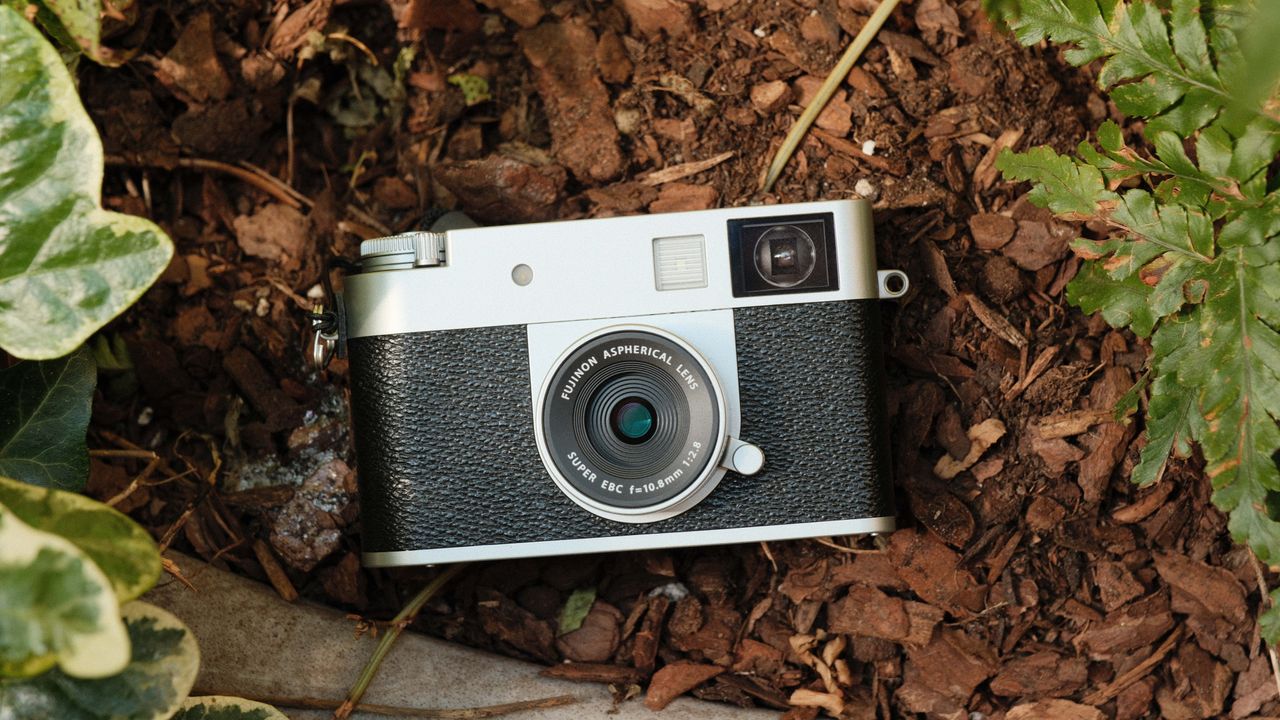
With a vertical sensor and Film Camera mode, the Fujifilm X Half could easily take the title of Fujifilm’s most unusual X-Series compact camera. But unusual cameras tend to come with mixed reactions – and the X Half launch was met with more mixed reactions than a bag of trail mix.
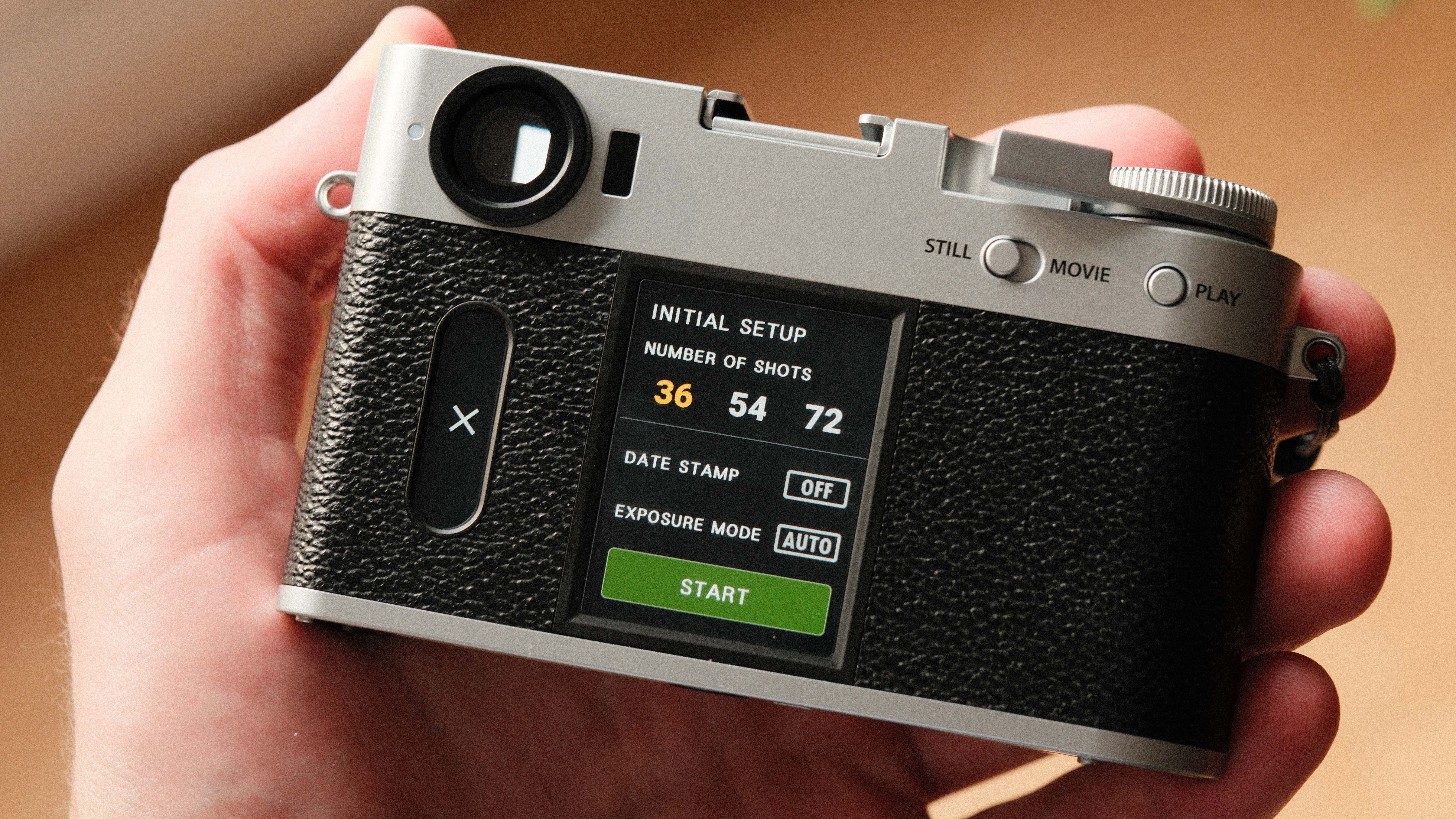
On the one hand, the Fujifilm X Half has a one-inch sensor that bests the typical cheap compact camera. With a secondary screen built just for Film Simulations and an actual “film” advance lever, the X Half is also the embodiment of the retro camera trend.
But photographers have long been asking the company to bring back older compacts like the Fujifilm X70 – a smaller, more affordable alternative to the X100 series from 2016 that, despite a lower price, still boasted an APS-C sensor, RAW and manual modes.
The Fujifilm X Half is no X70 – beyond the smaller sensor, there’s no RAW capture at all, a serious sticking point for many photographers, myself included.
But then, a year after the X Half first arrived, I finally got to try one. And as I spent weeks with the little camera, I began to dread the moment that I would have to pack it back up in a box and send the sample back to Fujifilm.
The X Half has a Film Camera mode that I put to use when I gave up camera screens for nearly two weeks, since the function locks the screens. The X Half's feature list may pale in comparison to the X100VI, but it looks like War and Peace compared to most simple screen-free digital cameras like the Camp Snap CS-Pro and the Flashback One35 V2.

Most basic screen-free cameras have fixed focus. The X Half has an actual autofocus system with eye-detection autofocus and the ability to take close-ups. And it can still shoot video (just not in the screen-free mode).
But perhaps my favorite feature from the X Half is that the camera not only packs in Fujifilm’s famous Film Simulations, but several special effects too. I love the light leak and diffusion modes, which bring two of my favorite film “imperfections” to digital, and there are even double exposures.

In that way, the X Half feels more like a grown-up version of the Instax Mini Evo – a cheap camera that I’ve even seen pro wedding photographers carry because the special effects and built-in instant film printer are so fun – but with a larger sensor and more resolution instead of an Instax printer.
I was disappointed when I read the X Half’s features and read that it couldn’t shoot RAW photos at all, but then I started taking pictures with one and I didn’t really miss the advanced file type. The X Half puts the joy of photography over technical perfection.
Yes, my own Fujifilm X-T4 cameras still bring me joy, but my giant to-be-edited pile does not.
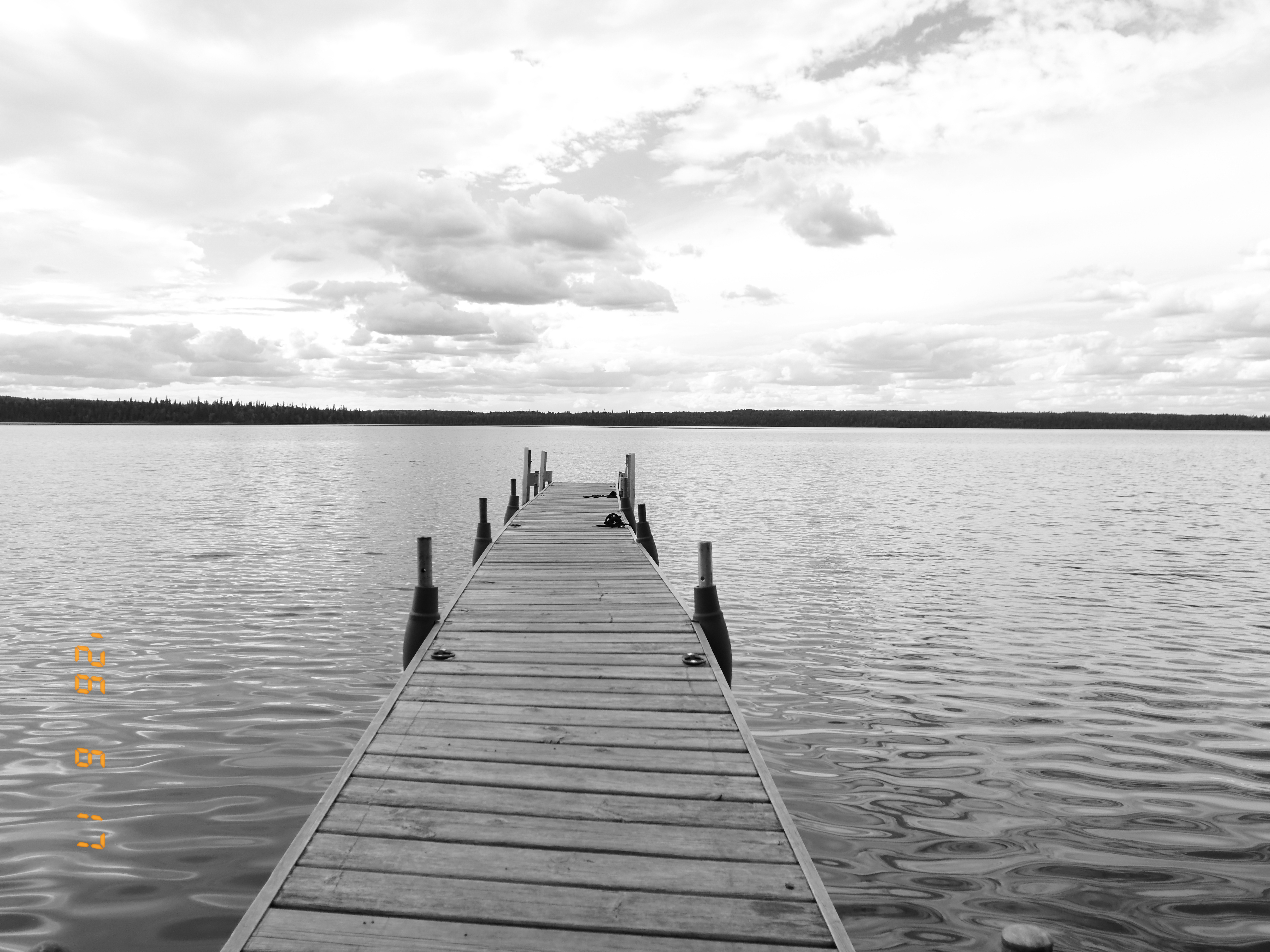
The built-in creative tools and the Film Camera mode on the X Half felt like giving myself permission to take imperfect photographs. The imperfect moments often make the best memories.
I want the Fujifilm X Half not to replace my Fujifilm mirrorless kit, but to grab when I want to capture memories without the pile of edits, without the bulk of a larger system and with more creative tools than my iPhone.
I do still think Fujifilm made a mistake with the X Half: the price. It was about $850 / £650 at launch, which I think is too close to options like the Fujifilm X-M5 given the X Half’s shorter feature list. But the list price has since dropped by $200 / £100 and occasional sales may push it even lower than that.
After I tried the Fujifilm X Half, I ended up adding the little retro camera to my wish list – my biggest hesitation is whether to spend my next gear budget on a fun compact camera or the Fujifilm 23mm f/2.8 R WR to turn the mirrorless that I already have into a “compact camera.”
The X Half isn’t the advanced compact I was expecting, but the retro effects and Film Camera mode are a just-right balance between the joy of photography and photo quality.
You may also like…
The X Half isn't Fujifilm's only unusual camera – the Instax Mini Evo Cinema has a "time travel" dial! Or, take a look at the best retro cameras.