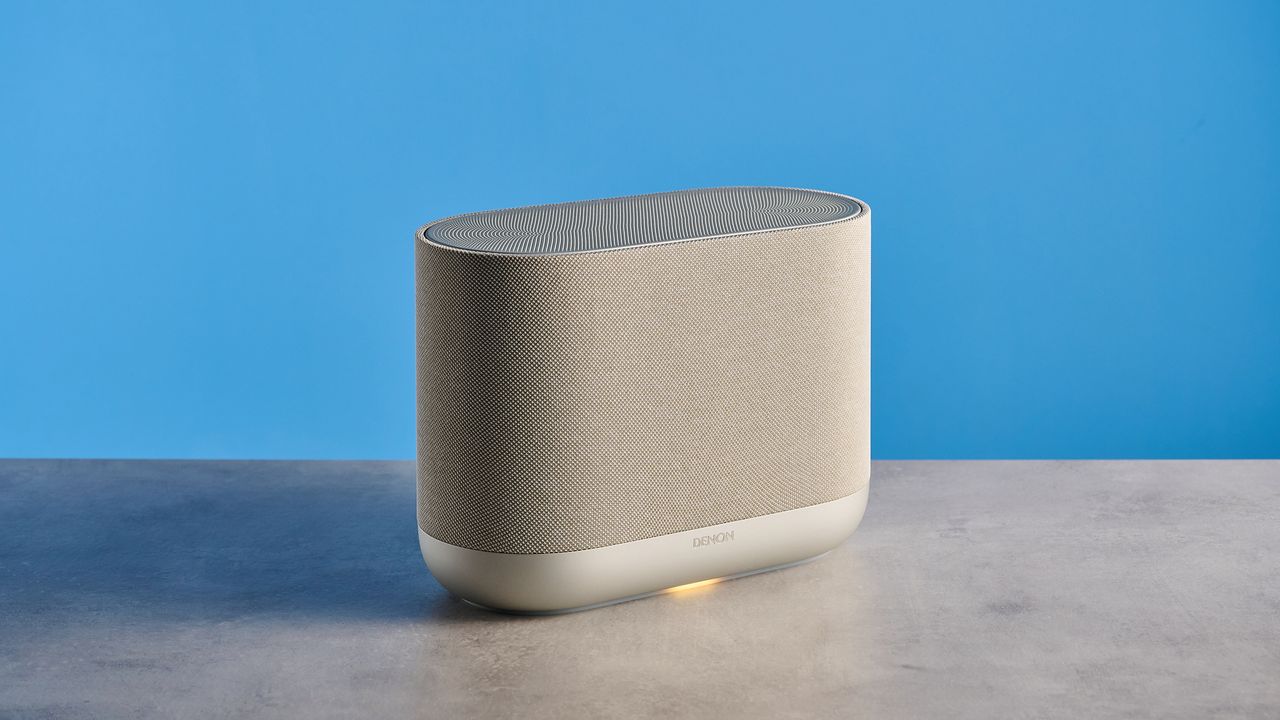
The Denon Home 400 is one of the best home speakers I’ve ever tested, but I’m not sure it quite jumps the “best smart speakers” hurdle. Let me explain. The Home 400 sounds divine, with enviable instrument separation, rich, room-filling bass, and clarity across the frequency range. Vocals, keys, strings, and percussion all sound full-bodied and immersive. When I was playing music through this speaker, I never wanted to turn it off.
Streaming directly from the HEOS app was super straightforward. I instantly synced up my Spotify and Qobuz account, and could even play my favorite radio station directly from my phone. However… if you want to use the Denon Home 400 as a smart speaker — as in, give it commands like “start a timer” — you can’t. There’s no built-in, first-party smart assistant. If you have a HomePod on the same network, you can use Siri, but there’s no Google or Alexa integration (yet).
Is this an issue for you, or do you prioritize sound quality anyway? If sound quality is more important, I’d recommend the Denon Home 400 over a Sonos Era 300. To find out the full story, keep reading this Denon Home 400 review.
Denon Home 400 review: Specs
Price |
|
Colors |
Charcoal, stone |
Size |
11.8 x 5.9 x 8.6 inches |
Weight |
9.3 pounds |
Channel |
2.0.2 |
Smart assistance |
Siri (with HomePod) |
Connectivity |
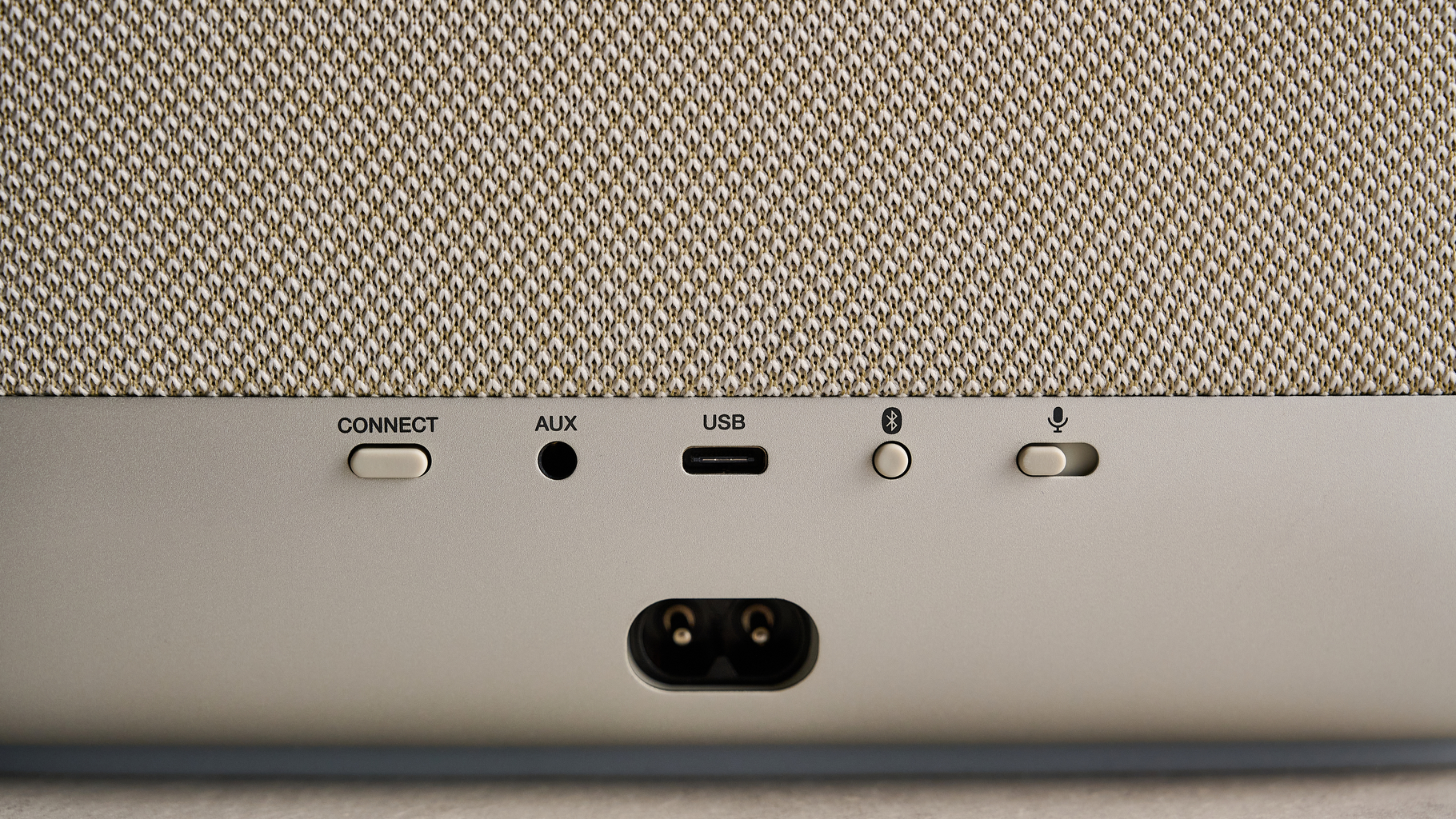
Wi-Fi 2.4GHz, 5GHz, AirPlay 2, Bluetooth, aux, USB-C (for ethernet adaptor) |
Denon Home 400 review: Price & availability
The Denon Home 400 is $549 from Amazon U.S. and £449 from Amazon U.K. This is a pretty high price, but I suppose if you want premium performance, you have to pay for it.
The Denon Home 200 is $399, and the Home 600 is $799, so if you want the complete setup, you’re looking at $1,797. This is just as much as getting the JBL Bar 1300X MKII soundbar + rears + subwoofer setup.
Let’s compare to Sonos, the indubitable competitor here. You can get a Sonos Era 100/100 SL for $199, which is $200 cheaper than the Denon Home 200. The Sonos Era 300 is $479, which is $120 cheaper than the Home 400 and $320 cheaper than the Home 400.
If you think this price discrepancy might be due to the Denon gear having more speakers, you’d be wrong. The Era 300 has four tweeters and two woofers compared to the Denon Home 400’s two tweeters, two woofers, and two up-firing speakers… for an identical six speakers each.
Alright, so there’s one major reason why the price is so different: target audience. Denon is aiming for the casual-slash-audiophile market here, whereas Sonos tends to lean towards the “casual” end of that spectrum. I’ll discuss this more in the ‘Design’ section below.
Denon Home 400 review: Design
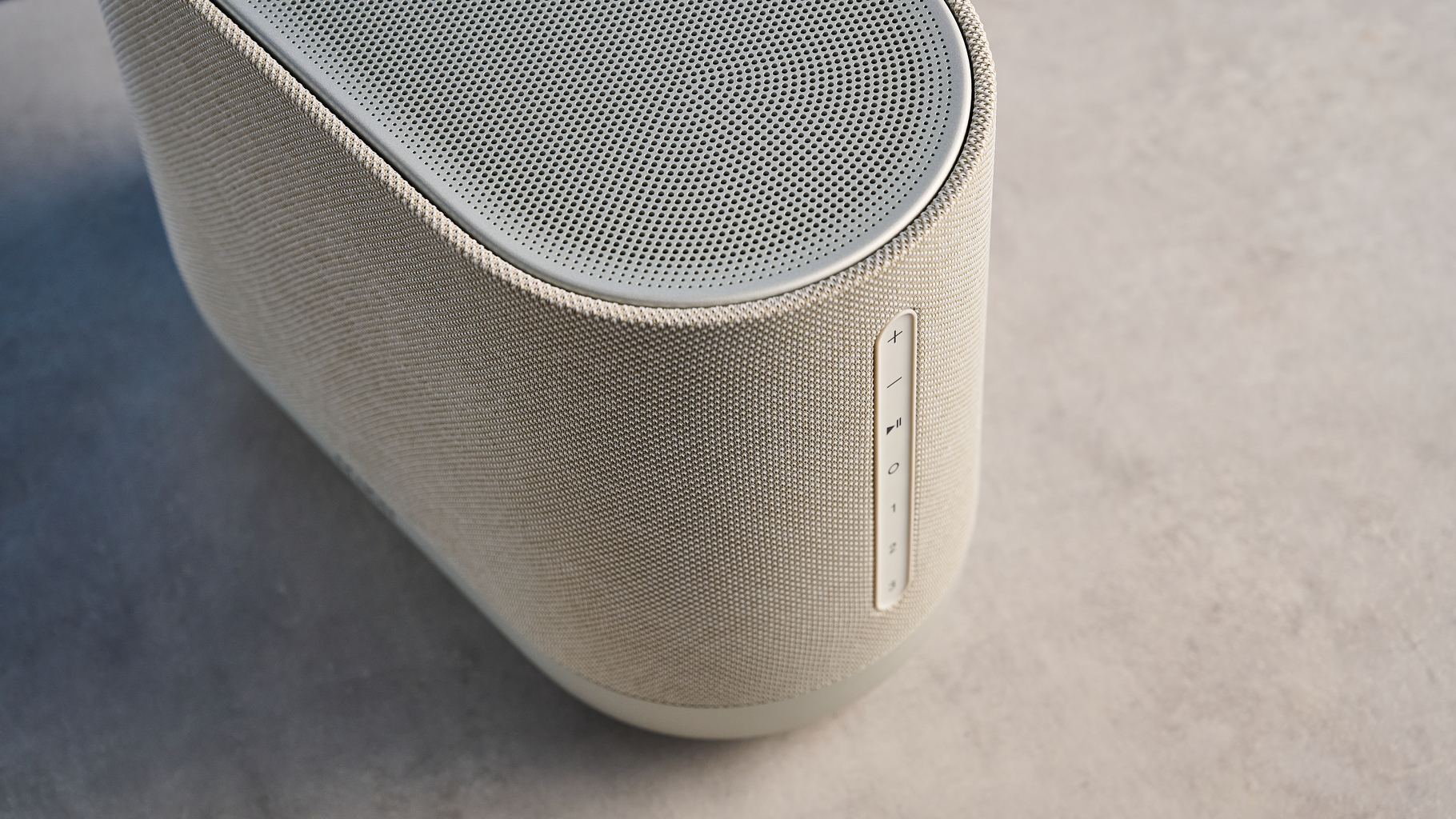
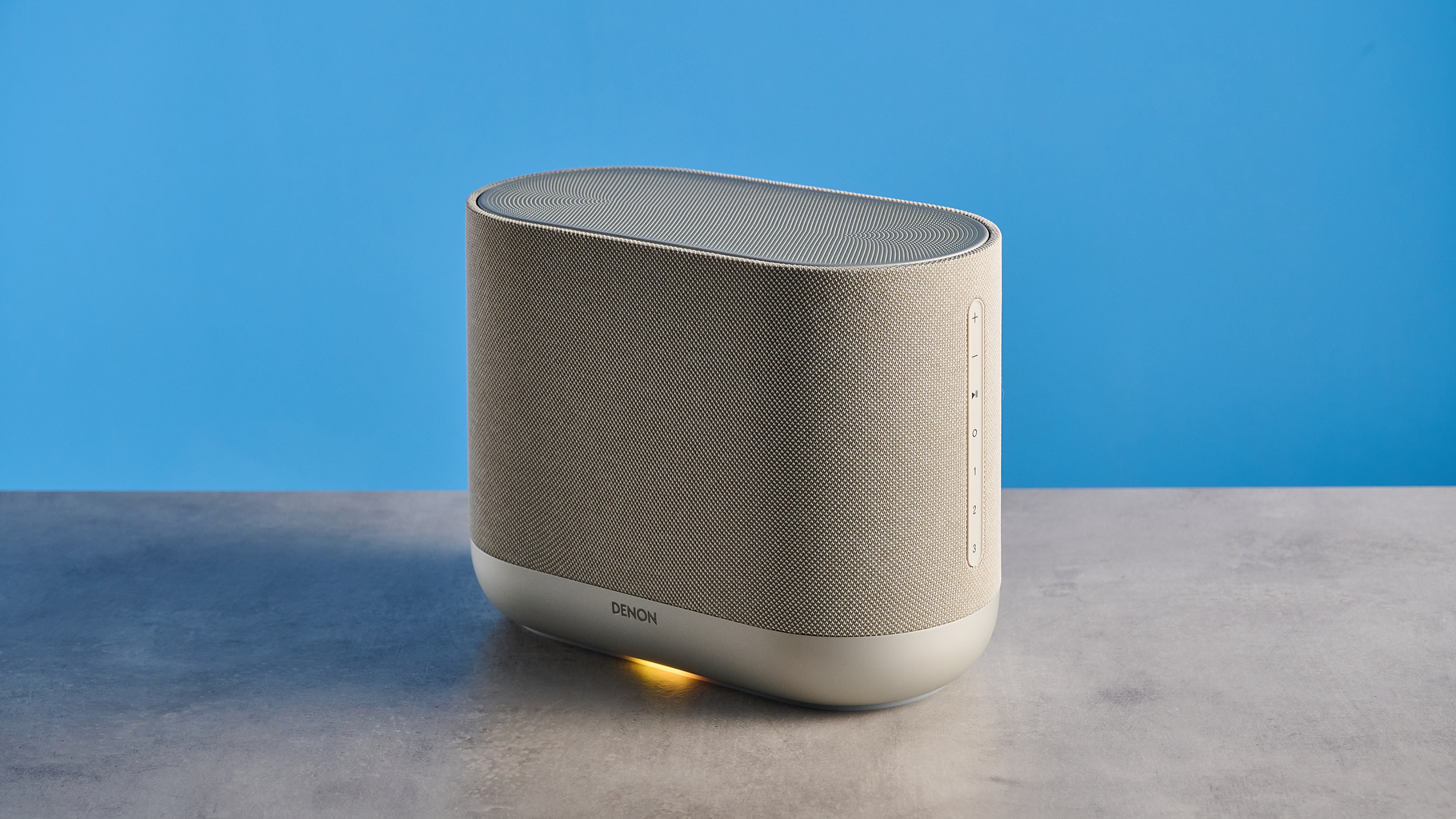
Like most smart speakers, the Denon Home 400 has a clean, inconspicuous design. If you want a subtle speaker, this is definitely the style for you.
If you want a conversation piece-style speaker, you might want to go for something a bit more ornamental, like the Samsung Music Frame ($600) or the IKEA SOLSKYDD ($99) — but then, of course, you’re sacrificing sound quality. These thinner, more eye-catching speakers lack the high-fidelity speaker array present on the Home 400.
Personally, I like how the Denon Home 400 looks. I do wish it came in more colors — of course, it’s fantastic that it comes in charcoal and stone, but I’d also like to see some pastel shades like pale blue, pale green, pale yellow, pale brown, pale pink, so on and so forth. This is going to sound really obnoxious, but my living room has a theme of “sunrise”. All my decorations in my living room are warm hues, like pinks, yellows, warm browns, ochres, so I wish the Home 400 matched this warm aesthetic.
I tested the stone colorway, which looked pleasant against my cream wallpaper, but I would like it to be more of a statement piece. I know that’s kind of the opposite of what Denon was going for here, but a girl can dream.
The speaker has a metal panel at the bottom, which I scuffed the moment my clumsy self unboxed the darn speaker, but it buffed out with a microfiber cloth.
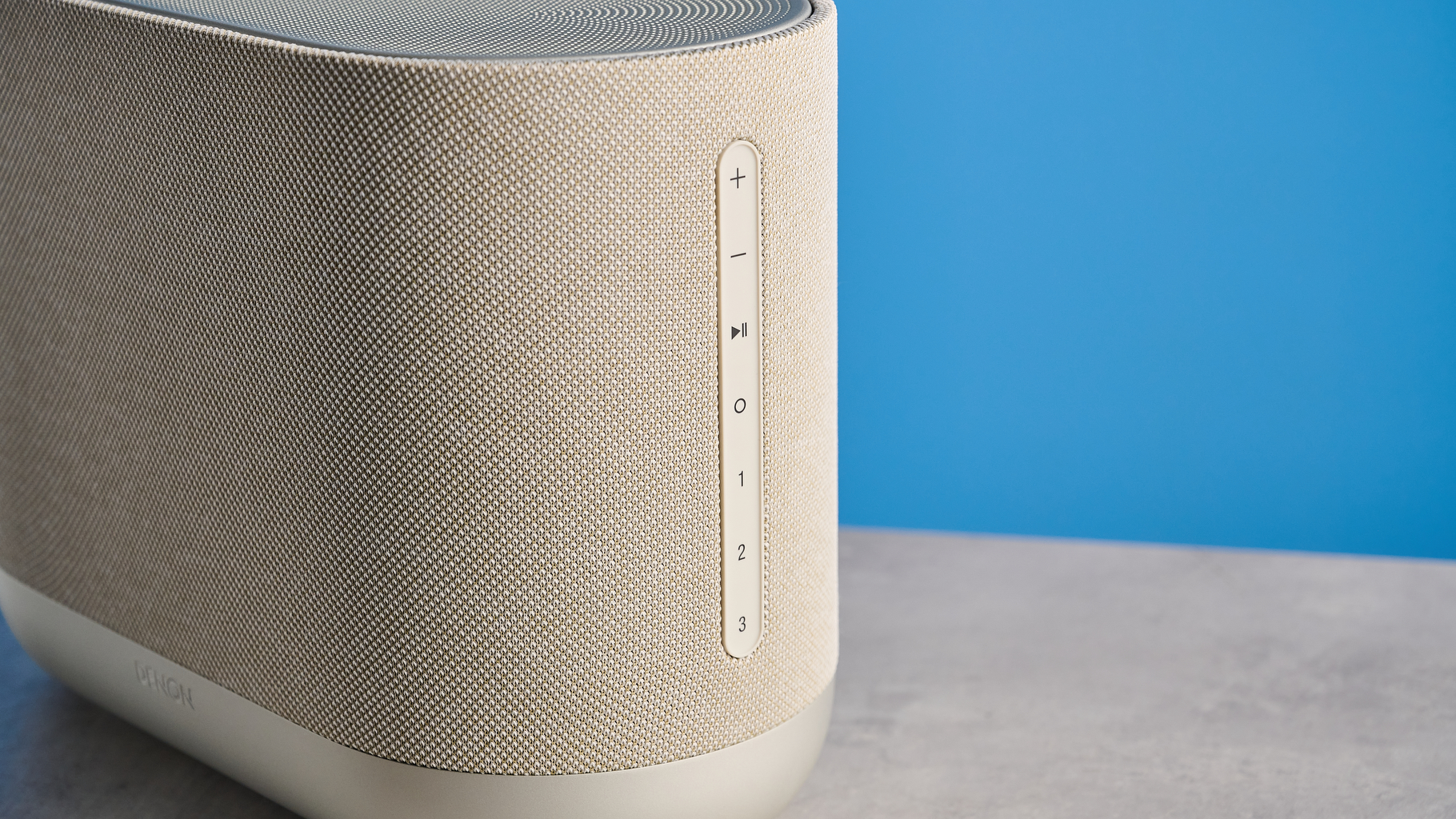
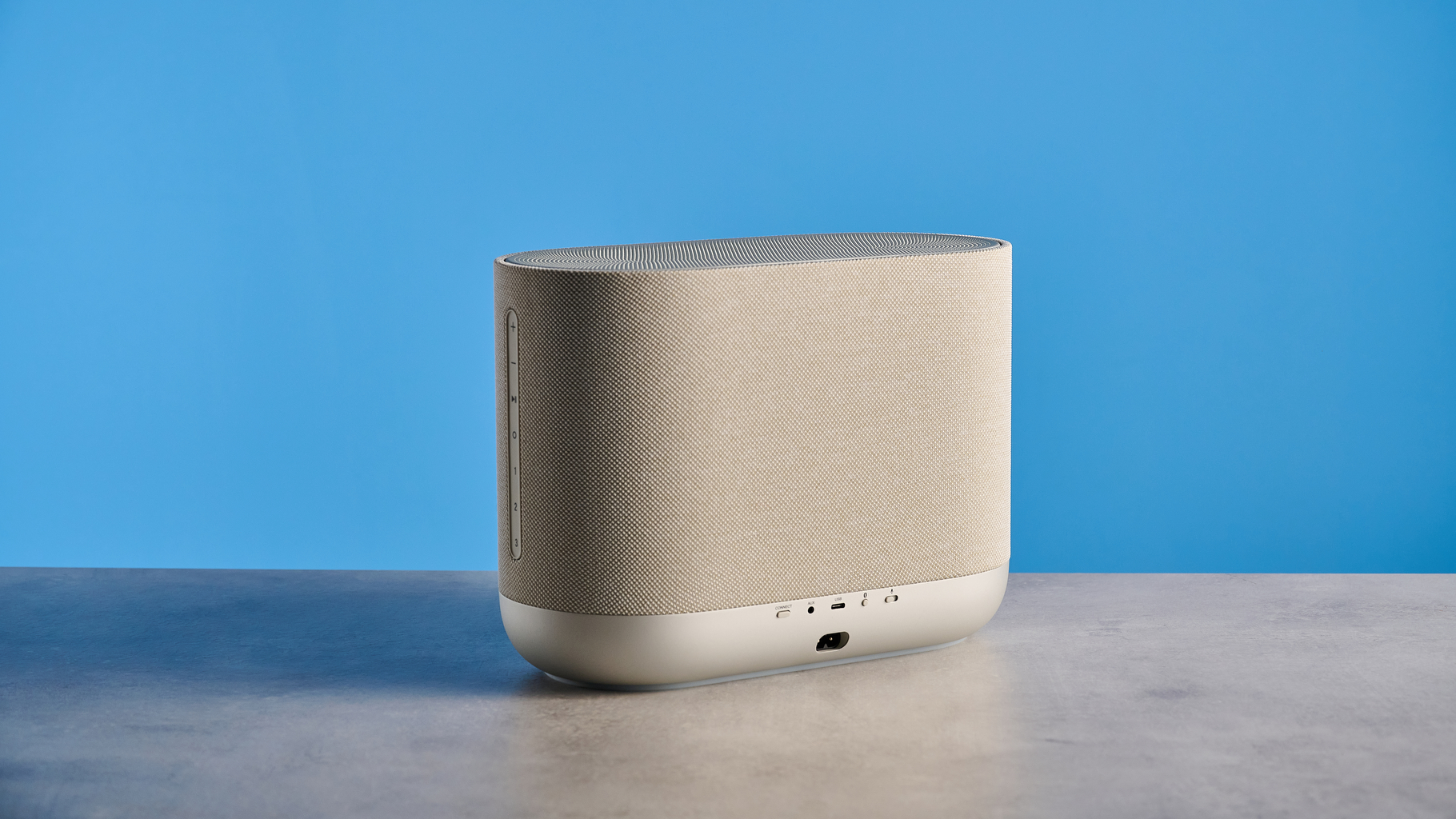
On the side, you’ll find the row of buttons: these are for quick-select presets, playing, pausing, skipping tracks, and adjusting the volume. The rear of the speaker houses the USB-C input and the connection buttons.
I found the Home 400 straightforward to control and pleasant to look at. However, the Denon Home 400 is not waterproof at all. Sonos’s speakers — like the Era 100 and Era 300 — are also not waterproof, but they are “humidity proof”. This means they’re suitable for environments like bathrooms and covered porches. If you’re planning on using the Denon Home line in bathrooms or porches, you might want to play it safe with Sonos.
Connectivity
The Denon Home line is capable of things well beyond Sonos: the Home 400 can play 24-bit/192kHz and DSD files via the HEOS app (or USB), and a 3.5mm jack, consequently angling the Denon line more at audiophiles — explaining that price difference a bit more.
I found setting up with HEOS super straightforward: everything linked together instantly. Then, I could control the Home 400 straight from the Spotify app, or play music via Spotify/Qobuz/BBC Sounds in the HEOS app.
Smart home features
I’m gonna rip the Band-Aid off: you can’t use the Denon Home 400 (or 200, or 600) as part of your smart home system without a HomePod. You can only use Siri, so no Google or Alexa. Even if you have Siri, you need that additional device if you want to sync up the Denon speakers. Denon's representative has confirmed this to me — no Google, no Alexa; it's not set in stone if these assistants will come to the Home series in the future.
Yep, this is majorly frustrating, but I don’t think it’s Denon’s fault. This reeks of corporate red tape, but I’m sorry to say that I have to classify this as a con because it’s marketed as a smart speaker. I couldn’t test the smart home features as I don’t have a HomePod.
Even so, Sonos speakers can be used as smart speakers without additional purchases — you just have to say “Hey Sonos” rather than “Hey Siri” or “Hey Google”. I think if Denon wants to really crack that “smart speaker” market, there needs to be some kind of “Hey Denon” introduced into the mix, or better integration with existing third-party systems. The Home series could be positioned more as a Wi-Fi streaming speaker rather than a “smart” speaker.
It is great, though, that the Home 400 comes with a physical mic on/off button. If you don’t want the mic “listening” to you, simply turn it off at the rear of the speaker. I kept my mic off.
Denon Home 400 review: Sound quality
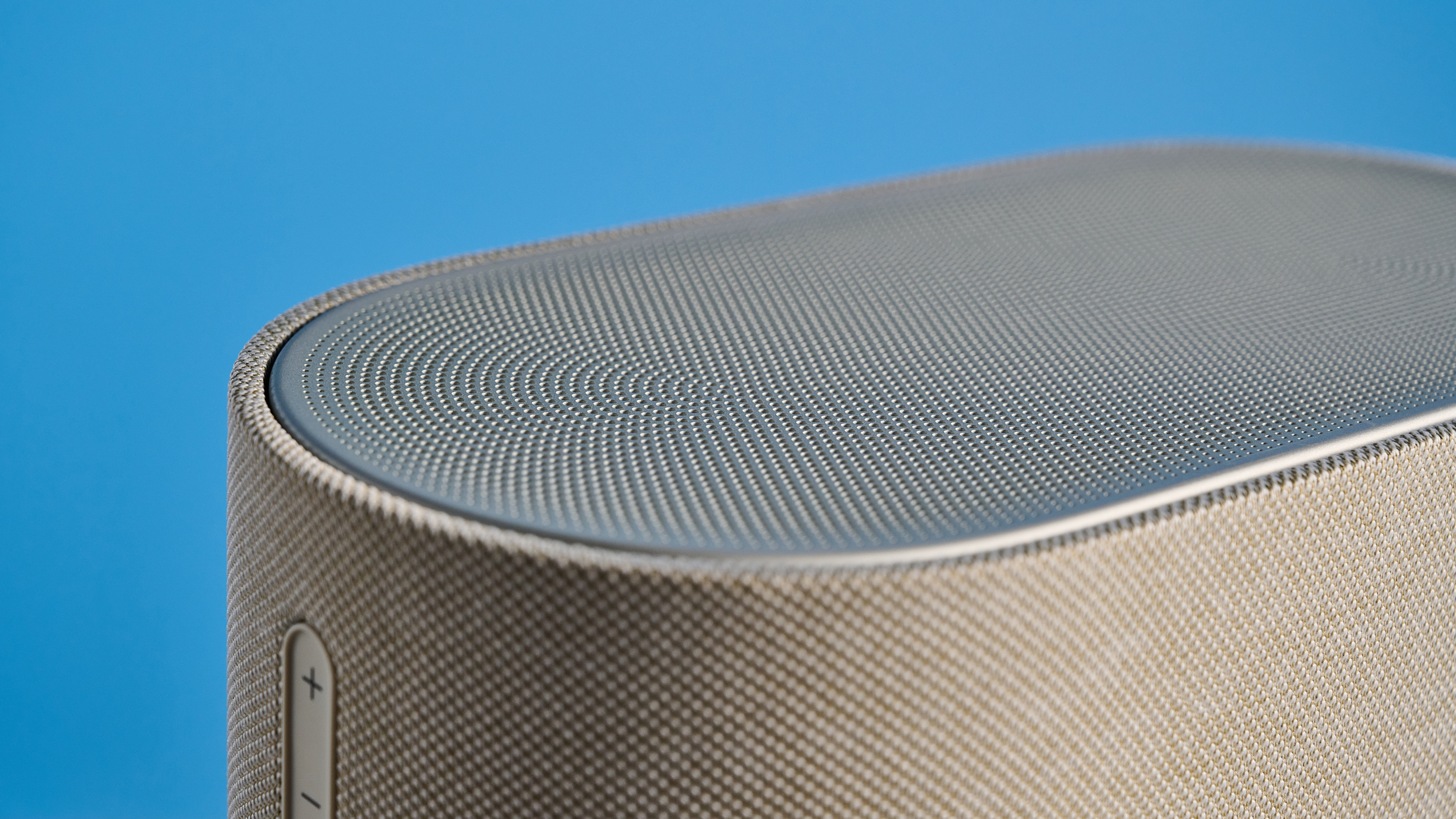
As the Home 400 features two tweeters, two woofers, and two up-firing speakers, its sound can seriously fill a room. All the drivers have individual amps so the speakers themselves aren't competing for power. I live in an old Georgian townhouse with 10-foot ceilings, and even my apartment felt like it was alive with music.
I played a huge variety of music through the Home 400 during my testing period, but I’ll discuss three standout genres here. I streamed via Qobuz, the best music streaming service for audiophiles, Spotify, and listened to BBC 6Music directly from the HEOS app.
First, I played ‘Fabienk’ by Angine de Poitrine. This track is built over a frantic guitar scurrying up and down the frets like an anxious mouse trying to collect enough cheese to last it through winter. The Home 400 handled the frenetic guitar, equally as frenetic bass, and crashing percussion incredibly well. I adjusted the ‘width’ and ‘height’ settings to +5 each, which highlighted the delicate detail. I felt like I could feel the guitar strings vibrating.
I wanted to test the Home 400’s handling of classical instruments, so I played ‘Exogenesis Symphony Pt. 1 (Overture)’ by Muse. The double bass didn’t overpower the delicate strings, and the softer percussion taps resounded across the soundscape. Even when the guitar came in, the violins were still audible.
Last, I played the electronic track ‘Play Me’ by Fcukers. The bass was fantastic, with clarity even in the sub-bass. The breathy female vocal floated delicately over the instrumentation, and the track filled my entire living room, even with ‘Pure’ enabled. When I enabled ‘Auto’ and turned the bass to max, the DnB-tinged bassline pounded through my entire apartment. If I get a complaint from my neighbors, I’ll know why — but I’m not mad about it.
I have zero complaints about the sound quality on the Home 400. This is one of the best-sounding speakers I’ve heard — smart or not. There’s unbeatable clarity across the entire frequency range, instrument separation in every genre I listened to, width and height powerful enough to fill an entire room, and, most of all, it’s just fun to listen to.
Denon Home 400 review: App
As with everything under Denon’s belt, the Home 400 is controlled via HEOS. I have had falling outs with HEOS in the past, but not this time around. Setting the Home 400 up was a breeze: I simply opened the app, selected ‘Add new device’, followed the instructions on the screen, and I was done.
After the Home 400 was set up (and I breathed a sigh of relief), I linked my Qobuz and Spotify with HEOS. Again, this was instant and super easy. Praise be!
Here are some screenshots so you can see.
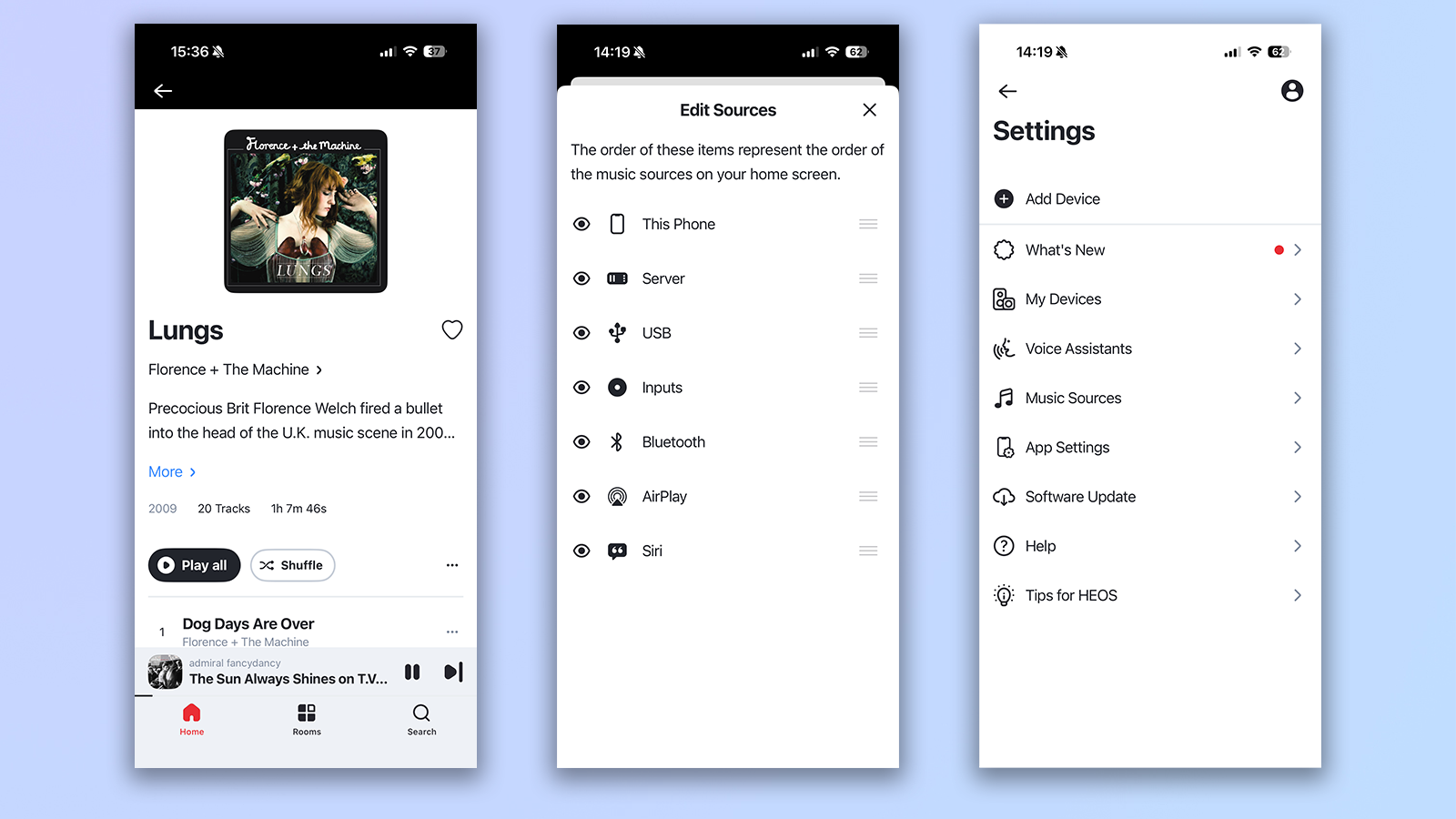
You can turn off button controls, set up speaker placement (so the app will adjust bass response based on the speaker’s proximity to walls), turn on or off power saver mode, and customize name options (yes, mine’s called bathroom even though it’s in the living room).
Of course, there are more features, but I’m not going to list them all. You can do everything with the HEOS app… except one. Strangely, volume adjustment doesn’t work when playing via Qobuz, but it does work while playing via Spotify. Not sure if this is a HEOS issue or a Qobuz issue, but it’s not that annoying — I adjusted it manually in the app.
Denon Home 400 review: Verdict
I really, really like the Denon Home 400. It sounds incredible, is both accessible for speaker newbies and clever enough for audio aficionados, and looks nice and inconspicuous. The sound is genuinely room-filling, and the range of customization options means most types of music lovers should be catered to.
Yes, it’s frustrating that you need separate smart home products if you want to integrate the Home 400 into your Apple Home. Personally, I’m not overly bothered about the presence of a “smart” assistant — I’d rather the speaker sound good than set timers — but if you’re really concerned about smart tech, you might be better off with first-party speakers like the Google Nest Audio or the HomePod.
For me, though, I prioritize sound over smart home integration, so the Denon Home 400 is a win for me. Its range of high-fidelity playback modes and sonic customization make it a sure-fire win.