I'm a supplement skeptic but it might be time to eat my words — and drink my mushrooms. As evidence grows that mushroom supplements might improve sleep issues, I decided to give adaptogens a go. And my sleep tracker was impressed.
For 30 days I added functional mushrooms to my sleep routine. Sipping on lion's mane in the morning (to improve clarity) and reishi in the evening (to reduce stress) I was hoping to supercharge my sleep-wake cycle. I recorded the results with a sleep diary, which I cross referenced against my Withings Sleep Analyzer sleep tracker.
Soon I was skipping the 3 a.m. wake ups and starting the day feeling ready to go. But were the adaptogens to thank? Or were changes to my routine the real secret behind better sleep. I asked Laura Perez, Registered Dietician and Clinical Nutrition Lead at Simple Online Pharmacy, what to make of the results.
Key takeaways
- Adaptogens and nootropics are herbal supplements, taken to reduce stress, boost focus and improve sleep.
- Early clinical studies show positive benefits from some adaptogens and there's plenty of anecdotal evidence.
- I used reishi and lion's mane, two types of adaptogenic fungi, for 30 days and felt some benefits — but these might be attributed to positive routine changes.
What are adaptogens and nootropics — and how can they help you sleep?
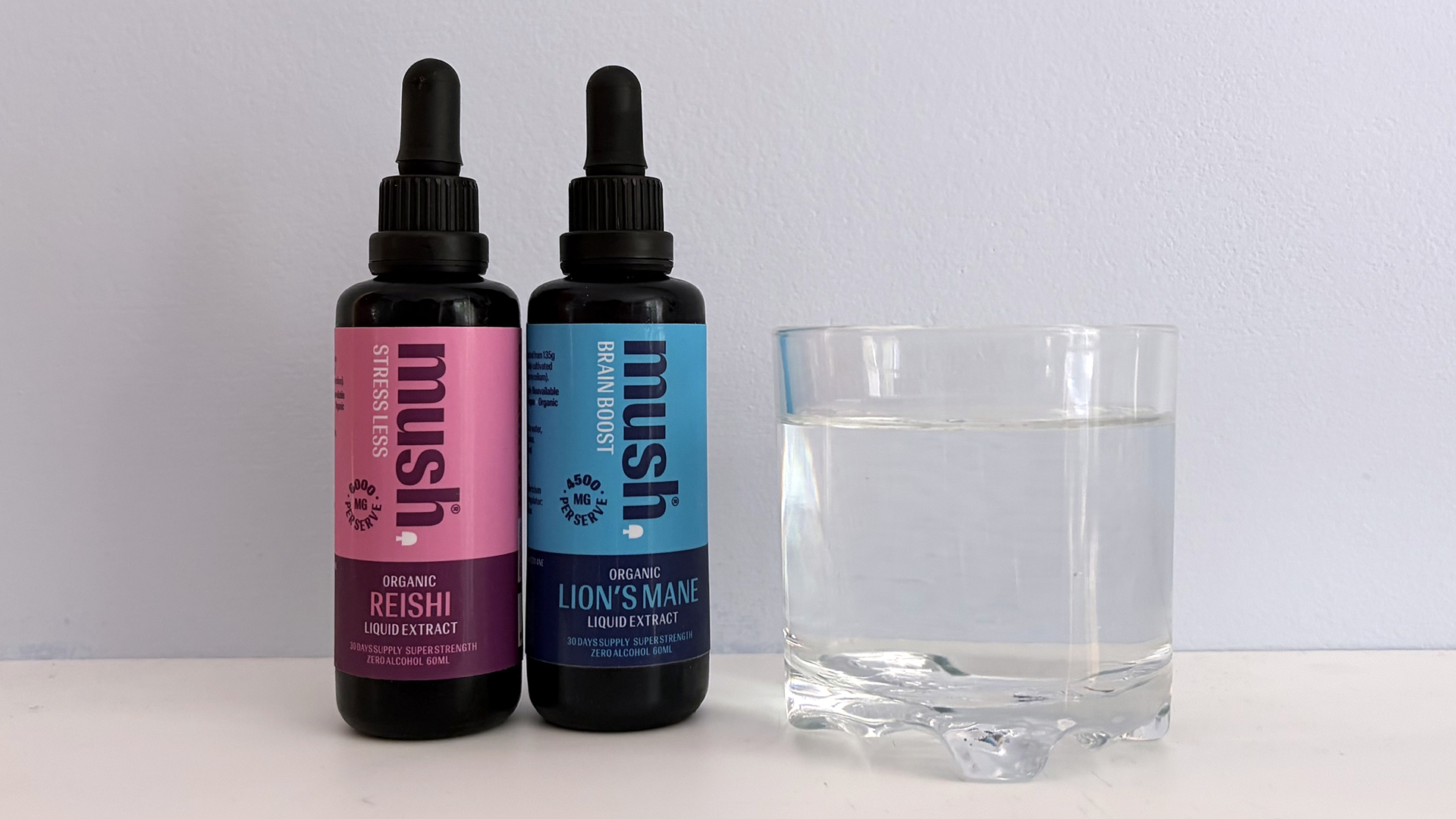
Adaptogens and nootropics are natural supplements derived from herbs, plants or mushrooms. Broadly, adaptogens are recommended to fight stress, while nootropics are used to improve cognitive function.
Adaptogens are said to respond and adapt to imbalances in the body to restore you to homeostasis. Popular adaptogens include ashwaghanda and reishi, while lion's mane and cordyceps are common nootropics. (Nootropics are sometimes classed as a form of adaptogen.)
Widely used in parts of East and South Asia, there's a wealth of anecdotal support for adaptogens. And scientific trials have shown some benefits to adaptogens although Perez notes that; “Human studies remain small and the results are mixed.”
“The honest answer is that you may be noticing a genuine benefit,” says Perez, “but the evidence is not yet strong enough to say confidently that reishi improves sleep or lion’s mane boosts brain power.”
Adaptogens and nootropics are available in various forms, from capsules to powders to tinctures. However, they're aren't regulated by the FDA and Perez warns you should always check what you’re getting.
“Products can vary considerably in their dose, concentration and the part of the mushroom used, so choose a reputable supplement company that has undergone independent quality testing.”
Reishi mushrooms for sleep
The first of my supplements is reishi (also known as Ganoderma lucidum or lingzhi).
Reishi has a long medicinal history and is intended to reduce stress and enhance sleep. A 2024 review did find sleep-aiding benefits to using reishi, as did a study from the same year.
However, Perez notes that much of the research has been conducted in animals or laboratories and more real-world evidence is needed.
Lion's mane for focus and clarity
Lion's mane, or Hericium erinaceus, is a nootropic intended to make you more alert and focused. Essentially, a brain booster.
Perez notes that while lion's mane is often associated with alertness, it's not going to wake you up like caffeine. However, she agrees there's promising evidence that lion's mane can improve your mental energy.
“Some small studies have reported possible benefits for memory, processing speed, mood or stress, particularly in older adults or people experiencing cognitive decline,” she says.
She does note, however, that other trials have found “no significant overall improvement in cognition.”
What happened when I used adaptogens to help me sleep better and wake up with more energy for a month?
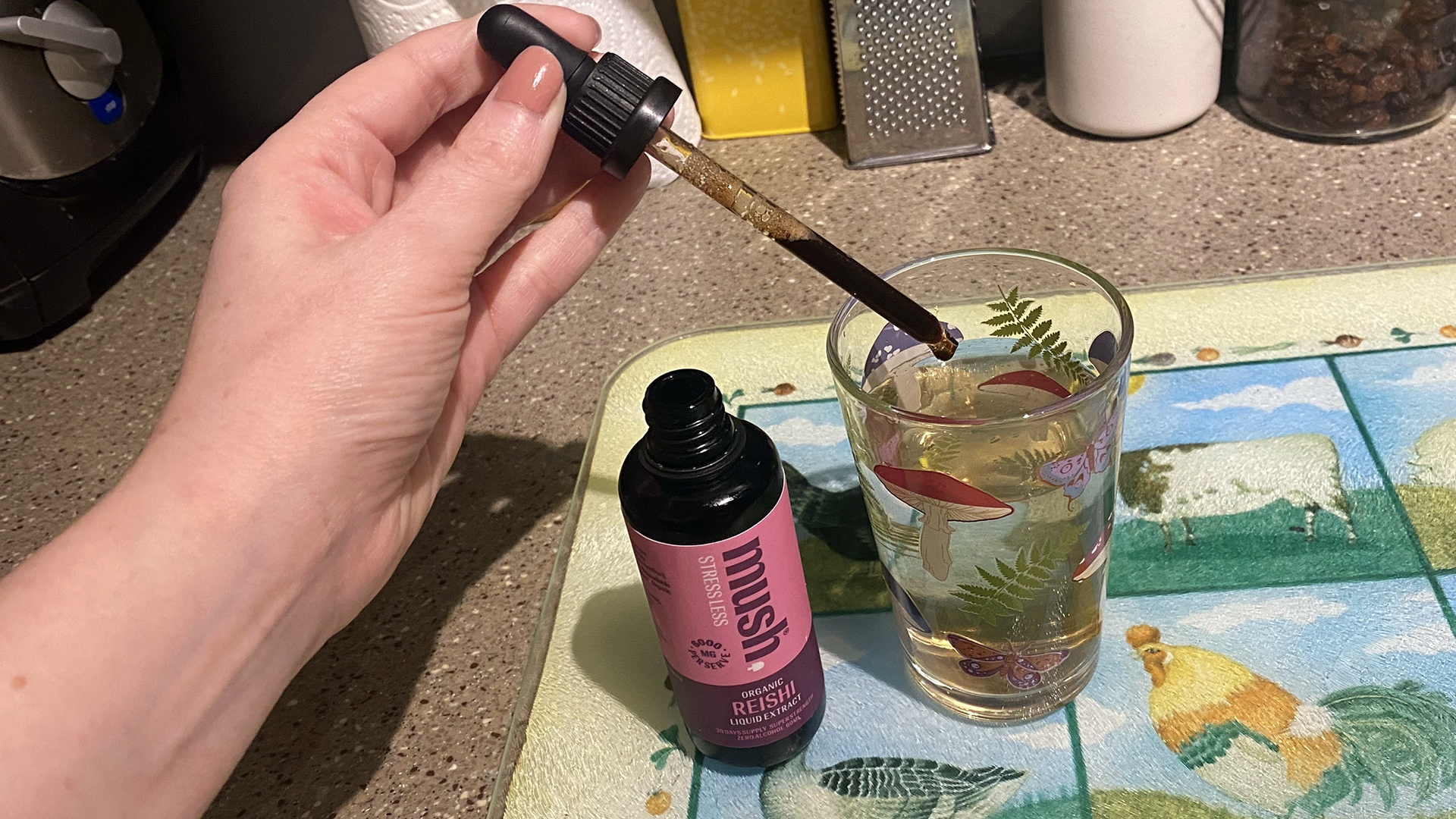
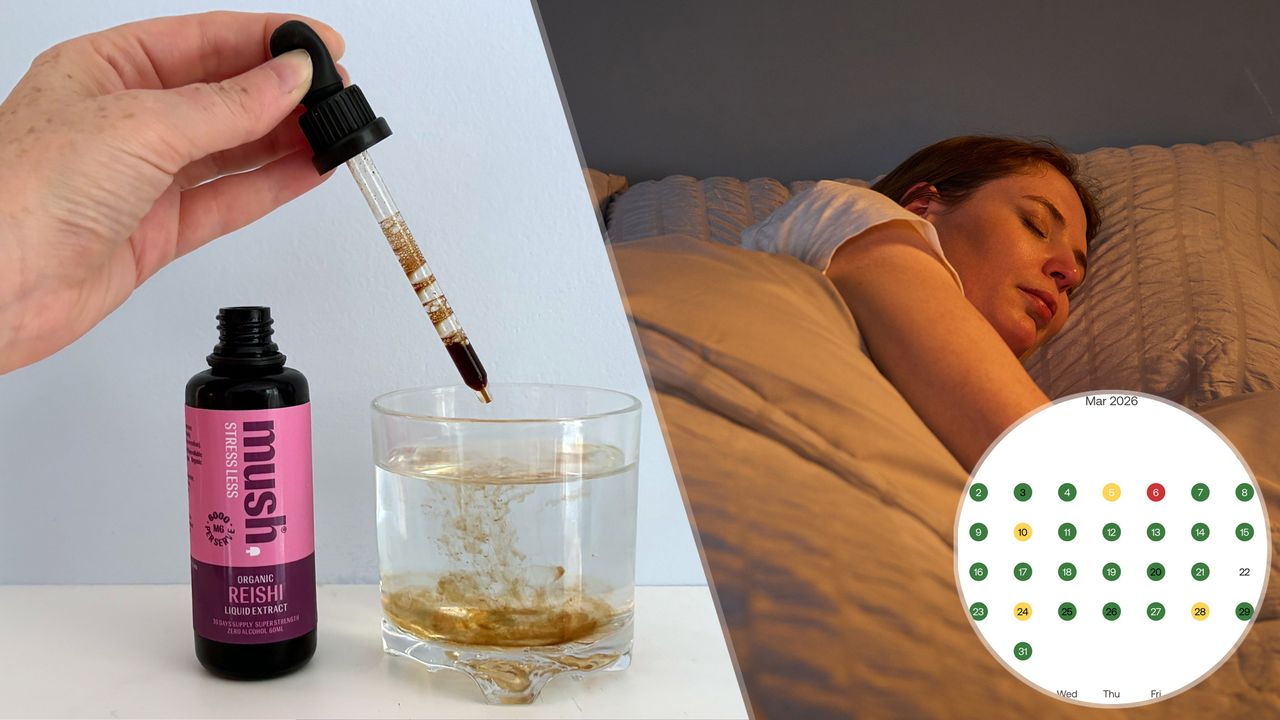
I tested the Love Mush AM:PM Bundle for a 30-day period from March 1st to March 30th. I consumed 1ml of reishi extract in the evening and 1ml of lion’s mane in the morning.
First things first: do they taste like mushrooms? No. There’s no flavor at all, actually. At the start of my testing period I added the extract to water with trepidation. By the end of the month, I was mixing reishi hot chocolates and lion’s mane matchas.
My sleep scores stayed even
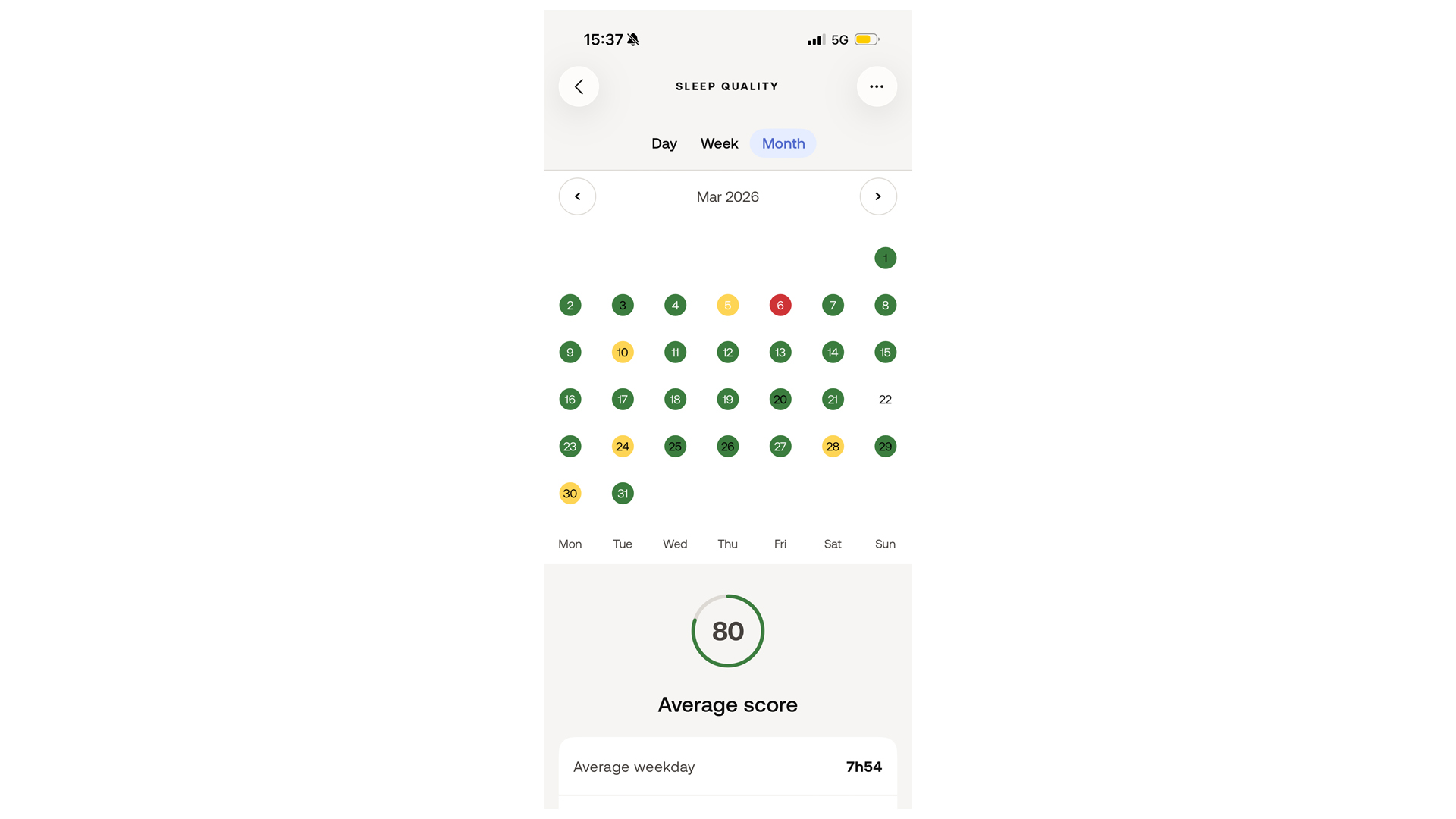
For the month of testing, my Withings Sleep Analyzer awarded me an overall score of 80... the exact same score I got the month before.
Don't get me wrong, I'm still happy with an 80. That indicates consistent, decent quality sleep. And there's a big caveat — I was horribly ill on March 5th, resulting in one of my lowest sleep scores ever (47). There’s nothing the mushrooms could have done in this situation and it dragged my average down.
However, even without my terrible 47, my sleep score wouldn't have jumped noticeably, So while there's a small improvement, nothing that couldn't be chalked up to natural fluctuations.
Reishi didn’t beat 3 a.m. wake ups — but my sleep interruptions went down
Stress is a major cause of disrupted sleep as it causes cortisol levels to spike, increasing alertness and leaving you prone to late night wake ups. It’s a problem I’ve dealt with on and off for years and during periods of high stress, my sleep takes a downturn.
“Reishi is often marketed as an ‘adaptogen’ that helps the body manage stress," says Perez and while she notes that further research is needed, current evidence is promising.
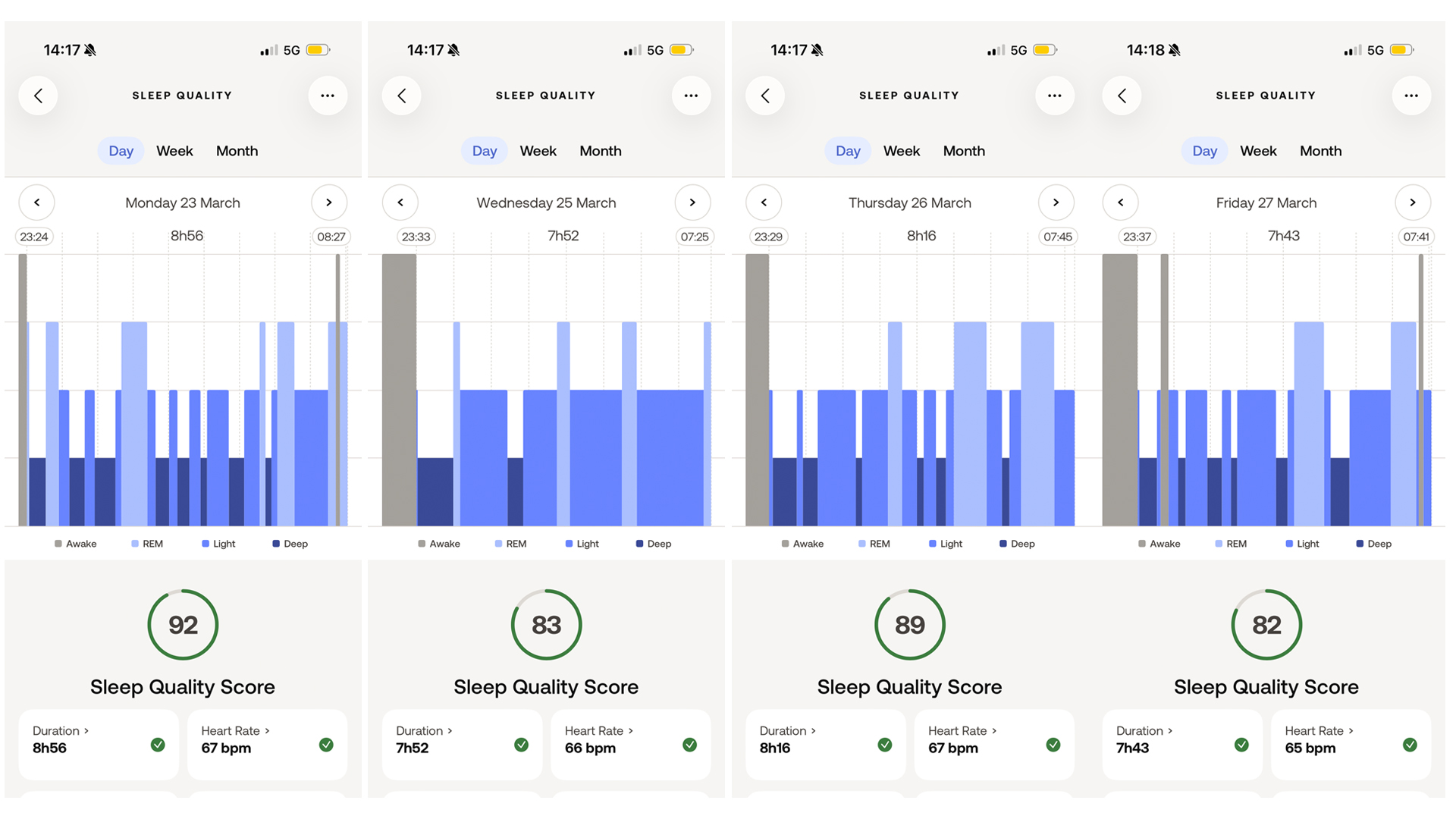
My own data (both my sleep score and subjective notes) support reishi's calming properties. At the start of March, I experienced several disrupted nights in a row. By the end of the month, I was sleeping through. (I didn't record any significant changes in outside stressors.)
When I stopped using the supplements in April, my sleep tracker recorded an uptick in interruptions. But nothing outside the realm of ordinary late night wake ups.
I felt calm and relaxed before bed
After sipping slowly on whatever drink I’d mixed my reishi supplement into, I generally felt ready to drop off. Was this thanks to the mushroom? Was reishi targeting the stress in my body to relieve anxiety before bed?
Perhaps, but there might be another benefit at play.
“Taking a supplement as part of a calming bedtime routine may signal to your brain that the day is ending,” explains Perez. This helps create your sleep-wake cycle to stay regulated, so you can drop off quicker.

My reishi ritual became a reliable part of my routine during my 30 day testing period. Pouring my drink, measuring my dropper full, mixing it in… it was like a low-effort version of a Japanese tea ceremony.
"Expecting it to help could also affect how relaxed you feel. A placebo response is not imaginary, but it does not prove the mushroom itself caused the improvement,” explains Perez.
I was more refreshed in the morning
If reishi gets you snoozing, lion’s mane is meant to wake you up. This nootropic is said to improve focus and cognitive function, like a kickstart for your brain.
Anecdotally, I was impressed. During the 30 day period I recorded how alert I felt each morning after consuming my lion’s mane drink. Instead of ‘groggy’, ‘half-awake’ or ‘uurrgghhh’, I typically felt ready to go.
And no, I didn’t start using lion’s mane alongside a burgeoning interest in espresso. Mostly, I mixed it into my regular cup of English breakfast tea.

Again, however, there might be another explanation at play. My testing period coincided with lighter mornings, meaning by the time I finished my drink I was enjoying the awakening effect of sunlight.
Plus, because I was making sure I got my lion's mane, I was hydrating every morning. This has been linked to improved cognition.
“Lion’s mane is not a stimulant like caffeine, so it should not produce an immediate surge in energy or alertness," explains Perez. "Claims that it will instantly sharpen the brain or transform productivity go beyond what current research supports.”
What happened after I stopped using adaptogens?
I had a 30-day supply of reishi and lion’s mane. Once my trial came to an end, I stopped using any adaptogens to see what happened to my sleep score.
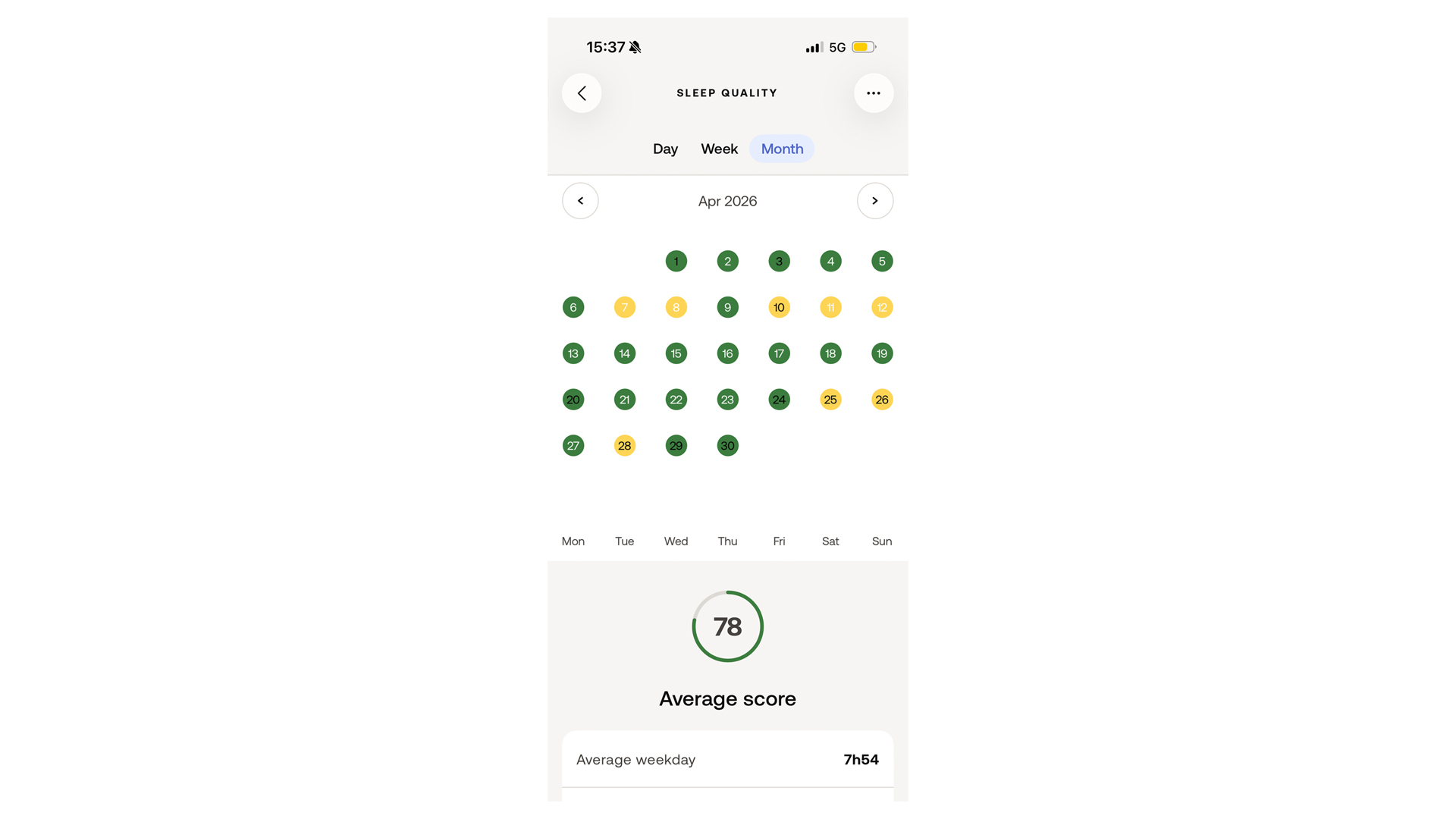
Overall, there was little change. I slept slightly worse in April than I did in March (and that’s without the red mark of a sub-60 score) but it was still within my average range (a 78 overall). Also, as noted, I saw a slight uptick in sleep interruptions — but not enough to cause concern.
In terms of alertness, the brighter mornings have helped me wake up feeling fresher. But I recorded more drowsy mornings after I ditched the lion's mane.
Verdict: Can mushroom adaptogens help you sleep better?
Reishi didn’t stop my 3 a.m. wake ups and lion’s mane didn’t supercharge my brain. However, I’ll add myself to the long list of adaptogen's anecdotal beneficiaries.
During the 30 day testing period I felt well rested and alert. On the nights I used reishi before bed I went to sleep feeling calm, while my brain woke up faster on my lion’s mane mornings.
But this positive impact might be attributed to other healthy habits I picked up along the way; a ritual wind-down in the evening, hydrating in the morning, and getting sunlight first thing.
“My overall view is cautiously open-minded,” says Perez. “If you enjoy taking them, notice a benefit and know they are safe for you, there may be no reason to stop.”
“However, [adaptogens] shouldn’t replace the fundamentals with stronger evidence behind them, including sufficient sleep, regular meals, physical activity, daylight exposure and sensible caffeine intake.”
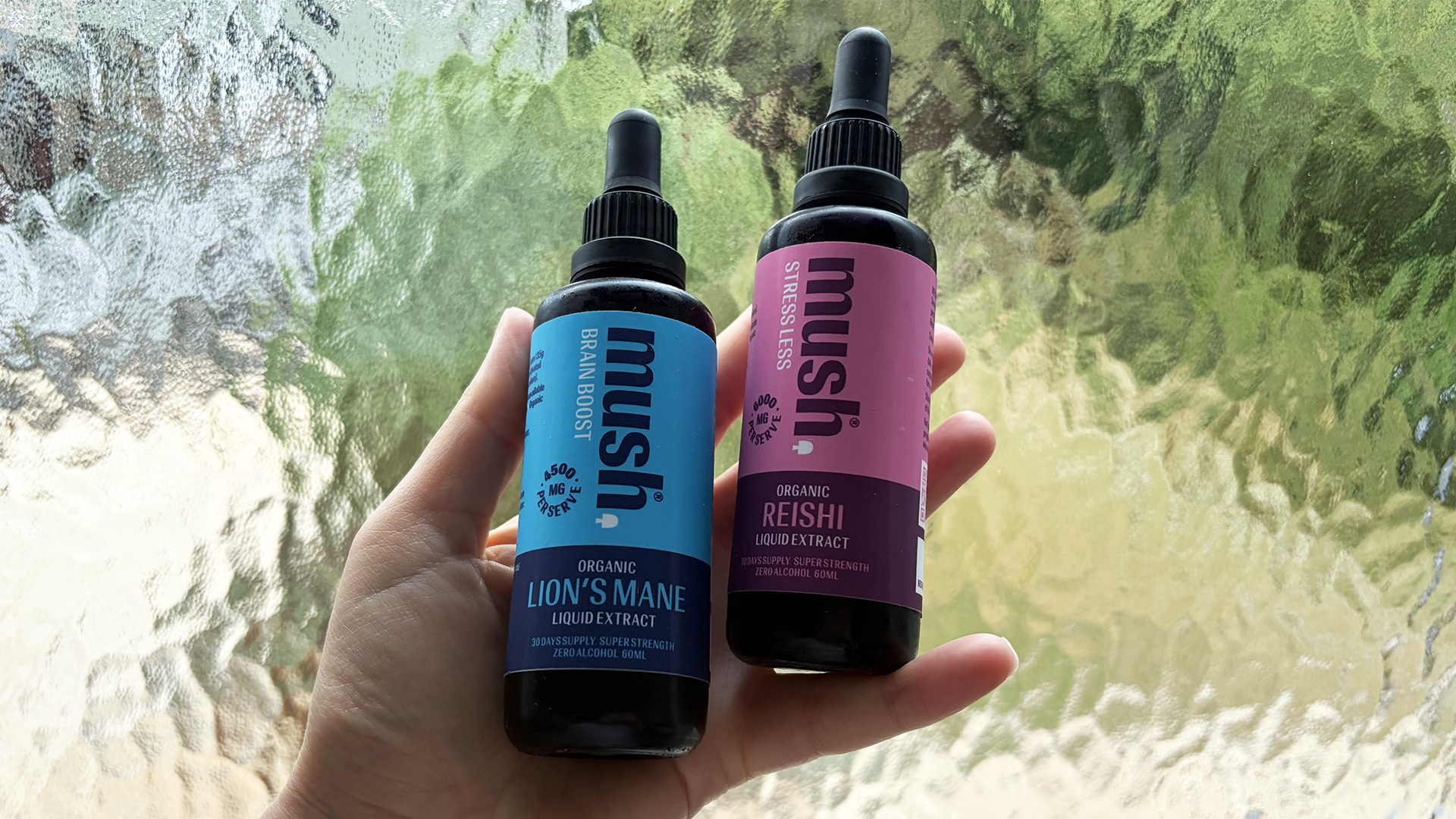
While Perez says adaptogens can be beneficial, she recommends being careful with use.
“Natural does not automatically mean risk-free," says Perez. "Reishi may increase bleeding risk and interact with blood-thinning or immunosuppressant medicines. Anyone taking regular medication, living with a health condition, pregnant or breastfeeding should always speak to a pharmacist or healthcare professional first."
Our favorite tech to help you destress before bed