People can push through a lot of hardship. Even when our own minds tell us we’re not strong enough, we dig deep and keep going. However, our perseverance can also come at a cost, masking pain until it boils over.
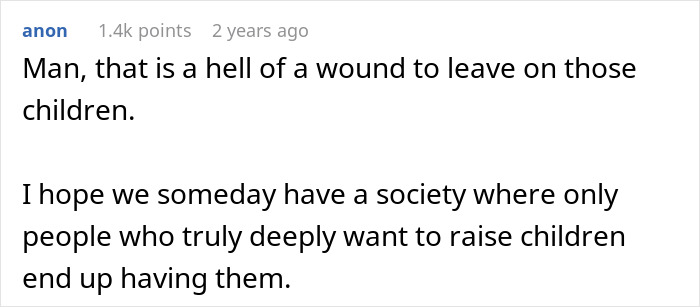
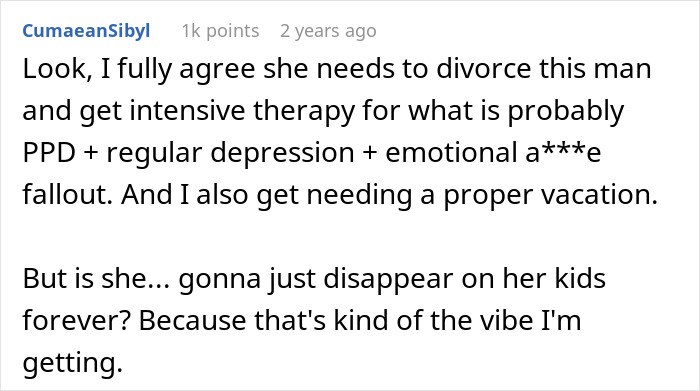
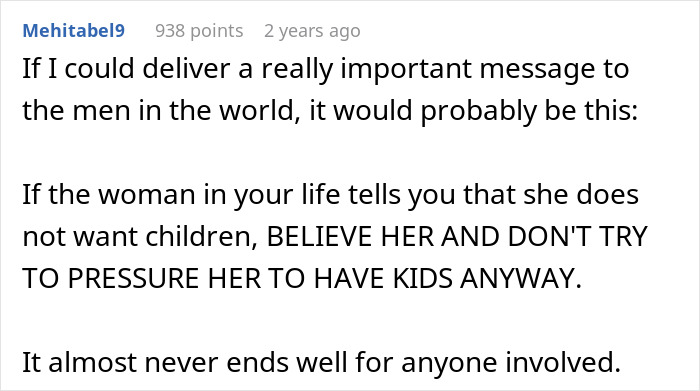
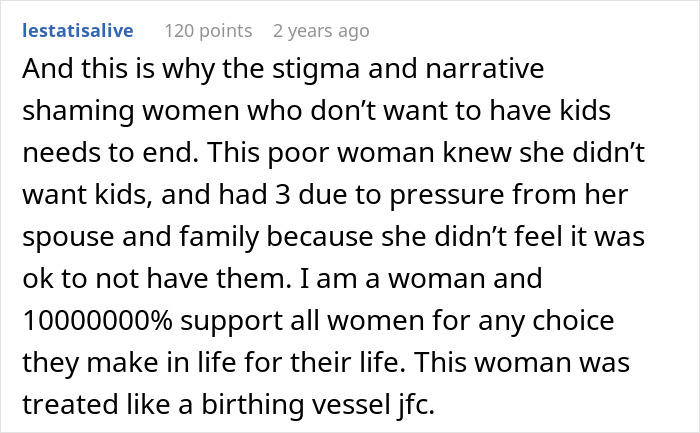
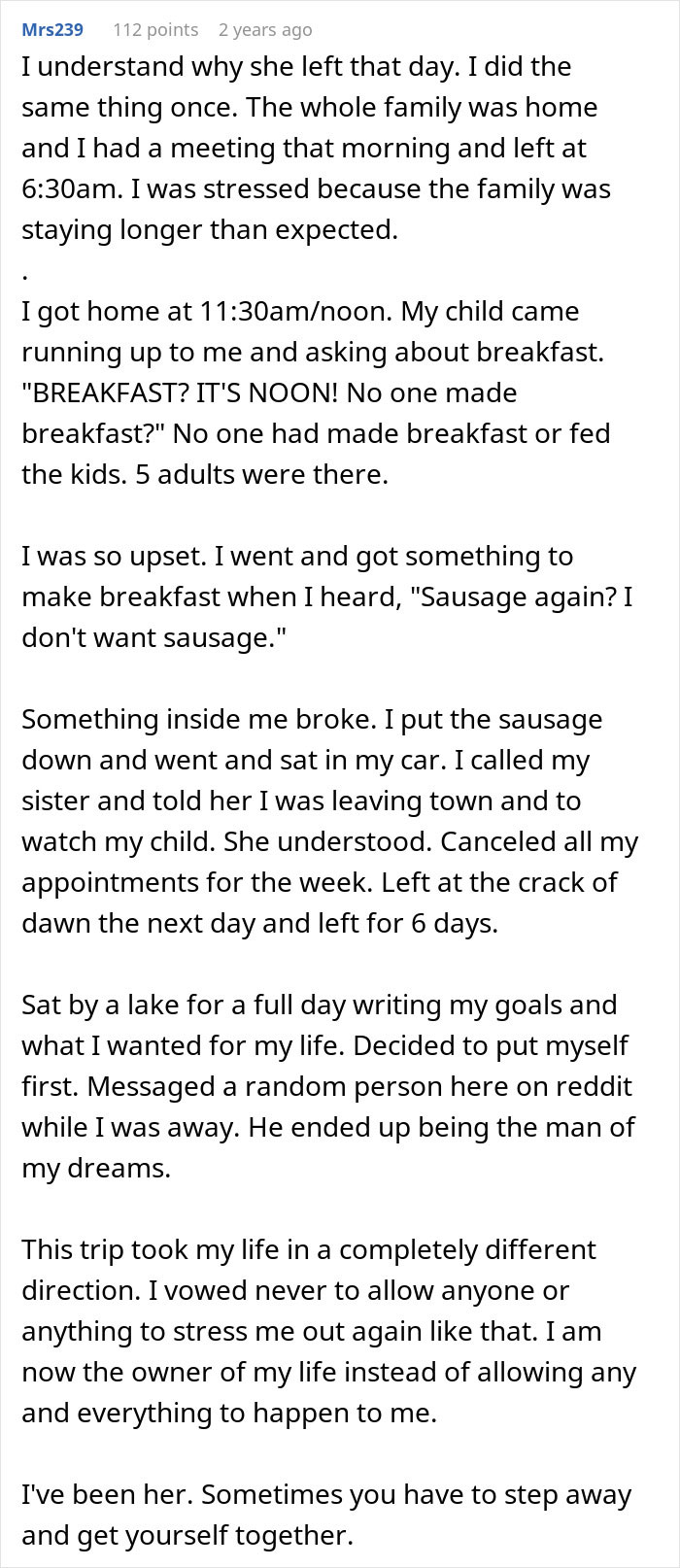
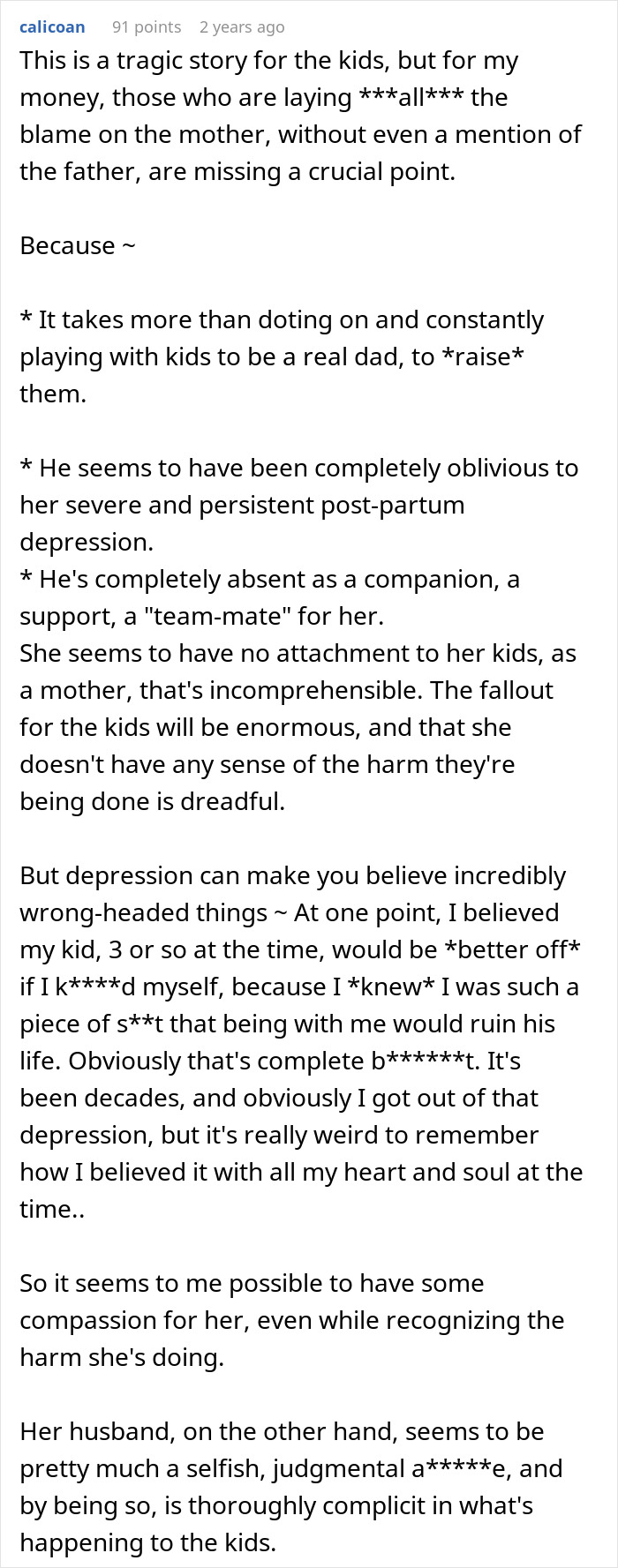
This story is about a woman who didn’t want to have kids but claims she was persuaded to do so by her husband’s insistence and cultural expectations.
Years later, raising not one, not two, but three children, she could no longer hide her true feelings, and the pent-up regret exploded on Christmas in front of her whole family.
This woman tried to create the perfect Christmas

Image credits: voronaman111 / envatoelements (not the actual photo)
But she couldn’t keep everything under control
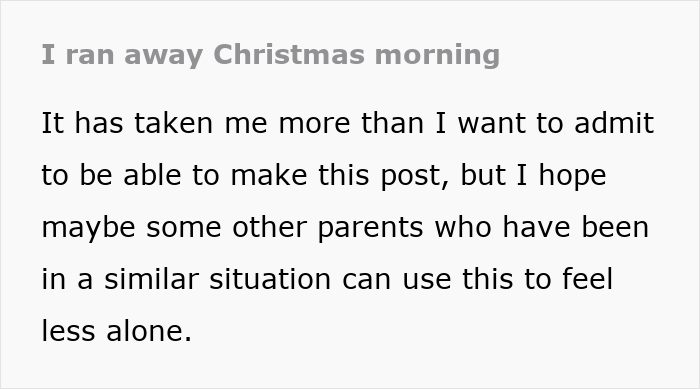
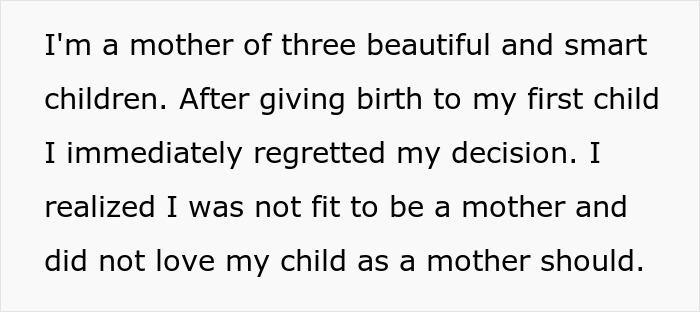
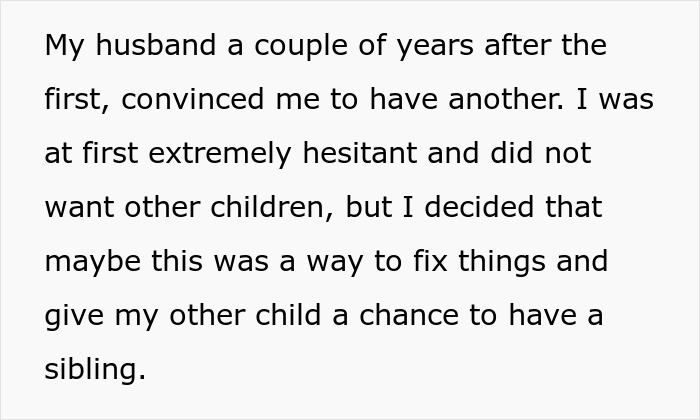
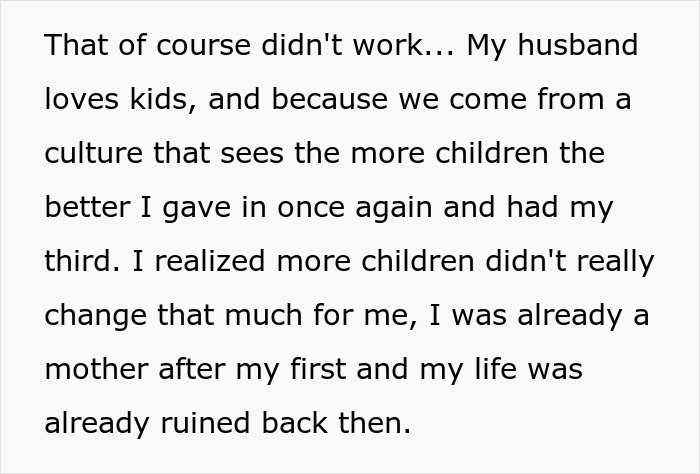
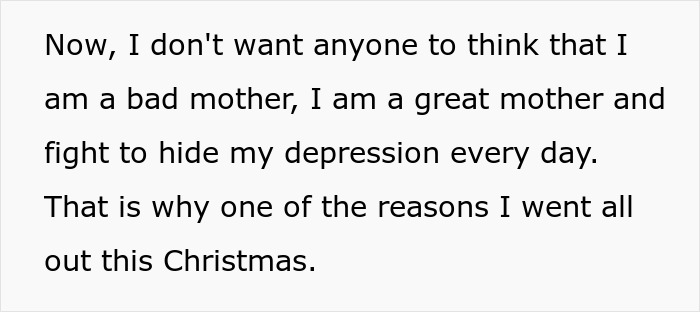
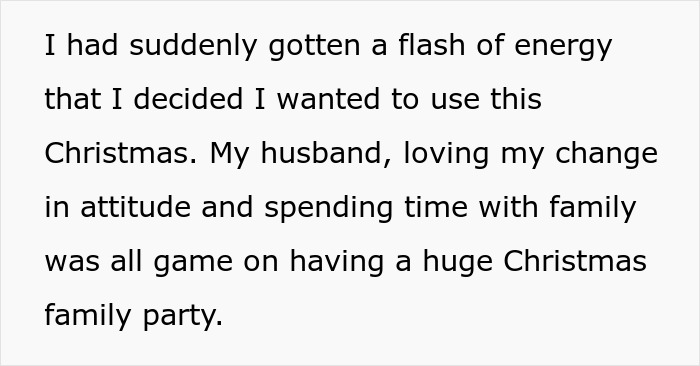


Image credits: ryzhov / envatoelements (not the actual photo)

Image credits: varyapigu / envatoelements (not the actual photo)

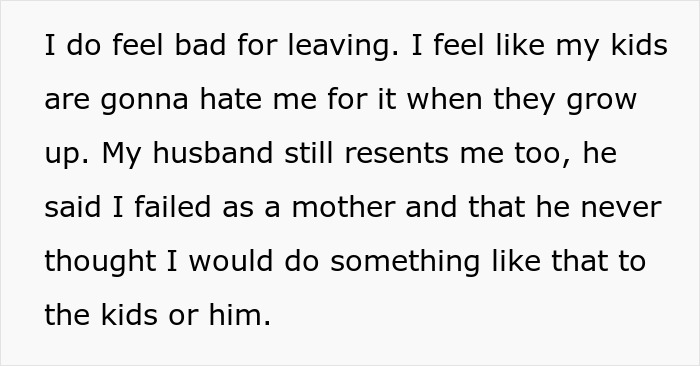
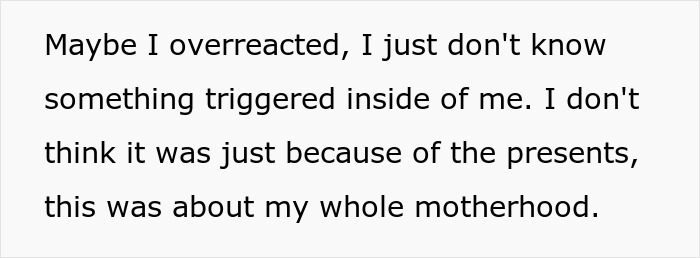
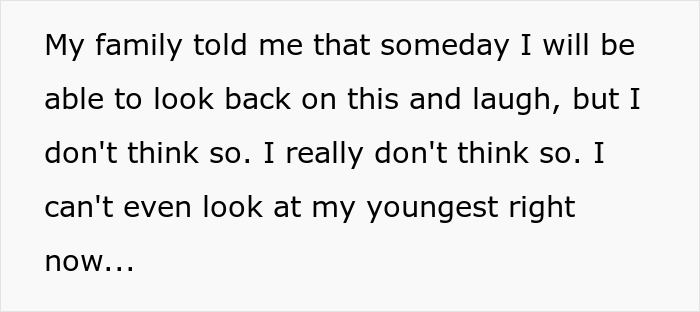
Image credits: Anonymous
There are signs that women have more control over having children than they used to
“If you’re a woman in your 20s or 30s, particularly if you’re in a long-term relationship, you’ve probably been asked when you’re going to have children,” says Abigail Locke, Professor of Critical Social and Health Psychology at Keele University, United Kingdom.
Now, you could make a case that the situation has been chasing. For example, in England and Wales in 2021, the average age to become a parent was 30.9 years for women and 33.7 years for men. But in the not-so-distant past—in 2017—the figures were 28.8 years for women and 33.4 years for men. So while dads have seen only a slight increase in age, mothers are becoming parents noticeably later than before.
At the same time, teen pregnancies have plummeted not just in the UK but elsewhere in the Western world, too.
All in all, birth rates in OECD countries have been declining significantly for decades. The average fell from 3.3 children per woman in 1960 to about 1.4 in 2023.
But now that the figure has dropped so far below the replacement rate of 2.1, many are worried that an aging population won’t have enough workers to support a growing number of retirees, placing strain on pay-as-you-go pension systems and healthcare. As a result, renewed attention on declining birth rates may once again translate into increased societal pressure on women to have more children.
But they still face unfair pressure
When YouGov asked Americans whether men and women in the United States come under pressure from society to have children, people were more than twice as likely to say that women (37%) face pressure to have children than to say that men do (17%).
Four in 10 female respondents say that women face pressure to have children, compared to only three in 10 male respondents. Men were more likely than women to say that men are pressured to have kids: 20% of men say men are, compared to 13% of women who say so about men.
“If you pick up a parenting book, you’ll probably notice that the text is written primarily for mothers,” Locke says. “Even when there is a move to a gender equal ‘parent,’ much of the text still refers to mothers instead of fathers as the one predominantly responsible for caregiving. Meanwhile, fathers are seen as more part-time, bumbling assistants or ‘babysitters.'”
“Parenting is hard work, time-consuming and expensive, and many countries’ working cultures are not set up to support parents,” the professor adds. “It is often the mothers who scale down their paid working hours to pick up more of the childcare when the baby arrives.”
“As I’ve found in my research, media about stay-at-home fathers depicts them as being forced into the role through economic pressure. This is a contrast to what these primary caregiving fathers have told me themselves, which is that they see parenting as an equal partnership.”
The professor acknowledges that there has been some progress toward equal parenting, but the idea of mothers as the primary caregivers persists and means that women in their 20s and 30s still face undue pressure about whether—and when—to try for children.
After pouring her heart out online, the author of the post answered people’s biggest questions
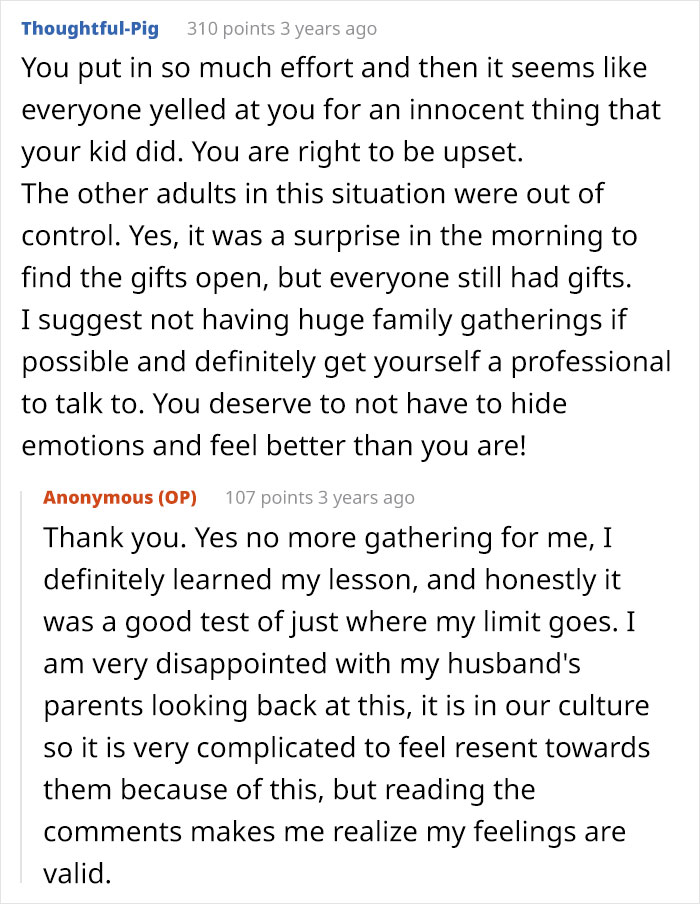

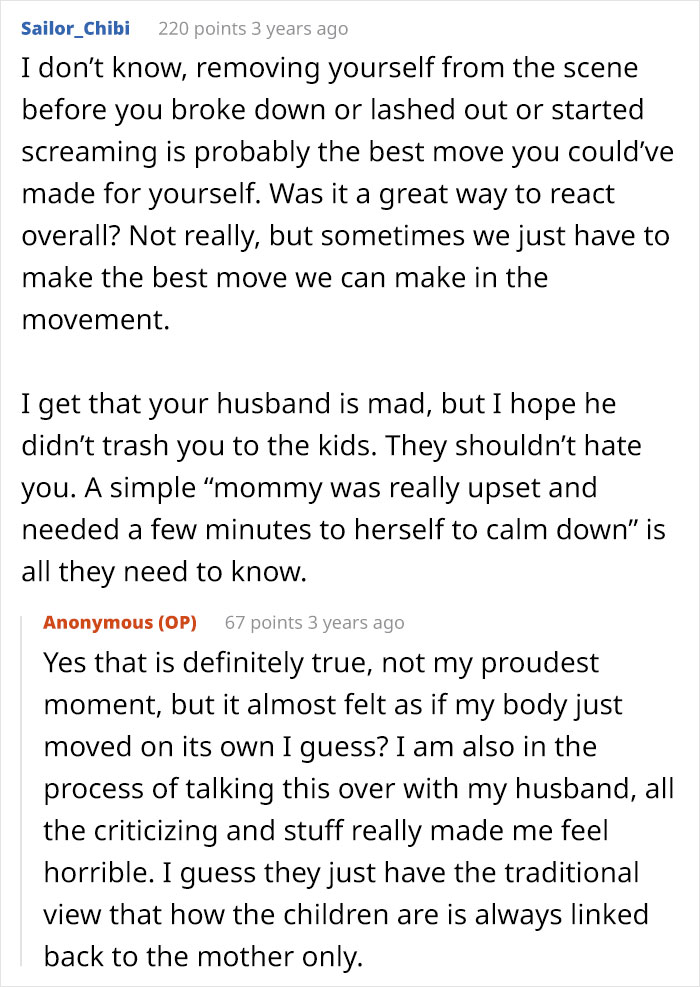
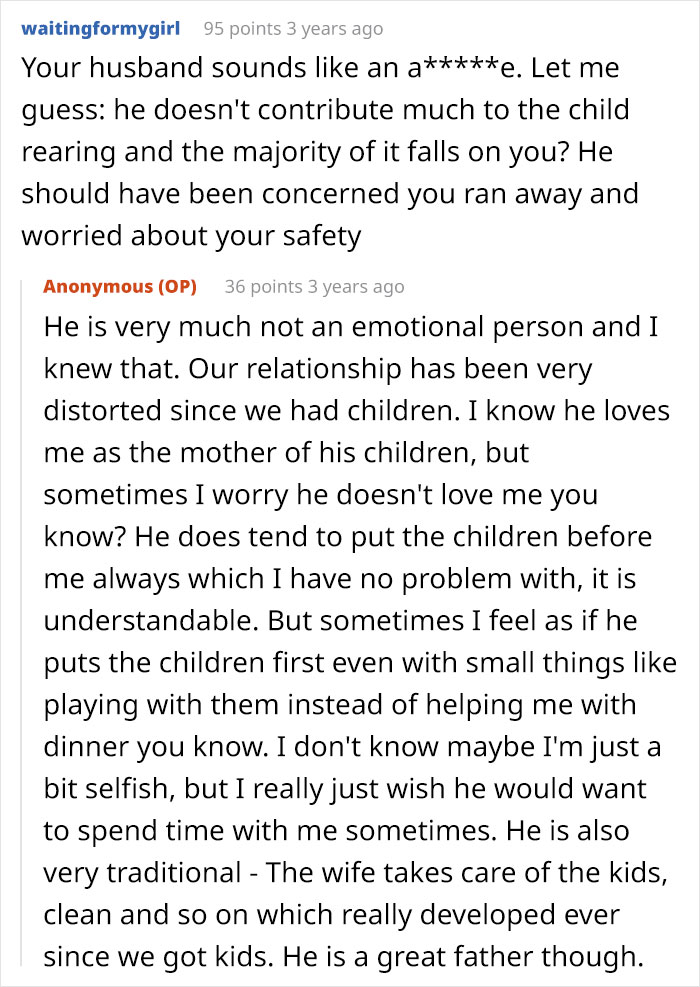
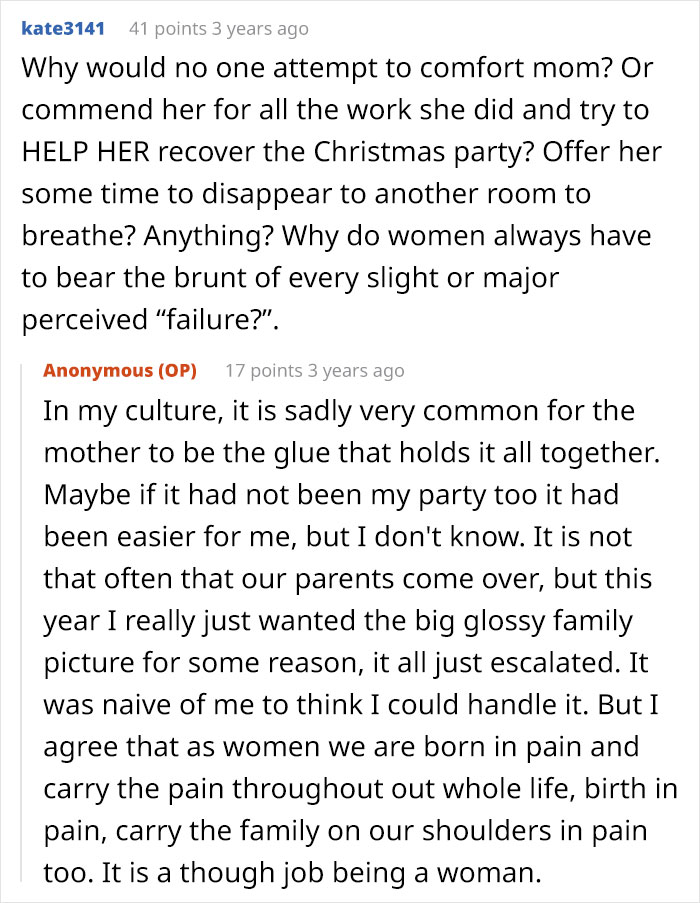
A lot of the responses offered support

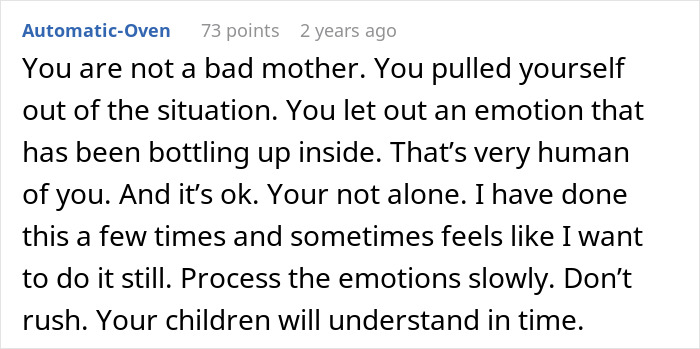


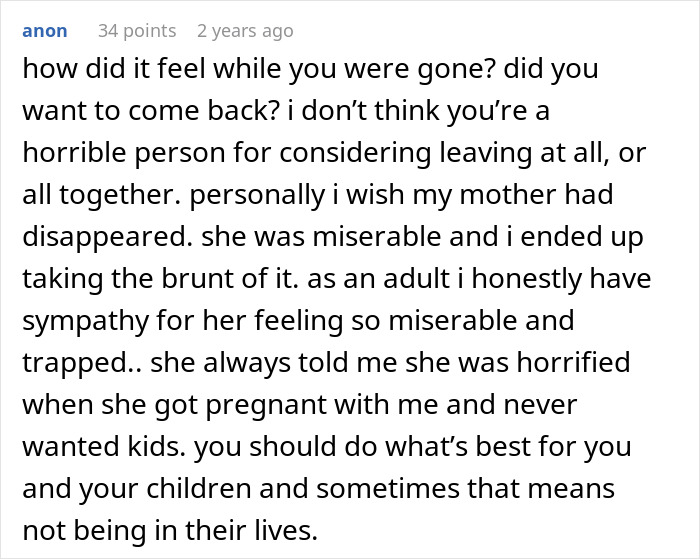
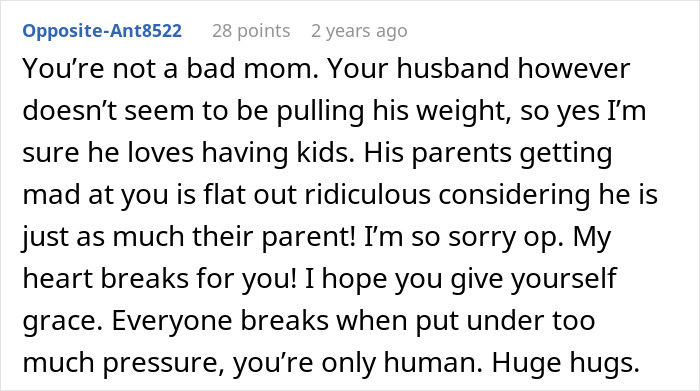


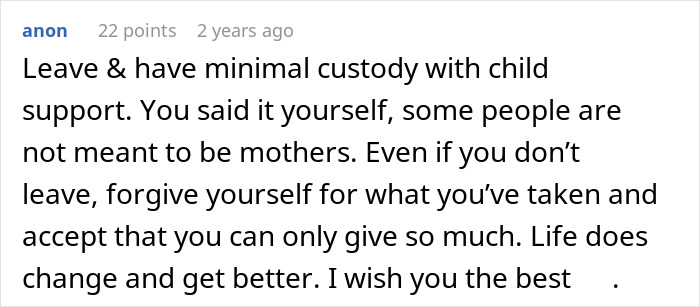

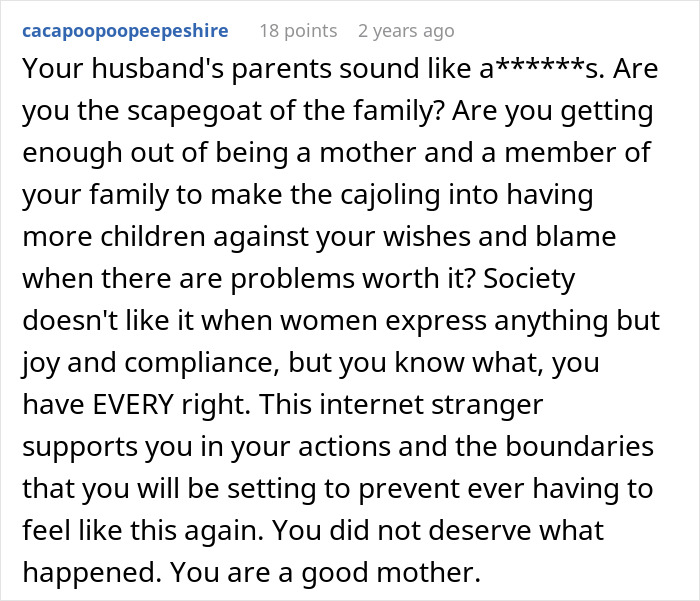
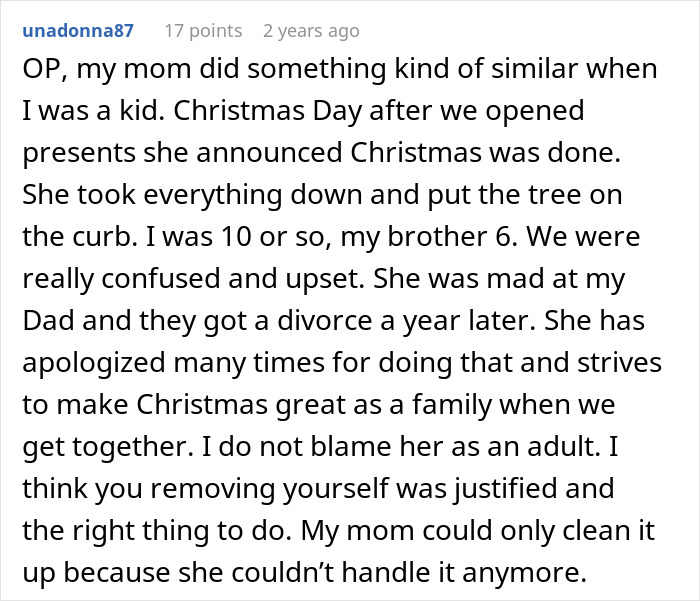
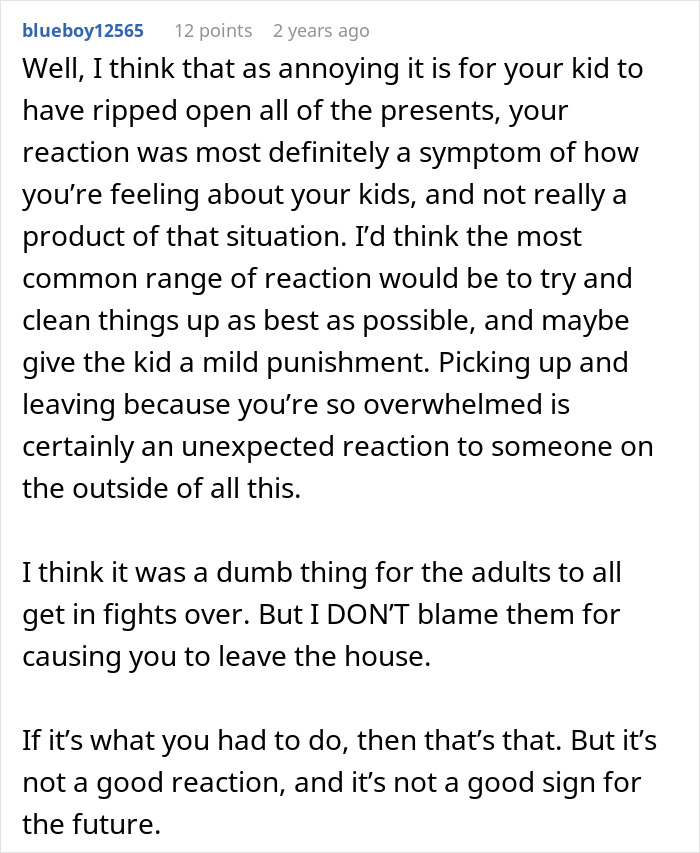




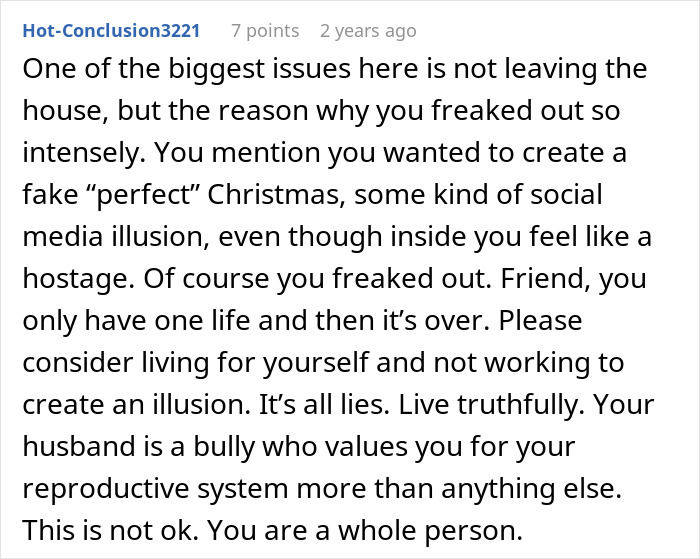
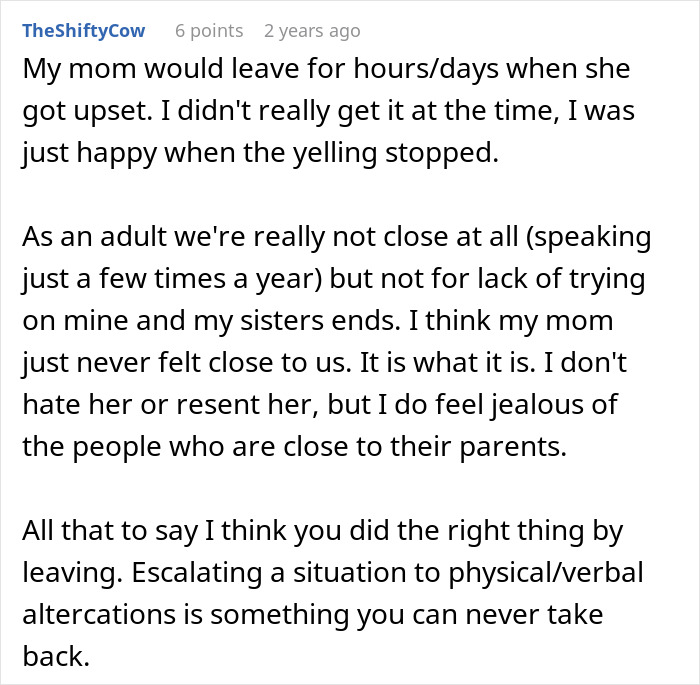

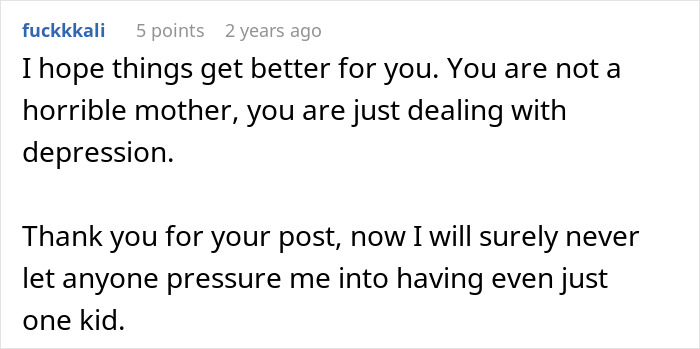
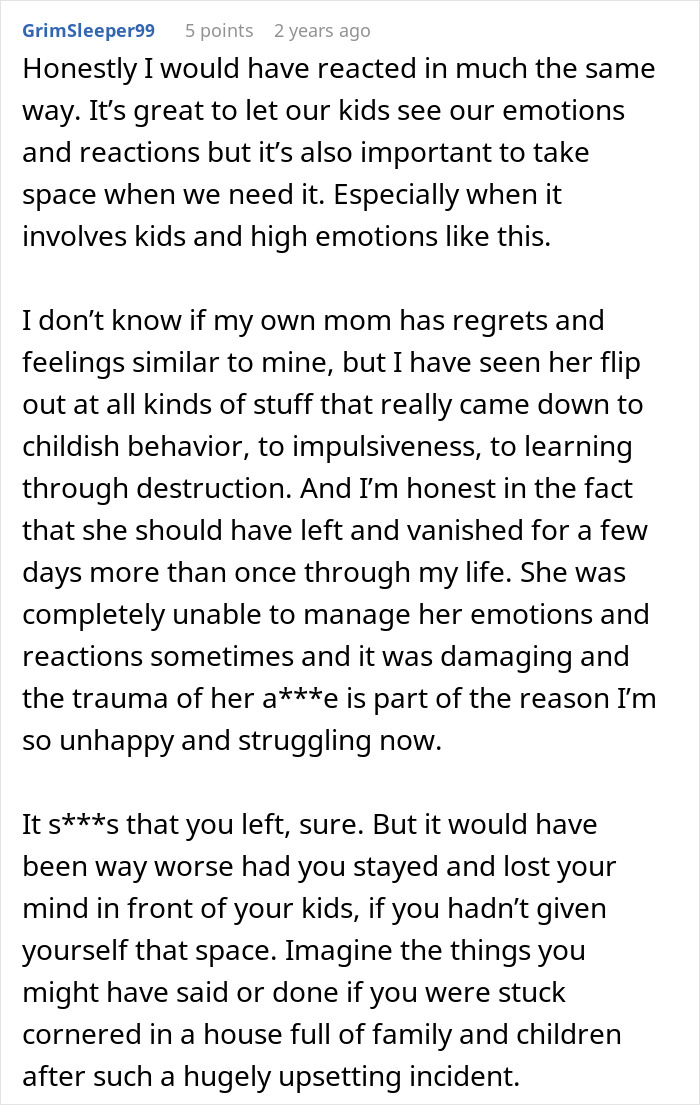

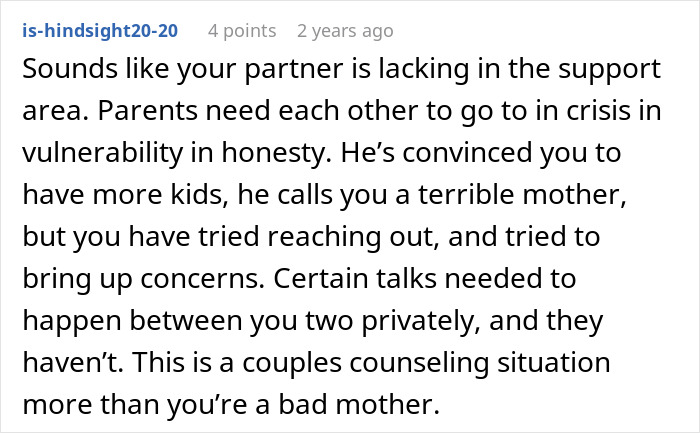
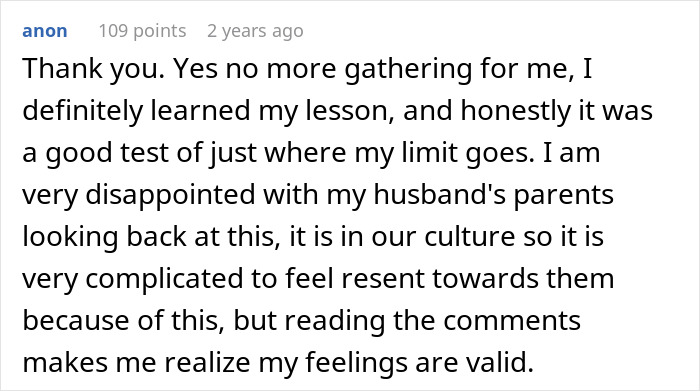
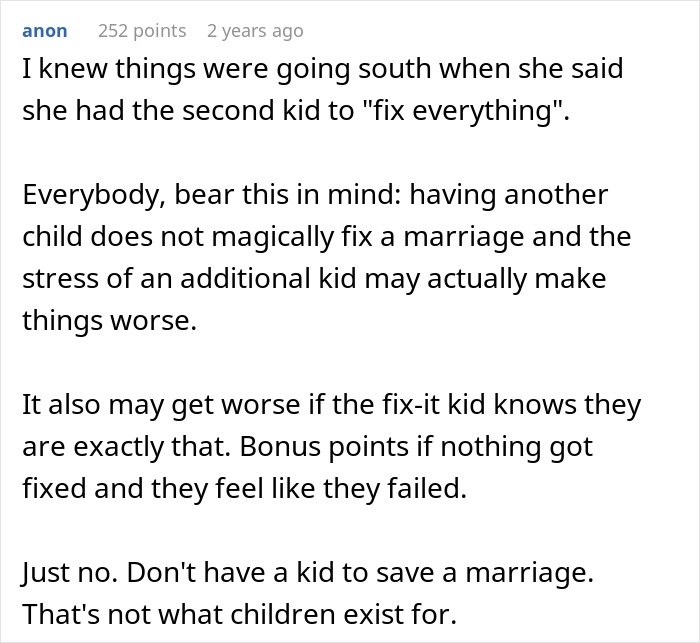
Later, the woman said the internet’s response was a wake-up call

Image credits: uraneva / envatoelements (not the actual photo)

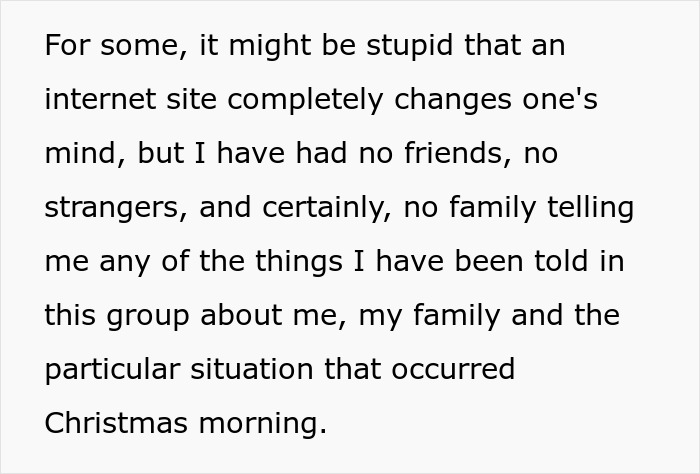
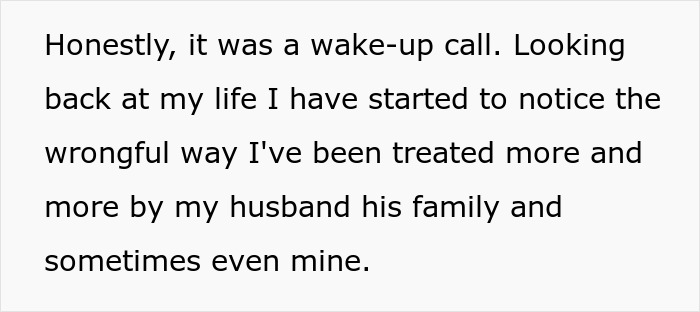
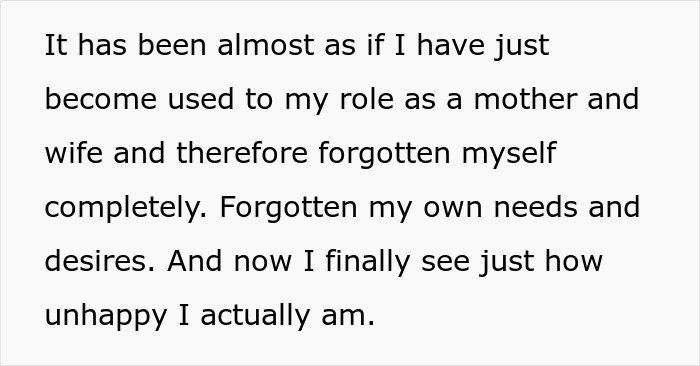

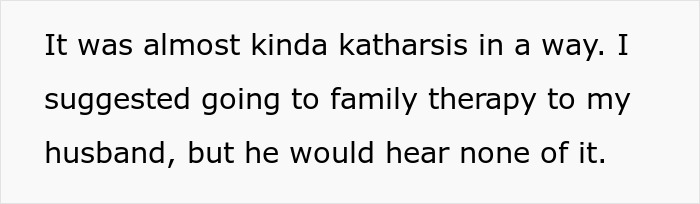
Image credits: africaimages / envatoelements (not the actual photo)
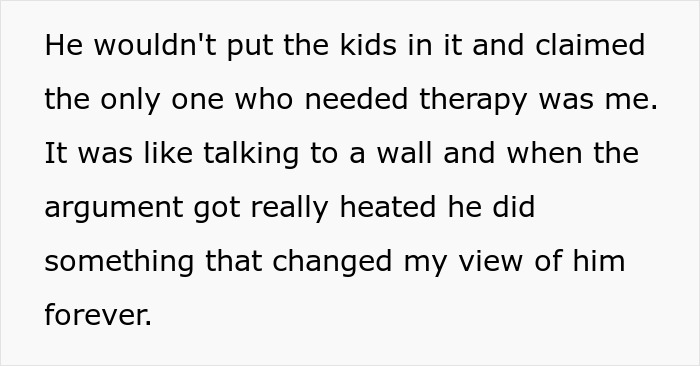
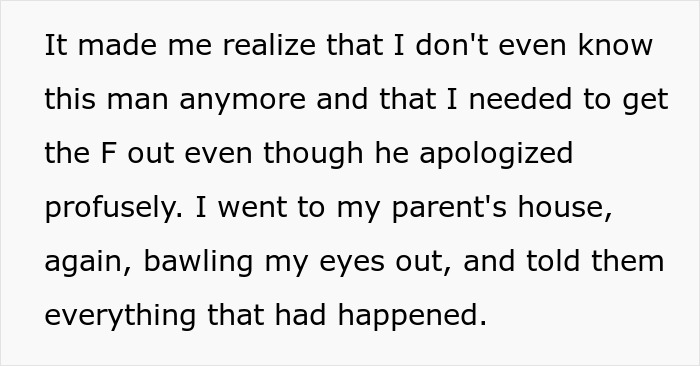
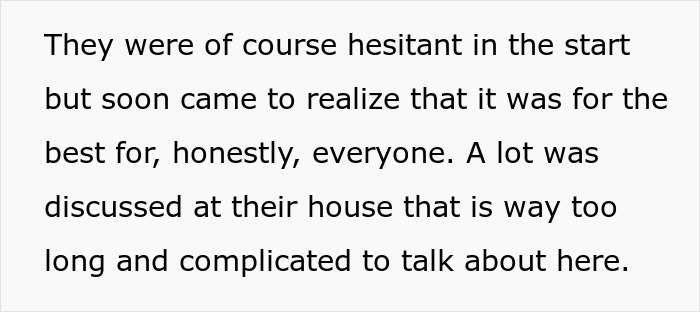
Now, she’s getting a divorce
Image credits: LightFieldStudios / envatoelements (not the actual photo)
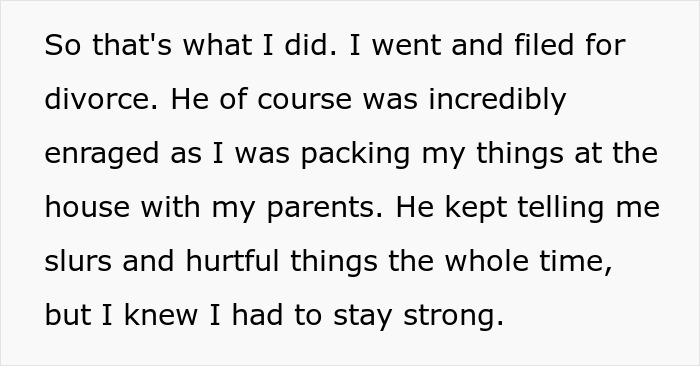
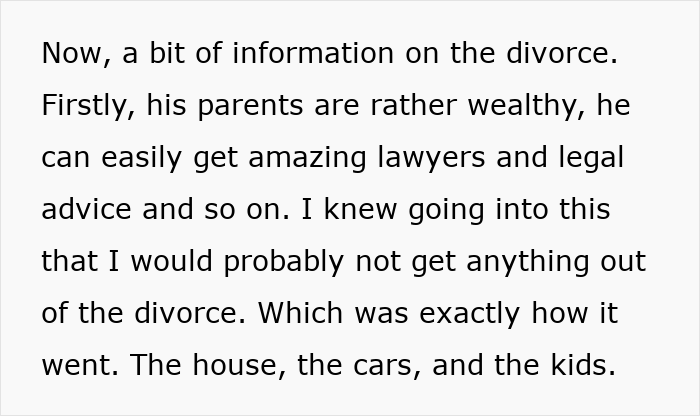

Image credits: josecarloscerdeno / envatoelements (not the actual photo)


Image credits: freepik (not the actual photo)
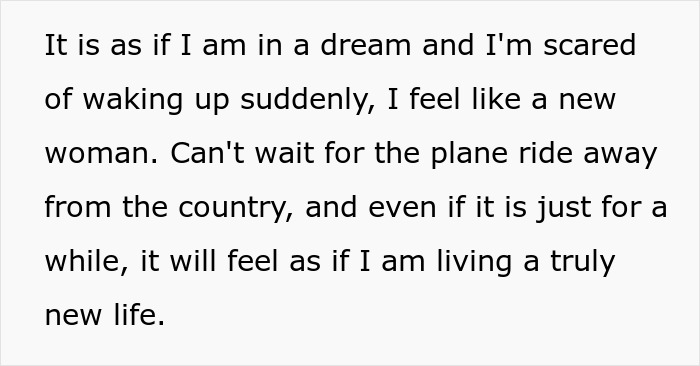
Image credits: Anonymous
Many people believe that, in the end, it’s all for the better