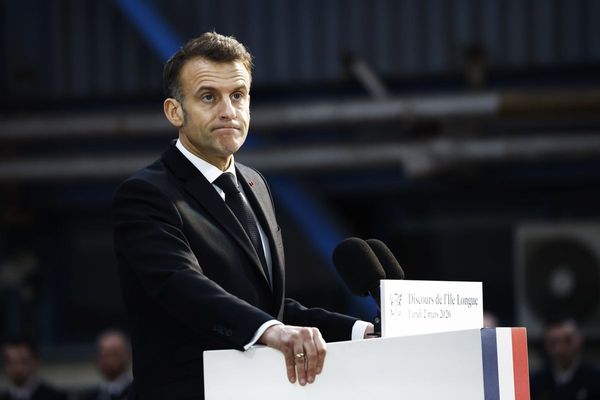
They tried to make him go to rehab... Robbie Williams has been admitted to a US treatment centre for addiction to prescription drugs. Photograph: Scott Gries/Getty
"The glory days are gone and we've all stopped havin' it. No raves no more just bedside cabinet."
You could never accuse Robbie Williams of not being prophetic. He predated his own current entry into a rehab clinic in America for addiction to prescription drugs back last September, on the song Good Doctor, part of his shapeless, weirdly rambling and vastly underperforming album, Rudebox. In the song he goes on to namecheck all manner of prescription medication that has been fascinating him since becoming "sober", five years previously. Codeine, Morphine, Opium, Methadone, Menocrabedene, Hydroanoxycodeine, Anolodene, Buprenopheine, ButroPhenol, Adorel, Dorel, Xanax, Vicodin and Oxycotton are all listed against a musical backdrop of unsettling jollity. When I first heard the song, it struck me that Robbie's transference from living in the UK - where we do parties, hard - to the US - where they do prescriptions, harder - was complete.
These are testing times for Robbie Williams, quite aside from his prescription pill problem. If there's one thing that he does not like, it is failure. More than any other artist of his generation, Robbie has measured out his own success with bean-counting regimen against its incredible commercial force. Two of the most salient and repeated quotes of his solo years have been "Well, I won, didn't I?", a somewhat snide retort to old bandmate and nemesis Gary Barlow when the latter's attempt at a solo career stagnated and "I am rich beyond my wildest dreams", upon signing a record breaking £80m contract with EMI prior to the release of his Escapology set.
But the tale, inevitably, did not end there. Often these rash proclamations made in a jubilant instant will return to bite you on the behind. With his own artistic winning streak taking a nosedive and with Rudebox hitting a sales ski-slope, the reversal of his fortunes has been compounded by the recent, astonishing resurgence of Take That. They are currently, incredibly, Britain's most successful band, outstripping Williams by a healthy (pun intended) country mile. More personally damaging for Williams is the wholesale public affection afforded to his former band, and to Barlow once more, as a songwriter. Robbie is no longer the plucky underdog proving the country wrong. His old band are. Now take that, sir.
Williams is intuitively hotwired to finding solutions to problems, though, and you would write him off at your peril. This initially depressing twist in his engrossing public tale reminds me of an interview I did with him at the end of 2005. He was talking about Pete Doherty, whom he referred to with affection and a little casual jealousy (if there is another thing that Robbie Williams does not like, it is his own personal lack of cool). He told me that modern addiction was different from the days of our mothers and elder cousins, on their tranquilisers and heroin. He said that if you wanted to get an addiction sorted out and you had the money to do it, there were now the ways and the means. Then you came back better than you were before.
He may have spent his 33rd birthday in a US rehab joint, but if he can keep those words in mind, they may provide some solace in this time of new personal and physical torment.