Prices going up in the world isn’t a new phenomenon. Most consumers understand global events dictate the cost of goods and services. The majority also fathom the concept of supply and demand.
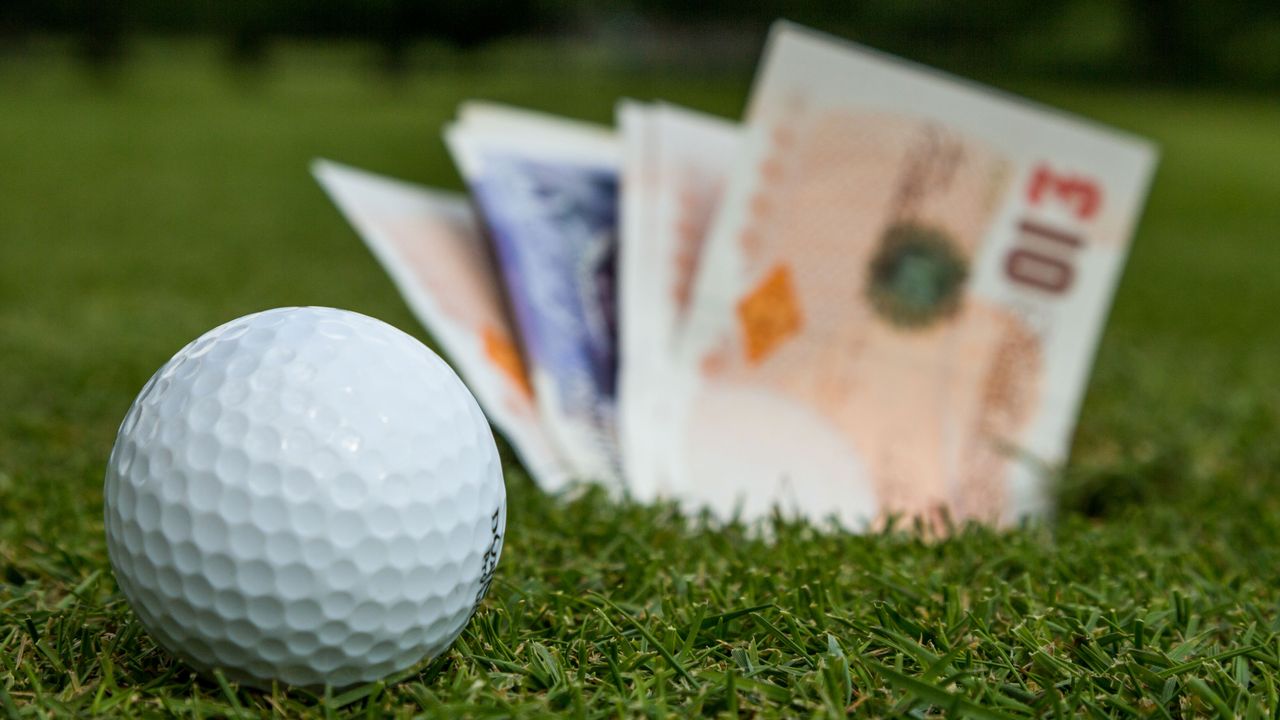
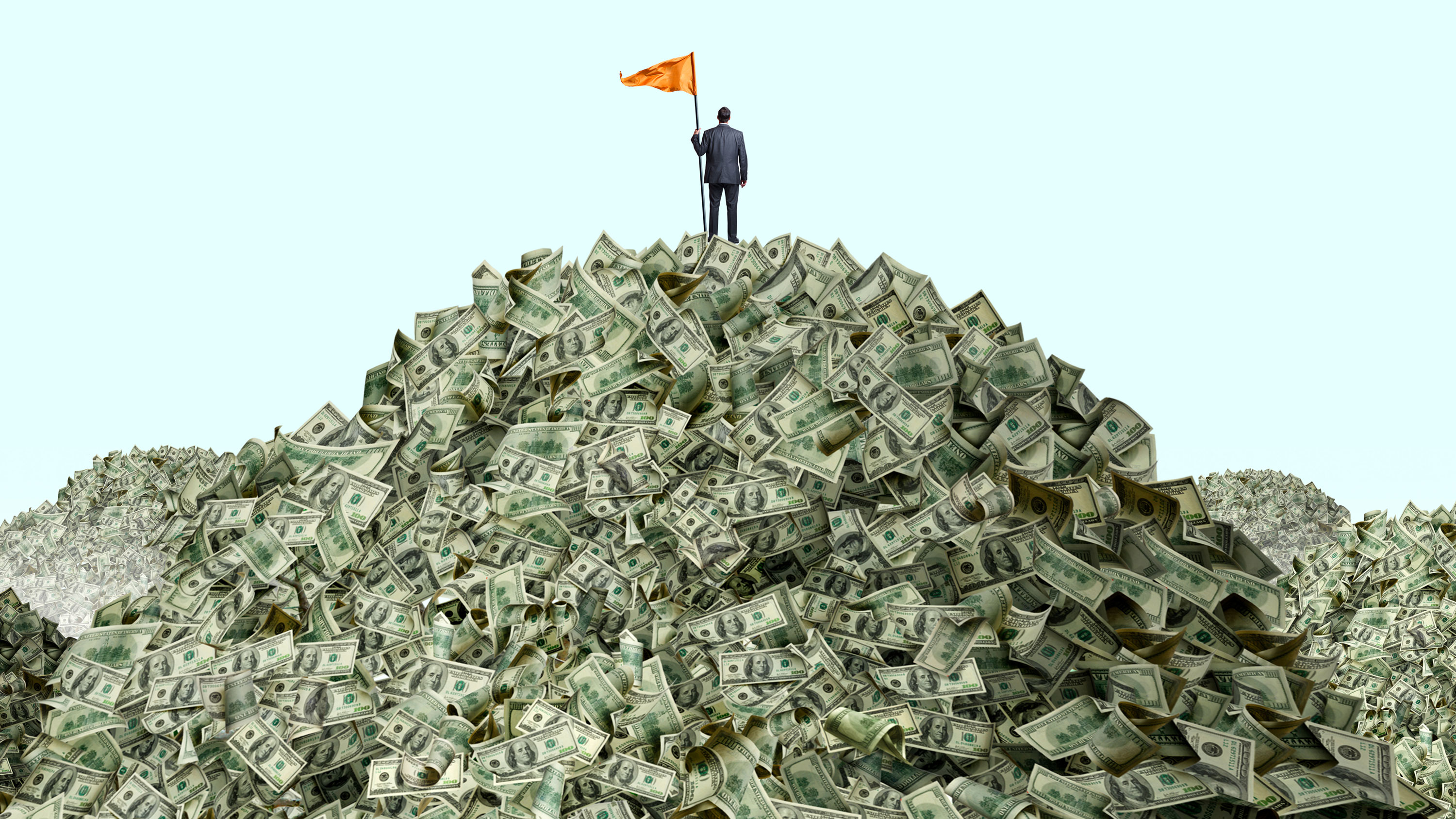
What isn’t acceptable, however, is the aforementioned factors being used as an excuse to justify significant price hikes. I fear this is happening in golf and it’s not a sustainable practice.
Years from now, will some golf courses look back and accept their semi-exploitative practices were at the detriment of long-term growth? Will they express remorse and regret at wasting a Covid-supplied open goal because of short-term greed? Or will demand continue to increase and justify their decision? There’s really no way of knowing, but I fear the former.
To be clear, this isn’t all golf clubs, but basic municipals, mid-tier pay-and-plays and Top 100 courses have all been guilty of some pretty substantial price rises over the last few years.
In all businesses, expenses get passed on to the consumer, and there’s no question the world is as costly as it’s ever been, but are we seeing proportionality when it comes to price rises at some golf clubs? Not in my experience.
Yes, costs are increasing – everything from machinery to oil in the kitchen – but that shouldn’t give clubs carte blanche to charge frankly ridiculous prices and not improve the quality of their product.
Some will say adults can make their own decisions and prices wouldn’t be so high if people weren’t paying the asking rate, which is, of course, true. But you don’t need a business degree to work out costs going up and standards staying the same or decreasing isn’t a recipe for long-term success.
I’ve written extensively about this topic in the past, as has my colleague Rob Smith. When golf-obsessives are considering giving up the sport because green fees are too high, there’s a serious problem brewing.
My last round of golf took place at my local pay-and-play – a place that does a lot of things well, but also lets itself down in some areas, like not letting nomadic golfers play off the white tees. While green fees have gone up over the last few years, I’ve never considered it egregiously expensive and I’ve always felt it offered decent value for money. Well, until recently.
To play at a peak time will now set you back £56. It’s a decent layout, but it’s not worth that. Even factoring in inflated prices across the board, I’d say £40 is about right, especially given they pack the tee sheet absolutely full to the brim so rounds often take in excess of five hours.
On the first tee, we all debated whether we were going to submit cards. I put a card in every round, but others were on the fence before I persuaded them it was the right thing to do. I felt bad about that ten minutes later.
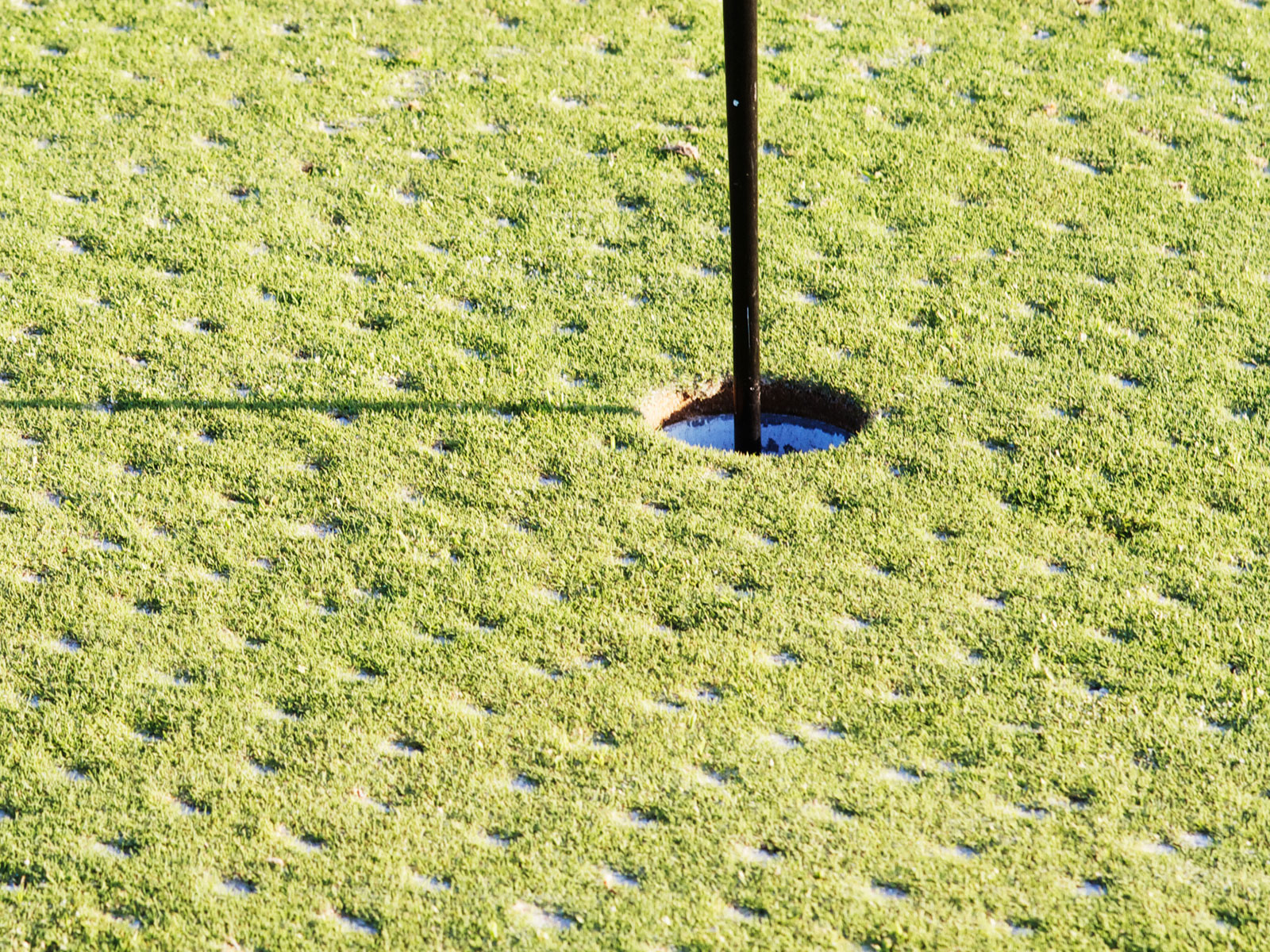
Why? The greens were absolutely horrendous. It was like putting on broccoli. What made it even worse was the fact I’d played other courses in the weeks before and their putting surfaces were close to perfection.
We’d been enjoying a spell of decent weather and it was the start of the main part of the season – there simply wasn’t an excuse for the greens to be that bad.
Of course, everyone has off days and tricky periods, and that’s true for greenkeepers too. Everyone understands it’s not an easy job. But when you’re asked to pay £56 and the greens are beyond sub-standard, it doesn’t create a positive impression. The greens simply haven’t improved since the fees were hiked and you could argue they’ve got worse.
If you’re playing a basic pay-and-play and it costs you somewhere in the region of £25, you’re anticipating average at best. But when you get into the £50 range, decent greens should be the minimum. These weren’t even average; they were woeful.
Balls bobbled all over the place and putts that looked destined for the cup three feet out would often take wild deviations and miss the hole entirely. Putting became completely random and neutralised any advantage for those proficient with the flat-stick. The result was handicap submissions that weren't at all reflective of how we’d played.
The following week, I paid £60 to play a course with the worst fairways I’d seen. It’s not a great state of affairs for nomadic golfers at the moment. It’s upwards of £100 to play courses that are decent but nothing more, it’s £200+ for the very best layouts and average tracks are now commanding fees that are high enough to make you wonder if you should be doing something different.
I’ve even heard stories about average clubs near Top 100 courses that are raising their prices massively because they feel it creates the perception of prestige and therefore attracts wealthy American tourists.
As we finished our rounds and walked off the 18th, we all agreed we’d have to think twice about returning. You’re not expecting perfection for £56, but what we were served up was nothing short of unacceptable.
I wonder how many other people that day felt the same. The next time they have a spare five hours, will they return? Or will they decide cycling, swimming, climbing or hiking is a better and more cost-effective use of their time?
The world is a very expensive place for the average person. Most will think seriously about spending £56 for a sub-standard experience a second time, and some will decide it’s not worth it.
Even though things seem rosy right now, I fear currents are swelling under the surface.