Dennis Hopper was Hollywood's most notorious wild man. As expertly surmised by Far Out magazine:
"This is the guy who tried to blow himself up with dynamite, was caught wandering naked through the jungle, shot a tree while out of his mind on LSD, and snorted a dead woman’s ashes, which is merely the tip of the debauched iceberg."
Said iceberg includes snorting cocaine during an FBI sting operation, threatening to kill a director with a broken ketchup bottle for turning down his offer of a threesome, and getting deported from Australia after drinking so much alcohol (including Old Spice aftershave) that he should have been legally dead.
In the midst of all this, however, he was also a prolific and talented photographer.
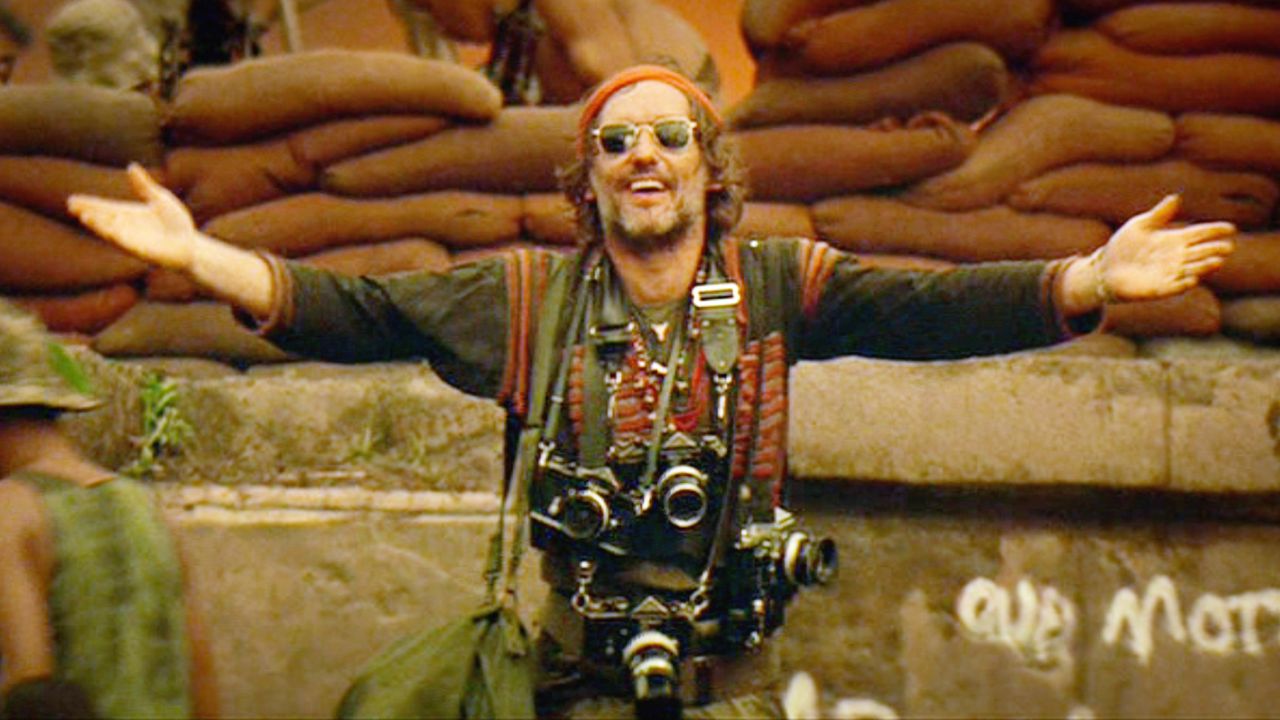
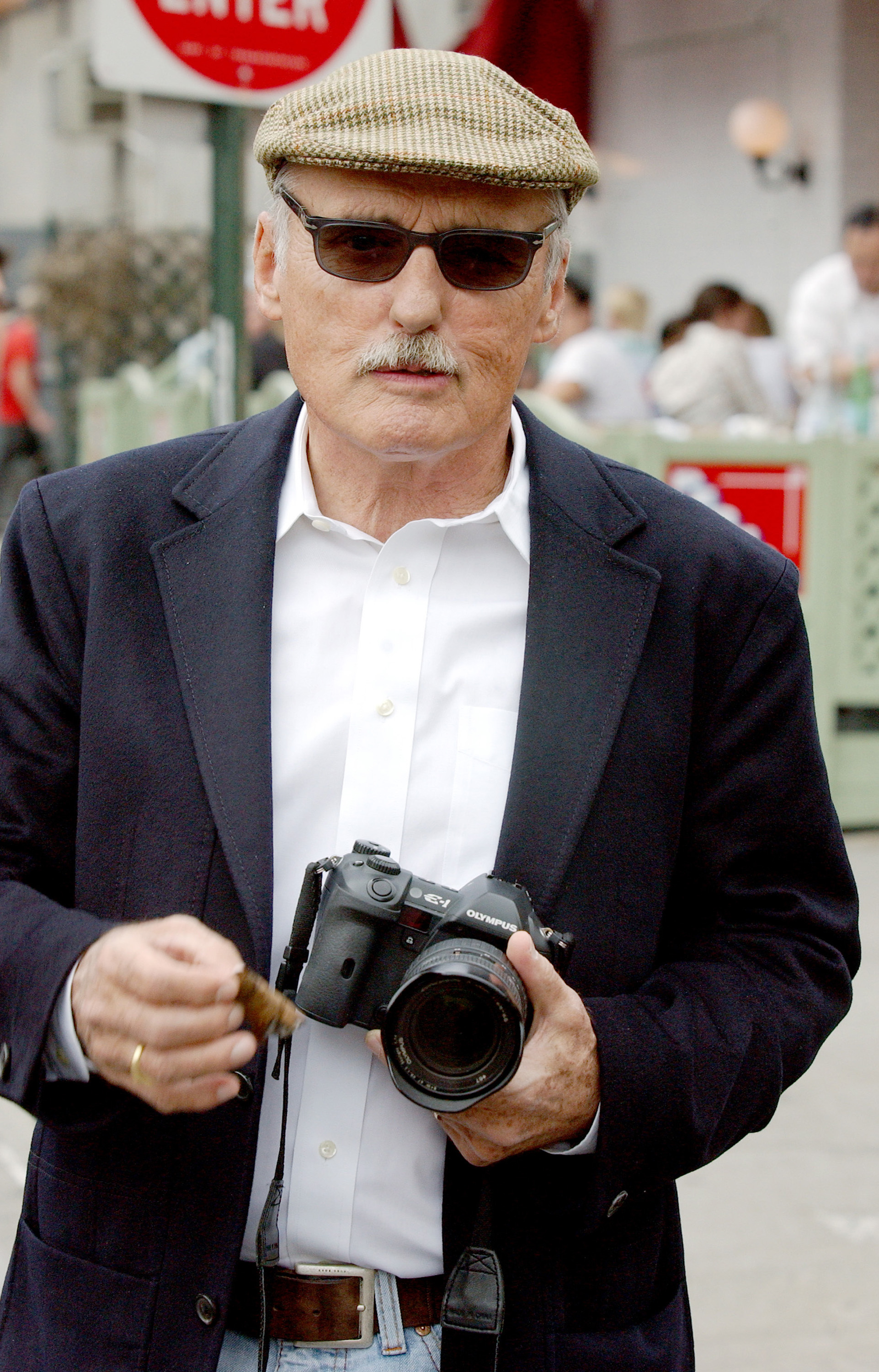
While best known for his roles in Easy Rider, Apocalypse Now (pictured at the top of this article, where he played an American photojournalist), True Romance and Speed, Hopper was quietly creating stunning bodies of photographic work on his Nikon F and later Olympus E-1.
He photographed everyone from Andy Warhol and David Hockney to John Wayne and Jane Fonda to Prince and Martin Luther King. His work has been published in books and shown in exhibitions around the world.
Born May 17 1936, this week would have been the enigmatic star's 90th birthday had he not passed away in 2010 due to prostate cancer. I thought it would be fitting to share some quotes from the man himself, reflecting on photography and his work behind the camera.
(Some of these quotes are hard to attribute, but some come from a 2009 interview with Vulture that is well worth reading.)
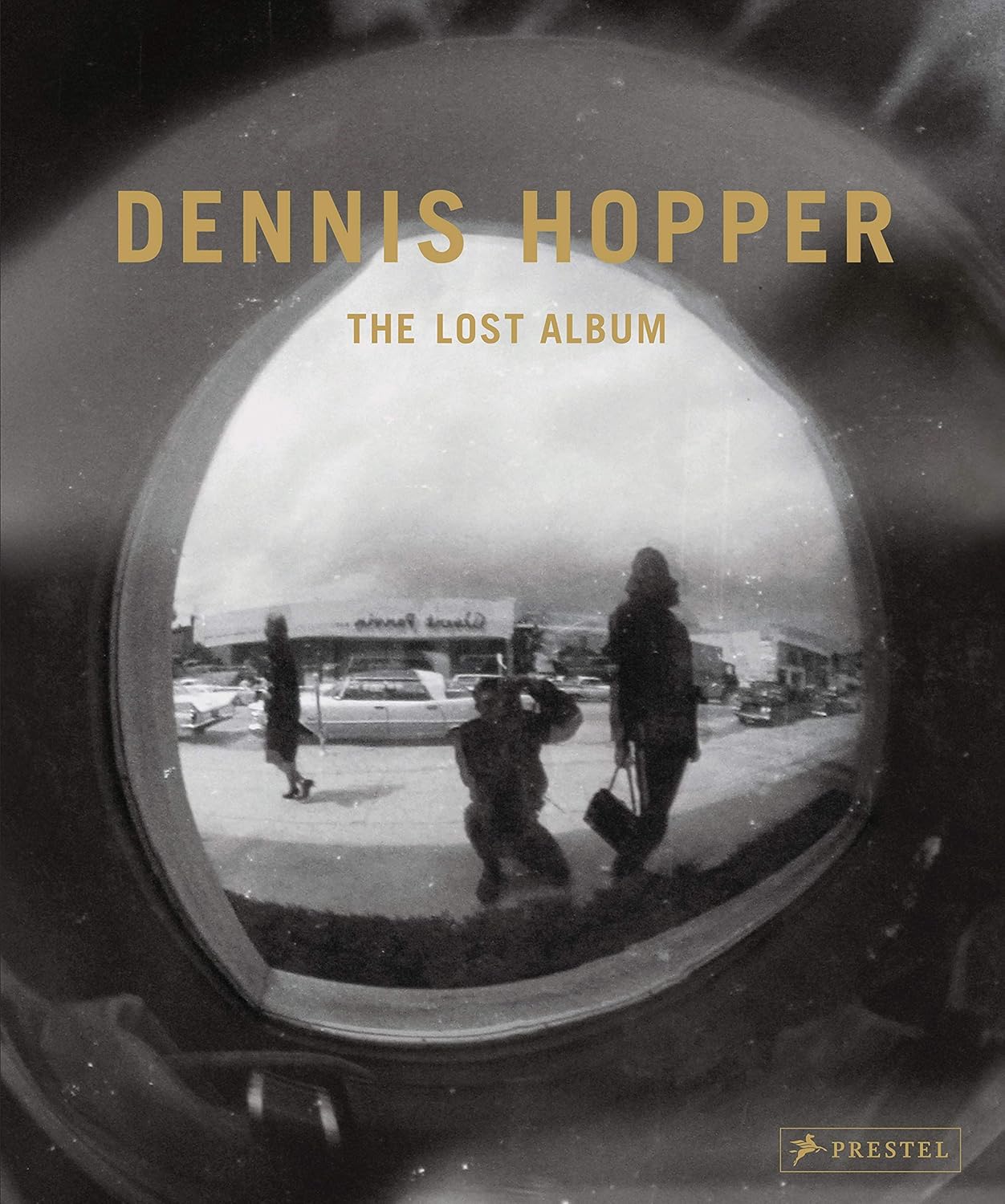
"I never made a cent from these photos [his most celebrated body of work, The Lost Album]. They cost me money but kept me alive."
"I started at 18 taking pictures. I stopped at 31… I went under contract to Warner Brothers at 18. I directed Easy Rider at 31. I married Brooke [Hayward] at 25 and got a good camera and could afford to take pictures and print them. They were the only creative outlet I had for these years until Easy Rider. I never carried a camera again."
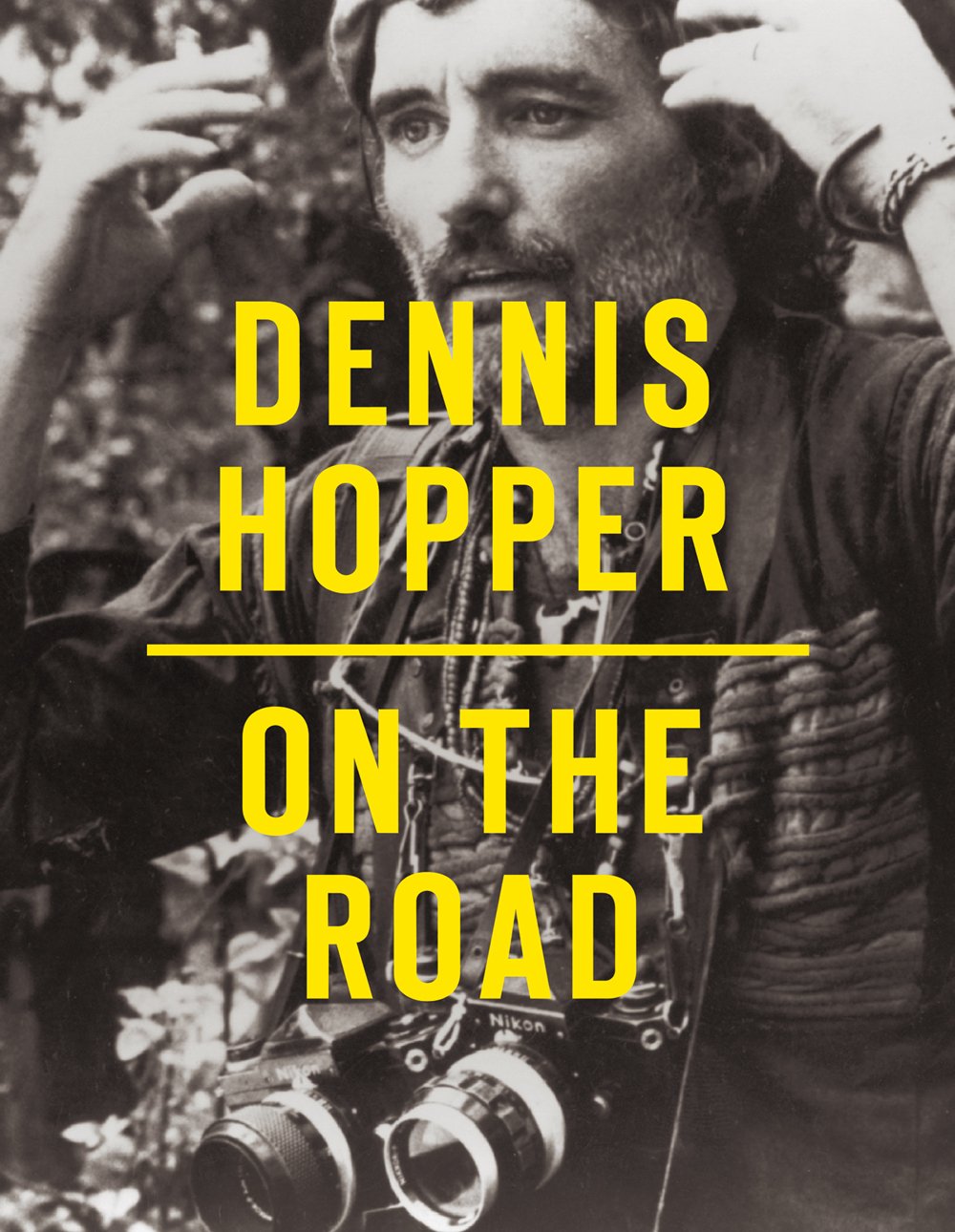
"I had Easy Rider, and I couldn’t get another movie, so I lived in Mexico City for a couple of years. I lived in Paris for a couple of years. I didn’t take any photographs, and then I went to Japan and saw a Nikon used. I bought it, and I just started, like an alcoholic. I shot 300 rolls of film. That was the beginning of me starting again, and then I went digital."
(On going digital:) "When it first started, it was inferior and the inks weren’t archival. As soon as the inks became archival, I went digital. To me, it’s like the difference between developing something in chemical or being able to spray the light. It’s like painting with light, and the computer is reading the light. When a digital photograph looks right, it looks like it was painted."
"The high points have not been that many, but I’m a compulsive creator so I don’t think of the children first, I think of the work. Let’s see, I guess, Easy Rider, Blue Velvet, a couple of photographs here, a couple of paintings… those are the things that I would be proud of, and yet they ’re so minimal in this vast body of crap – most of the 150 films I’ve been in – this river of shit that I’ve tried to make gold out of. Very honestly."
"I was taking pictures in black-and-white. Everyone else was using color. I was using Tri-X because I could shoot at night, and get shots by holding it real still, with just streetlights and so on. So these were things that I was playing with. But at the same time, a lot of my ideas were glamor ideas, because I wanted people to look good. So my portraits were about them in natural light, looking good, and looking in some way that had something to do with the reality of their world."
"I was a compulsive shooter back then. I was very shy, and it was a lot easier for me to communicate if I had a camera between me and other people."
"I had been taking photographs because I hoped to be able to direct movies. That’s why I never cropped any of the photographs; they are all full-frame."
"I think of that with my photographs; I think of them as 'found' paintings because I don’t crop them, I don’t manipulate them or anything. So they’re like found objects to me."
"I recently visited David Hockney, Anselm Kiefer in Paris. Damien Hirst, when he was at the Lever House, I spent a morning photographing him. Jeff Koons. Julian Schnabel, people like that, friends. Prince. Artists are more willing, they’re gung ho. They’re not used to it. They like hanging out."
"I started out shooting flat, on walls, so that it had no depth of field, because I was being photographed all the time as an actor… I really wanted the flat-on-painter kind of surface. I did that for a long time."
"Then the artists. I really started taking photographs of artists. They wanted me to take photographs. They wanted posters and things. I was hanging out with them. I photographed the ones I thought were going to make it… I met most of the Pop artists before they ever had shows."
"I wasn’t really working as an actor during this period, and I thought, 'Well, if I’m not going to be able to work as an actor, I might as well be able make something that’s going to be credible.' So I took photographs of Martin Luther King and Selma, Montgomery, as history."
"I didn’t use a light meter; I just read the light off my hands. So the light varies, and there are some dark images. I’m sort of a nervous person with the camera, so I will just shoot arbitrarily until I can focus and compose something, and then I make a shot. So generally, in those proof sheets, there are only three or four really concentrated efforts to take a photograph. It’s not like a professional kind of person who sets it up so every photograph looks really cool."
"Well, I was a compulsive creator, so it became my creative outlet. I was using Tri-X film – which nobody else was using at the time – because I wanted to get as much natural light as possible and be able to shoot everything in natural light without flashes. I was a product of the movie business."
"I am just a middle-class farm boy from Dodge City and my grandparents were wheat farmers. I thought painting, acting, directing and photography were all part of being an artist. I have made my money that way. And I have had some fun. It’s not been a bad life."
You might also like…
Hopper was a Nikon and Olympus shooter, so take a look at the best Nikon cameras and the best Olympus / OM System cameras of the current day.