Laavynia Nambiar, 22, is an economics and international relations student at the University of Sussex and member of the university’s Malaysian and Singaporean society. She is Malaysian and left Kuala Lumpur to study in the UK
Why the UK?
I wanted to go to the source of all the knowledge and information related to my course – the home of Adam Smith. With Malaysia being in the Commonwealth, people started going to the UK in the 1970s and 1980s, including my father, which also influenced my decision.

What have been the biggest benefits?
I’ve become much more independent – I didn’t have space to grow until I left – and I can appreciate other cultures. Since coming here, I’ve learned about manners, like the simple acts of opening doors and smiling at people on the street, which don’t really happen in Malaysia.
I’ve also learned to appreciate my own culture. I’ve realised the importance of dinners with extended family and respecting your elders.
What has been the most challenging thing about moving to the UK?
Adapting to the new environment. I’d been to the UK a few times before – to London and Brighton – so I thought I knew what to expect. But being alone in a foreign country is completely different.
Also, I’ve had to be independent whether I liked it or not. I had to cook, get my own groceries, and set up bank accounts for myself. This may sound like I was lazy back in Malaysia, but I’d usually do these things with my parents. I’ve made mistakes, but I’ve learned so much by doing things myself.
Have you suffered from homesickness?
Yeah. It hasn’t been too bad, but I sometimes feel down and don’t initially know why, until I realise it’s because I’ve been away from home for so long.
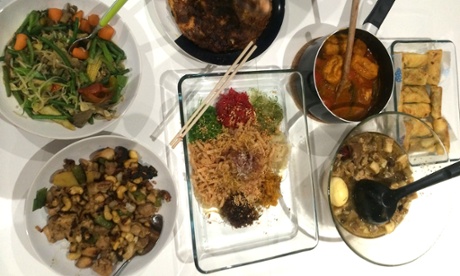
I miss the fact that, in Malaysian culture, everything revolves around food, and I miss the way it brings people together. During celebrations, people sometimes open their houses to anyone on the street and have tons of food just to celebrate. It’s called rumah terbuka, meaning open house.
I mostly miss the banana leaf with rice dishes that you eat with your hands. I never try to make it myself because I’m not very good at cooking.
Do you ever cook Malaysian food for your university friends?
I’ve cooked Malaysian and Chinese food for friends. They really enjoyed it – a Greek friend said one of the dishes tasted like something she has back home, which I found really interesting.
The kitchen is the only thing in my flat that seems Malaysian, because of the spices and sauces in the fridge. I buy a lot of Malaysian things to take with me to university, such as ready-made sauces and dried anchovies, which aren’t really found in the UK.
What do you do when you feel homesick?
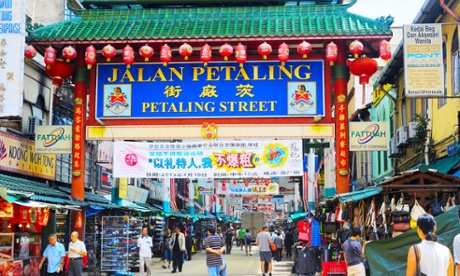
I contact my family daily through Skype, WhatsApp and by text. Lots of my Malaysian friends are in London, so if I feel really homesick I’ll spend a weekend with them and we’ll have Malaysian food in Chinatown. It’s much more expensive than in Malaysia, but some restaurants are actually very good. My favourite is C&R.
Do you prefer to socialise with Malaysians or students from other cultures?
I try to do both – I don’t want to stick to just Malaysians, because I want to learn about different people. I’m part of the Malaysian society and we do activities like paintballing and have dinners, and we celebrate occasions like Chinese New Year and Deepavali together. But there’s no point in being comfortable with a group of friends when you can find out a lot more about the world.
What are the biggest differences between university life in the UK and in Malaysia?
The culture of going out at night. In Malaysia we go out at 10, 11 or even 12pm, just to sit around in coffee shops and talk to one another. In the UK, it’s more about going to pubs, clubs and bars, which isn’t common in Malaysia. I don’t drink because I’m a Bahá’í.
Has the British university experience lived up to your expectations?
I expected more interaction between people of different races. Many people stick together just because they’re from the same country.
Does the cost of living in the UK seem high?
Transport costs in Brighton have increased twice in two years and it’s now really expensive to ride a bus, whereas Malaysian transport is very cheap. Groceries are affordable in the UK, but it’s painful spending money on eating out.
Have you experienced any hostility or racism?
Fortunately no, though some of my friends have. Brighton is a very accepting and welcoming place, but I don’t know about other areas.
When did you learn English?
I speak English at home and everyone speaks it in Malaysia. It’s taught in primary school and spoken widely because of the former British rule. But I’ve had to work hard to write assignments. When we speak English it’s called Manglish – Malaysian-English. I’ve learned to write in the right way by reading friends’ papers to see how they do it.
What advice would you give to other Malaysians heading for the UK?
Everybody will be apprehensive about leaving – I was dreading it. The first three months are really difficult, but that was when I grew most. After the first term, you’ll look back and realise how far you’ve come since you left home. You’ll go back to Malaysia with a whole new perspective on education and life. You’ll notice the differences between the two cultures, and appreciate them.
Read more stories in the series:
• International students in the UK: who are they really?
• Meet a student from... Germany: ‘I brought a meat hammer from Germany so I can make schnitzel’