
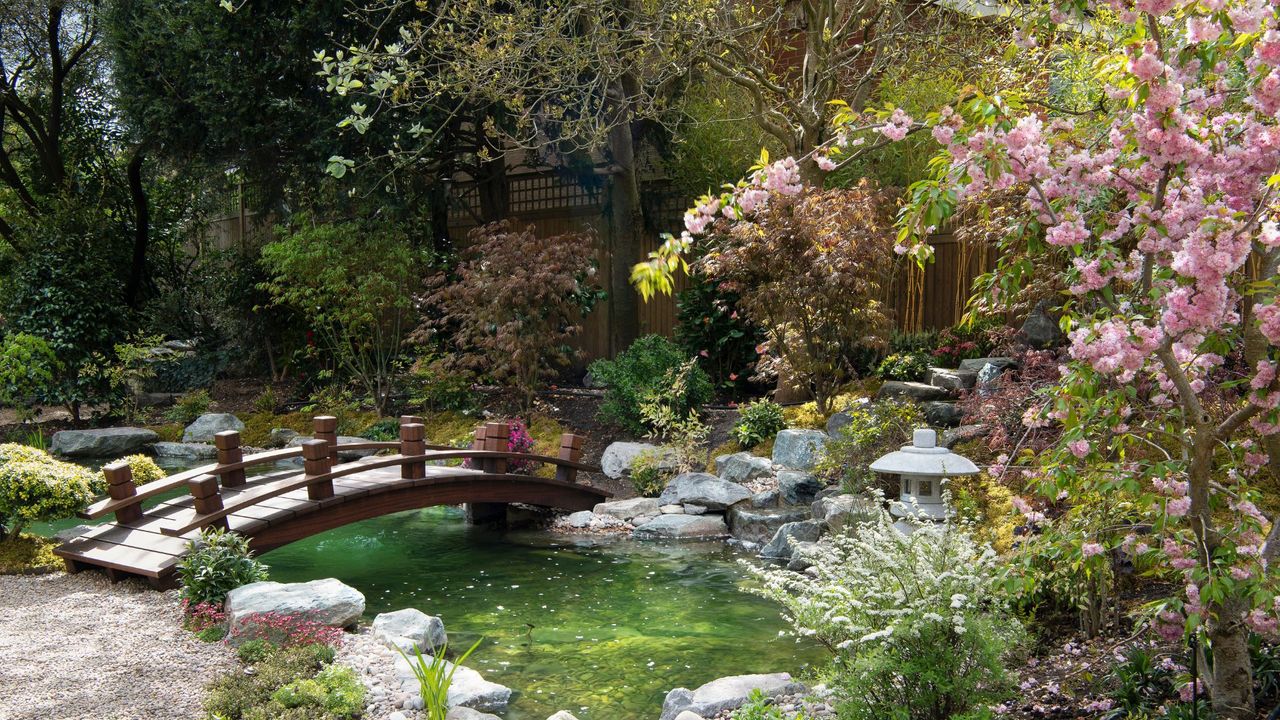
It's the season when London's streets and gardens are flanked by beautiful blossoming trees with elegant white and pink blooms. While cherry blossoms are found in some sprawling gardens, you'll also find a mix of strikingly similar magnolias and blackthorns, too. And it's these trees that brought me to the idea of hanami.
Derived from the word hana (meaning flower) and mi (translating to watch), this concept of flower viewing is a pretty idea that can be used to frame your Japanese garden.
It's not just about planting cherry blossoms. It's more about intentionally layering the trees into your garden to create a view that enchants the space throughout the flowering seasons. So, here's how to let it influence your modern garden design.
What Is the Japanese Philosophy of Hanami?
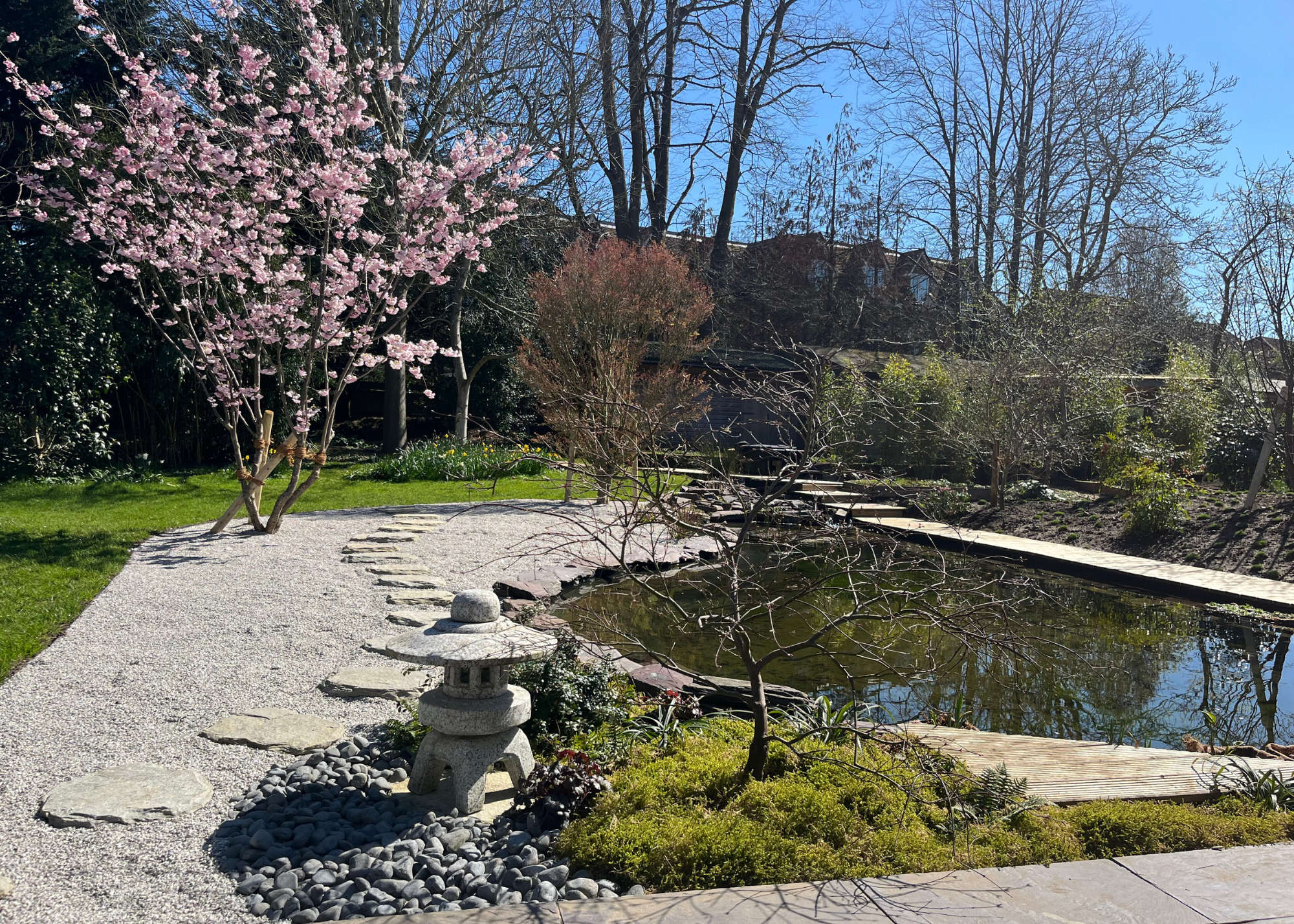
Kat Aul Cervoni, landscape designer and founder of Staghorn Living, tells me that the Japanese tradition of hanami centers around slowing down and making time to enjoy the magical moment in spring when all the cherry blossoms (sakura) are in bloom.
Having previously lived in Tokyo, she recounts: "People gather in parks, hang lanterns in the trees, and picnic well into the night amidst the flowering cherry trees — soaking in and celebrating their striking and ephemeral beauty."
Aside from being a great idea to bring spring to your patio, this concept will also help you create a gardenscape that feels perfectly framed for long evenings al fresco.
How Does It Work?
"Firstly, there are many flowering cherry trees that are wonderful options for including in the garden, but take note that many of these can get quite large and dense, so space is important. They also prefer full sun and soil that leans moist, so choose a site accordingly," she advises.
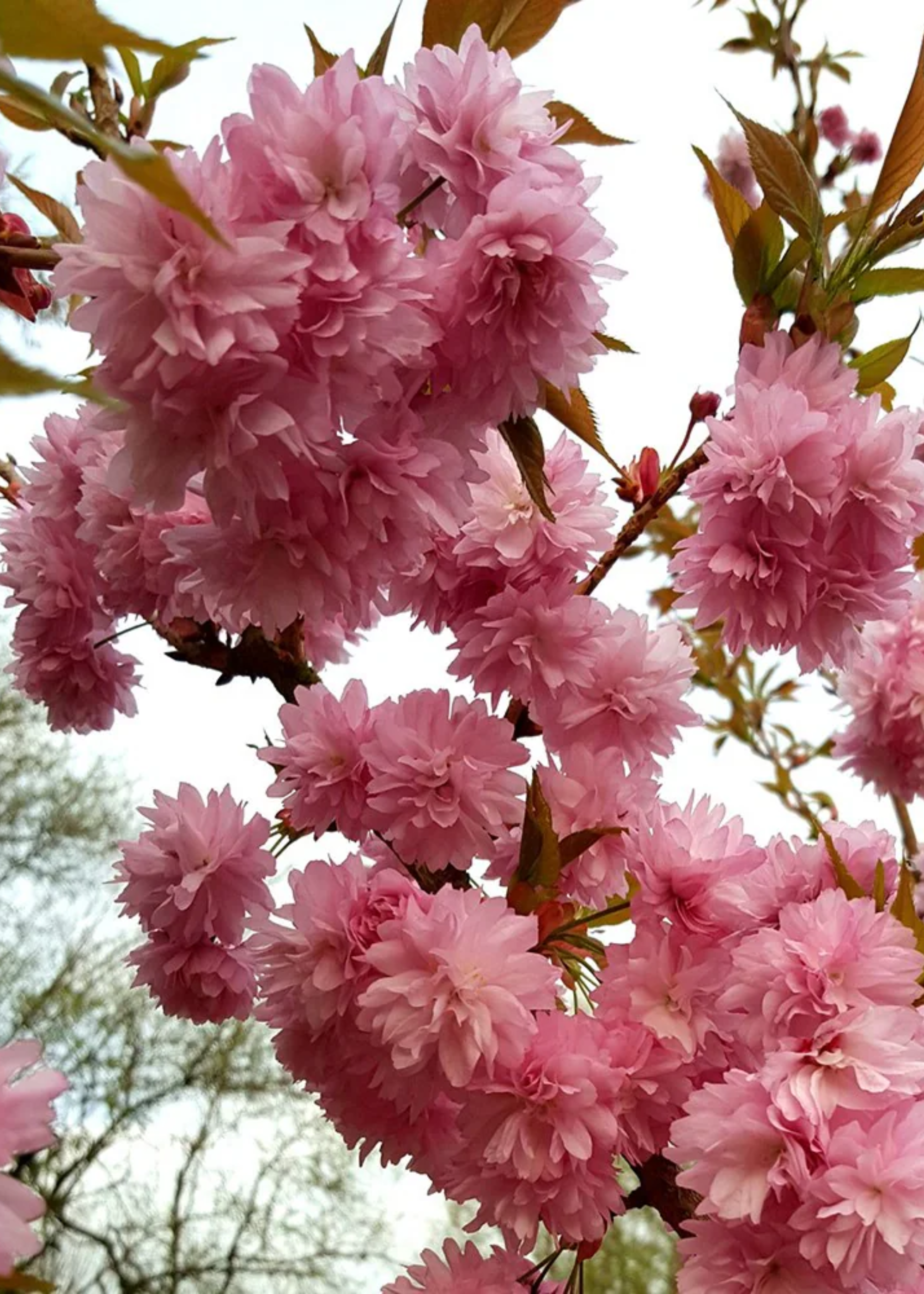
"The 'Kanzan' cherry tree has bubblegum pink double blooms that coat the tree in color. This particular variety grows quite wide, but if space allows, incorporate one into your lawn so that later you can sit under its generous branches and picnic just as the Japanese do during hanami."
If you have a small garden, this Dwarf Patio Prunus Kanzan Japanese Flowering Cherry Tree from Direct Plants is a space-saving alternative that lets you enjoy the dreamy spring blossoms.
Kat also recommends this Prunus 'Snow Showers' Weeping Fuji Cherry from Crocus, with white blooms and dark pink centers, which is another lovely garden option.
"One of the most quintessential flowering cherry trees is the 'Yoshino' cherry with the palest pink flowers," she adds. "These truly glow when they're in bloom, especially at night when lit with traditional Japanese lanterns."
If you love the idea of these elegant blooms, this Prunus 'Ivensii' Yoshino Cherry Tree from Gardeners Dream is ideal. But it's not just about picking the right trees. It's also about implementing it into your garden with careful thought.
Since hanami is all about taking in the beauty of your efforts in bloom, locating the tree in a space that allows you to view it from a variety of angles is essential. Perhaps that's a garden corner, or maybe front and center. This depends on your personal space.
You can also lean into this year's outdoor furniture trends and design a seating nook for you to eye your beautiful cherry blossoms throughout spring. And to calm the space, you can take more inspiration from Japanese landscaping to create a zen garden around your flower-ridden trees.
Japanese Garden Essentials
Finish: Unglazed
Crafted in Nagasaki, this minimalist planter is perfect for container gardening through a hanami-style setup.
Color: Black / Silver / Yellow
This pair of Mainichi Secateurs from Niwaki is Amazon's choice and features a 4.8-star rating.
Format: Hardcover
Encompassing the design of over 400 gardens, this guide by Motomi Oguchi and Joseph Cali will help you bring your Japanese-inspired space to life.
FAQs
When Is the Best Time to Plant Cherry Blossoms?
The best time to plant bare-root cherry blossom trees is during the dormant period. Typically, this falls between early November and the end of March. However, if you're planting pre-grown trees, like this Pink Autumn Cherry Blossom from Crocus, you can plant it at any point in the year, aside from the peak of winter.
To keep up with more of the most stylish garden trends and tips on how to bring them into your outdoor space, sign up for the Livingetc newsletter.