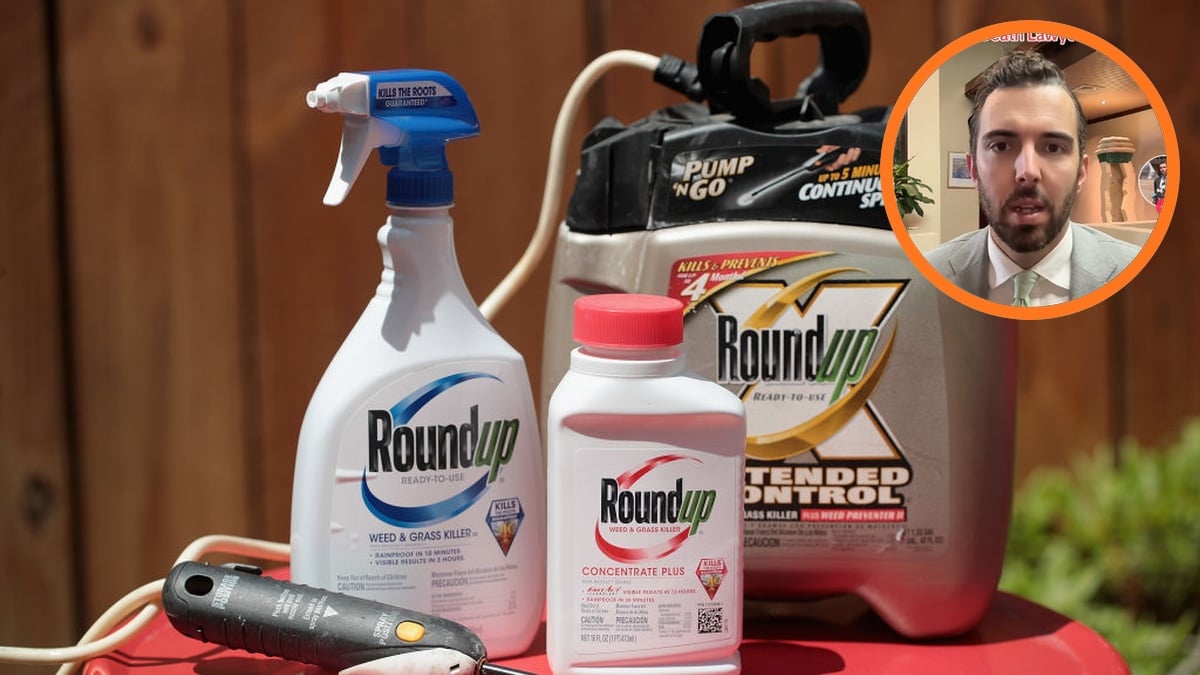
A lawyer who works on serious injury cases is warning people about something you might have in your garage right now: Roundup weed killer. In a TikTok video with over 8.3 million views, Tommy, who uses the name @tommythelawyer, says this is the one common thing in homes he is “most afraid” of touching.
Tommy works in Philadelphia and handles cases about serious injuries and deaths. He points to real science that backs up his fear. He warns that there have been “study after study that demonstrates a link between use of Roundup and non-Hodgkin’s lymphoma (NHL), a type of blood cancer.”
@tommythelawyer I won’t go near this stuff
♬ original sound – tommythelawyer#fyp #safety #products #lymphoma #nonhodgkinslymphoma
What does the science say?
This isn’t just a wild guess. Studies may indicate a connection between products that contain glyphosate and a higher risk of NHL. Because of this, groups like the International Agency for Research on Cancer (IARC) have decided that glyphosate is “probably” carcinogenic. That’s a huge warning sign you shouldn’t ignore if you’re about to spray it on your driveway this weekend.
One of the hardest parts of this whole problem is the very long waiting period involved. Tommy warns that symptoms might not show up until many years after you stop using the chemical. He says that the time between exposure and diagnosis “can be 5, 10, even 20 years.” You might not even get the diagnosis until two decades later, which is a scary thought.
This long wait often makes people think they can’t sue for harm they believe was caused by Roundup, but Tommy argues that’s untrue.
People commenting on Tommy’s viral TikTok video shared some sad anecdotes, which indicates how worried the public is about this product. One user wrote about their own experience, saying: “My mom swears Roundup caused my miscarriage. I used it once while I was pregnant & soon after lost the baby.” Another questioned, “How is this stuff still available?”
It’s frustrating because even if you decide to stop using the product completely, you might still be exposed without being able to control it. As one user said, “Something really frustrating is even if you don’t use Roundup on your own property, there’s little to no way of knowing what public spaces use it.”
Similar concerns have emerged in workplace safety and discrimination lawsuits, where employees fight for their rights. That’s a scary thought when you realize you can’t always control where you go, and it makes Tommy’s warning about this common item feel very urgent.