Tens of thousands of people have descended on Las Vegas for the world’s biggest tech convention. The Consumer Electronics Show (CES) is in town, and companies big and small are offering up glimpses of what the future will look like.
Not all of it will ever see the light of day. Some companies use CES as a launch springboard, announcing products that will be released later this year. Some will disappear after this week.
All week, I’ll be pounding the show floor to find the coolest and wackiest bits of tech. I’ll be updating this page with all the products that have made me go “wow” as I go, so keep checking back for all the latest from CES 2026.
LG CLOiD humanoid robot
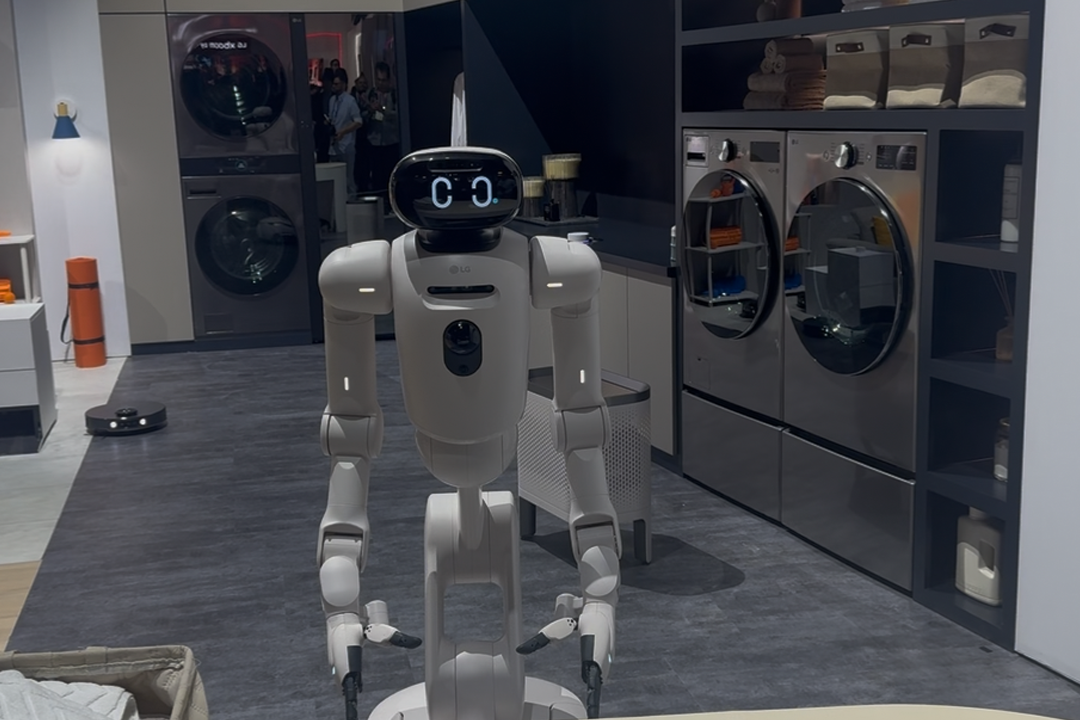
By far and away the coolest thing I’ve seen at CES so far is LG’s humanoid robot that can do all your household chores for you. From making breakfast and doing the laundry, LG showed me how the CLOiD robot folded clothes, demonstrated exercises as your own personal trainer, and picked up hampers off the floor so that robot vacuums could vacuum every inch of your room. Will it ever see the light of day? Maybe. CLOiD was working in a very controlled, connected environment at CES, and it seems that you’ll need to have a fully connected home for it to actually work. Still, it’s a nice glimpse at the future.
Samsung Galaxy Z Tri-Fold
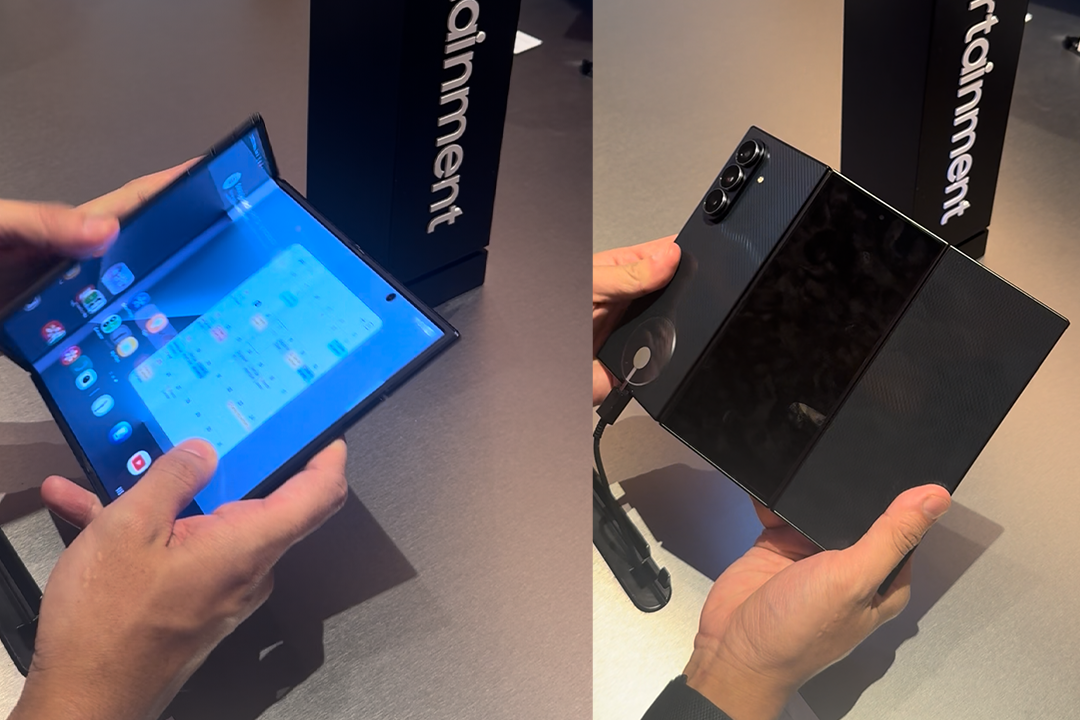
First revealed in December last year, the Samsung Galaxy Tri-Fold is Samsung’s most ambitious foldable yet. The phone launched first in South Korea and will be rolling out in the US in early 2026. There’s no UK release date currently. Seeing it fold over twice was a see-it-to-believe-it experience, with the screen expanding from a 6.5in phone into a 10in tablet, without any creasing or bending.
Roborock Saros Rover robot vacuum
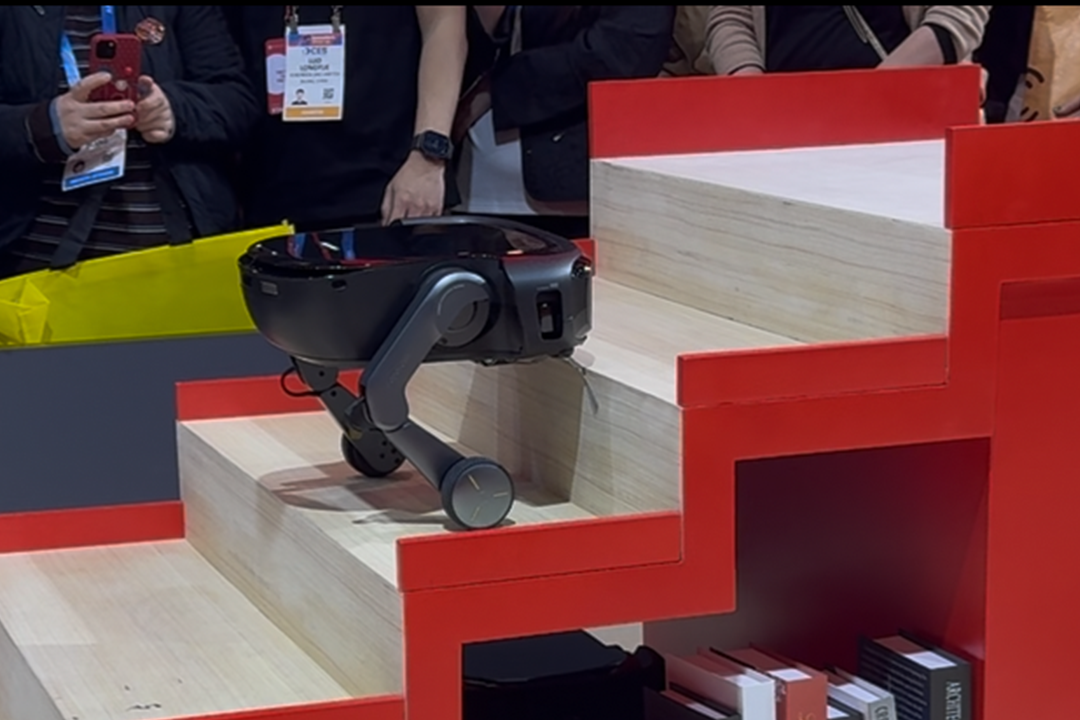
Robot vacuums have conquered thresholds and single steps, but what about an entire staircase? Roborock’s stair-climbing robot does just that. At CES, I saw the robot use its articulating legs to climb each step, vacuum and clean that step, then travel upward. The only snag? It didn’t come back down. It needed to glide down a ramp to get back down. I don’t think it’s headed for prime time just yet – it seems like there are too many variables to get right for it to be used across every home, with stairs needing to be an appropriate length and width. Forget its inability to find its way back down. Still, it was cool to see nonetheless.
LG Wallpaper TV

Almost a decade ago, LG showed off an ultra-thin wallpaper TV concept, designed to sit completely flush against a wall, making it look like a bit of wallpaper when not in use. But it was canned because the tech relied on a bulky external box, making it impractical for real use. Now it’s back, and it looks much more seamless to set up. The new wallpaper TV uses LG’s wireless zero connect box, so the TV itself only needs one power cable to work. Just 9mm thin, the OLED TV is expected to launch sometime this year, though pricing hasn’t been revealed. I’m expecting it to be costly.
Stareep smart mattress

While tech that helps give you tips on improving your sleep is everywhere at CES, what if there was a smart mattress that actually helped you sleep better through the night? Stareep has created an AI-powered smart mattress and adjustable base that can change firmness, position and support in real time, depending on how you move around at night.
You and your partner can even decide the firmness of each side of the bed, so there’s no arguing over which mattress to buy. Launching soon in China, Stareep hopes to roll it out in the US later this year, though there’s no word on a UK release date. It’s also expected to be eye-wateringly expensive.
Eli Health hormometer testosterone test
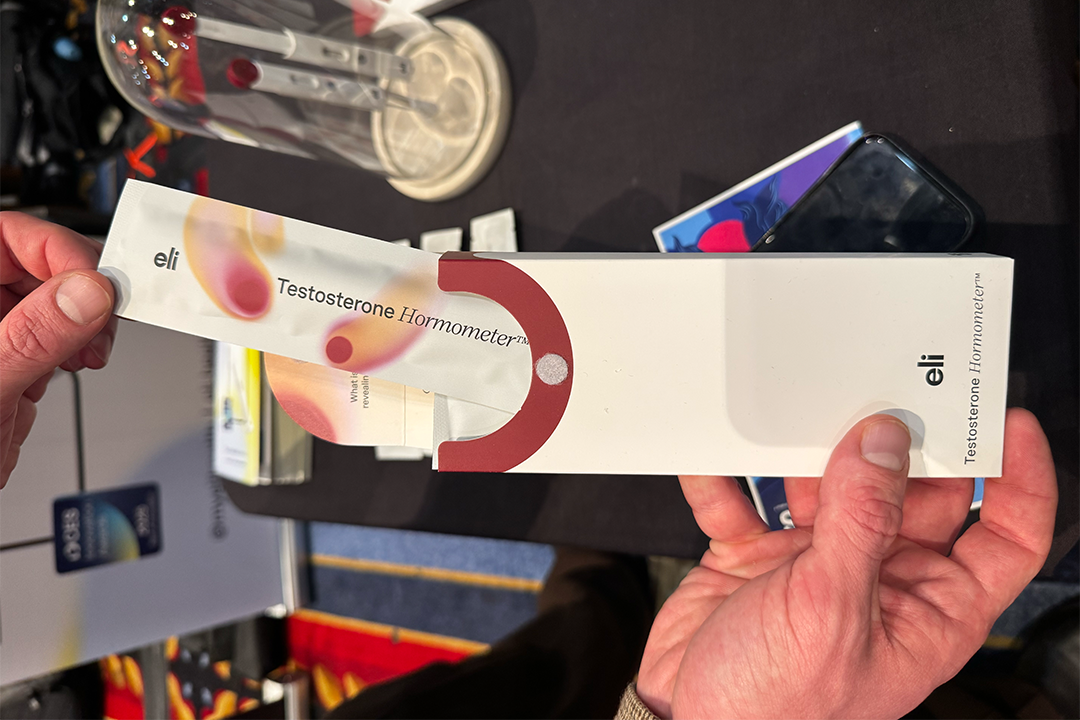
It’s never been easier to track your hormone levels. Eli Health’s hormometer is an at-home testing kit that uses a small saliva sample and your smartphone to measure hormone levels, with results delivered in around 20 minutes. You shove a thin test stick in your mouth for about a minute, then scan it using the app. The app analyses the results using your phone’s camera. Previously focused on cortisol, the hormometer can now test testosterone and progesterone levels. If you’re in the US, you can already pre-order the testosterone tests, and it’s expected to ship in early 2026.
Senior tech critic Alex Lee is in Las Vegas for CES 2026. The Independent is on the ground covering the latest announcements and will be going hands-on with the latest products, as well as picking out the coolest (and strangest) launches.