
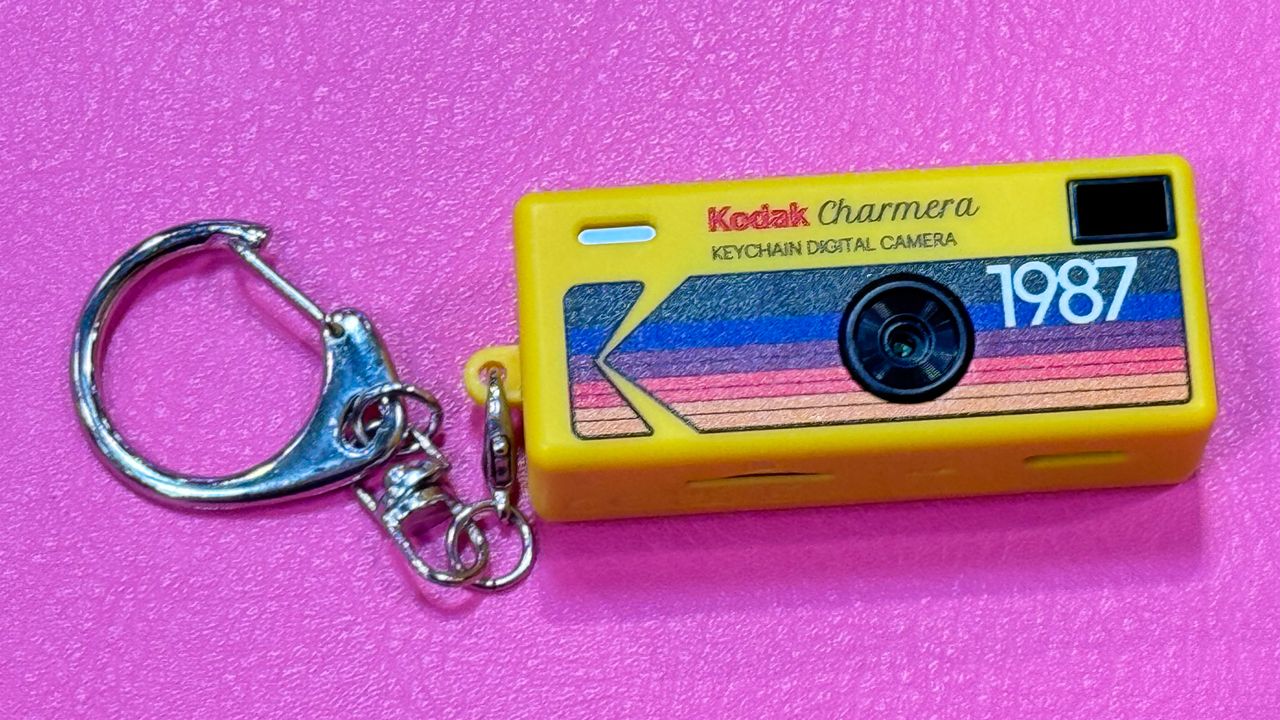
As a child of the 80s, I’ve been charmed by the Kodak Charmera, with its blind-buy lucky dip of retro graphics. Which kid, big or small, doesn’t love a lucky dip? Its key fob sized dimensions also remind me of the Digital L’Espion – French for ‘spy’ – camera from Digital Dream two decades ago. That similarly came with key ring attachment.
Further providing a current and powerful hit of that drug called nostalgia is the Chuzhao digital TLR style camera, resembling something I might have seen on a shelf at my grandparents. They were also one-time big users of the Kodak Box Brownie. The next thing we know we’ll all be fashioning pinhole cameras from paper and card.
Add in the recent toy camera likes of the Camp Snap, Flashback ONE35, Rewindpix, Snapic A1, and, arguably, the fun-leaning Fujifilm X Half and Instax Mini Evo Cinema, despite the latter’s price tag being not especially pocket money orientated, and I think we’re seeing a new trend emerge.
If Gen Z is really buying up old, used point and shoot digicams at £30 a pop from eBay because they like the low-tech approach and rougher results, then the plastic-y and mostly very affordable nature of the above new(er) examples is likewise going to strongly appeal.
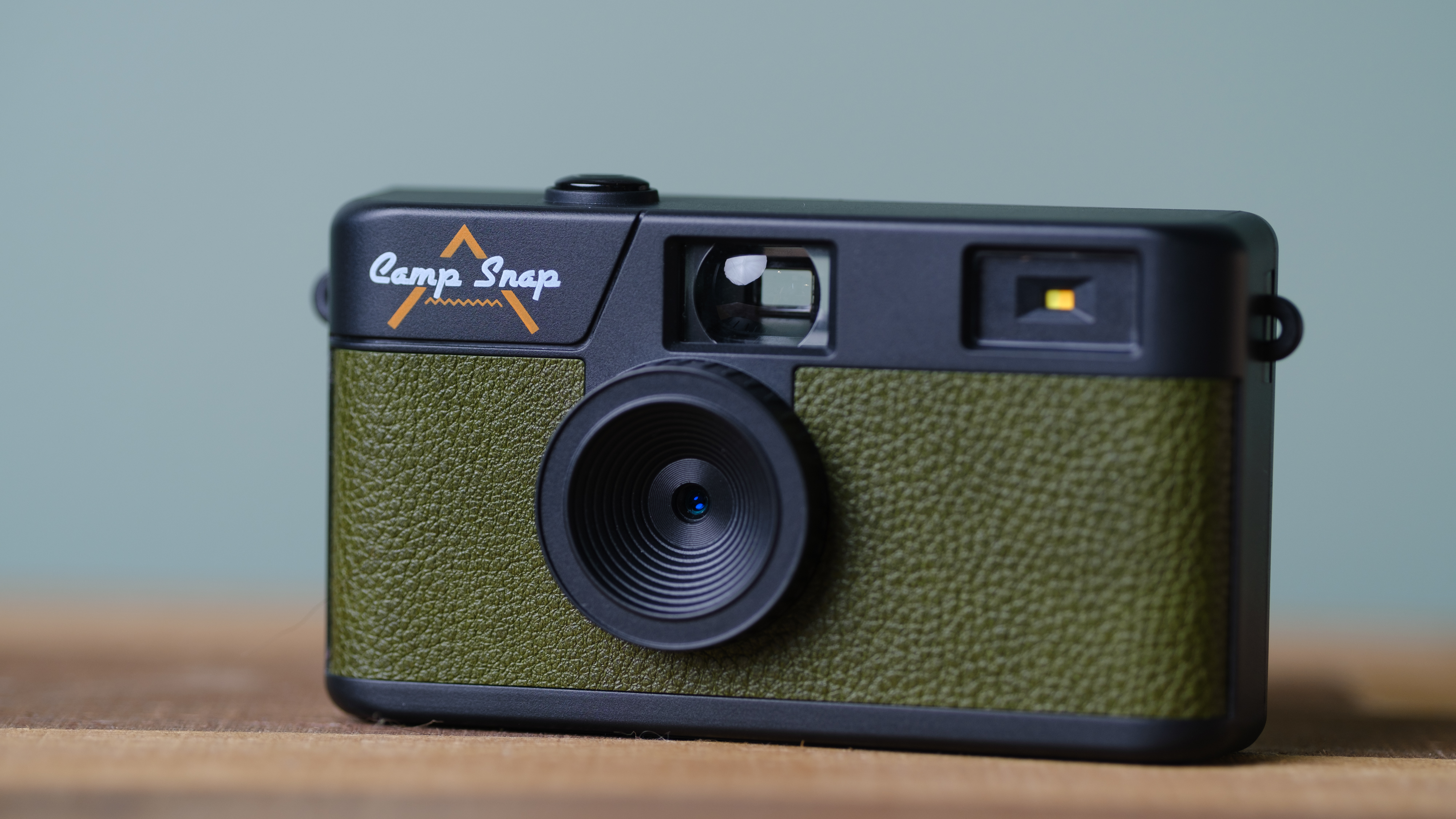
And if it’s true, the rest of us have now peaked when it comes to smartphone and social media obsessiveness – and are, increasingly, seeking out ways to disconnect – then the market for these cheap and cheerful camera toys is wider still.
When most ‘proper’ interchangeable lens digital cameras or even re-issued compacts cost around a grand, these photographic trinkets also offer an entry point into smartphone-free photography for those who want it – and one that the majors stopped offering when they (mostly) culled all their lower-priced snapshot models a decade ago.
Thus, digital cameras have become affordable, cute, and, most importantly, viral fashion accessories for the TikTok generation.
So, rather than being totally dismissive of toy digicams, or low-cost 20-year-old point and shoots once consigned to household drawers with other outdated ephemera, I welcome them.
Getting dedicated cameras into people's hands in greater numbers is not only good for the practitioner, but for the present and future health of the photo industry.
And, encouragingly, it only takes a minute before we want to put away the toy version and pick up the real thing.