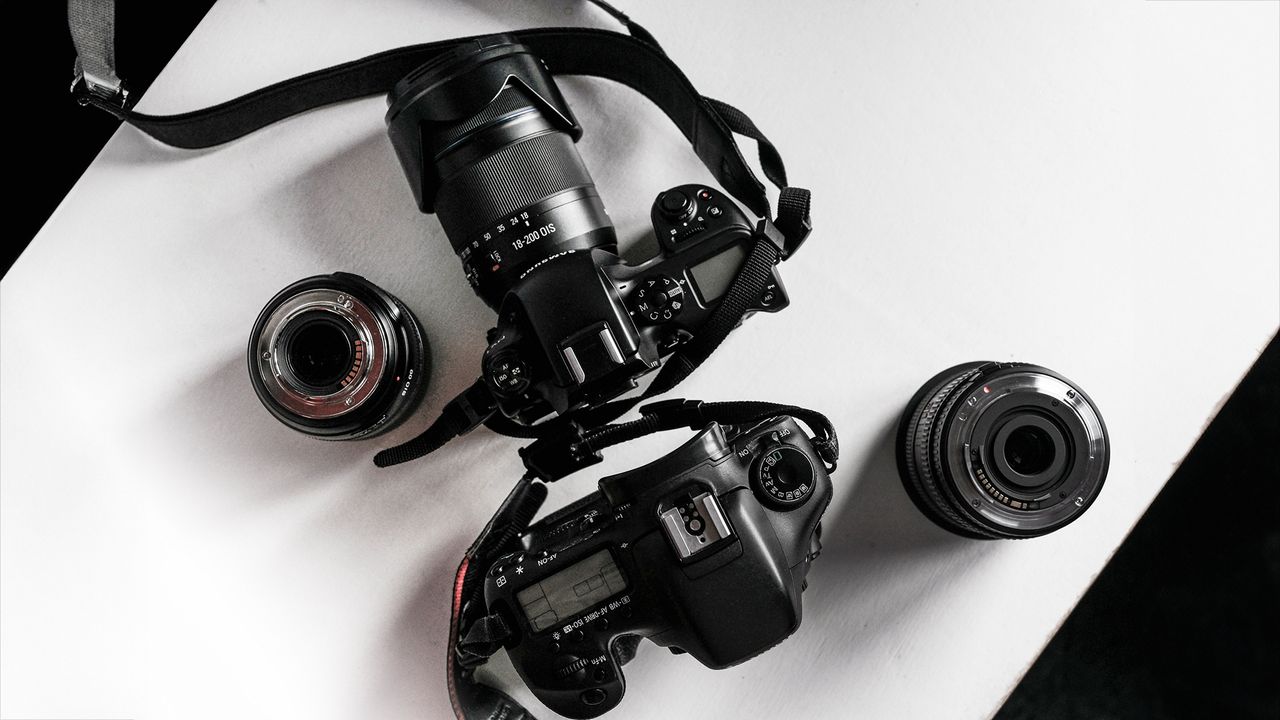
Upgrading your camera can feel exciting, but choosing the right gear upgrade is crucial if you want to improve image quality, boost performance, and future-proof your photography. Before investing in the latest mirrorless body, DSLR upgrade, or new accessories, it's essential to understand what will genuinely elevate your workflow.
Explore the best mirrorless cameras
Best Sony camera
Best Canon camera
Best Nikon camera
Best Fujifilm camera
Best Olympus camera
Best Panasonic camera
Especially working photographers, or advanced enthusiasts who occasionally undertake a commission, have to look at gear as the tools of their trade, and any decision to upgrade needs to be motivated by a wider spectrum of factors.
As well as the benefits that new equipment brings, there are potential drawbacks, complications, and significant (and sometimes unexpected) costs. These five must-ask questions will help you make a smarter, more impactful camera upgrade decision.
1. Will it benefit my images, and how?
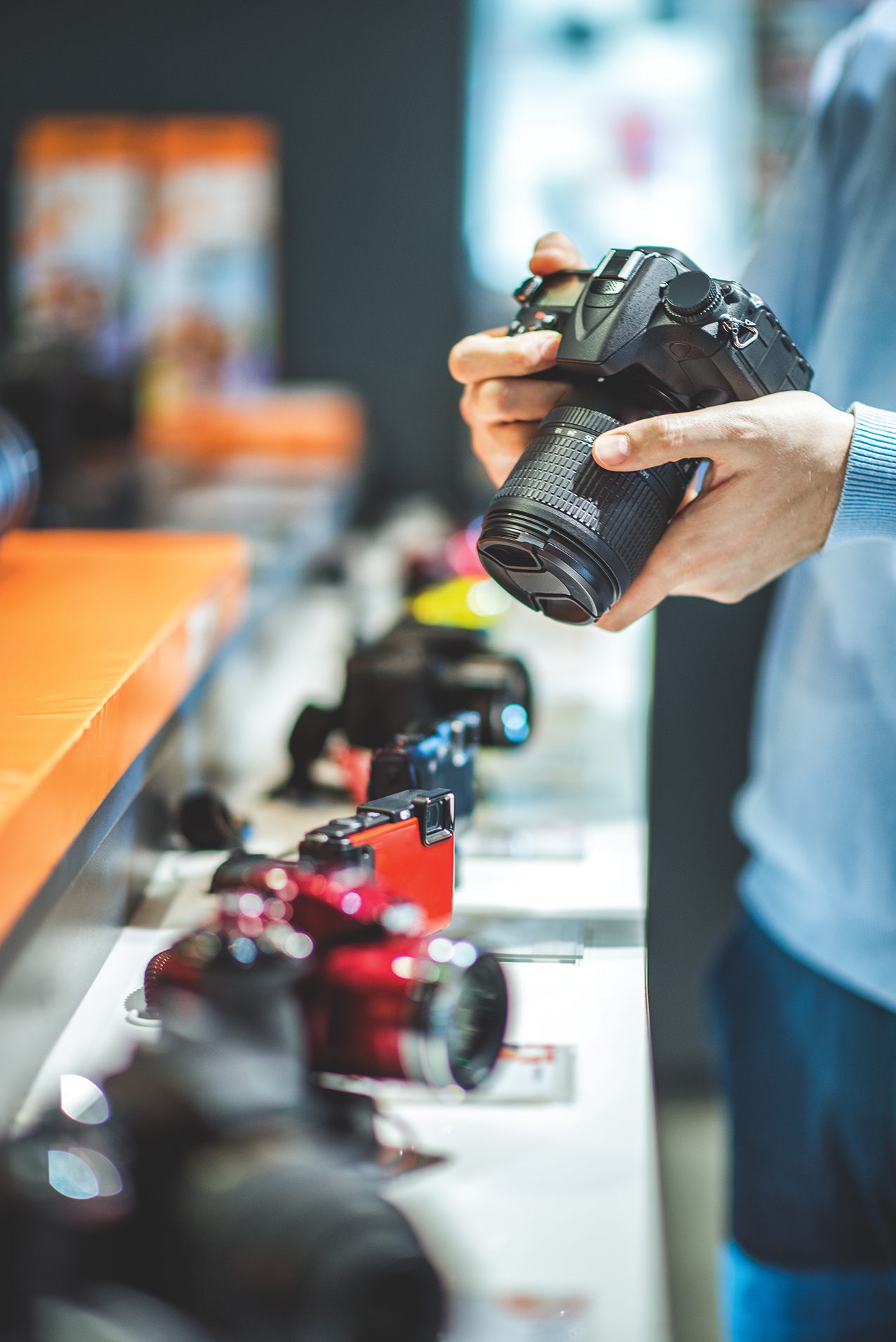
The most important thing to consider before heading to the camera store is whether a new camera or peripheral will increase the quality and success rate of your images, and how.
If you find yourself looking at a new model and pondering if you can work the improved specs into your usual photographic process – essentially considering using the new features to broaden your portfolio – pause for a moment.
It's very easy to mistake the lust for a new specification for an actual benefit to your photography and business. If you want to try your hand at new genres, and this has been a plan for a while, then it is a valid reason for upgrading. As a professional or advanced specialist in a particular genre, however, you need to be looking for features that will streamline your existing workflow.
Conversely, if the characteristics of the new product will enable you to take your usual images more easily and at a higher quality, then you could potentially be jeopardising your imagery and your competitiveness by not upgrading.

2. Are there any compatibility considerations?
Switching camera brands will most definitely cause compatibility challenges, since the lens mount, hotshoe arrangement, voltage, flash system communication frequency, and battery support will all be different.
Not only will you be changing cameras, but you'll also need to swap your entire system, like-for-like. The latter may not always be possible either – the new system might offer certain advantages but lack a specific lens or feature, meaning you either lose this or have to look into adaptation options.
However, even within the same brand, a new camera can throw up compatibility difficulties. A model with a different sensor size might make your old lenses unusable, for example.
Canon EF-S lenses can't be mounted on a full-frame EOS model, and while Nikon, Sigma, or Sony APS-C lenses can be physically attached to full-frame cameras, either a crop mode is automatically activated, reducing resolution, or severe vignetting is introduced, negatively impacting your images.
3. Will I be able to adjust easily?
An aspect many photographers repeatedly overlook is how a new camera will impact their ability to work with the best speed and accuracy. Familiarity with your camera kit is a secret weapon in your ability to create incredible images, since you'll know how to instantly access a feature, change to a more useful shooting mode, adapt the focusing method, or alter the exposure parameters.
Once you interrupt this muscle memory with unfamiliar control layouts and menu systems, there is always a risk of slowing your responses to changing conditions, which can result in missed shots.
Beyond this, there may be features you are used to that are missing from a new camera. Pro models often lack a built-in flash, for example, to increase the camera's weather resistance. Unless you have a good stock of radio triggers, you'll have no way to control external flashes, or you have to sacrifice a speedlight for master unit duties – a readily overlooked expense.
That being said, one of the reasons you might be upgrading your camera is for superior speed, handling, and functionality, so these issues could be offset by the relative advantages of the new camera. Let this influence your camera choice.
4. Does it make my old kit redundant?
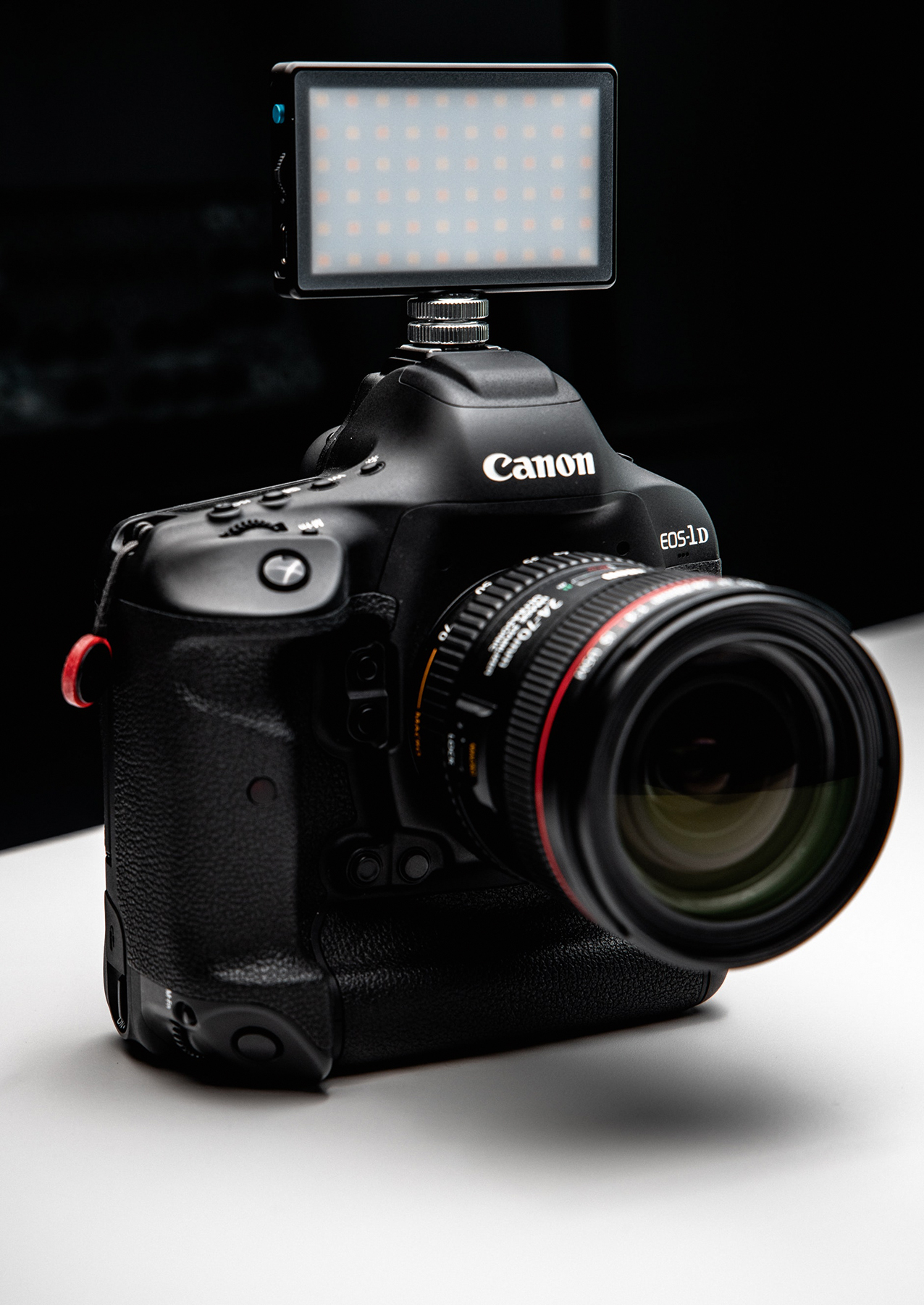
A frequent conundrum is what to do with your old camera when you invest in a new one. While you could sell it, cameras depreciate in value rapidly, so if your model is older than four or five years, it might not be very advantageous to do so.
It is difficult to know the most desirable outcome – in many ways, you want a new camera to make your old one surplus to requirements, because if it doesn't, you could argue that you shouldn't be upgrading in the first place.
However, you're then left with a body without function. Ideally, you can use the old camera as a backup, should you choose to keep it, but if you switch to mirrorless, or your new product is vastly different in layout, spec, and build, this can introduce continuity issues. Before choosing a new camera, consider how well it can run in parallel with its predecessor.
5. Is now the right time to upgrade?
If, after weighing up all the potential benefits and drawbacks, you've decided that an upgrade is in the best interests of your image quality, motivation, and creative potential, the next issue is a matter of timing.
With most technology releases, it can seem impossible to time purchases perfectly, as new models become available almost as soon as you upgrade. However, with cameras, products are generally replaced with less regularity, so planning is possible.
When the second generation of a camera model is due to release, it might be worth waiting until that happens before upgrading to the first-generation model. However, preordering the first camera of a new line is advisable if you need the features immediately. Since you are one of the first to own it, you will have a competitive advantage.
You might like...
Take a look at the best professional cameras, the best DSLRs, the best full-frame cameras, and the best APS-C compact cameras.