James Adebisi had just left his job as a kitchen porter for the day and was walking towards Oxford Circus for his journey home when his eyes turned back into his head, and he fell to the floor.
Unable to speak due to the onset of a stroke, a passer-by called an ambulance for Mr Adebisi, and he was rushed to hospital.
While he was being treated at University College London Hospital, staff realised that Mr Adebisi, a Nigerian national, was an immigrant who had been living and working undocumented in the UK for nearly 20 years.
Since that day in 2023, Mr Adebisi, 56, has been granted a temporary UK visa on private life grounds, because of the two decades he has already spent living here, but he has been refused permanent residency.
Now, under new rules set to be brought in by Shabana Mahmood, he faces an agonising 30-year wait to find out if he can remain here indefinitely – by which time, he will be in his mid-80s.
But even before then, Mr Adebisi, who has no family in the UK and now lives in a care home in Essex after two further strokes, requiring round-the-clock care for poor mobility, speech problems and issues processing information, will potentially have to reapply for his temporary visa 12 times in the next three decades.
Care workers warn that due to his impairments, which mean he needs support for basic activities such as remembering to take medication, and cannot go outside without help, the risk of his failing to apply on time is very high.
Charities are concerned that many more vulnerable foreign nationals like Mr Adebisi could be impacted by the home secretary’s visa changes, forcing them to live in visa limbo for decades.
Mr Adebisi told The Independent: “I am worried about it. I am putting my trust in God; he is the only hope I have.”
Under the changes, Ms Mahmood has pledged to increase the length of time that foreign nationals must live in the UK before they can apply for permanent settlement. The “baseline” qualifying period for indefinite leave to remain has increased to 10 years, but this rises to 20 years if the person has claimed benefits, and 30 years if the person first entered the UK illegally, like Mr Adebisi, who came via ferry from Belgium in 2006.
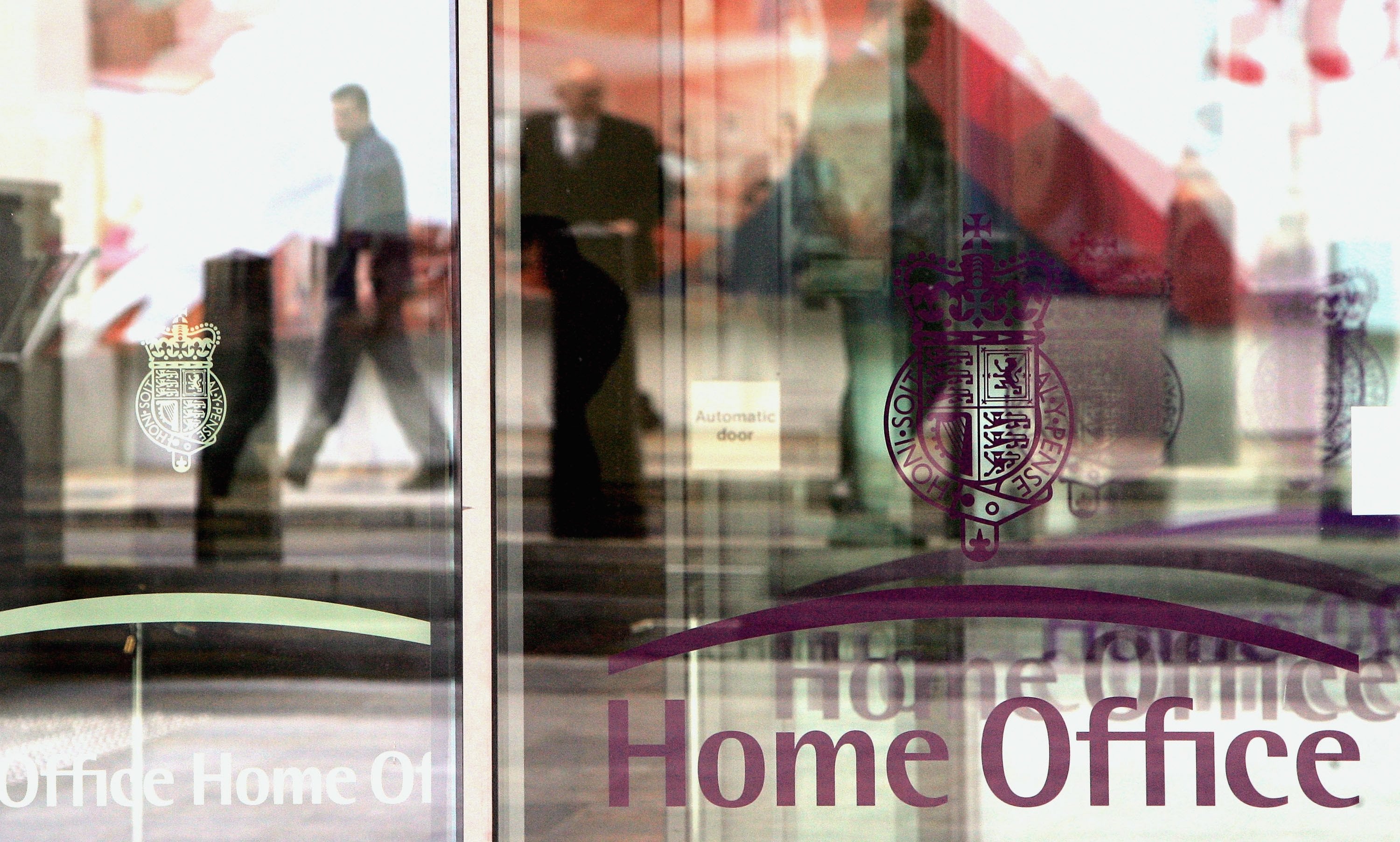
Roughly 2.2 million people with temporary visas at the end of 2024 were on a path to settlement, according to analysis by the Migration Observatory, though some will leave without applying to stay permanently.
The Home Office projects that 1.6 million people would receive indefinite leave to remain between 2026 and 2030 under the current rules, and ministers say the changes are needed to cut the number of visas granted.
In a speech earlier this year, Ms Mahmood said it was “essential that the privilege of living in this country forever is earned, and not automatic”, adding that the changes were “not a betrayal of Labour values” but rather “an embodiment of them”.
Louisa Thomas, rough sleeping casework manager at migrant’s rights charity Refugee and Migrant Justice, who helped Mr Adebisi with his initial application, warned: “For people who are older or seriously unwell, forcing them to spend 20 or even 30 years renewing their immigration status is not just unrealistic, it is cruel and self-defeating.
“We routinely see people with clear care needs, backed by medical evidence and local authority support, still being denied settlement and pushed into complex visa renewal cycles they cannot even hope to manage. It is hard to see who benefits from this approach.”

Sitting in an armchair in his room at the Essex care home, with his Zimmer frame next to him, Mr Adebisi, who had to relearn to walk and speak after his repeated strokes, said: “When I got here, I couldn’t even get out of bed. Through the help of the nurses, they help me to get out. Now I can only try to get out of bed with the help of the Zimmer frame. I can’t get around by myself.”
“Up to today, God has been keeping me. The people in the church call me from time to time. I have two children, one in Romania and one in America. I don’t have anyone else who could look after me.”
Charity Refugee and Migrant Justice have also been supporting another 68-year-old woman who came to the UK in 2006 on a visitor's visa. She was homeless, sofa-surfing with different families for 15 years and has severe mental health problems, including debilitating auditory hallucinations.
As she overstayed her initial visit visa and is relying on public funds, under the home secretary’s changes she will be almost 100 years old before she can apply for permanent settlement.
She also faces having to continually renew her visa every 30 months despite medical evidence and testimony from social workers that she cannot manage tasks on her own, the charity said.
A Home Office spokesperson said: “We will always welcome those that come to this country and contribute to our national life. But the privilege of living here forever should be earned, not automatic.
“As part of the earned settlement consultation, we have asked how flexibility or safeguards could be built in to protect vulnerable groups.”
Shabana Mahmood swears at hecklers over Reform UK claims
Anti-Islam influencer Valentina Gomez threatens to defy UK ban
Regular consumption of coffee ‘significantly’ boosts mood and reduces anxiety
Telegram faces major Ofcom probe over child sexual abuse concerns
The surprising effect of loneliness on the brain of older adults
Little Mix star Jesy Nelson takes SMA baby health check campaign to Downing Street