
I spend most of my days testing AI tools and trying to push them to their limits. While many have unique features, most still feel like variations of the same chatbot experience.
However, while testing OpenClaw — the viral open-source AI agent created by developer Peter Steinberger before he was hired by OpenAI — I couldn’t shake the feeling that this was something fundamentally different.
For nearly 20 minutes, I sat back and didn't open a single app on my computer. The AI agent made me understand that the tech industry's biggest prediction is actually coming true. Without lifting a finger, I watched the computer take over.
I asked a simple question: “Find family-friendly hotels in Boston near Fenway Park under $400 a night, compare reviews, check walkability and draft an email with the best options.”
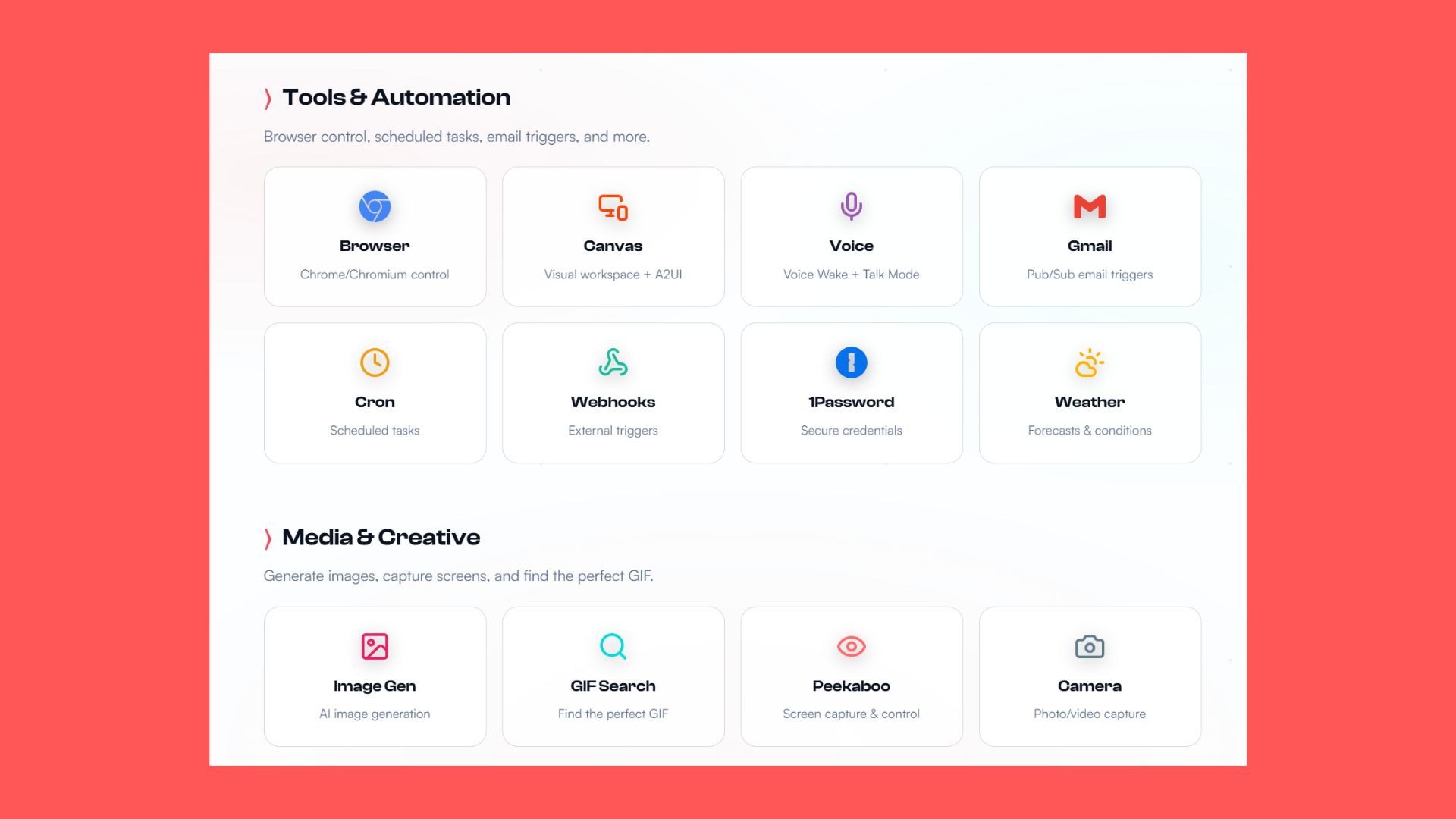
Since it integrates with a growing number of apps and services, the AI was able to jump between websites, compare information in real time and organize everything into a polished response without me manually opening a single program.
What exactly is OpenClaw?
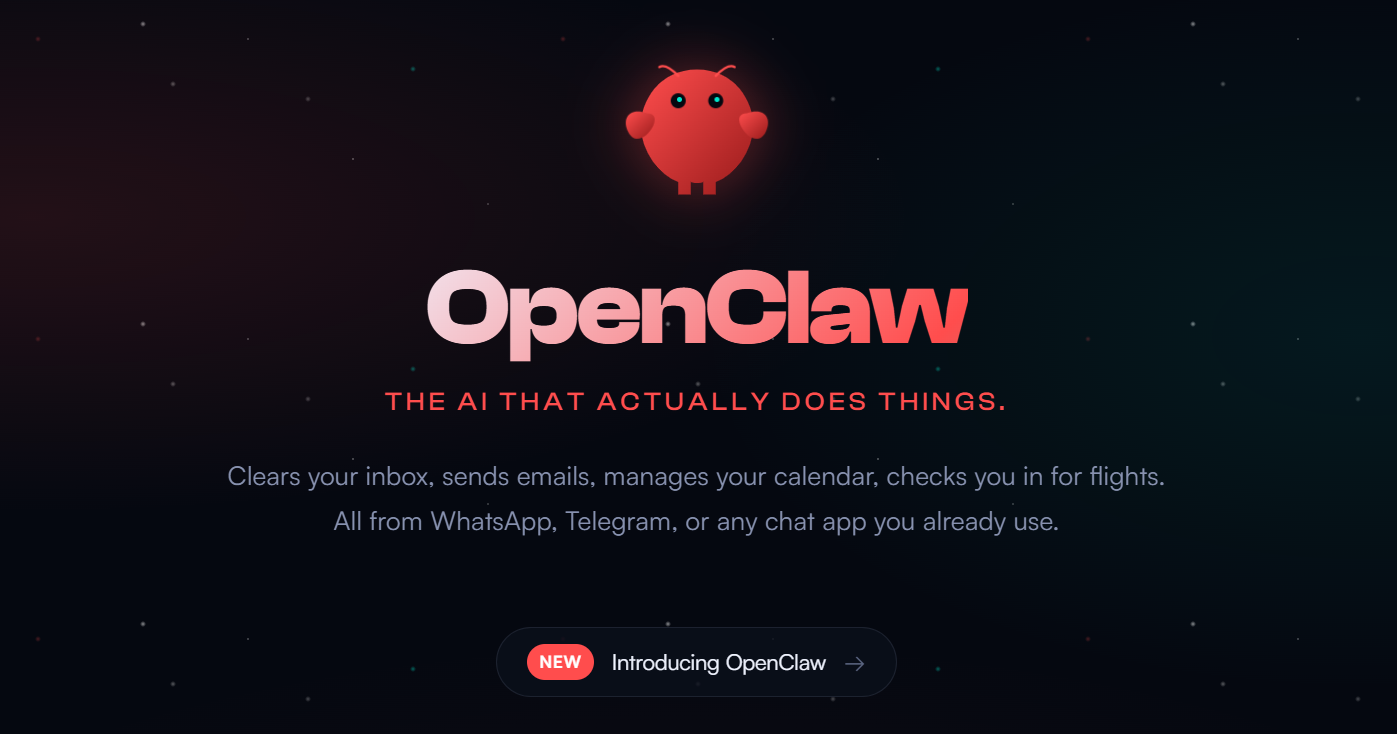
If you've been hearing a lot about AI Agents and OpenClaw, you're probably wondering what it all means — especially if you're still trying to make sense of ChatGPT.
SImply put, the technology behind “AI agents” is software designed to actually operate your computer instead of simply chatting with you. That’s what makes this fundamentally different from tools like OpenAI’s ChatGPT or Google Gemini.
Unlike traditional chatbots, AI agents like Claude Cowork or ChatGPT Agent can open apps, click buttons, browse websites, fill out forms, compare information across tabs, move files, draft emails and complete multi-step workflows automatically.
In simple terms, it’s the difference between an AI that tell you how to do something and one that actually does it for you. But even beyond Claude Cowork and ChatGPT Agent, OpenClaw uses desktop-level “computer use” tools that allow the AI to visually navigate software the same way a human does — by reading screens, interacting with menus and controlling apps in real time.
That means the AI doesn’t necessarily need special integrations for every service, it can simply use your computer directly. And once you see it happen, the implications feel enormous.
Why Silicon Valley is suddenly obsessed with this
For the past two years, the AI race has largely centered around smarter chatbots. Companies like Anthropic, OpenAI and Google have competed to build models that sound more human and reason more effectively.
But the next phase of AI appears to be much bigger. The goal now is giving AI “hands and eyes” so it can operate computers on your behalf. That’s why developers like Peter Steinberger have suddenly become such major names in the AI world. The industry is rapidly shifting toward what many are calling “Computer Use” — AI capable of navigating operating systems and software autonomously.
And after testing it myself, I understand the hype. For me, the strangest part wasn't the speed, but the feeling of asking and receiving. I can't tell you how many times I said "Whoa" aloud.
At one point, I asked the AI agent to pull information from multiple websites to compare pricing, organize the findings and summarize the results.
Normally, that would require manually hopping between at least three different applications. But I literally watched as the AI agent quietly executed the workflow in the background. The cursor moved on its own as windows opened and closed automatically. Information transferred between apps without me touching the keyboard.
Anyone can try this right now — it's not just for developers
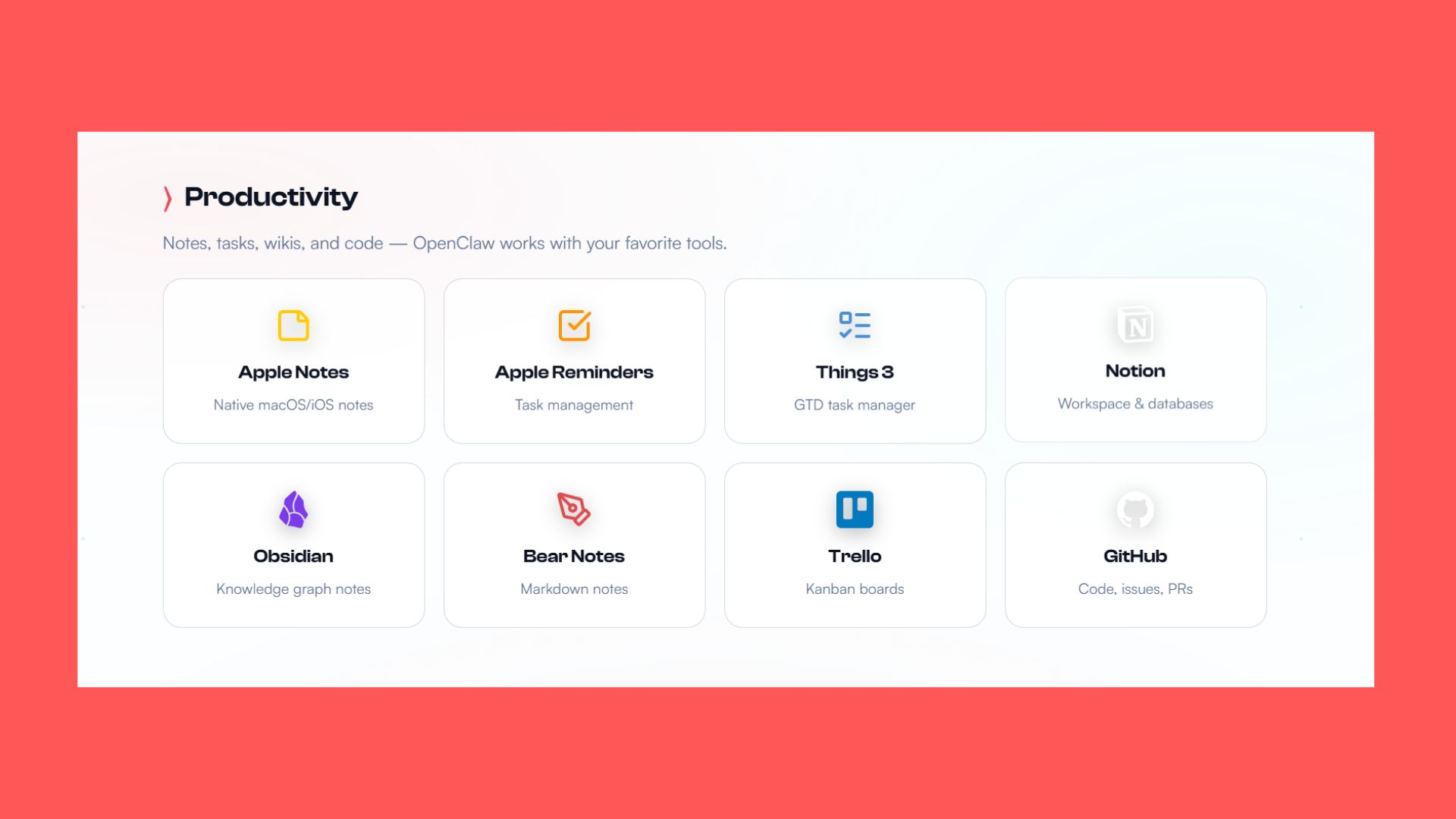
While OpenClaw is popular among developers, the wildest part is anyone can use it. AI is easier to use than a lot of people think. Tools like OpenClaw and other emerging “computer use” platforms are beginning to let everyday users connect AI to browsers, calendars, email, productivity apps and desktop workflows. In many cases, getting started is surprisingly simple: you connect a few apps, give the AI permission to operate and start issuing commands in plain English.
You don’t need to know how to code. I promise. You don't even need to build custom automations. You simply describe what you want done.
That accessibility is part of what makes this moment feel so important. For years, powerful automation tools were mostly reserved for developers and tech-heavy businesses. AI agents are starting to bring those capabilities to ordinary people through simple conversation.
Why apps as we know them may be dying

We've already seen a glimpse of apps evolving with Gemini Intelligence. But even more so, OpenClaw makes it clear that dozens of apps we use every day like Gmail, Slack, Google Docs and others are evolving.
AI agents could turn all of that into invisible backend infrastructure.
In the future, you may not “open Uber.” You may simply say: “Get me home.”
You may not browse travel apps. Instead, you'll say something like, “Find the cheapest nonstop flight for my family next month.”
The apps themselves won’t necessarily disappear. But they may stop being destinations you go to manually. Rather, they could become services your AI agent quietly interacts with on your behalf.
The part that scares me
While the "whoa" moments get me excited about this technology, I can't deny that we are at a scary crossroads. You see, to work properly, these agents require astonishing levels of access to email, calendars, files, browsers and payment systems. Potentially your entire digital identity.
Obviously this raises concerns about privacy and security, accidental purchases, AI hallucinations and million dollar mistakes. When I used OpenClaw, I noticed that the AI misunderstood instructions or moved less efficiently than a human would. And honestly, I don't really need AI to do these things for me. It's nice knowing that it can, but I'm not ready to hand everything over to an AI agent just yet.
The takeaway: the post-app future may be already here
The App Store era made companies like Apple and Google trillions of dollars now. AI agents threaten to replace our behavior towards them entirely. After testing OpenClaw, I’m starting to think the people predicting the end of apps might not be exaggerating after all.
Using OpenClaw feels like you're not using software at all. It's a freeing experience, yet quite a scary feeling to be so far into the future with AI. I'm still cautiously optimistic about where AI is headed, but very much still prefer to do these tasks myself.
More from Tom’s Guide
- I use the ChatGPT ‘fart’ prompt whenever I’m stuck — and it somehow works every time
- I used NotebookLM to make a 'Family Wiki'— and now everything I need to run the household is a click away
- I gave ChatGPT permission to disagree with me with this prompt — and its responses became dramatically better