“Nobody cares whether I’ve worked my whole life,” says Jo, 53, from Sheffield. “They hear the words ‘universal credit’ and think you’re a scrounger. As a workaholic, it’s hard for me to process not working. I feel like I’ve got no purpose, no worth.”
The mother-of-two held roles in the public sector all her life, including years as an adviser at the Department for Work and Pensions (DWP). However, when declining health forced her out of work, she found herself facing the other side of the benefits system.
“For me, it was an absolute nightmare, my worst nightmare,” Jo says, describing her experience visiting the Jobcentre. Her health issues mean she struggles to leave the house, but she was told she would not be able to claim universal credit without making an in-person visit.
“It all depends on the advisor you get,” she says, adding that she would always go “the extra mile” in her time at the DWP. “You could go to one adviser with an issue, and they just say, ‘I’m sorry there’s nothing I can do,’ you’ll go to another one and they will find a way or do everything they can.”
Jo has been supported in her journey on to benefits by Turn2us, a national welfare charity that helps people secure all the help they are entitled to. In a new report, the organisation has called on the government to take steps to tackle stigma around benefits and rebuild trust in the welfare system.
One of the key fixes to achieve this is investing in frontline staff to improve support, the charity says, ensuring every work coach can make claimants feel like they matter.
Simplifying and humanising access to personal independence payments (PIP) is another key step, it finds, urging the government to ensure that assessors are properly equipped to understand the realities of disability and illness.
The assessment for health and disability-related benefits has long been criticised by claimants and campaigners for being difficult and inconsistent.
Jo says it was one of the hardest parts of navigating the welfare system.
“I found it was just set up to catch you out,” she says. “They won’t admit that, but that’s exactly what they’re doing.”
“When I went for my assessment, they put it at the furthest room, and I didn’t realise because I didn’t have experience of PIP”.
“They were watching my every move, and even though it was obvious I was in pain, and I had to keep stopping, the fact that I managed to do it went against me”.
And Jo is not alone in her experience. Recent research from the University of Bristol found that 64 per cent of claimants believe the department is “trying to catch them out”, while 80 per cent of PIP recipients fear losing support.
In June, The Independent heard from several PIP claimants who struggled with the assessment process.

Fergus, 44, from Glasgow, worked at the DWP for 14 years before chronic back pain forced him to step back from employment.
“I helped run the system. Now it’s broken me,” he says. The single father describes how he was rejected for the health-related element for universal credit after a 10-minute phone call, and now faces the lengthy wait for reconsideration.
“They asked me if I could do things like pick up a pound coin, wash my hair, or make food,” he explains. “Yes, I can, but I’m in severe pain when I do. The assessment doesn’t recognise that reality.”
“It’s almost like they don’t believe you, despite the fact I gave them access to my medical records,” he says. “Despite that, they still say I’m fit to do some work, but then when you ask, ‘What jobs do you think I can do?’ they tell you, ‘I don’t know.’”
This process – called the work capability assessment – differs from the one for PIP, and has also been criticised since its introduction in 2008.
In a 2023 report, the work and pensions committee, then chaired by Sir Stephen Timms, said the negative experience of both by a “sizeable minority” continues to undermine trust in the DWP.
Following Labour’s damaging U-turn over proposals to tighten the eligibility for PIP in June, the benefit is being reviewed by Sir Stephen – now disability minister – focusing especially on the assessment process. The findings from this review will impact most disability benefit claimants, with the PIP assessment also set to eventually replace the work capability assessment.
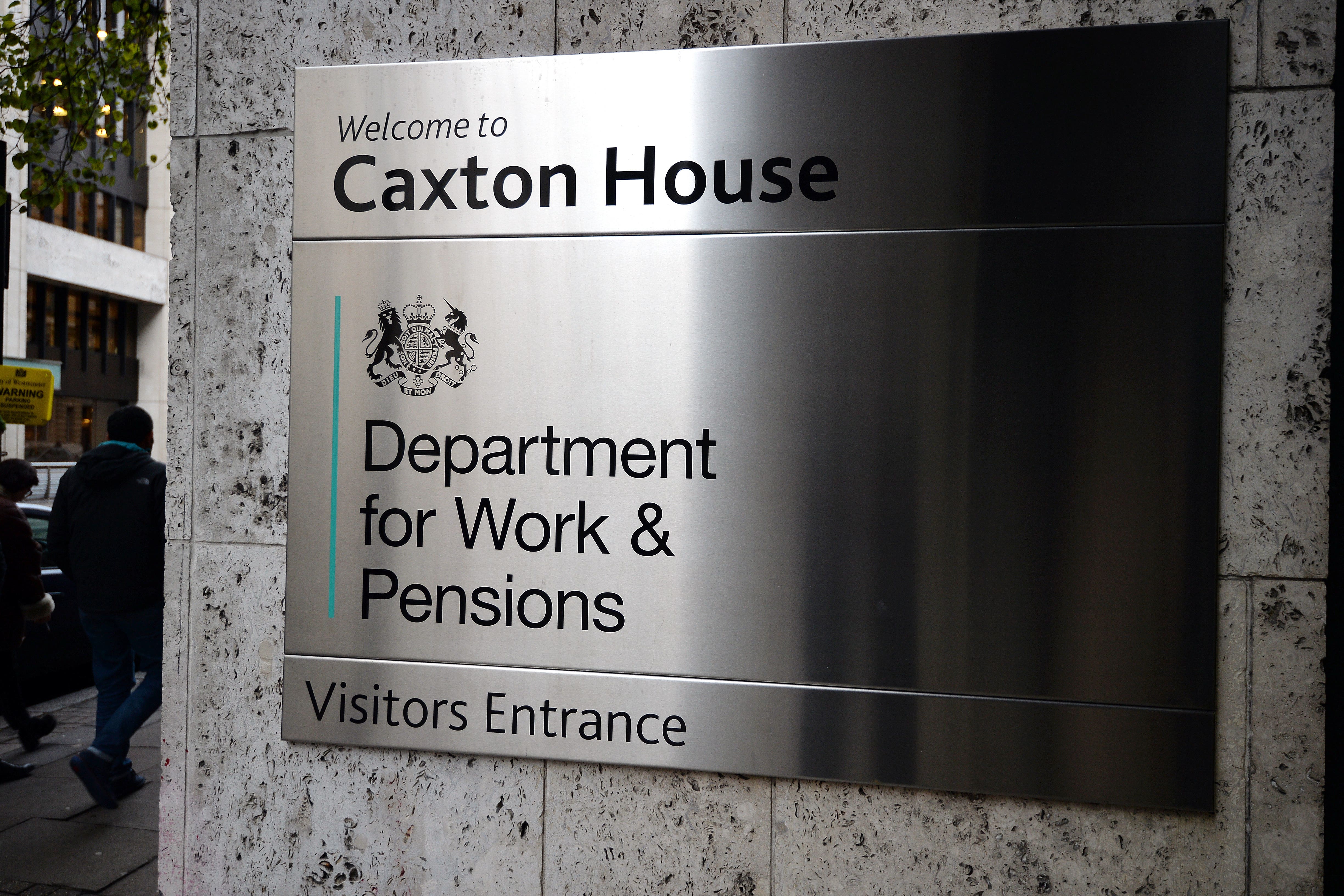
Lucy Bannister, head of policy and influencing at Turn2us, said: “Our social security system should give people stability when life changes and confidence to rebuild their lives.
“The government’s plans to support more people to move into, and progress in, work are welcome – but it is doomed to fail unless more is done to address the suspicion, mistrust and stigma baked into the system.
“The government’s language and the practice of the DWP is breaking down trust, making it impossible to adequately assess the support someone needs, or help overcome barriers to work.”
A DWP spokesperson said: “We’re shifting our focus from welfare to work, skills and opportunities, backed by £1bn a year for employment support for sick or disabled people by the end of the decade.
“We are also committed to making PIP fit and fair for the future, which is why we’ve announced a ministerial review of its assessment process.
“The review will be co-produced with disabled people and the organisations that represent them, ensuring their views and voices are at the heart of our decision making.”