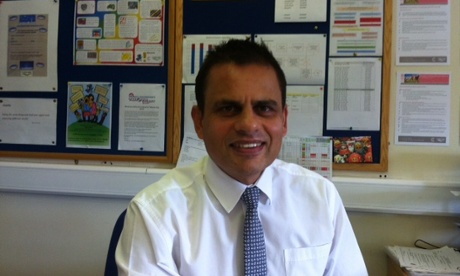
My day starts at 5.25am when my wife and I get up for our morning run. I know I won’t see her again until late evening and we both benefit from this time together as well as enjoying the exercise. After showering we board the 6.42 train ready for the day ahead. While travelling I take out my smartphone and start responding to emails; my inbox requires constant attention and learning how best to do this is essential to ensure I control it and it doesn’t control me. On the short walk from the station to the office I pick up my first coffee of the day and arrive in work at 7.45am to continue working on emails.
My morning is usually filled with meetings – they generally start at 8.30am and this morning features a senior managers’ meeting. I have to present an update on the residential services redesign and I check my papers before it begins. These meetings are valuable as most of us will rarely have the chance to share views on key issues throughout the rest of the week.
My next meeting concerns missing children and as I have lead responsibility for this vulnerable group I’m the nominated chairperson. Together with a range of other agencies we address important issues relating to the safety of young people who run away. As I introduce myself I emphasise the “children looked after” part of my job title, as that is what I am most proud of. Children in care require an ambitious lead officer who has an unwavering commitment to promoting their welfare. I don’t think I could be a manager with responsibility for any other service.
Late morning I’m approached by a team manager to approve the commissioning of a placement from an independent fostering agency. Before I can consider this I have questions to ask and details to check. I try to work quickly as I’m aware a number of frontline professionals and a young person are waiting on the outcome of my deliberations. Social work is invariably about assessing a situation, balancing the options available and determining the most appropriate course of action. This decision demands those same skills and during a week I usually have to respond to a number of such requests.
Lunch is a quick sandwich and a catch-up with my personal assistant. These sessions usually involve me offloading while she quietly listens, which I accept is hardly the best use of her valuable time. This afternoon I am supervising the adoption team manager and then I’m back to the office to continue work on a report for the corporate parenting panel and to answer a few more emails.
This evening is the highlight of my working week. I am due to meet with the children in care council; not on a formal basis but because it’s something I do as often as I can. The last time I visited they were rollerblading and after plenty of assistance managing the straps and buckles on the hefty skates, I took to the floor. I am not young or particularly well coordinated and the photographs evidence that rollerblading is not a strength of mine.
At every activity or meeting that I attend I will listen to what the young people have to say and take those discussions with me to and ensure their rights, wishes and feelings influence all I do. These meetings are also of immense value to me on a personal level. I will leave with a euphoric feeling that I know will serve to inspire and motivate me until the next time: in a way I hop from meeting to meeting with their voices, and the relationships I’ve built, driving me on until my next visit. Without this regular “fix” I question whether I could be an effective manager. They give a context and meaning to my decision making and serve as a constant reminder of why I do the job. At one meeting I tried to explain this to the young people and floundered horribly – but I will try again; it’s important that they know.
I usually leave my office at 6.30pm and arrive home about 7.30pm, but tonight it will be later. When I arrive home I’ll briefly unwind watching television and then go to bed to read before quickly falling asleep. I never lay awake grappling with a work issue and rarely experience stress. I work in a challenging environment of competing demands and increasing financial constraints and I work long hours. But I thrive on the responsibility my role brings and I have an immense sense of pride in being a part of the social work profession. It is these things, together with weekends which are a purposeful departure from work (we are currently training hard for the Paris marathon), that ensure I’m ready for the following week.
If you would like to feature in our Day in the Life series, or know someone who would, email socialcare@theguardian.com.
Why not join our social care community? Becoming a member of the Guardian Social Care Network means you get sent weekly email updates on policy and best practice in the sector, as well as exclusive offers. You can sign up – for free – online here.