Canberra's disease detectives are working fast to hunt down Covid.
At the ACT government's health office in Woden, a team of contact tracers had been lending their hand to NSW to deal with the worsening Delta variant outbreak.
But last Thursday, that all changed.
The ACT's first case of community transmission had been detected after more than a year of zero-case days.
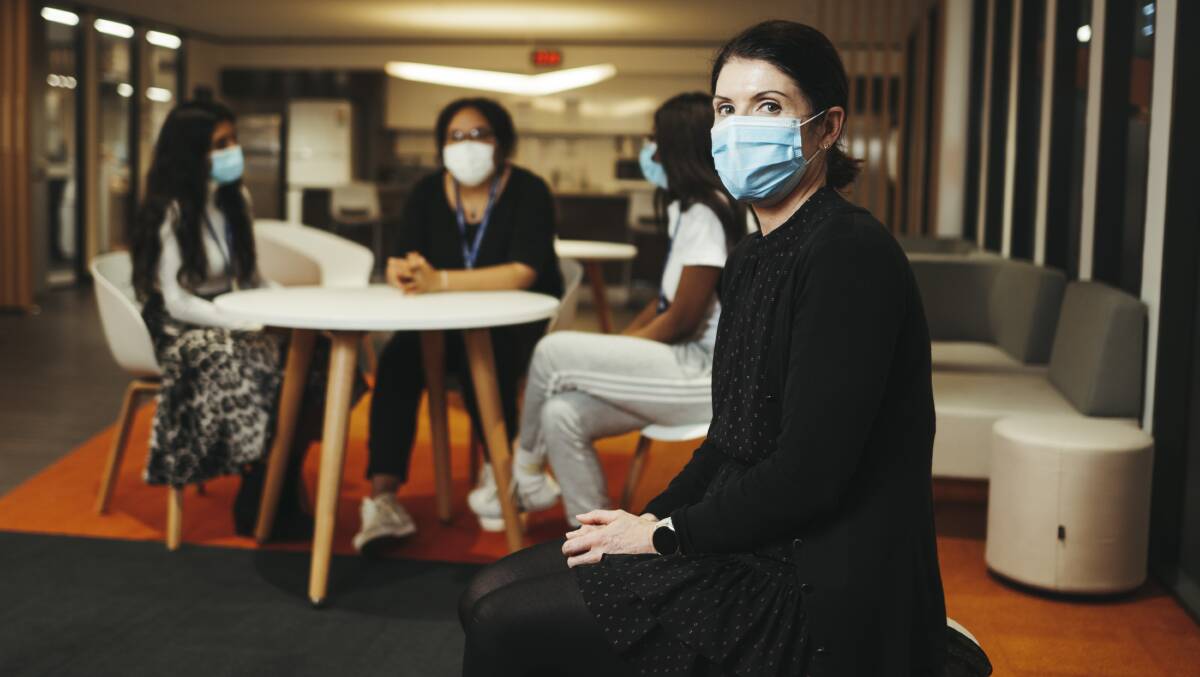
Case investigation director Rebecca Hundy said things had very quickly swung into overdrive now that cases had been detected closer to home.
"The last 48 hours have been very, very hectic," Ms Hundy said on Friday.
"It still has been a bit of a scramble to get everything together and interview all the cases really quickly, and get all the information out there."
Solving the puzzle of Canberra's Covid cases
The team faces a tough mission and they're feeling the pressure but contact tracers Susana Savu, Merryn Moffatt and Yathasha Daluwatta are excited to be a part of the effort to contain the outbreak.
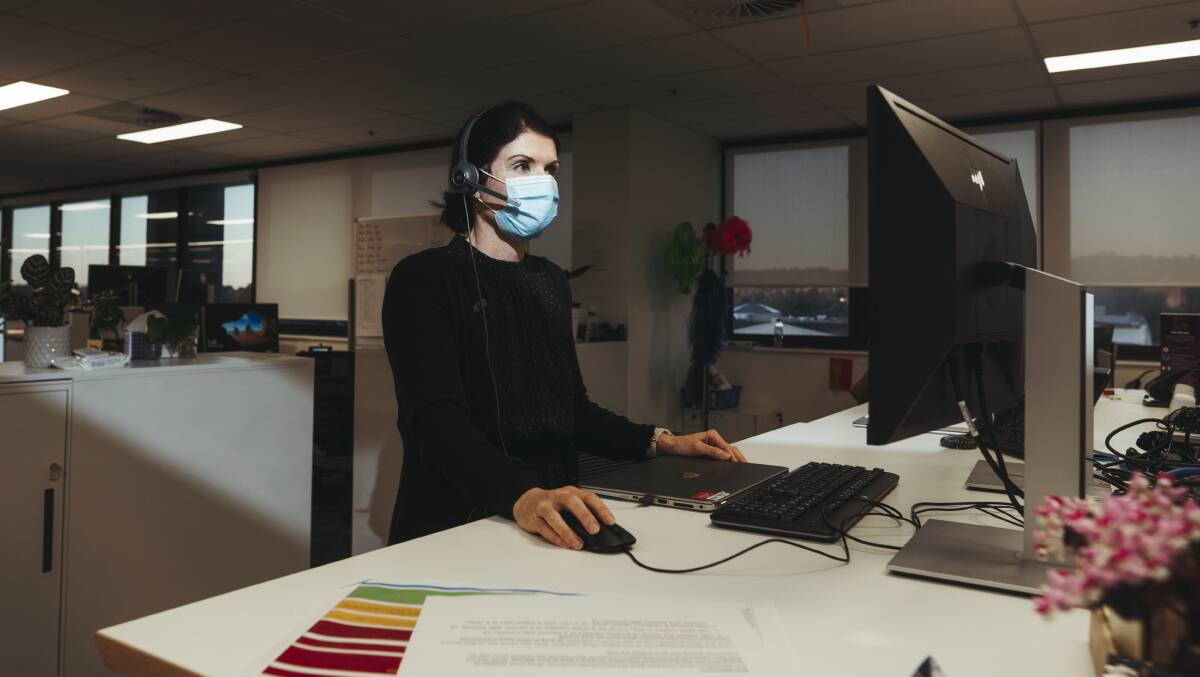
It all starts with the first interview - an in-depth examination of the case's movements that can often take several hours over the phone.
The team work backwards, trying to figure out how the person got infected many days prior and who they might have given it to along the way.
"It's one massive puzzle, you just try to put it together," Ms Moffatt said.
Ms Daluwatta said: "I feel like Nancy Drew."
And a single interview is not enough.
The contact tracers get a rough idea of the person's movements over the infectious period from the initial chat but the second step is more complicated.
Cross-checking that information takes time. The team uses the Check In CBR app data, which helps speed up the process a bit.
They also use phone and banking records, text messages and have even been accessing CCTV footage to assess whether contacts should be categorised as close or casual.
It's a race against the clock because the longer it takes to notify potential close contacts, the more places those potential cases can visit.
"With the new [Delta] strain, we're finding that the incubation period is shortening," Ms Hundy said.
"So it's really important to get onto these people as quickly as possible so we can get them into quarantine so they're not having any infectious days in the community."
Nothing beats an old-fashioned phone call
The nerve centre for the ACT's contact tracing team is nothing like a Mission Impossible movie. There's no high-tech map of Canberra propped up on the wall with a dramatic countdown timer.
Instead, there's desks, phones and a handy software program to help them log each case's movements and encounters.
One person can visit a lot of places, and see a lot of people, in a few days so the timeline quickly gets complex.
The contact tracers also need to build trust. They're attempting to gain intimate knowledge with people they've never met, and fast.
"It's a bit of a skill with the interviewers ... establishing a good rapport with the person is the first thing," Ms Hundy said.
Sometimes it's not enough. While some people are happy to comply immediately, others are more sceptical about the voice over the phone asking them for their every moment over the previous week.
"Someone hung up on me today, they thought I was a scammer," Ms Daluwatta said.
"But they called me back and said, 'I'm so sorry'."
Figuring out the source of the infection was another intricate task.
Ms Hundy said it was simpler at the start of the pandemic because most had acquired it overseas.
Now, it took a bit more detective work with the help of genomic sequencing.
"In the recent [Canberra] cases, we knew they were close contacts," she said.
"[With] the other ones, we do have to go back 14 days and try and find out where they've been and what they've been doing and see if there's a link there to NSW or to one of the other jurisdictions."
It takes a village to hunt for Covid
While the contact tracing team has been keeping their skills fresh lending their hand to other state outbreaks, it's the first time they'll be tested on home ground in more than a year.
But the team have already been training other public servants, including some from the federal Health Department, in case things start to ramp up dramatically.
"We've got lots of sources of additional staff [so] we can surge," Ms Hundy said.
"We've actually had some [federal Health Department] staff over with us already [last] week before the cases got notified.
"They were over here doing some [contact tracing] training so we've kept them on and we're going to source a few more from over there as well.
"It was very good timing."
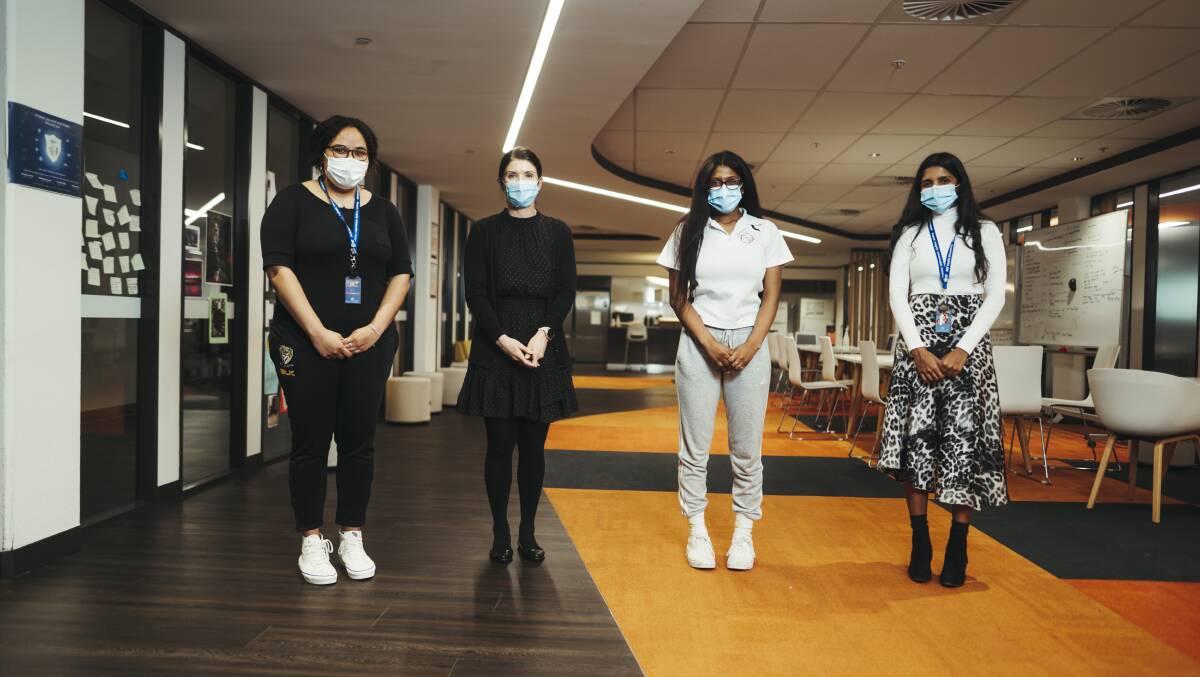
Being Canberrans, the contact tracers felt the task was simpler speaking to fellow territorians.
Ms Savu said it could be challenging when calling up Sydney cases as she wasn't familiar with the suburbs.
With Canberra cases, she felt more confident personally knowing the places they might have visited.
But there was also the added stress of knowing it was no longer hundreds of kilometres away in another city, Ms Daluwatta added.
"It definitely just gives you a bit more of an emotional pain when you hear a place and you're like, 'Oh, I know my cousin went to dinner there'," she said.
"It's closer to home."
The work they do can be tolling, especially with the recent outbreak resulting in a few 15-hour days for the director.
But they also recognise their work is a vital part of the key to ending the lockdown.
"Some of the calls we get are [from] lovely people, but you do get the really challenging people, too," Ms Hundy said.
"All of our contact tracers are just incredible, and they just keep turning up every day and they want to work extra days."