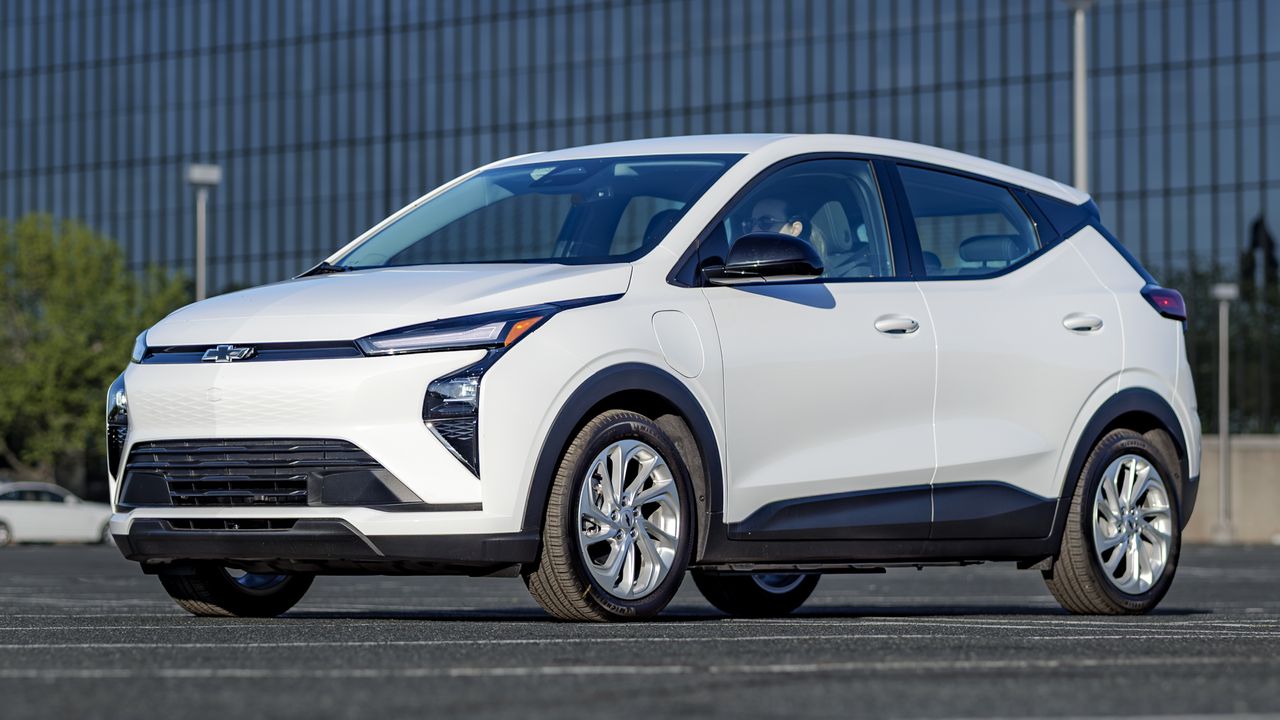
The Chevrolet Bolt is back after a few years away, complete with a refreshed design, faster charging capabilities, greater range, and a tech-forward cockpit layout. What’s even better is that it remains an attractive EV with a starting price of $28,995, making it an affordable option for those who want the long-term savings of driving electric with the lowest possible initial investment.
Now more than ever, though, budget-conscious consumers have more models to choose from — forcing the new Bolt to work harder to prove it’s the superior choice and a serious best electric car contender. After driving the 2027 Chevrolet Bolt LT for a week, I can attest that it’s a much tougher decision with so many other options out there. Here’s why.
2027 Chevrolet Bolt: Specifications
2027 Chevrolet Bolt LT |
|
Battery |
65 kWh |
Motor |
permanent-magnet synchronous AC electric motor (FWD) |
0 to 60 mph |
N/A |
Range |
262 miles |
Horsepower |
210 hp |
Wheels |
17-inches |
MSRP |
$28,995 |
Price Tested |
$35,655 |
2027 Chevrolet Bolt: Testing summary
Luckily, the new Bolt proves it’s efficient on the road, averaging 3.7 mi/kWh over the 164 miles I logged during my week with it. That beats its main rival, the Nissan Leaf, but still trails the impressive efficiency I got out of the Hyundai Kona Electric and Toyota bZ.
Most people will appreciate its 210 hp performance, which is right there with other subcompact crossover SUVs I’ve tested. While it makes for an easy drive, especially considering its smaller footprint, it’s nowhere near as responsive or fun to drive as something like the Volvo EX30 — but that EV costs an extra $15,000.
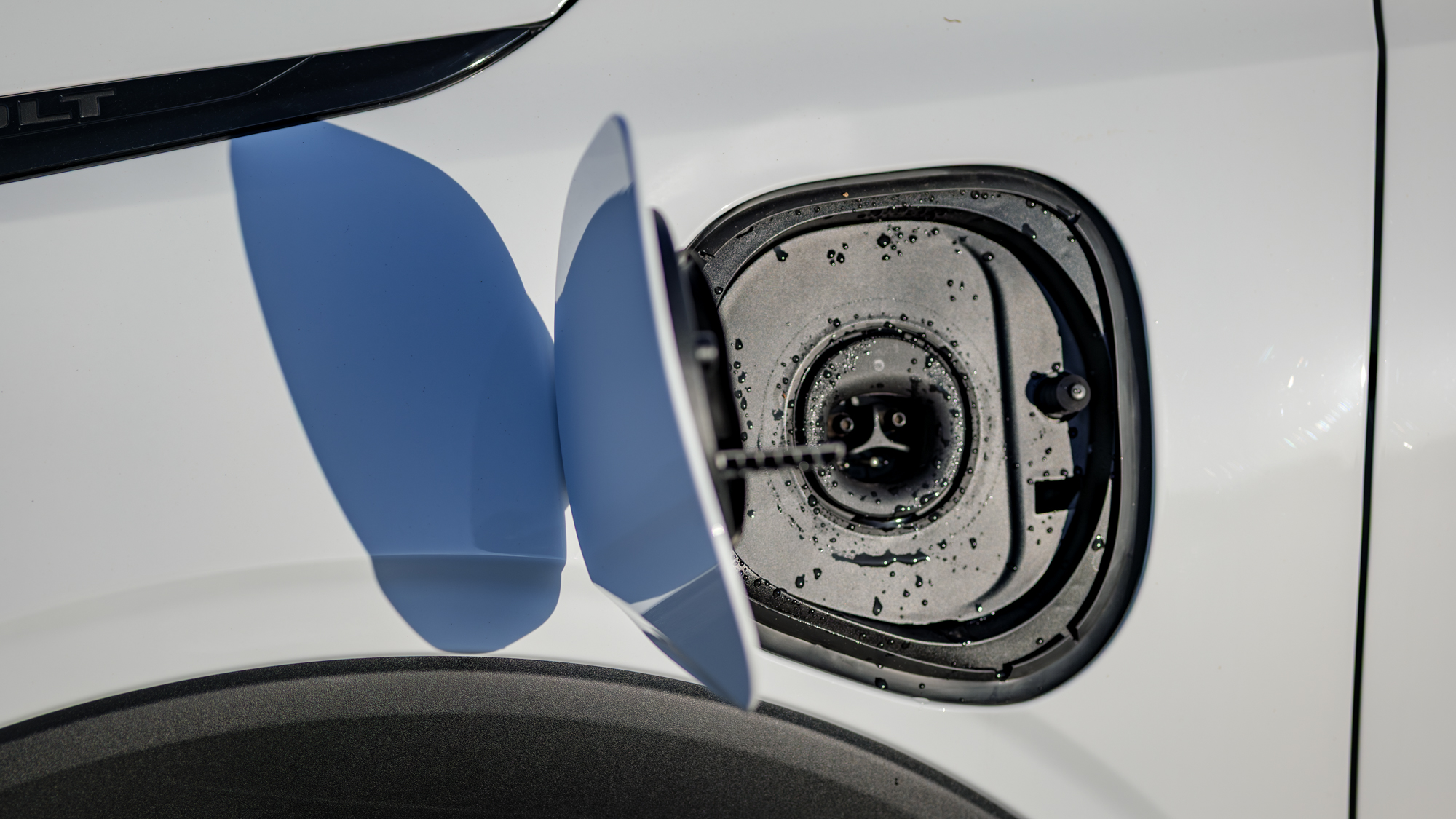
Unfortunately, I couldn’t test out Level 1 charging at home because I didn’t have a mobile charging cable with a native NACS connector. However, the fact that it finally gets upgraded to faster 150 kW DC fast charging brings it up to modern standards. And since it utilizes a native NACS port, it opens up access to more EV charging stations than ever before.
2027 Chevrolet Bolt LT |
2026 Nissan Leaf Platnium+ FWD |
2025 Hyundai Kona Electric N Line |
|
Price tested |
$35,655 |
$41,930 |
$39,880 |
Total miles driven |
164 miles |
372 miles |
412 miles |
Average Efficiency |
3.7 mi/kWh |
3.6 mi/kWh |
4.3 mi/kWh |
Best long distance driving efficiency |
3.5 mi/kWh |
4.1 mi/kWh |
4.4 mi/kWh |
Best short distance driving efficiency |
5 mi/kWh |
5.1 mi/kWh |
5.8 mi/kWh |
Level 1 charging rate |
N/A |
4.24 mi/hr |
3.96 mi/hr |
2027 Chevrolet Bolt: What I like
Attractive starting price
I can’t stress its affordable price enough, especially considering the $35,655 as-tested cost of my LT model. It’s one of the cheapest EVs out there that’ll allow you to lock in even greater savings in the long run by driving electric — which remains the biggest incentive to buy an EV over traditional ICE (internal combustion engine) vehicles.
Where I live, charging its 65 kWh battery at home comes out to around $15 to $17 based on a local residential electricity rate of $0.23 to $0.26 per kWh. That’s a massive upgrade over paying roughly $4.25 per gallon for regular gasoline at the pump.
Generous Legroom Throughout

I’m shocked by the amount of interior legroom the Bolt offers, especially after being disappointed by the lack of rear space in the Hyundai Kona Electric. Even in my normal driving position, there is ample legroom directly behind me for passengers to sit comfortably.
For a subcompact crossover SUV, this layout is a delightful surprise that makes any seat in the cabin an enjoyable place to be.
Comfortable, sporty-looking seats
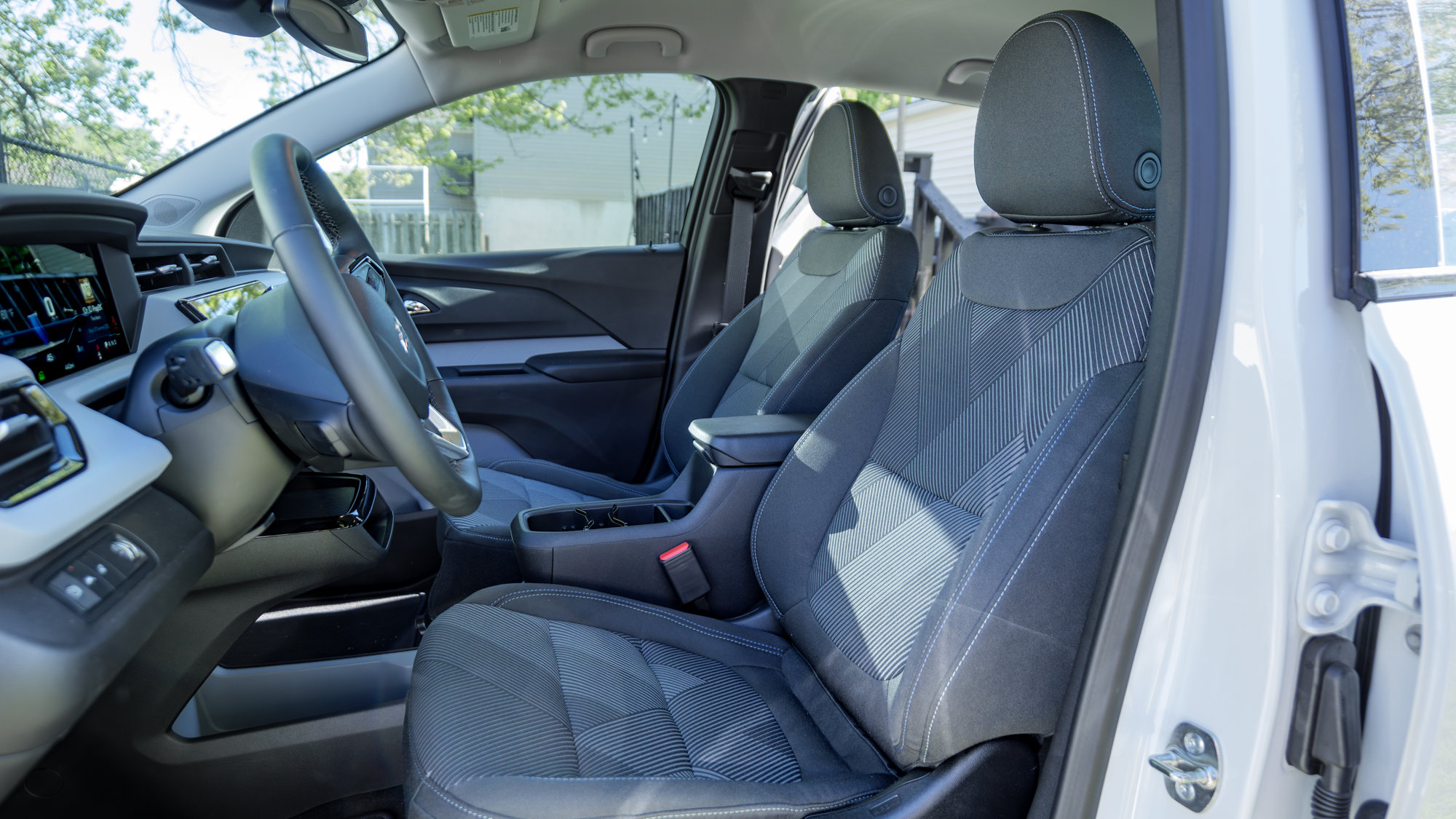
Even though it’s more conventional-looking on the outside, I’m pleased that Chevy gave the interior space some eye-catching aesthetics. Specifically, I’m drawn to the sporty-looking, bucket-style front seats. They aren’t just plush to sit on — they also feature a neat, geometric zig-zag pattern that makes the cabin feel slightly elevated.
Storage spaces everywhere
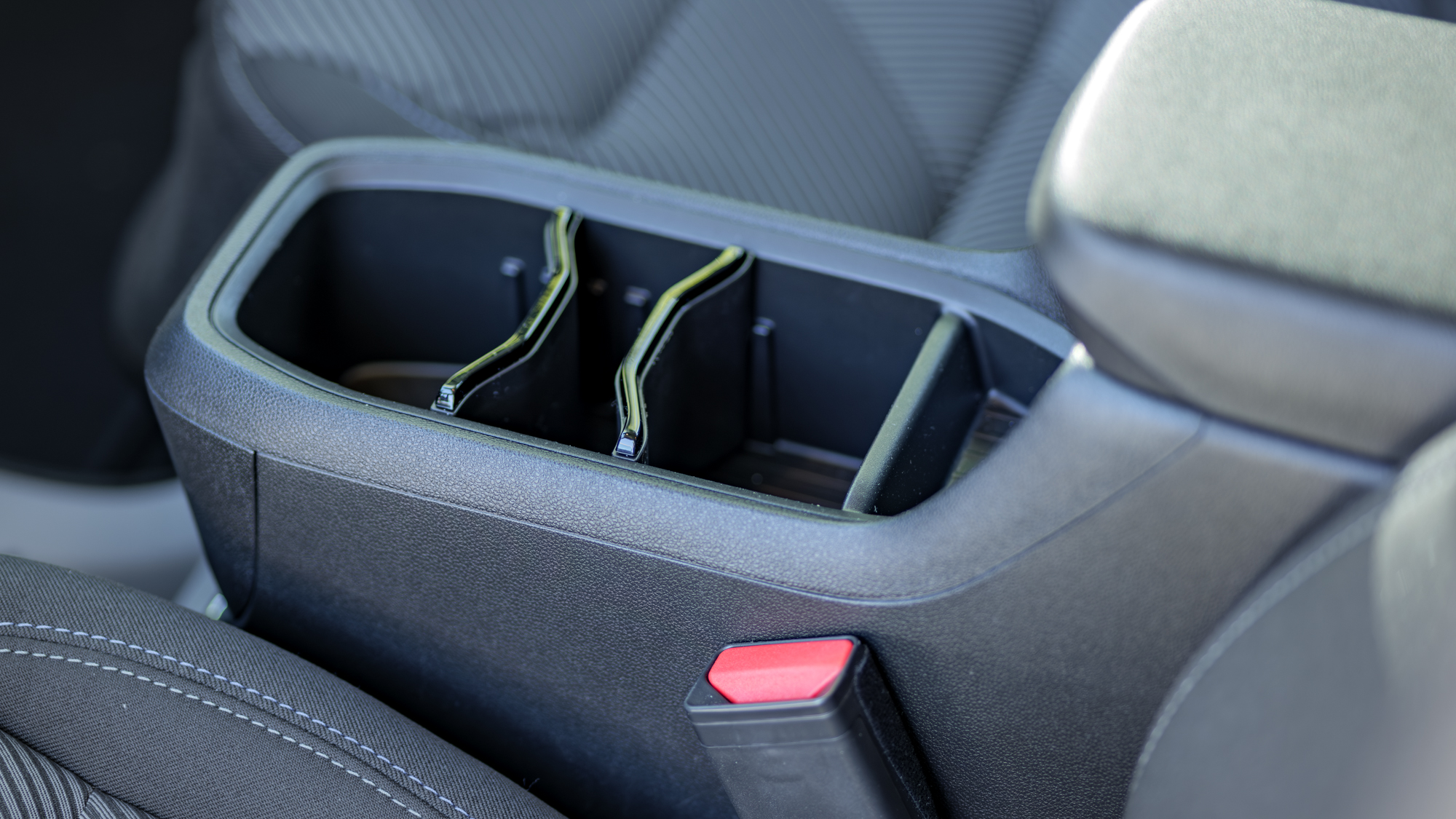
Despite its diminutive size, I have to again give Chevrolet credit for adding all sorts of clever storage solutions throughout the cabin. There is a handy shelf embedded into the dashboard right in front of the passenger seat to store phones and small items, plus a massive open trough beneath the center console.
Even though the base LT trim lacks a folding center armrest for rear passengers, Chevy compensated by building deep cup holders directly into every single door panel — in addition to the standard oversized ones between the front seats.
Angled center display
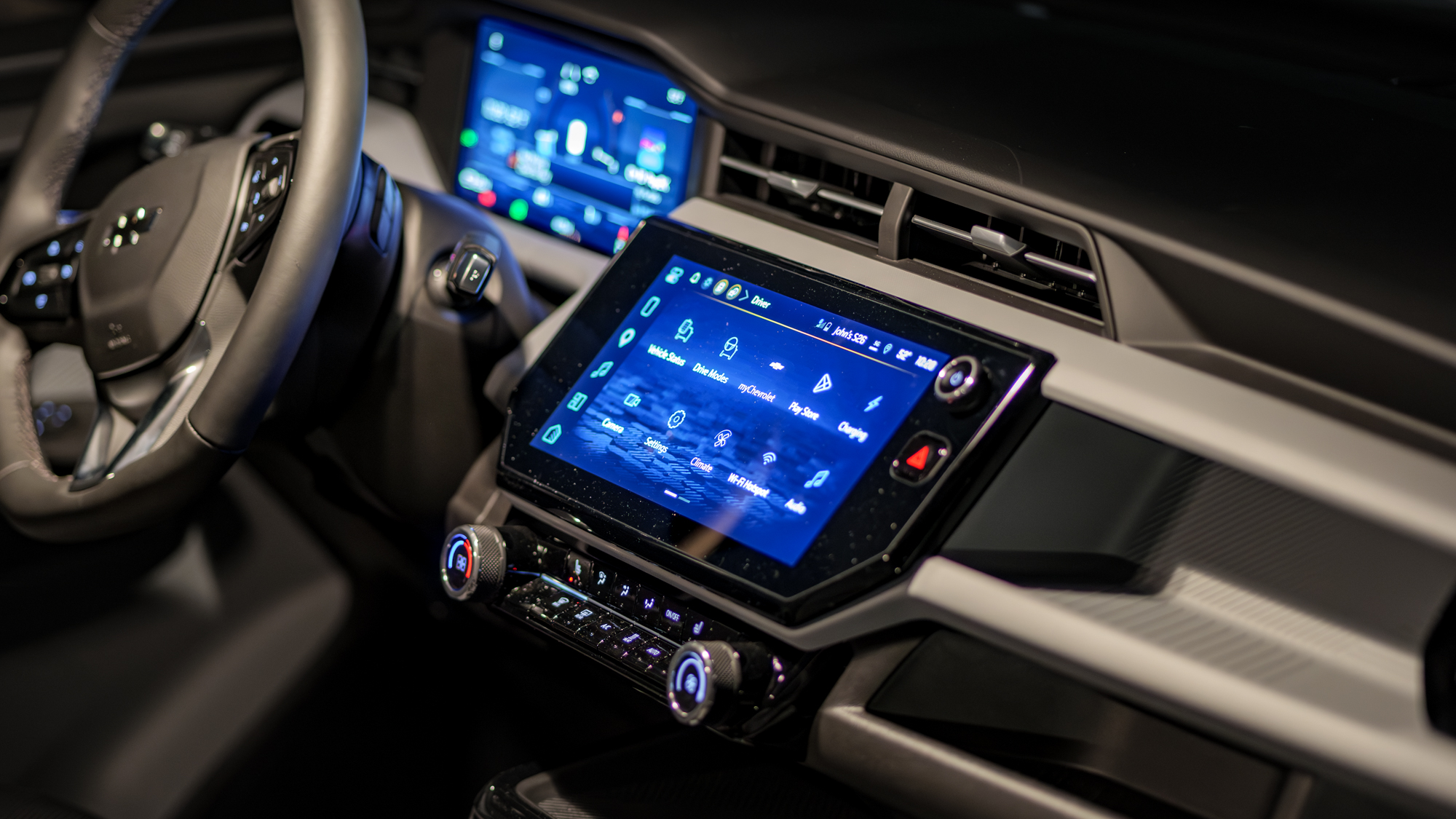
Smack in the middle of the dashboard sits a standard 11.3-inch touchscreen. Unlike most modern EVs that feature completely vertical, tablet-style displays, the Bolt’s screen is positioned slightly lower and mounted at a distinct upward angle.
I found this layout significantly less distracting while driving, as it stays well below your primary line of sight. Furthermore, when you do need to interact with the menus, that slight tilt makes the glass much easier to reach and use.
2027 Chevrolet Bolt: What I don't like
Tight trunk space
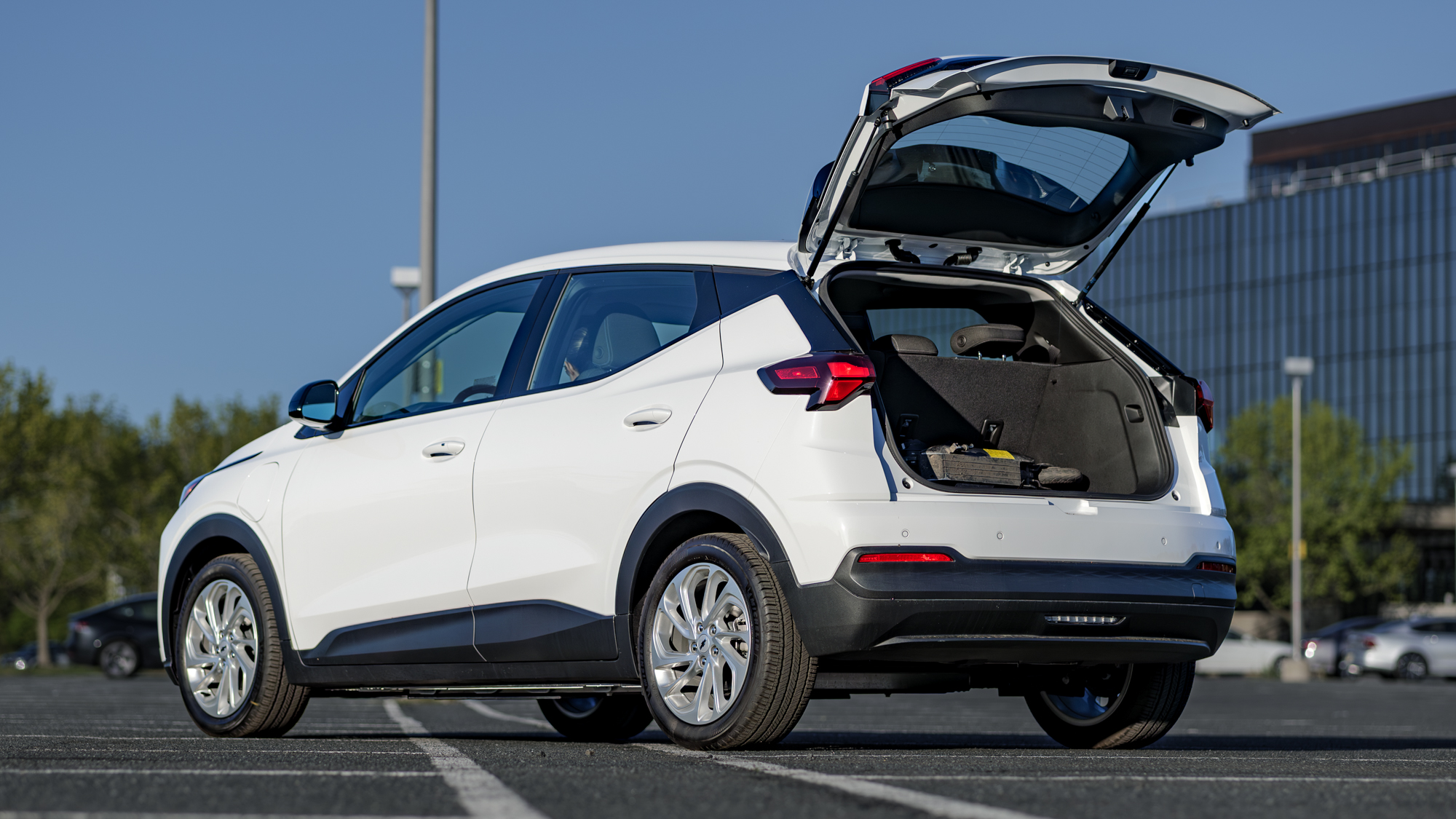
While the cabin itself feels remarkably roomy, the tradeoff for prioritizing all that passenger space is a much tighter trunk than what many rivals offer. Thankfully, I'm still able to stow my electric scooter back there, but I'm unable to fit my larger Jackrabbit OG2 Pro micro ebike without folding the rear seats flat.
No lane centering
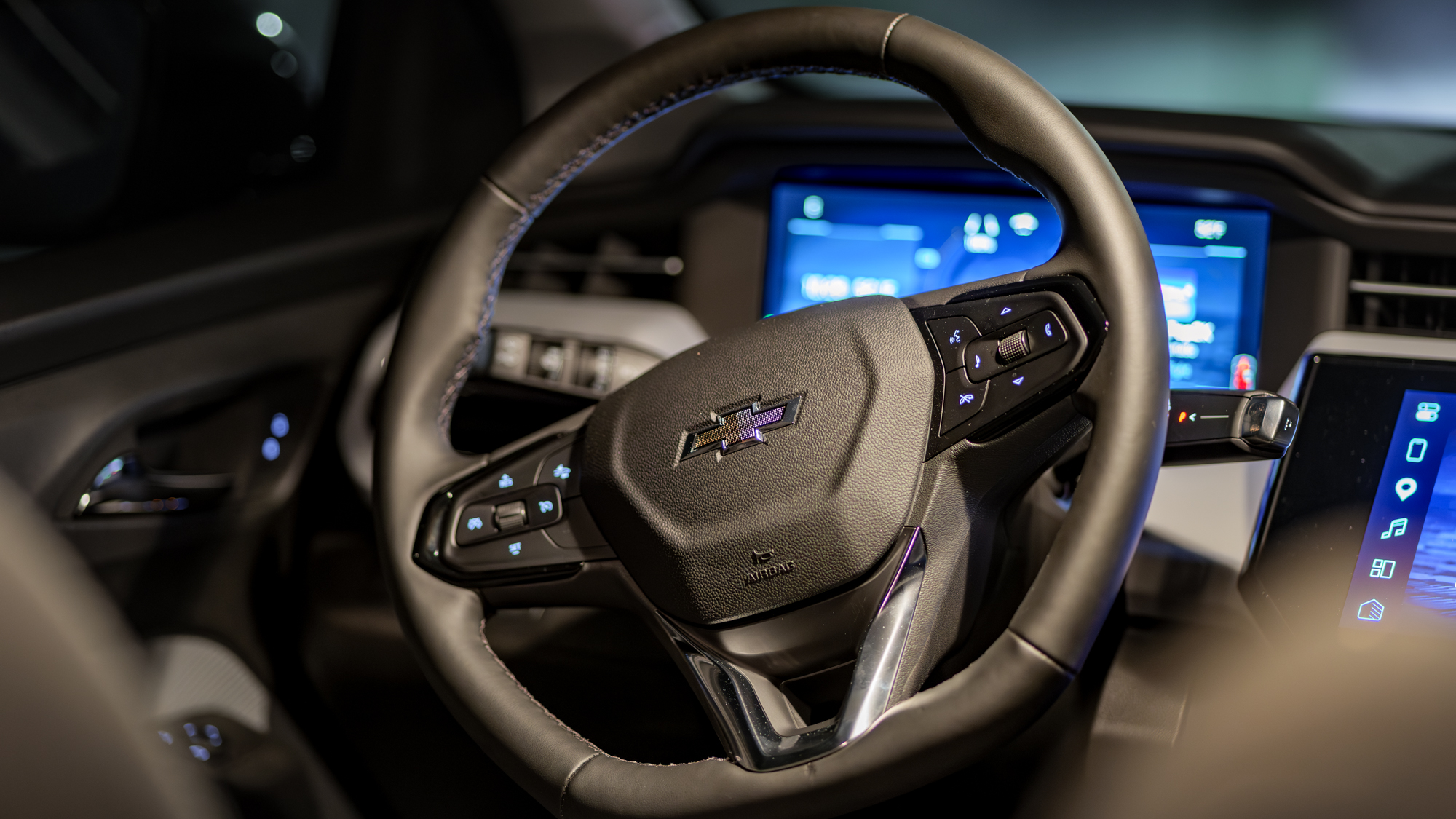
My LT test car comes equipped with standard adaptive cruise control, which smoothly maintains your set speed by automatically applying acceleration and braking. However, it lacks the ability to keep the vehicle locked into the center of the lane while engaged — meaning you are still manually in control of the steering wheel the entire time.
To get true hands-free lane centering, you have to upgrade to GM's Super Cruise system. In order to get lane centering assist, you’d have to upgrade to the Super Cruise Control package — which tacks on an additional $4,870 to the bottom line.
2027 Chevrolet Bolt: Bottom line
At the end of the day, the 2027 Chevrolet Bolt LT is the upgrade the series has long deserved. By directly addressing the slow DC fast charging speeds of past models and swapping in a native Tesla NACS port, Chevrolet has finally delivered an affordable EV that works. Add in a remarkably roomy cabin, great tech, and a highly accessible sub-$30,000 starting cost, and the Bolt cements itself as a smart financial choice for most people.
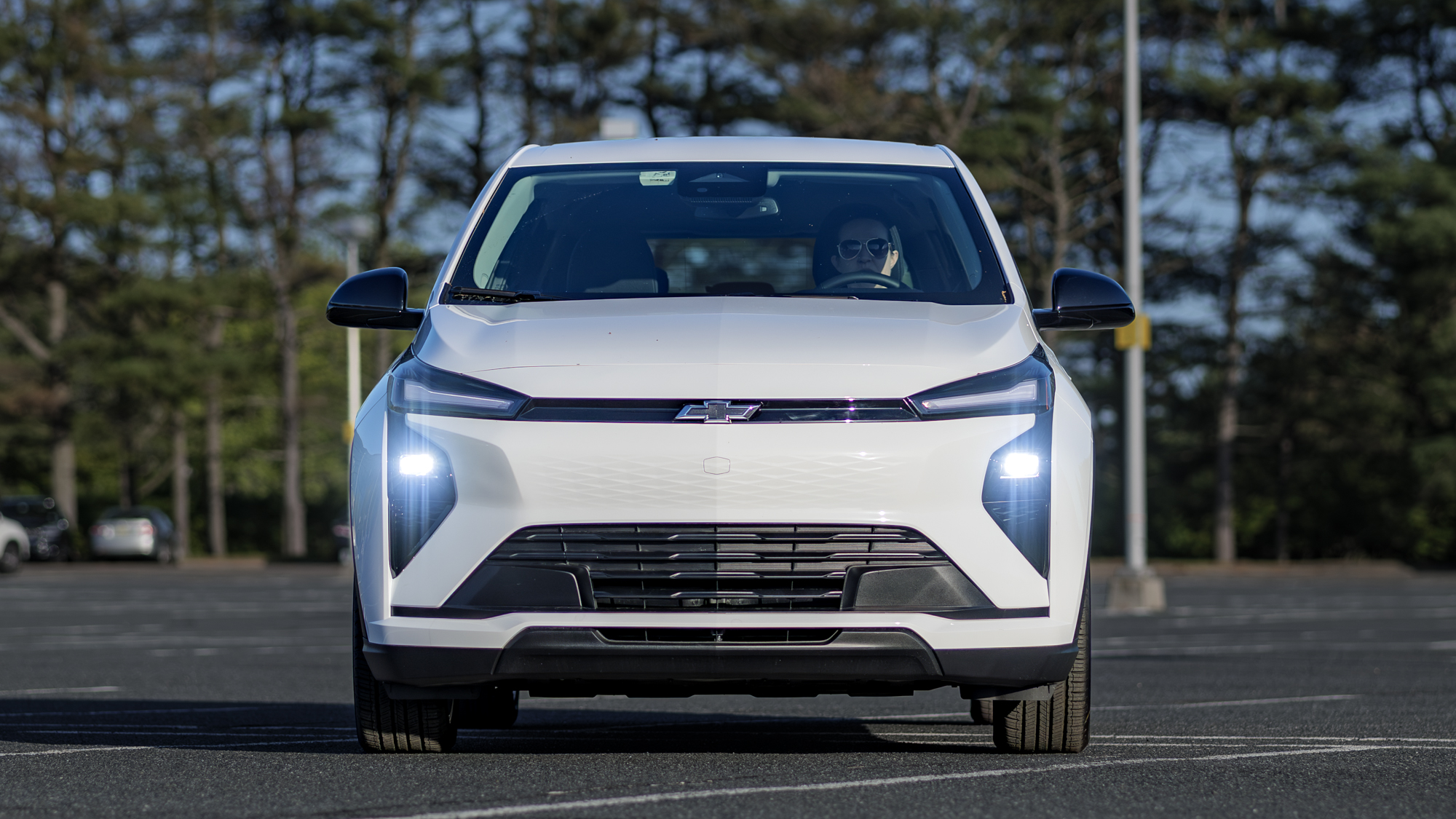
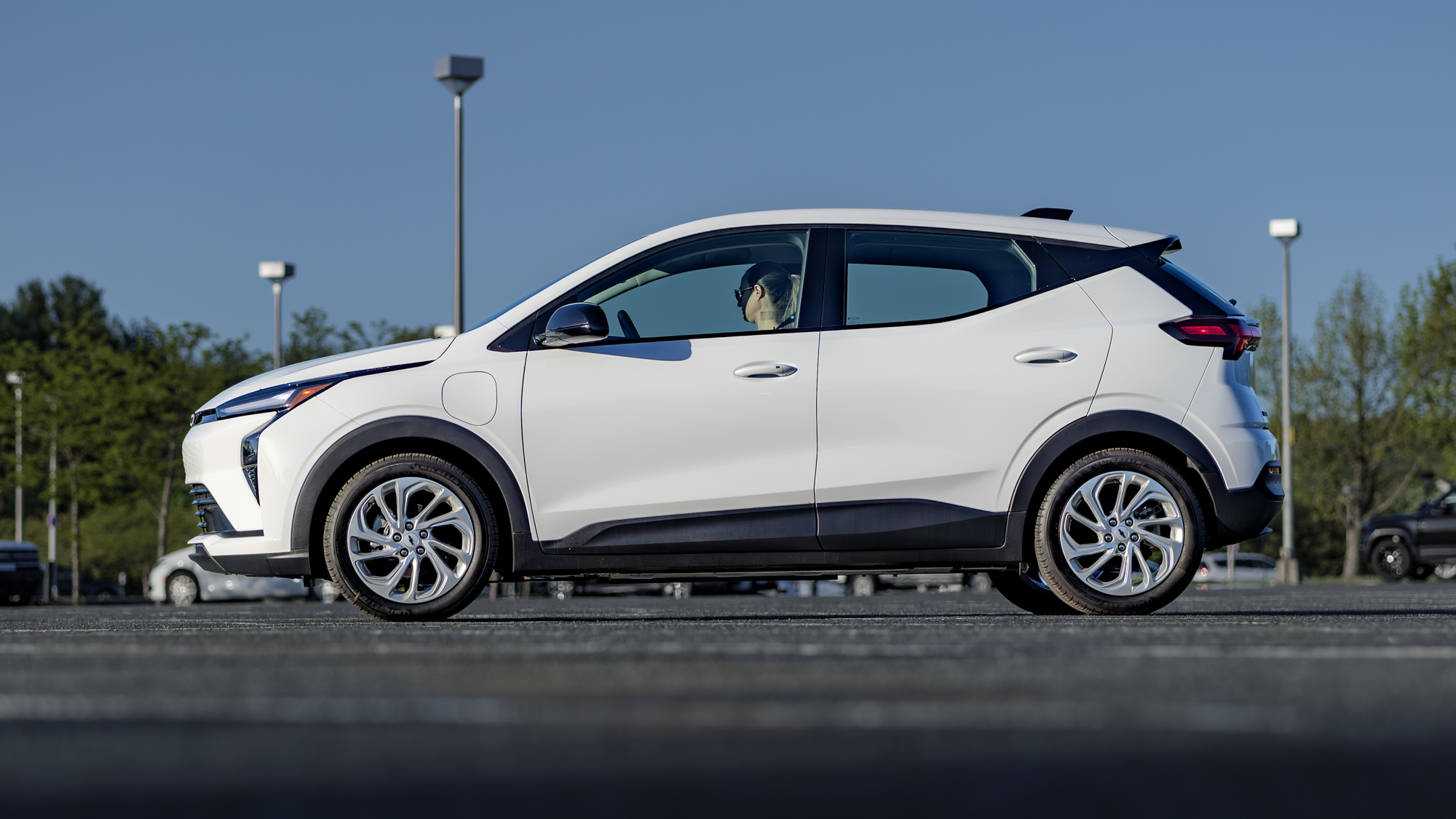
However, you have to accept that you're paying for the hardware, not the aesthetics. While the Bolt’s body style maximizes interior headroom and rear passenger legroom, its overall exterior leans conventional. It lacks the edgier styling of the Nissan Leaf and Hyundai Kona Electric. I’d go so far as to say that the Bolt looks incredibly pedestrian by comparison.
But when I look past the uninspiring design, the actual substance of the vehicle is undeniable. If you want a reliable, ultra-efficient daily driver that offers one of the lowest entry prices for an EV, the new Bolt is an absolute home run.