Analysis: Raising tobacco taxes helps some quit, but impoverishes others. These are the tough calls where ministers earn their pay, writes Jonathan Milne.
Some might call the Government’s actions yesterday self-defeating. Selah Hart calls them compassionate.
At the same time the Reserve Bank is trying to get inflation back to a moderate and sustainable 2 percent midpoint; at the same time the Finance Minister is looking for tax revenues to offset his Covid borrowing; at the same time health authorities are making a last-ditch bid to get Kiwis to quit cigarettes …
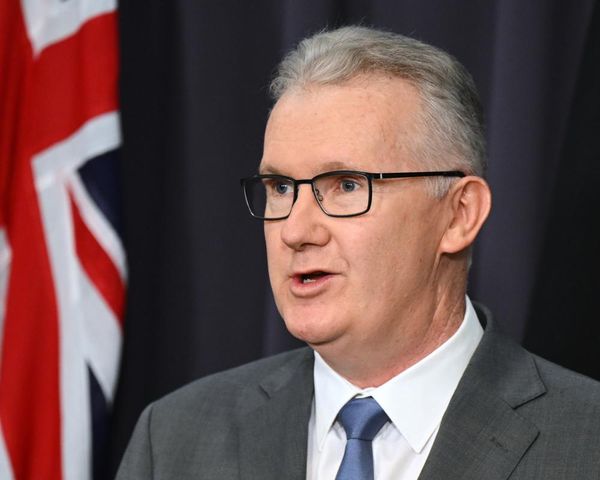
It’s at this time that public health minister Ayesha Verrall has firmly and finally ended big annual tobacco excise hikes – the most effective tool in the kit for reducing tobacco harm, raising revenue, and simultaneously contributing a hefty ¼ of a percentage point to annual inflation.

Hart is the chief executive of nationwide Māori health provider Hāpai te Hauora, which is contracted to curb the local sales of tobacco.
She tells me the hauora previously supported a doubling the 10 percent annual tax hikes to 20 percent; now they have come round to the view that penalising the families of the last, low socioeconomic, desperately-addicted half-million smokers is not the answer.
Yesterday, Verrall opened consultation on how to get those last smokers to quit in time to achieve the Smokefree 2025 target; proposals include progressively raising the legal age for purchasing cigarettes, licensing retailers, lowering nicotine levels, and setting a minimum price on tobacco. But no more excise hikes.
“I think they are putting people ahead of profit,” says Hart. “I can’t say the same for the tobacco industry.”
She quit, with great difficulty, before the birth of her oldest son Sione, 10 years ago.
“The smell of cigarettes when I was pregnant was actually quite difficult to resist – my body was telling me I was still addicted.”
It’s decisions like these where ministers earn their pay cheques. It’s often said our governments are addicted to tobacco, alcohol and gambling excise, so it’s a big call to sacrifice this steady stream of new revenue
Customs and excise revenue fell a steeper-than-anticipated $700 million this past year, mainly due to a 47.8 percent decline in tobacco duty. The fall this fiscal year will be much larger still.
And in these strange times of unfathomably large numbers, when Government commits to borrowing $100 billion without blinking, don’t underestimate the impact on the economy of cutting the annual 10 percent tobacco excise hikes. “The removal of this tax will actually make it harder for the RBNZ to meet its inflation target,” says an ANZ report published yesterday.

Quarterly consumer price index figures, due out next week, will show how difficult NZ Inc is finding it to escape the threat of deflation and get back to that 2 percent midpoint.
But it’s a price worth paying, Hart would argue, for a more equitable pathway to eliminating smoking.
She doesn’t want her son growing up, like her, to visit the local cemetery to bury loved ones who have died of smoking-related diseases. “The Government has moved with urgency on the Covid pandemic,” she says. “Smoking claims 4,500 lives a year – it’s our own pandemic.”